 NL
NL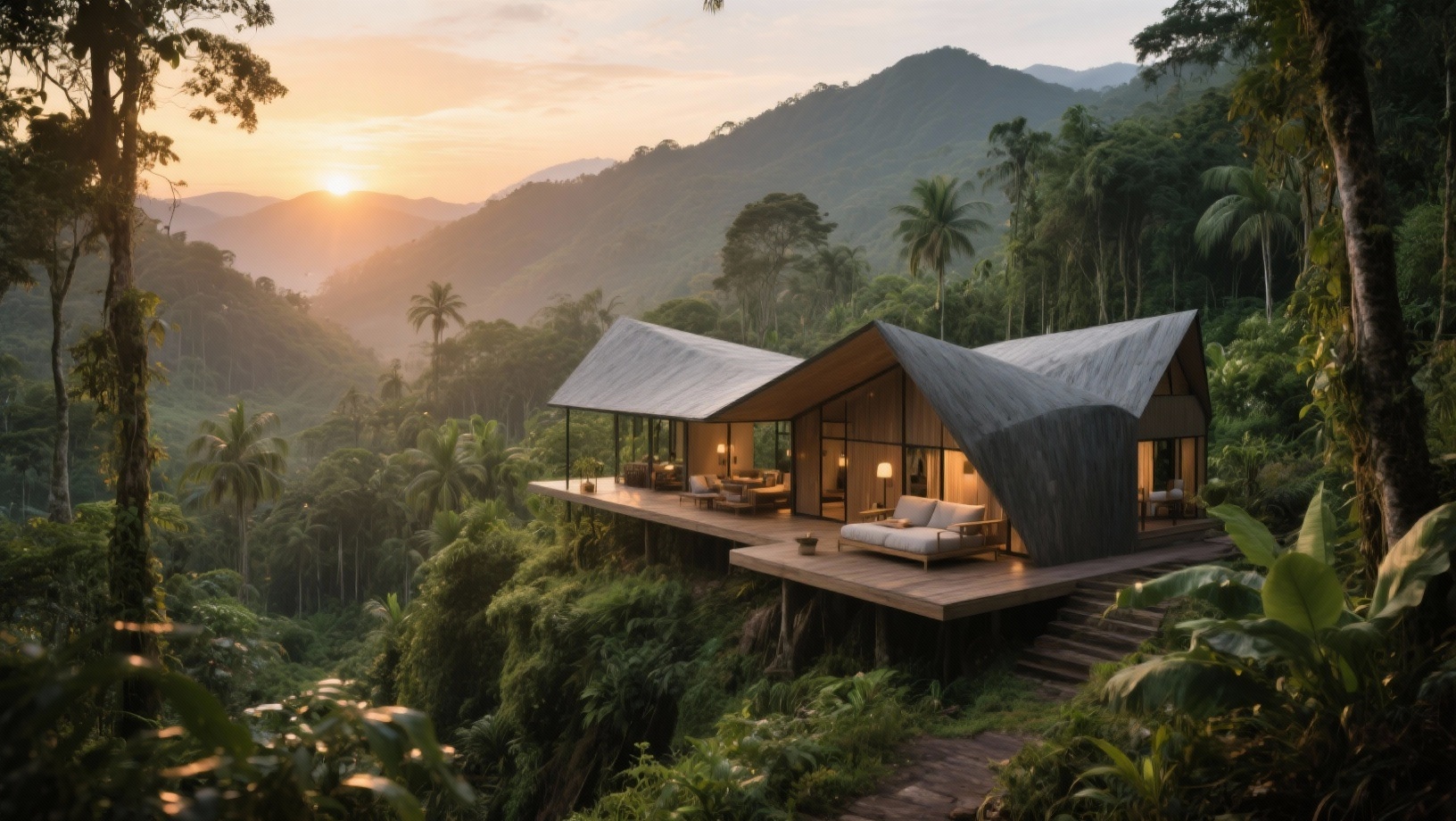
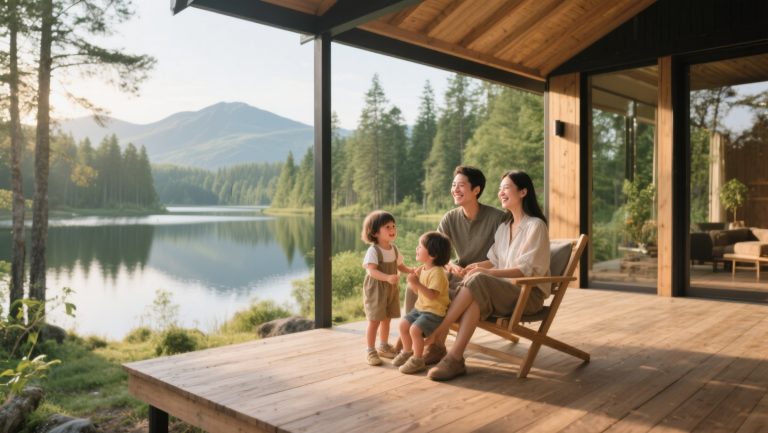
What are ecolodges? They are sustainable places to stay that combine comfort, immersion in nature and social responsibility. They offer a way of travelling that keeps your ecological footprint to a minimum. At the same time, you contribute to protecting nature. You also support local communities. Discover how these unique types of accommodation transform your travel experience and why they are more than just a place to spend the night.
The difference between an ecolodge and an ordinary lodge
At first glance, an ecolodge may look like a standard hotel or lodge. The fundamental difference, however, lies in the philosophy and the way it is put into practice. Whereas a regular hotel focuses primarily on providing comfort and services, an ecolodge goes a step further. At the heart of an ecolodge is harmony between the accommodation, the natural surroundings and the local community. This is reflected in every aspect of how the business is run.
An ordinary lodge is usually built in a location that is attractive to tourists. Integration with the surrounding landscape remains superficial. The focus is on commercial success. An ecolodge, by contrast, is designed with nature as the starting point. The building materials, energy consumption and waste management are all geared towards minimising impact. Its energy consumption and waste management minimise the burden on the environment. In addition, the lodge plays an active role in the wellbeing of the local community. It provides jobs and education.
‘ A true ecolodge is inextricably linked with the local community. ’
How do ecolodges operate sustainably?
The sustainable way ecolodges operate is based on concrete principles. These principles ensure that your stay is not only pleasant, but also makes a positive contribution.
- Construction and materials: Ecolodges are built using natural, locally produced or recycled materials. Think of timber from sustainably managed forests, bamboo, straw or reclaimed bricks and stone. The design ensures that the building blends into its surroundings. Natural airflows keep the building cool.
- Energy and water management: Ecolodges generate their own energy with solar panels or heat pumps. They collect rainwater for use in the lodge and treat their own wastewater. Techniques such as recirculating showers and vacuum toilets reduce water consumption considerably.
- Waste management: There is a strong focus on reducing waste. The lodge composts organic material. They avoid plastic as much as possible. Any remaining waste is carefully separated and recycled.
- Community involvement: A true ecolodge is inextricably linked with the local community. It provides fair jobs and buys products and services locally. In addition, it regularly supports social or educational projects in the immediate area.

Off-grid ecolodges: what does that mean and how do they work?
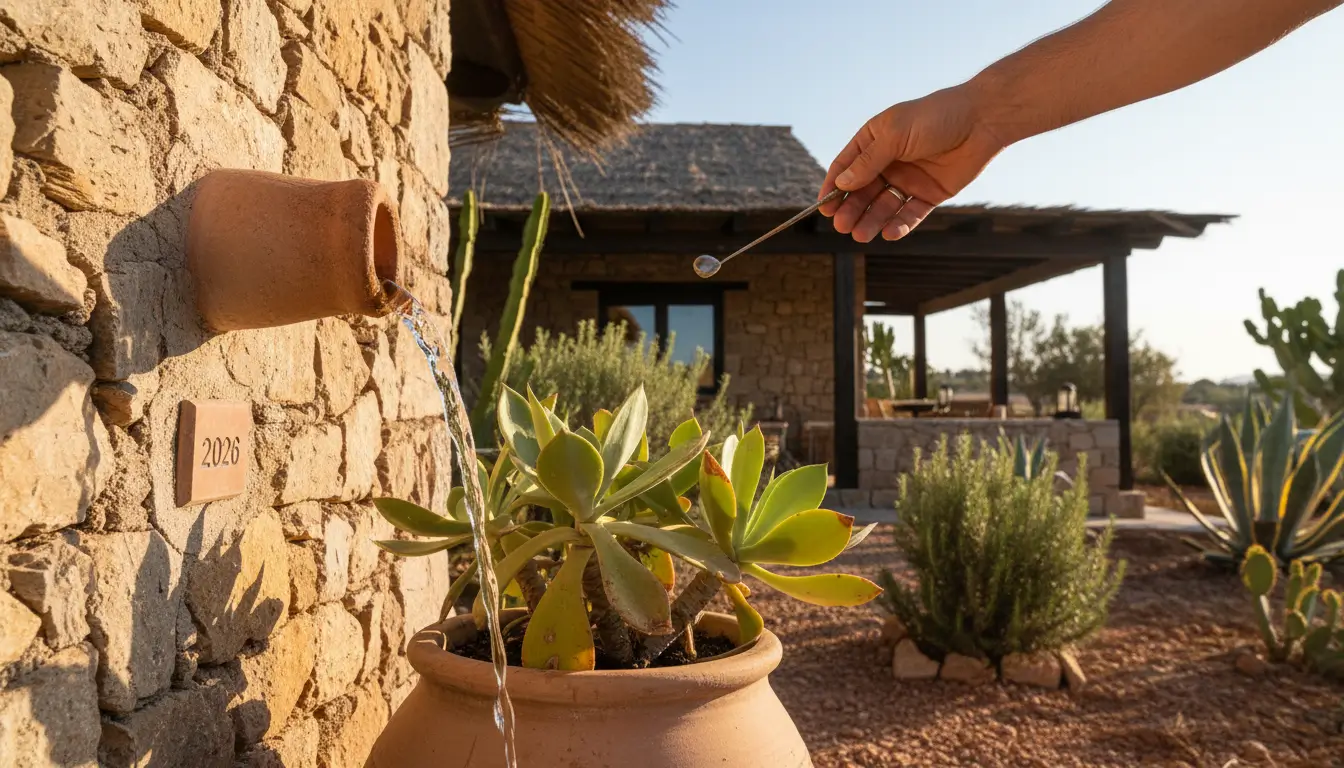
Certain ecolodges take things even further and operate completely “off grid”. This means they are not connected to public utilities such as the electricity grid, mains water or the sewer system. They are completely self-sufficient, which reduces the ecological footprint to an absolute minimum. But how does that work in practice?
Solar panels generate the energy. Batteries store the energy so that electricity is also available at night. For water they depend on their own source. This might be a well. Or they use a system to collect and purify rainwater. The lodge treats wastewater on site with a reed-bed filter. In this natural system, plants and micro-organisms clean the water. Living without connections calls for smart and conscious management of all resources. These lodges specialise in exactly that.
What facilities do ecolodges offer?
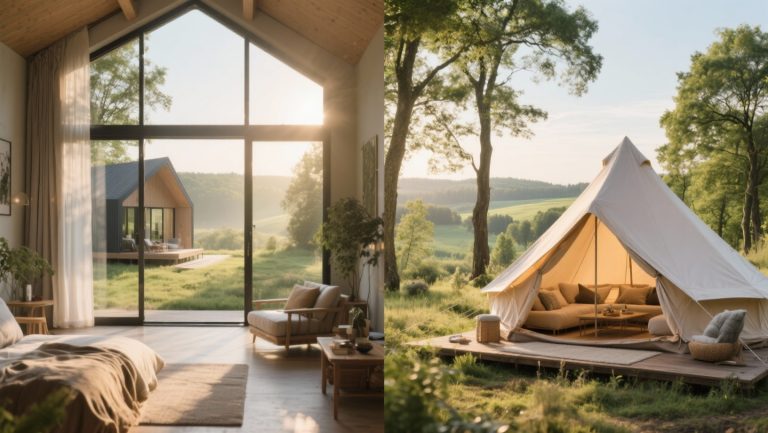
The word “eco” conjures up images of primitive conditions for some people, but that is a misconception. Ecolodges come in many forms. From simple huts in the jungle to luxurious eco-resorts with extensive facilities. The level of service depends on the lodge you choose, but the basics are always well taken care of.
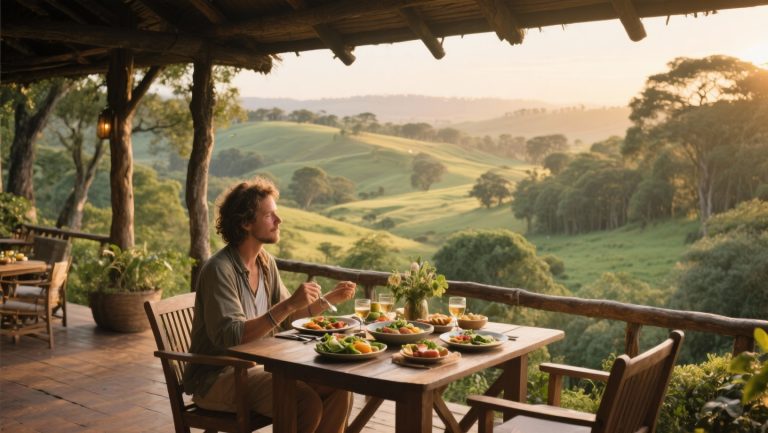
You can count on a good bed and a private bathroom. Many lodges also offer a private terrace or balcony with views of nature. Most lodges have a restaurant that cooks with local, organic ingredients. They also offer activities focused on experiencing and learning about nature. Think of guided walks, workshops on the local flora and fauna, or cultural excursions. Some lodges deliberately limit facilities such as Wi‑Fi to a central area. This encourages guests to disconnect from the digital world. That way they reconnect with their surroundings.
‘ This is luxury in its purest form. ’
Are ecolodges comfortable enough for a holiday?
Yes, a stay in an ecolodge is very comfortable, although wellbeing takes on its own meaning here. It is not about excess, but about wellbeing and an authentic experience. Wellbeing lies in the tranquillity of the surroundings and the quality of the food. Clean air contributes to your feeling of contentment. Knowing that your stay contributes to a better world enriches your experience. You wake up to birdsong. You shower in water heated by the sun. In the evening you enjoy an unspoilt starry sky. This is luxury in its purest form.
You can choose your own level of luxury. Certain ecolodges offer a minimalist yet very well looked-after experience. Other lodges can compete with the better hotels, complete with swimming pool and wellness facilities. What they have in common is attention to detail. The commitment to sustainability always remains central. This does not come at the expense of a pleasant and relaxing stay.
Now that you know what ecolodges are, you may feel inspired to plan your next trip more consciously. A stay in an ecolodge enriches your holiday with a deeper connection to your destination. On the website of Traveller Tips you will find even more articles about sustainable travel. You can also discover information about smart route planning and unique destinations. Find out more and plan your next trip with the practical guides from Traveller Tips.
Frequently asked questions
Ecolodges stand out thanks to their environmentally friendly design and minimal impact on nature and the local community, in contrast to regular hotels. They focus on nature conservation, local involvement and educational programmes, which contributes to an authentic experience of nature. This allows travellers to minimise their ecological footprint, support the local economy and experience a deeper connection with nature and culture. They offer peace and comfort, ideal for environmentally conscious nature lovers.
An ecolodge implements sustainable practices such as using solar panels, heat pumps and vacuum toilets, and minimises impact by using sustainable materials and recycling waste. You can check authenticity by looking for certifications, awards, nominations or local quality labels. Ecolodges often involve the local community by providing jobs and education, and offering programmes about local nature and culture. Examples of such practices can be found at Ecolodge Grevelingenstrand in the Netherlands and ’t Lennepserf.
To find ecolodges that suit your car, train or road trip plans and budget, it is best to pay attention to certifications and quality labels so you can avoid greenwashing. Look for small-scale parks for peace and quiet and combine them with nearby national parks for days out. Bear in mind that sustainability often costs more, but offers a unique experience. Also read recent reviews for seasonal influences and specific tips for the location you have chosen.
Ecolodges combine comfort with ecology, which is ideal for nature lovers who want to unwind after a long day of travelling. Although they generally offer comfort, facilities can vary; remote ecolodges may have only basic amenities. More luxurious eco-resorts often offer more extensive facilities without losing sight of sustainability. It is advisable to read reviews and check what each specific ecolodge offers so you can make a well-informed choice.