 NL
NL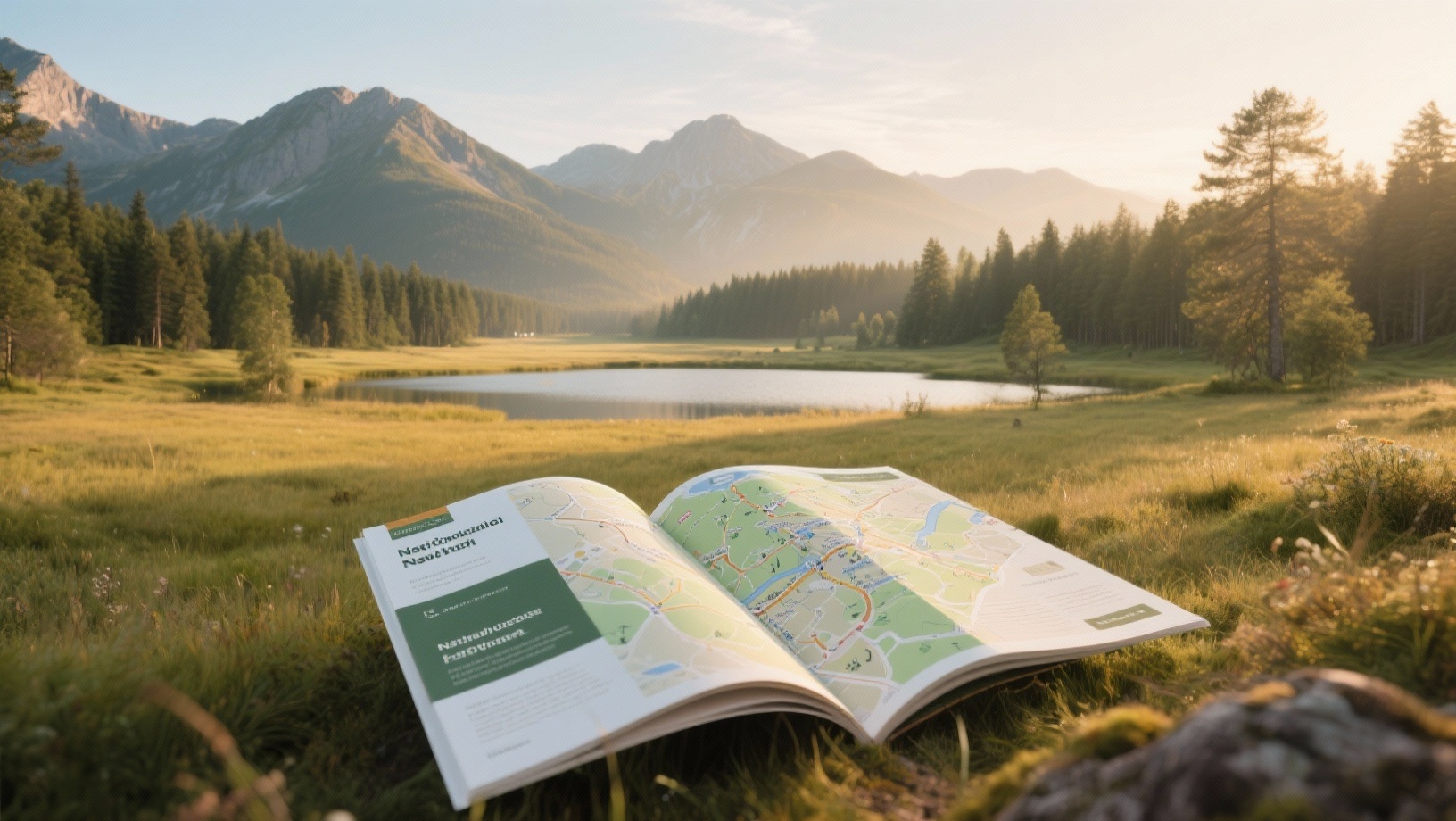
National parks: your guide to the most beautiful nature trips
A trip to national parks offers the most direct and impressive way to experience nature. These protected areas are not just beautiful landscapes; they are carefully managed ecosystems that give you the chance to enjoy the outdoors in a comfortable yet authentic way. For the conscious traveller who charts their own course, national parks are the ideal destination. They combine accessibility with unspoilt nature, allowing you, with the right preparation, to put together a journey full of depth and tranquillity. Discover how to plan your trip to these special places in the best possible way.
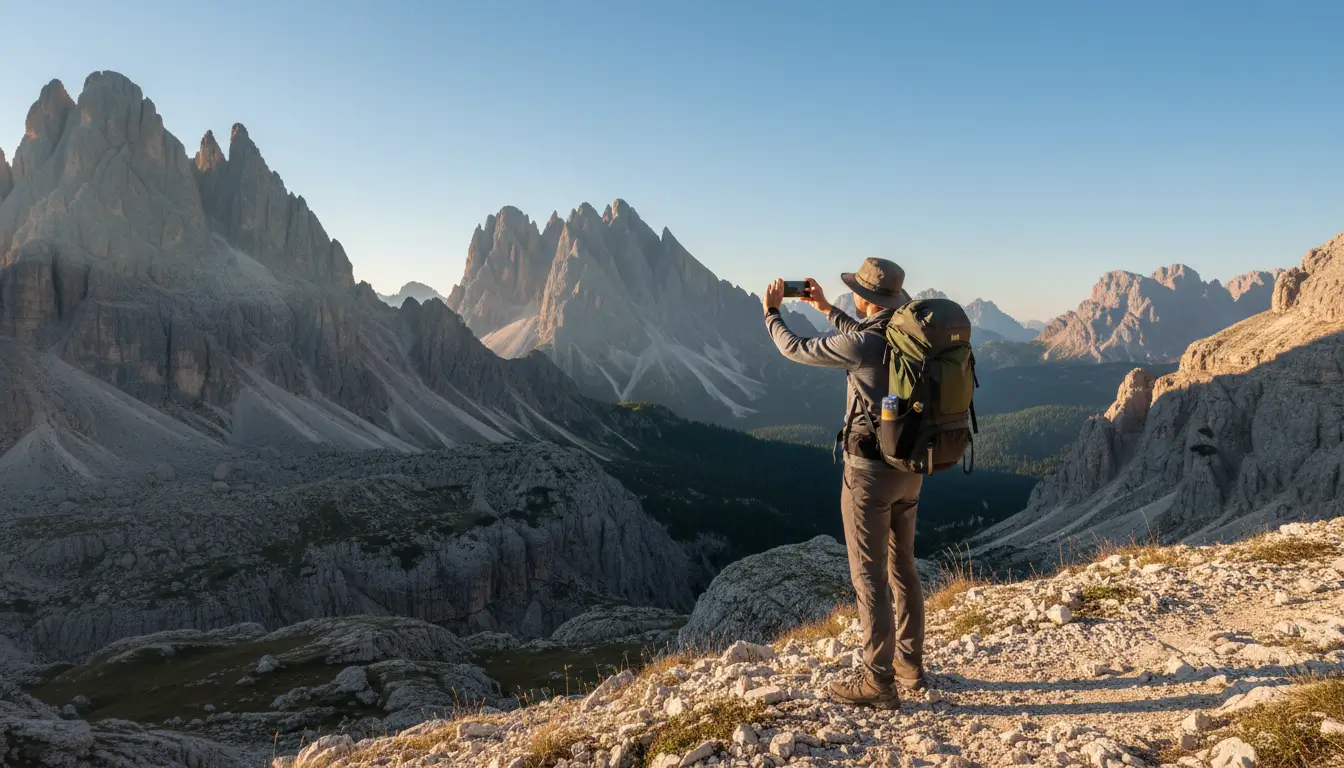
The appeal of these areas is at the heart of many holidays in nature. They offer a structured environment in which you can explore the wilderness at your own pace. Whether you are on a road trip by car along the American west coast, crossing the Swiss Alps by train, or discovering the Dutch heathlands by bike, the parks provide the perfect backdrop. The diversity is enormous: from the watery Biesbosch in the Netherlands to the vast forests of the Hoge Veluwe and the dramatic rock formations in the Dolomites. This variety makes it possible to find a suitable destination for every type of traveller and every season.
What are national parks?
A national park is an area protected by the government, established to preserve its natural, cultural and scenic value for future generations. Its main purpose is twofold: nature conservation and recreation. Parks protect ecosystems, plants and animals, while visitors can enjoy them respectfully without harming nature. Around the world, countries use similar definitions, often based on the guidelines of the International Union for Conservation of Nature (IUCN). This creates a recognisable standard, although each country has its own rules and priorities in management.
‘ Some parks are so large that you could spend weeks there, while others are perfect for a long weekend. ’
Which national park suits your trip?
With thousands of national parks worldwide, the choice can be overwhelming. A good way to start is by deciding what type of landscape and which activities you prefer. Are you looking for peace and vast forests, or rather mountains and active hiking trails? Also think about accessibility and how this fits with your preferred way of travelling.
- For the road tripper: The United States is a classic, with icons such as Zion, Bryce Canyon and the Grand Canyon, all linked by stunning roads. In Canada too, for example with Banff and Jasper, you can map out endless routes.
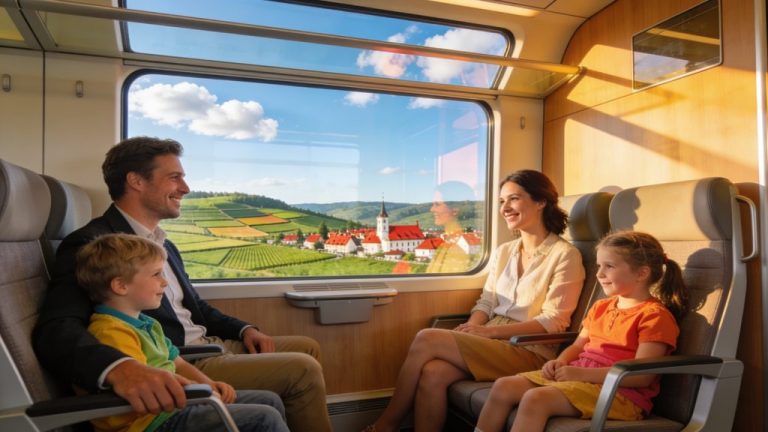
- For the train traveller: Switzerland offers parks such as the Schweizerischer Nationalpark, which are easily accessible by public transport. From a centrally located town you can easily make day trips.
- For cyclists and walkers: Closer to home, the Netherlands and Germany offer accessible parks. Think of the Veluwezoom with its rolling heathland or Germany’s Eifel National Park with its forests and lakes.
How do you plan your visit by season?
The season in which you travel has a major influence on your experience. Spring often brings blossoming flora and animals awakening from hibernation, but can also mean unpredictable weather. Summer is popular and therefore busier, with the advantage that all facilities and roads are open. Autumn offers peace, pleasant temperatures and beautiful colours, while winter can give a sense of isolation and stillness, although some parts of parks may then be closed. Always check the local weather conditions and how busy it is expected to be. In peak season, it is wise to book accommodation and any permits well in advance.
What do you need to know about access and park rules?
Access to national parks is not always straightforward. Many parks, especially in North America, charge an entrance fee per vehicle or per person. It can be cost-effective to buy an annual pass if you plan to visit several parks. In Europe, many parks are free to enter, but you may have to pay for parking. Increasingly, parks operate reservation systems or visitor limits to prevent overcrowding. This sometimes applies to the whole park, or to specific popular hiking routes or sights. Familiarise yourself with the rules in advance. Stay on designated paths, take your rubbish with you and respect the animals by keeping your distance. These rules are there to protect nature and to keep your visit safe.
‘ That is where you’ll find the tranquillity and unspoilt nature that make these areas so special. ’
Discovering the highlights: from panoramic routes to hidden gems
Every national park has its own iconic sights. These might be waterfalls, glaciers, viewpoints or striking rock formations. These places are often easily accessible via main roads or marked hiking trails. A smart approach is to combine well-known highlights with lesser-visited spots. Panoramic driving routes, such as Tioga Road in Yosemite or the Grossglockner High Alpine Road in Austria, offer a comfortable way to see a lot of the landscape in a short time. For a deeper experience, choose a longer hike that takes you further away from the crowds. That is where you’ll find the tranquillity and unspoilt nature that make these areas so special.
How do you plan your route by car, train or for a road trip?
Good logistical planning is the basis for a relaxed trip. If you are travelling by car, research the parking options at popular starting points. There are often shuttle buses that take you from a larger car park to different locations in the park. This is not only practical, but also better for the environment. For train travellers, it is important to find out how to get from the nearest station to the entrance of the park; sometimes there are special bus services. Make sure you download maps of the area for offline use, as mobile reception is unreliable in many natural areas. Sketch out your route in broad terms, but leave room for spontaneity. Sometimes the most beautiful place is one you stumble upon by chance.
Why are visitor centres your ideal starting point?
The visitor centre is more than an information desk; it is the logistical and educational heart of a national park. Here you will find up-to-date information on the condition of roads and trails, warnings about changes in the weather and recent wildlife sightings. Rangers can give you personal advice on routes that match your fitness level and the time you have available. Visitor centres often offer exhibitions on geology, flora and fauna, which add context and depth to your visit. It is the ideal first stop to get your bearings, pick up a detailed map and learn about the park’s unique features.
‘ Your respectful behaviour makes the difference. ’
How do you travel sustainably and responsibly through national parks?
As a visitor to a national park, you have a responsibility to help preserve it. This goes beyond simply taking your rubbish away with you. Choose reusable water bottles and food containers to minimise waste. Respect the local culture and economy by using services provided by local businesses around the park. Wherever possible, use public transport or the shuttle buses that many parks offer. By being mindful of your impact, you help ensure that future generations can also enjoy these magnificent landscapes. Your respectful behaviour makes the difference.
Your journey into the wilderness starts here
A visit to a national park is an investment in peace, knowledge and experience. With the right planning, it becomes a trip you won’t soon forget. Whether you choose the expansive heathlands of the Netherlands, the rugged coasts of Scotland or the immense canyons in the United States, the principles of good preparation remain the same. Use this guide as a starting point, explore the specific features of your chosen destination and set off. Nature is ready and waiting to be discovered, in a way that suits you.