
 NL
NL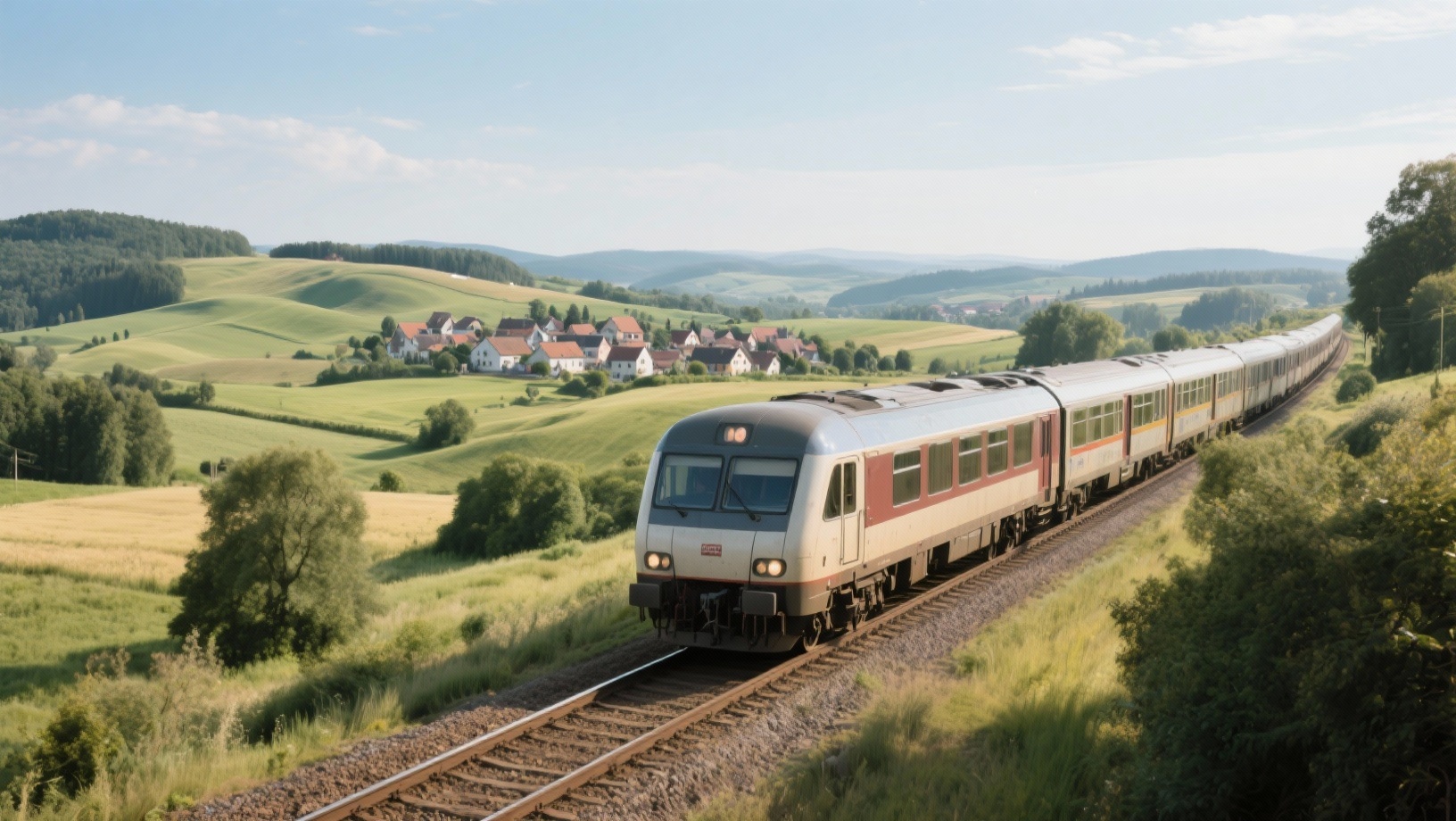
A rail journey through this part of Europe is not just transport; it is an experience, with the landscape slowly passing you by. From the stately architecture of Vienna to the rugged peaks of the Alps, the train takes you there in comfort and with great efficiency. Discover how to put together the ideal route for an unforgettable and well-organised holiday.
Why travel by train through Central Europe?
With its dense rail network and varied landscapes, Central Europe is perfectly suited to a rail holiday. The train connects historic cities and unspoilt nature in a sustainable and relaxing way. You avoid the crowds at airports and the stress of driving. While you sit comfortably in your seat, river valleys, mountains and charming villages glide past. You often arrive right in the heart of the city, ready to explore your destination. With the growing number of night trains, it is becoming even easier to cover long distances while you sleep. That way, you make the most of your travel time.
‘ These cities, rich in culture and history, are excellently connected to each other by train. ’
Classic route past the imperial cities
One of the most popular routes links the historic capitals: Berlin, Prague, Budapest and Vienna. These cities, rich in culture and history, are excellently connected to each other by train. The journey from Prague to Budapest is particularly worthwhile. This ride takes seven hours. You travel through the hilly landscapes of the Czech Republic and Slovakia, partly along the Danube. The train also stops in Bratislava, giving you the opportunity to visit the Slovak capital. Plan at least two to three days for each city. That way, you can really soak up the atmosphere and see the main sights.
Route idea: Berlin to Vienna
- Berlin – Prague: A direct connection of 4.5 hours. You travel from the dynamic German capital to the historic centre of Prague.
- Prague – Budapest: Enjoy the views of the countryside. In 7 hours you travel to the ‘Pearl of the Danube’.
- Budapest – Vienna: A short journey of less than 3 hours takes you to the city of classical music and impressive palaces.
Panoramic Alpine journeys
For those in search of nature and breathtaking views, the Alps offer countless possibilities. The Transalpin route, which runs from Graz in Austria to Zurich in Switzerland, is an excellent example. This nine-hour daytime journey takes you through deep gorges and along crystal-clear blue rivers. The spectacular views of the Alps are unforgettable. A stop in Innsbruck is highly recommended for anyone wanting to experience the atmosphere of Tyrol. Another world-famous route is the Glacier Express in Switzerland. This eight-hour journey from Zermatt to St. Moritz is a very special experience. You travel through 91 tunnels and across 291 bridges.
The romance of the Rhine Valley
A shorter but equally impressive route is the ‘Linke Rheinstrecke’ in Germany. This three-hour stretch between Cologne and Mainz follows the western bank of the Rhine. The landscape is known for its many castles, steep vineyard slopes and picturesque half-timbered villages such as Bacharach and Boppard. Trains run frequently. You can easily get off to explore one of the villages or take a boat trip on the Rhine. This route is perfect for a shorter journey or as part of a longer rail holiday through Germany.
‘ Good preparation is half the work. ’
Travelling efficiently with the night train
Night trains are a smart way to make the most of your travel time. You board in the evening and wake up the next morning feeling refreshed at your destination. This saves you a day of travelling and a hotel stay. The European Sleeper connects Brussels and Amsterdam with Berlin and Prague. This connection is ideal for starting your journey through Central Europe. The network of night trains will continue to expand in the coming years. Planned routes such as Amsterdam-Barcelona and Prague-Copenhagen are due in 2026. This makes it increasingly easy to plan a flight-free holiday.
Tips for a well-planned rail holiday
Good preparation is half the work. With these practical tips you will get the most out of your journey.
- Booking tickets: Consider an Interrail or Eurail Pass if you are planning to travel a lot. For a single journey or a limited number of trips, you will often find cheaper individual tickets via the national rail companies. Book seat reservations, especially for popular routes and panoramic trains, several months in advance.
- Best time to travel: The period from May to October is ideal for Alpine routes due to the clear views. For city trips, spring and autumn are more pleasant.
- Luggage and comfort: Travel with a manageable suitcase, as storage space on trains can be limited. Take a power bank for your electronics and some snacks and drinks for the journey.
On the Traveler Tips website you will find many more articles to help you plan your ideal trip. Detailed route descriptions for a road trip, information about the best time to travel to a destination, or practical checklists for your luggage: there you will find the reliable and in-depth information you need. Discover more and turn your next holiday into a perfectly organised experience.
Frequently asked questions
The Glacier Express in Switzerland crosses spectacular Alpine passes, while the Transalpin between Graz and Zurich impresses with its Alpine gorges and river valleys. The Linke Rheinstrecke in Germany offers picturesque Rhine valleys, castles and vineyards. A unique experience is the train journey from Belgrade to Bar, which leads through deep gorges to the Adriatic coast. For a sustainable and comfortable journey, the European Sleeper night train from Amsterdam to Prague offers a special way to discover Central Europe.
Optimise your rail holiday in Central Europe by choosing panoramic routes such as the Glacier Express or Transalpin, which combine comfort with breathtaking views. Make use of the flexibility of Interrail/Eurail Passes and plan night trains for efficient travel between cultural highlights. Reserve popular trains and panoramic carriages early, and combine them with local trains and bike hire for a deeper cultural experience. Travelling between May and October offers clear views, while travelling by train is also a sustainable choice.
The Interrail/Eurail Pass is the most economical and flexible option for an extensive exploration of Central Europe by train, starting from around €200 for 7 days of unlimited travel. For extra flexibility and comfort, regional trains are inexpensive (€10–30 per day), and it is advisable to book night trains such as the Nightjet or European Sleeper in advance via apps. Panoramic trains should be reserved 2–3 months ahead, especially for popular routes such as the Glacier Express. Travelling between May and October is recommended for the best views, and opting for sustainable night trains saves CO2 and ensures you arrive well rested.
For first-time train travellers in Central Europe, an Interrail/Eurail Pass and early reservations for panoramic trains and night trains (via Nightjet or European Sleeper) are essential tips. Travel preferably between May and October for the best views and take an adaptor, snacks and a power bank with you. Choose night trains for sustainability, and consider regional trains to save costs, possibly combined with bike hire.
In Central Europe, several train routes are known for their exceptional service and special features. The Glacier Express in Switzerland, for example, offers panoramic views over the Alps and valleys, while the Transalpin between Graz and Zurich runs through impressive Alpine gorges and river valleys. For a historic experience, the Linke Rheinstrecke in Germany, with its castles and vineyard slopes, is highly recommended. In addition, night trains such as the European Sleeper (Amsterdam/Brussels – Prague) and future routes such as Amsterdam – Barcelona and Prague – Copenhagen are expanding the range of sustainable and comfortable long-distance journeys.