NL
NL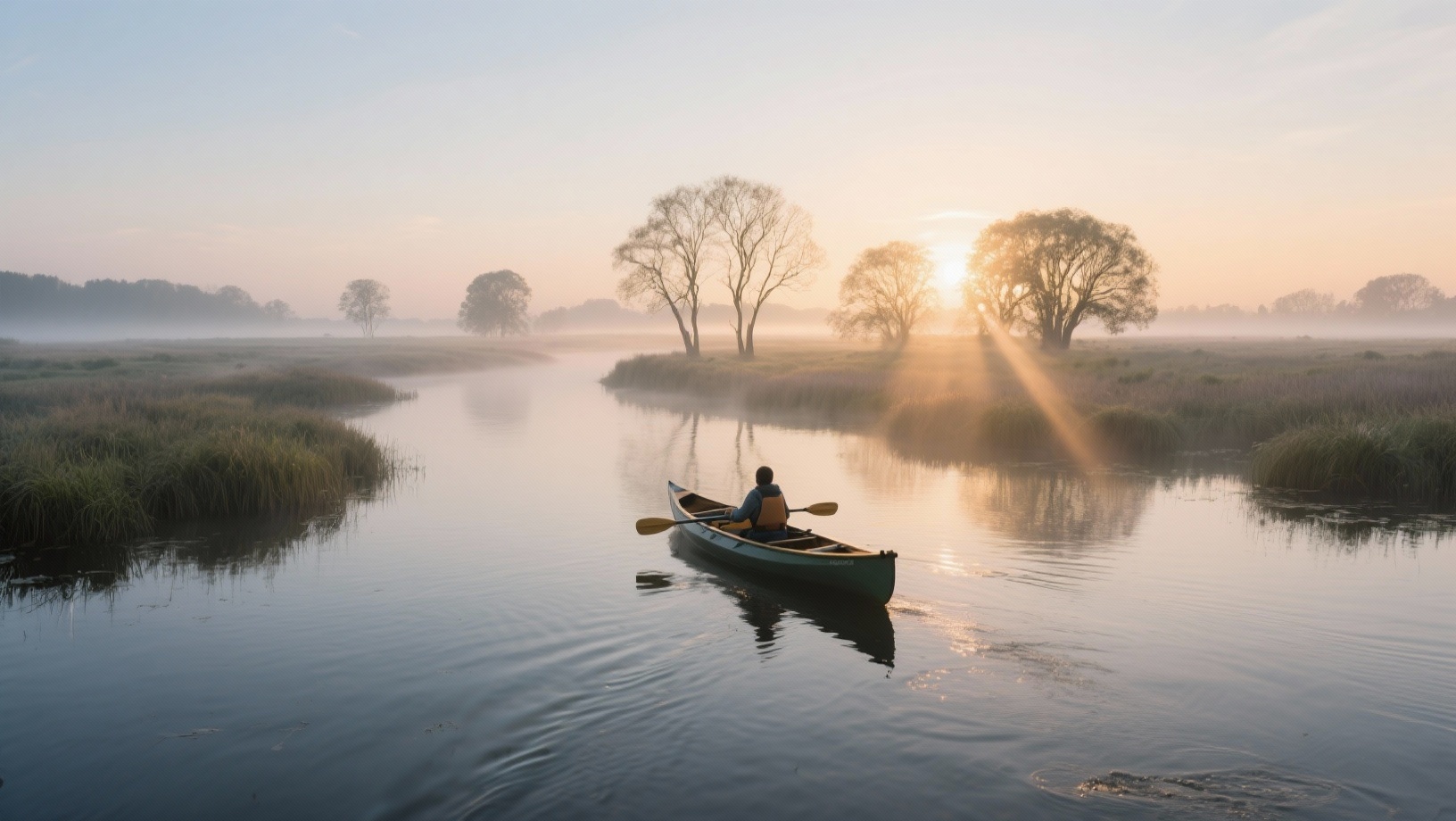
De Biesbosch National Park is a watery maze where you glide through creeks by canoe, spot birds and beavers, and find tranquillity in a landscape that is constantly on the move. Good preparation is half the battle if you want to fully experience this freshwater tidal area. Discover here how to organise your visit, from popular boating routes to an overnight stay in the heart of nature.
What is De Biesbosch National Park?
On the border of South Holland and North Brabant lies one of the few freshwater tidal areas in Europe. De Biesbosch National Park is a network of rivers, islands and willow tidal forests covering around 8,000 hectares. Since 1994 it has held National Park status, which protects its natural value. The landscape here shifts with ebb and flow, so no visit is ever the same. This water-rich area is ideal for travellers who love nature, peace and active exploration.
‘ The narrow creeks and ditches take you to places that are unreachable on foot. ’
Explore the Biesbosch from the water
The best way to experience the Biesbosch is from the water. The narrow creeks and ditches take you to places that are unreachable on foot. You can choose from various types of boats, depending on your group and your wishes. A canoe or kayak gives you a direct nature experience, while an electric whisper boat offers more comfort, which is ideal for a family or if you plan to be out for longer.
Canoe routes for beginners and experienced paddlers
Paddling through the Biesbosch gives a sense of freedom. All you hear is the sound of your paddle in the water and the birds around you. For novice canoeists there are clear, shorter routes starting from the visitor centres. These routes are easy to navigate and take you through picturesque parts of the park without the risk of getting lost. Experienced paddlers chart their own course and head deeper into the wilderness, where the creeks become narrower and the nature more unspoilt. A good water map is indispensable for this. Make sure you are prepared for the tides; the water level can sometimes vary considerably.
Boating in the Biesbosch with children
A day on the water is an adventurous experience for children. To keep it fun and safe for everyone, good planning is important. Choose a stable whisper boat instead of a canoe if you are with young children. These boats are easy to handle and offer more space. Plot a short route with plenty of breaks. There are various mooring spots where you can have a picnic or stretch your legs. Turn it into a voyage of discovery: take binoculars and a bird guide and see who can spot the most waterbirds. Make sure everyone wears a life jacket, even if they can swim well.
Meet the inhabitants of the Biesbosch
The Biesbosch is home to a great diversity of animals. The most iconic inhabitant is the beaver. With its constructions this animal has a major impact on the landscape. Your best chance of seeing a beaver is at dusk, both in the early morning and in the evening. From the water in a canoe or whisper boat you can silently approach the beavers’ habitats. Look out for gnawed tree trunks and the lodges along the banks.
Besides beavers, the park is a paradise for bird lovers. Hundreds of bird species breed here, including the kingfisher and the white-tailed eagle. With its impressive wingspan, the white-tailed eagle is a spectacular sight above the water. Take binoculars so you can observe the birds properly without disturbing them.
On foot through the wilderness
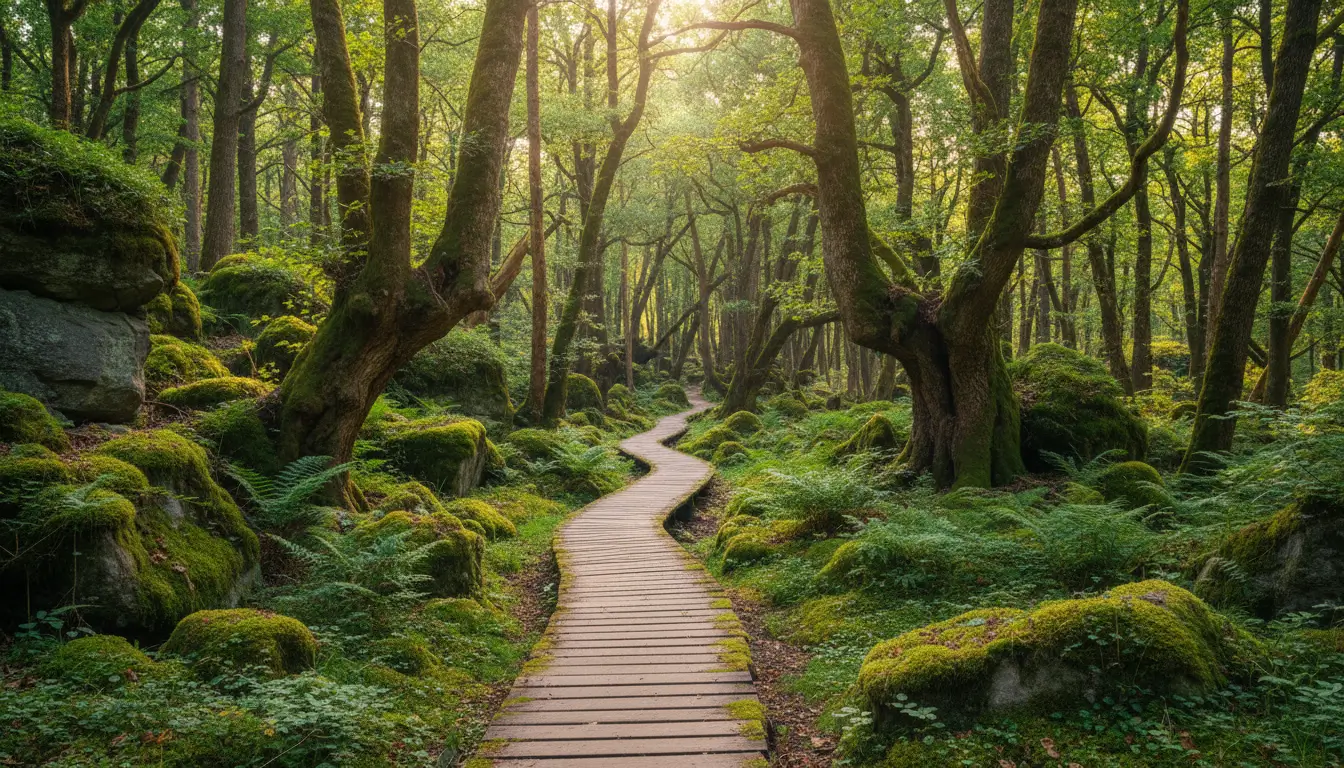
Although the Biesbosch is mainly a water landscape, there are also plenty of opportunities for walking. There are walking routes of various lengths, ranging from short circular walks to full-day hikes. Walking with a forest ranger from Staatsbosbeheer (the Dutch Forestry Commission) adds an extra dimension to your visit. A guide points out animal tracks, tells you about the plants you encounter along the way and shares stories about the history of the area. This is a good way to learn more about the Biesbosch ecosystem.
‘ Spending the night in a hut like this means waking up to birdsong and the silence of nature. ’
Staying overnight in the Biesbosch
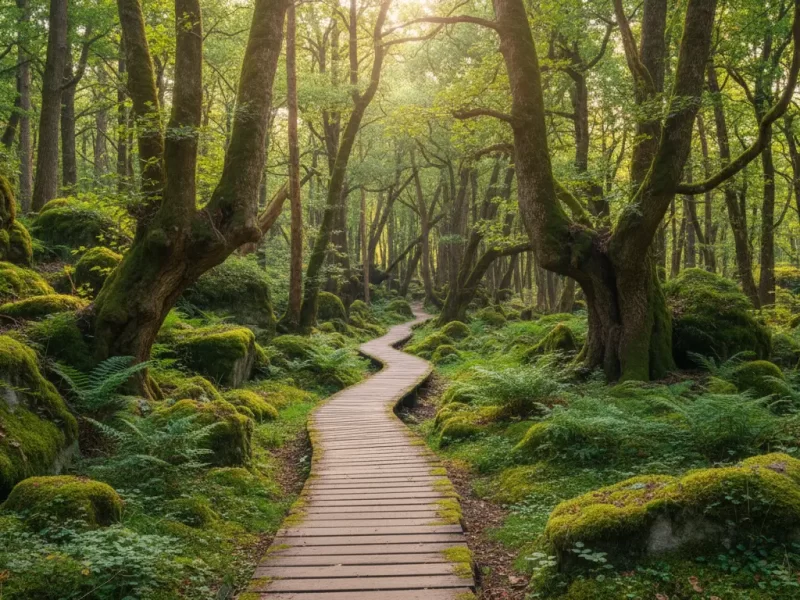
To really get to grips with the nature of the Biesbosch, an overnight stay in the area itself is highly recommended. Scattered across the park you will find simple but atmospheric accommodation such as fishermen’s huts or small-scale B&Bs on the edge of the park. Spending the night in a hut like this means waking up to birdsong and the silence of nature. You experience the mood of the morning mist above the water and have the best chance of spotting wildlife in the early hours. These accommodations usually offer the basic facilities you need for a comfortable stay, right in the middle of nature.
Plan your visit to the Biesbosch
Good preparation makes your visit to De Biesbosch National Park more enjoyable. The visitor centres in Dordrecht and Drimmelen are the starting points for many routes and activities. Here you will find maps, you can hire a canoe or boat, and you will receive up-to-date information about the conditions of the paths and waterways.
What should you take with you for a day in the Biesbosch?
- Waterproof clothing and footwear, as the weather can change quickly.
- Enough water and food, as there are few cafés or restaurants in the park itself.
- Binoculars and a camera for spotting wildlife.
- Sun cream and a hat or cap, as you can burn quickly out on the water.
- A water map if you want to leave the marked routes.
The park is accessible all year round, and each season has its own character. Spring and summer are ideal for boating, while autumn and winter are especially beautiful for walks and spotting overwintering birds.
The Biesbosch is one of many destinations where a well-prepared visit makes all the difference. On the Traveller Tips website you will find more in-depth guides and practical advice for planning your trips, whether you are heading off for a weekend close to home or a road trip across Europe. Discover more and travel better prepared with our detailed articles and tips.
Frequently asked questions
By car it is easiest to drive to one of the visitor centres, such as Biesboschcentrum Dordrecht, where you can park easily and set off straight away on walking or boating routes. By train it is best to travel to Dordrecht and then take a bus or taxi from there to the visitor centre. Build the Biesbosch into your road trip as a peaceful stop between city visits, for example between Rotterdam and Breda or Den Bosch. Plan half a day to a full day here for walking, canoeing or joining an organised boat tour.
Canoeing and paddling offer the most complete nature experience in the Biesbosch, ideal for exploring the creeks and wetlands. For a more comfortable experience there are walks and cycle routes, although you should take the tides into account. Water sports and boating are also popular, but it is essential to plan around the tide times. Educational excursions and beaver spotting also contribute to a memorable experience.
For a well-planned visit to the Biesbosch it is essential to check the access rules in advance and contact a visitor centre for up-to-date information on activities. Take tide times into account, especially for water sports and boating, so you can plan your activities properly. Make sure dogs are kept on a lead unless you are in a designated off-lead walking area. Consider visiting in different seasons to experience the diversity of flora and fauna.
The Biesbosch is accessible all year round, with each season offering a unique experience of flora and fauna. For the most impressive experience, canoeing and paddling are highly recommended to discover the creeks and willow tidal forests. Walking, cycling and boat trips through the freshwater tidal area also provide excellent ways to explore the park.