 NL
NL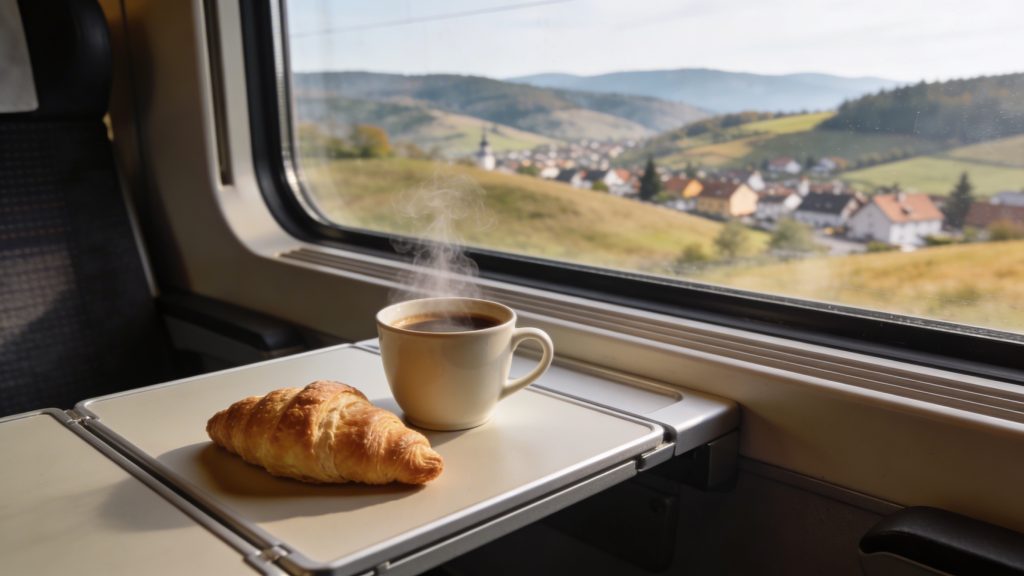
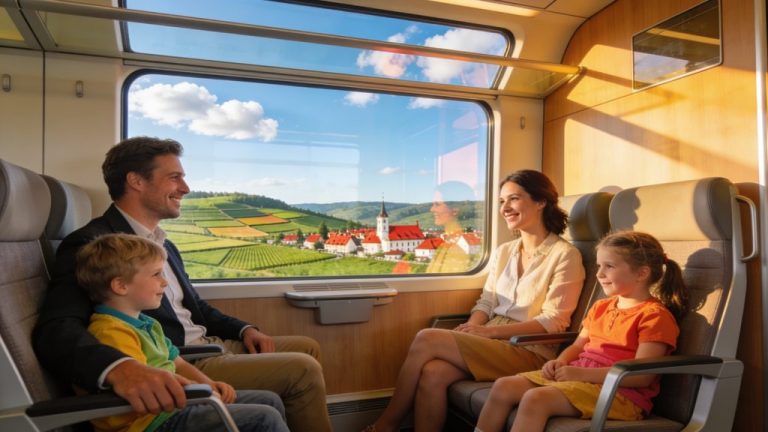
On Central European trains you will often find restaurant cars serving local dishes. With deluxe night train tickets, breakfast is often included. You also have plenty of space for your own snacks, which adds extra variety to your journey.
The culinary experience on board differs per country and train type. With the right preparation, you can enjoy authentic flavours in comfort while you travel. Discover what to expect and how to plan smartly for a tasty train journey.
What you can eat and drink on board
The availability of food and drink depends on the type of train and the route you choose. International trains such as EuroCity, Railjet and ICE usually offer a bistro or restaurant car with hot meals, coffee and snacks. Regional trains generally do not have catering on board. For a Central Europe train holiday, it is sensible to check in advance which facilities are available on your route.
In first class you often get free drinks and small snacks, while in second class you pay for what you consume. Night trains usually offer a light breakfast with sleeper compartments. You order this from the conductor. Think freshly baked bread, butter, jam and coffee or tea served in your compartment.
Bringing your own food and drink is always allowed and many travellers do so. This gives you the freedom to opt for local delicacies bought from station shops, and it also saves you money on longer journeys.
‘ Prices are generally affordable, but it’s also popular to bring Czech bread and beer for a picnic during the journey. ’
Czechia: freshly cooked and affordable
Czech trains operated by České dráhy (the Czech railway company) and RegioJet are known for their good catering. On EuroCity and Railjet trains you will find a restaurant car with freshly cooked meals. From the first Czech stop you can take advantage of breakfast at so-called happy hour prices, which makes it extra affordable.
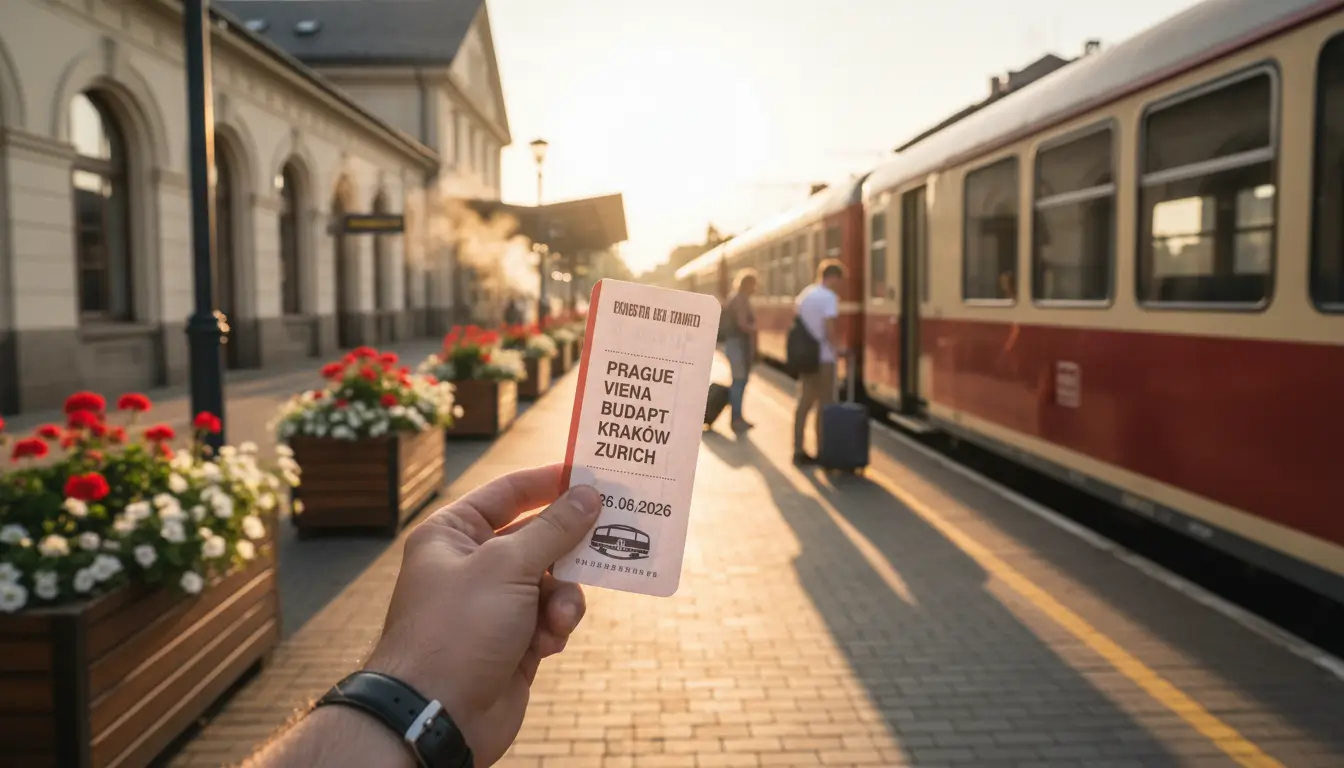
SuperCity and Pendolino trains offer a free drink and cold sandwich in first class. For additional meals you can visit the bistro, where steamed dishes and cold drinks are available. RegioJet has a particularly attractive offer. This train runs, among other routes, between Prague and Budapest via Vienna. All passengers receive free coffee and tea, and in first class you also get bubbles or juice. You can also order sushi and other extras from the train attendant.
On night trains you order meals from the conductor. With a sleeper ticket you get a light breakfast included. Prices are generally affordable, but it is also popular to bring Czech bread and beer for a picnic during the journey.
Germany: BordBistro with quality
Deutsche Bahn trains such as ICE high-speed trains and IC intercity trains have a BordBistro on board. This is a bar-like area where you can order hot and cold meals. You can eat on the spot or take your food back to your seat. The menu offers freshly prepared options, from rolls to pasta and schnitzel.
First class passengers are often offered free non-alcoholic drinks and small snacks during the journey. This makes the difference between first and second class noticeable. A practical tip: reserve a window seat so you can enjoy the passing German landscape while you eat.
Slovakia: full dining cars on international routes
On Slovak routes with EuroCity (international connections), Railjet (fast trains running through several countries) and National Express trains, you will find a full restaurant car. These trains serve hot meals, snacks and a wide range of drinks. The service is comparable to that in Czechia and Austria.
Regional trains within Slovakia have no catering. Here you depend on what you bring yourself. For longer journeys towards Bratislava it is advisable to buy local specialities beforehand. Bryndzové halušky is one such speciality: traditional Slovak potato gnocchi with sheep’s cheese. These dishes are also often available at station kiosks.
‘ Note: you can only pay in cash here, so make sure you have enough money on you. ’
Slovenia: enjoying with views of the Alps
The EuroCity connection between Vienna and Ljubljana has a restaurant car with hot meals and drinks. Note: you can only pay in cash here, so make sure you have enough money on you. Other Slovenian trains usually have no catering on board.
The route through Slovenia offers beautiful vistas of the Alps. While travelling you can enjoy a glass of local wine from the bistro as you take in the view. For shorter journeys within Slovenia it is wise to bring your own rolls or fruit.
What to bring yourself for more variety
Many experienced train travellers deliberately bring their own food. This not only saves you money, it also gives you the chance to try local delicacies bought at station shops or supermarkets. Fresh bread, cheese, cured meats and local beer are popular choices.
On longer journeys through several countries you can combine different local flavours. For example, buy Czech beer in Prague, Austrian strudel in Vienna and Hungarian salami in Budapest. This variety makes your trip more of a culinary experience than if you only used the restaurant car.
Practical items to bring include reusable cups for coffee, a knife for bread and cheese, and a small plate or some napkins. Many intercity trains without a bistro do not have bins in every carriage. So take a small bag for your rubbish.
Premium and first class benefits
In first class or premium compartments (with extra comfort) you often receive additional service. This ranges from included drinks and sandwiches to full meals, depending on the train type and route. On some trains you are served yoghurt, fruit and pastries for breakfast.
RegioJet first class offers free coffee, tea and soft drinks throughout the journey. On German ICE trains in first class, drinks are regularly offered by the train staff. These extras are often included in the ticket price and significantly enhance your travel comfort.
When booking your ticket, check which services are included. This differs per country and railway company. The surcharge for first class can be attractive if you are making a long daytime journey and value comfort and service.
‘ Not all intercity trains have a restaurant car, and regional trains practically never have catering. ’
Paying and practical points to note
On most trains you can pay in cash and by card. In Slovenia and some Slovak trains, however, only cash is accepted, so be prepared for this. Take enough euros with you, as change is sometimes limited.
Check the timetable before you leave. Not all intercity trains have a restaurant car, and regional trains practically never have catering. Railway company apps often indicate whether your train has a bistro or restaurant car.
For night trains it is a good idea to order a light meal from the conductor in advance. This prevents you from having to search for food late in the evening or early in the morning. With deluxe sleeper compartments, breakfast is usually already included in the price.
Tips from experienced train travellers
Travellers who regularly journey through Central Europe recommend always taking some basic supplies with you. Think of water, a few rolls and fruit. This gives you peace of mind, even if the bistro turns out to be closed or the queue is too long.
For routes without a restaurant car, such as regional services or intercity trains in Romania and Bulgaria, you must provide your own food and drink. In that case, plan stops at larger stations where you can buy fresh products. Vienna, Prague and Budapest have excellent station shops with local specialities.
Combine your train journey with culinary stops in the cities along the way. A few hours’ layover in a city gives you the chance to eat locally and at the same time pick up new flavours for the next leg. This makes your trip richer and more varied.
Plan your journey for maximum dining comfort
When putting together your route, deliberately choose trains with dining options if that matters to you. Railjet and EuroCity connections offer the best catering, while regional trains provide a simpler experience where you have to arrange food and drink yourself.
Take your journey time and mealtimes into account. An early morning trip benefits from a train with breakfast service, while an evening journey is better suited to your own picnic with local delicacies bought during the day. Flexibility and good planning ensure that you travel in comfort and stay well fed.
On the Traveler Tips website you will find extensive information about train routes through Central Europe, practical planning tips and destination guides. These articles help you prepare your journey even better. Discover more useful articles and turn your train holiday into an unforgettable experience.
Frequently asked questions
Not all Central European trains have restaurant facilities or a mini-bar service. Long-distance trains such as EuroCity, Railjet, ICE and some night trains usually have a dining car, bistro or trolley service. Regional trains and many other services often offer no catering at all. So bear in mind that options may be limited and take your own food and drink with you just in case.
On Central European trains (such as ICE, Railjet, EuroCity) you can usually get simple hot meals (e.g. pasta, schnitzel), sandwiches, snacks and sweets, plus coffee/tea, soft drinks, beer and sometimes wine in bistro or restaurant carriages. In first class, drinks and light snacks are sometimes included. Regional trains often have no catering, which is why many travellers bring their own food and drink. Prices on the train are generally a bit higher than in supermarkets or kiosks at the station, but are usually still reasonable compared with cafés.
On Central European trains it is generally both allowed and very common to bring your own food and drink. This is often actually advisable, especially on regional trains without a bistro or restaurant carriage. Do make sure you don’t create strong smells and that you dispose of your rubbish properly. Alcohol is usually permitted, but excessive consumption or misbehaviour can be dealt with by the train staff.
Plan your route so that the longest legs are with a bistro or dining car (e.g. Railjet, EuroCity, ICE) and use those for one hot main meal per day. Before departure, buy bread, fillings, fruit, nuts and large bottles of water from a supermarket or station bakery; this is much cheaper than on board and means you always have a back-up. Take a reusable bottle to refill at stations and top up your snacks after each longer stop so that you are never dependent on expensive or non-existent catering. Mix local delicacies (cheese, cured meat, pastries) with long-life basics (muesli bars, instant soup, instant coffee/tea) for comfort on a limited budget.
Yes, there are several train routes and companies in Central Europe known for their special culinary experiences on board. In particular, the EuroCity and Railjet trains (including in Czechia, Slovakia and Austria) offer full restaurant carriages with freshly cooked meals and regional specialities. RegioJet on the Prague–Vienna–Budapest route is also known for its service, including free coffee/tea and extra snacks such as sushi. In addition, German ICE and IC trains with their BordBistro offer a relatively extensive menu of hot and cold dishes.