NL
NL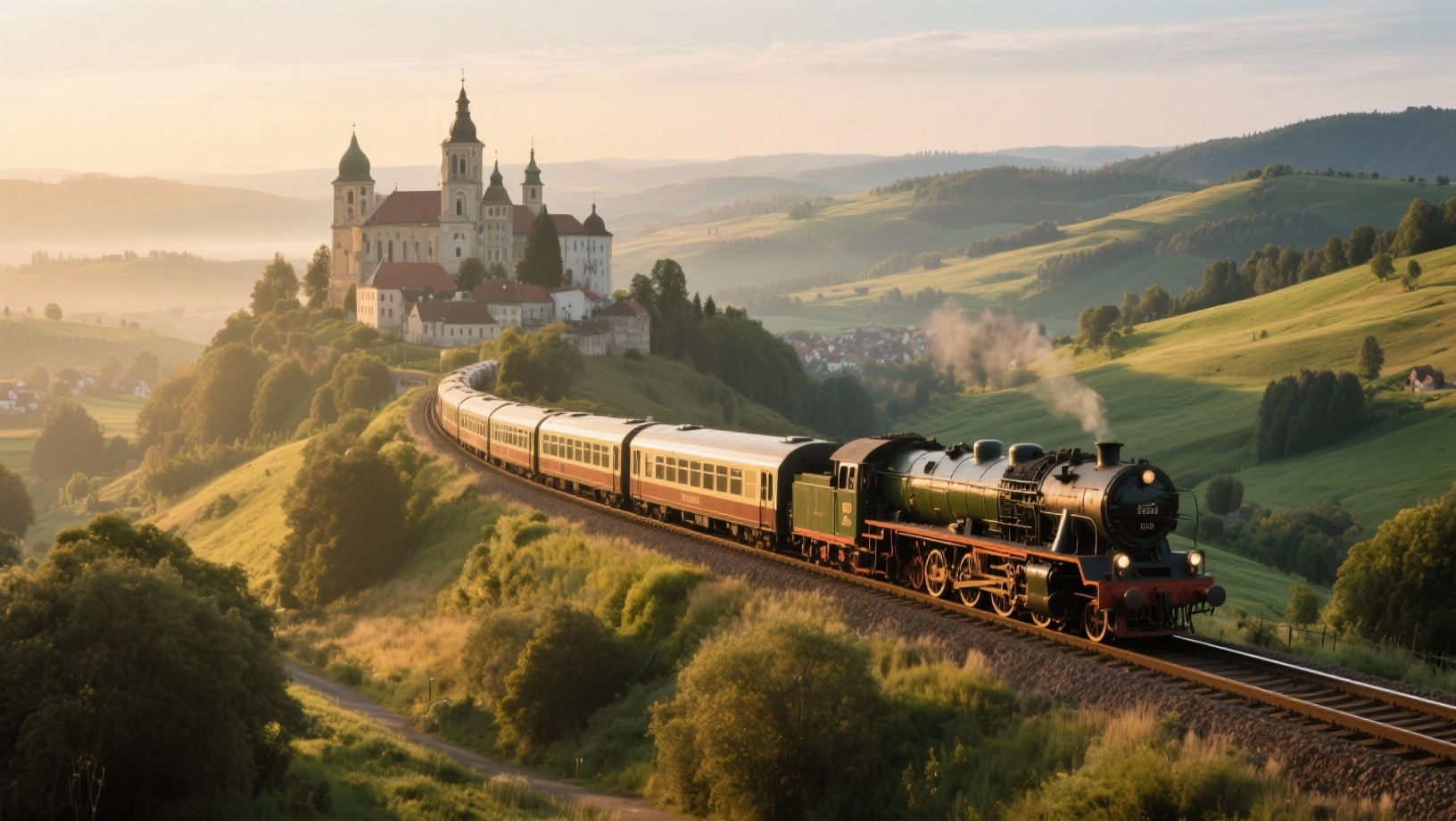
A train journey through Central Europe is not just transport; it is an uninterrupted panorama of history and nature. The top sights along train routes in Central Europe are often already visible from the train, turning the journey itself into a destination. How a simple transfer becomes an unforgettable experience is evident from the many highlights along the way.
The classic route: Berlin, Prague, Vienna and Budapest
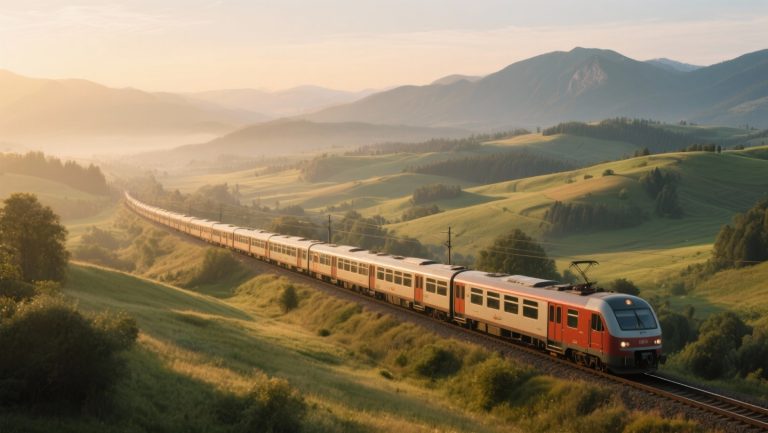
One of the most popular train routes through Central Europe links the historic capitals Berlin, Prague, Vienna and Budapest. This route is not only efficient, but also strings together a chain of cultural highlights. The train glides through varied landscapes, from the forests of Germany to the rolling hills of the Czech Republic and the banks of the Danube.
As the train travels from one city to the next, the view is constantly changing. The architecture of the villages and towns you pass tells its own story. Without even getting off, you can already see the outlines of Prague Castle or the impressive Hungarian Parliament Building dominating the skyline on arrival. It is a journey that offers a comfortable introduction to the heart of the region.
Views between Prague, Bratislava and Vienna
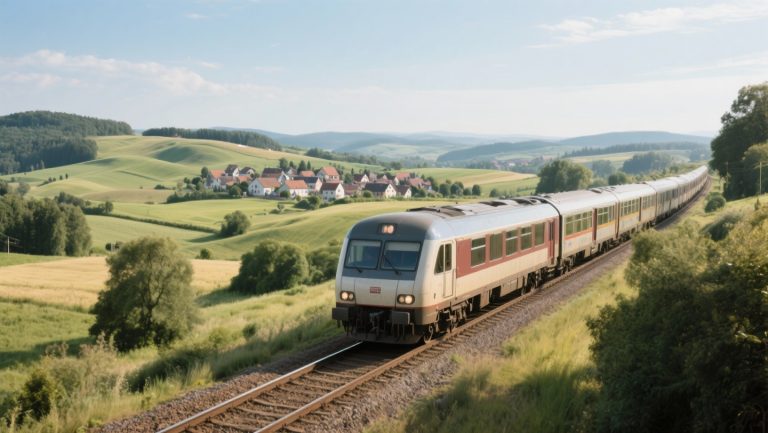
The stretch between Prague, Bratislava and Vienna is particularly popular thanks to the short journey times and beautiful views. Between Prague and Bratislava, the train crosses the South Moravian countryside, known for its vineyards and gently rolling hills. Here the track partly follows the course of rivers and offers a calming picture of the countryside.
The ride from Bratislava to Vienna is short but impressive. As you leave Bratislava, Bratislava Castle is visible high above the city. Shortly afterwards, the train crosses the Danube, a foretaste of the imperial splendour that Vienna has to offer. The arrival in Vienna itself is already an experience, as the suburbs give way to the stately architecture of the Austrian capital.
‘ Good planning and a seat on the right side of the carriage can significantly enrich the journey. ’
What is visible directly from the train?
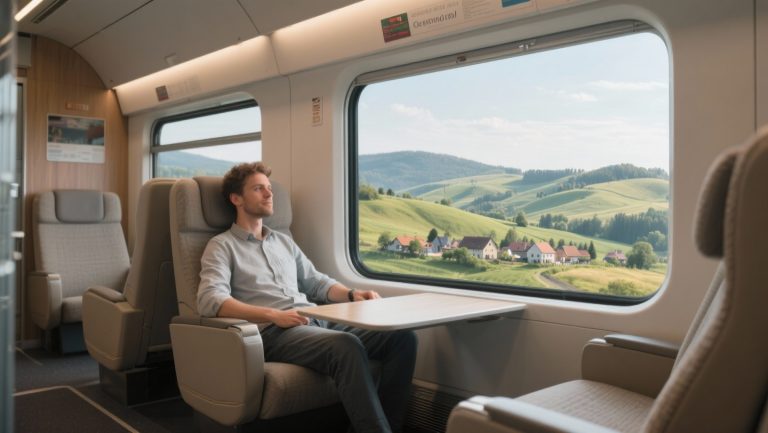
Much of the charm of a train journey through Central Europe lies in the sights that are visible without leaving your seat. Good planning and a seat on the right side of the carriage can significantly enrich the journey. Here are some of the highlights you can spot along the way.
- The banks of the Danube: Especially on the route between Vienna and Budapest, the track follows the iconic river for long stretches. Small villages, castles and a wide river landscape glide past.
- The High Tatras mountains: If the route runs via Slovakia or the south of Poland, for example towards Kraków, the imposing peaks of the High Tatras are visible in the distance. This mountain range forms a natural border and provides a spectacular backdrop.
- City skylines: The moments just before arrival and just after departure are often the most impressive. The skyline of Prague with Charles Bridge and the Castle, or the view of Budapest with the Parliament Building and Fisherman’s Bastion when crossing one of the Danube bridges, are breathtaking sights.
Stops that enrich the journey
Although there is plenty to see from the train, some places are worth interrupting the journey for. Thanks to the flexibility of train travel, it is easy to plan a stop of a few hours or a whole day to explore a city or region in more depth. Stations are almost always in the city centre, which makes a short exploration very practical.
Kraków: more than just a stopover
Kraków is a city that deserves a visit. Located on the route between Prague and Budapest or Warsaw, this Polish city offers a deep dive into history. The old town is on the UNESCO World Heritage List and is compact enough to explore in a day. Wawel, the royal castle that watches over the city, and the atmospheric streets of the old Jewish district of Kazimierz are highlights.
For those with more time, Kraków is a base for impressive excursions. The Wieliczka Salt Mine reveals an underground world of salt sculptures and chapels. The Auschwitz-Birkenau State Museum offers an intense but important experience that sheds light on the darkest pages of European history.
Bratislava: compact and charming
Between the metropolises of Vienna and Budapest lies the Slovak capital Bratislava. It is a perfect city for a short stop. The historic centre is car-free and atmospheric, with lively cafés and well-preserved 18th-century buildings. A walk up to the castle offers wide-ranging views over the city and the Danube. Within just a few hours you can gain a good impression of the city and continue your journey in a relaxed way.
Planning for the best experience
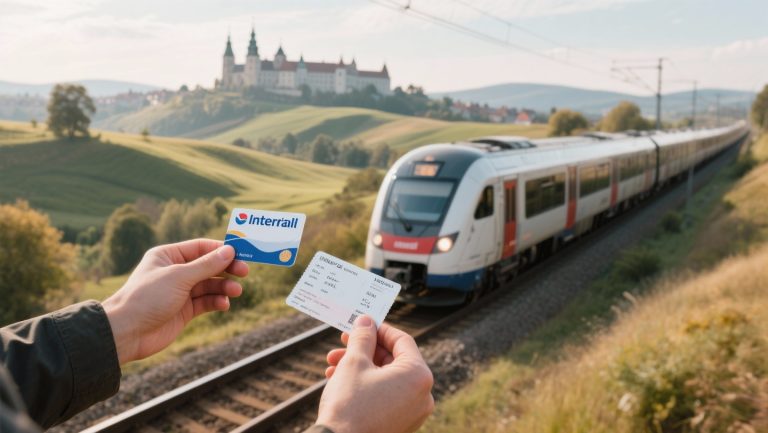
Good preparation helps you get the most out of your train journey. Research in advance which side of the train offers the best views on a specific stretch. Reserving a seat can then be a smart investment. Anyone planning to visit several cities can consider an Interrail Pass; this gives you the freedom to make spontaneous stops wherever you like.
The journey itself is an important part of the holiday. By consciously choosing the train, you opt for a comfortable and sustainable way of travelling in which the landscape and culture of Central Europe really come into their own. Once you step on board, you simply watch the sights roll by.
This article is only a starting point for a train journey through Central Europe. On the Traveller Tips website you will find much more practical information and in-depth knowledge about planning train routes, choosing the right tickets and discovering the most beautiful destinations. Discover more and turn your next trip into a perfectly organised experience – it is well within reach.
Frequently asked questions
Popular sights in Central Europe that lie directly on major train routes and are easily accessible include Charles Bridge in Prague and Wawel in Kraków. Schloss Schönbrunn and St Stephen’s Cathedral in Vienna, and the Parliament Building and Széchenyi Baths in Budapest are also easy to reach by train. These cities, including Berlin, form a popular Interrail route that offers a rich mix of history and culture. Train stations are often located in the heart of the city, which increases the accessibility of these attractions.
To efficiently combine a train route with several sights, it is advisable to follow popular routes such as Berlin–Prague–Kraków–Vienna–Budapest, which offer a good mix of cities and culture. Plan your journey in advance, consider an Interrail Pass for multiple countries, and book accommodation close to centrally located stations. The table with recommended lengths of stay per city helps you organise your time efficiently. Train stations often offer information desks for city maps, and direct connections between cities allow you to make the most of your time.
Yes, the train route Berlin – Prague – Kraków – Vienna – Budapest is a sight in itself. Along this route you will find interesting stops such as Charles Bridge in Prague, Wawel Castle in Kraków, Schloss Schönbrunn in Vienna and the Parliament Building in Budapest. In addition, Bratislava, with Bratislava Castle, also offers historic charm. Another highlight is the Begijnhof in Bruges.
To smartly plan your visit to sights directly from the train station, it is advisable to book accommodation in central districts close to the station for easy access. Many train stations offer information desks where you can pick up city maps to help you find your way. Consider an Interrail Pass for multiple countries and plan your journey in advance to secure the best connections and fares. This ensures that you can travel efficiently and in a relaxed way.