 NL
NL
Planning a city break from the Netherlands to German cities by train is a great choice for anyone who wants to travel comfortably, efficiently and in a relaxed way. You arrive right in the heart of the city, avoid traffic congestion and the journey itself becomes part of your holiday. Discover the best connections, smart booking tips and how to make your trip run smoothly.
The main rail connections to Germany
The German rail network is well connected to the Netherlands, mainly via the high-speed ICE International train. This train forms the backbone of international rail traffic and takes you quickly to various major cities. The most important departure stations in the Netherlands are Amsterdam Central, Utrecht Central and Arnhem Central.
To Berlin and Hamburg: direct and affordable
Berlin is one of the most popular destinations for a city break. The existing direct connection will be further expanded in the future. From 2026, for example, GoVolta will start operating direct trains from Amsterdam. These journeys are expected to take around six hours, getting you to the German capital in a reasonable time. Hamburg will also be directly accessible with these new services.
The current direct IC service to Berlin takes a little longer, but has the advantage that you travel without changing trains. This saves time and reduces the stress that a transfer can bring, especially if you are travelling with luggage.
By ICE to Frankfurt and Munich
For destinations deeper into Germany, such as Frankfurt am Main and Munich, the ICE is the best option. Several times a day trains depart from Amsterdam that take you quickly and comfortably to the south of Germany.
- Frankfurt: The journey to Frankfurt, the financial heart, takes around four hours. The train also stops at Frankfurt Airport, which offers a convenient transfer option for further travel.
- Munich: A train journey to Munich is a longer trip – allow around eight to ten hours of travel time. Even so, it is a comfortable way to cover the distance. You travel during the day and watch the landscape go by. Connections are getting faster and faster, so travel times will probably become shorter in the future.
Regional connections in the border area
It is not just the big cities that are easy to reach. Investment is also being made in regional connections. From 2026 there will be an hourly direct train between Coevorden and the German town of Bad Bentheim. This line connects to the Dutch Vechtdal line network and from Bad Bentheim it offers direct connections to cities such as Hanover, Bremen and Berlin. It is a good alternative for travellers from the east of the Netherlands who want to leave the car at home.
‘ For most international train journeys the rule is: the earlier you book, the lower the price. ’
Booking your train tickets smartly: practical tips
Good preparation is half the battle, especially when it comes to booking train tickets. Prices can vary considerably depending on when you book and which route you choose. With the right approach you save money and travel more smartly.
Booking early pays off
For most international train journeys the rule is: the earlier you book, the lower the price. Deutsche Bahn, for example, offers ‘Super Sparpreis’ tickets. These are often available from just a few tens of euros if you book several months in advance. These tickets are tied to a specific train and time, so your flexibility is limited.
Use the right channels
You can easily book your tickets via the NS International website or app. They provide an overview of most connections and operators. Sometimes it can also be worthwhile to look directly at the German railways (DB), especially for domestic routes within Germany. For the new connections to Berlin and Hamburg you can also consult the GoVolta website.
Consider the Deutschland-Ticket
Are you planning a longer trip through Germany, or do you want to visit several cities? Then the ‘Deutschland-Ticket’ (D-Ticket) can be a good-value option. For a fixed monthly amount (currently €49) you can travel unlimited on all regional public transport in Germany. Note: high-speed trains such as the ICE are excluded, but for day trips from a fixed base or for exploring a region it is a perfect solution.
The travel experience: why the train is a smart choice
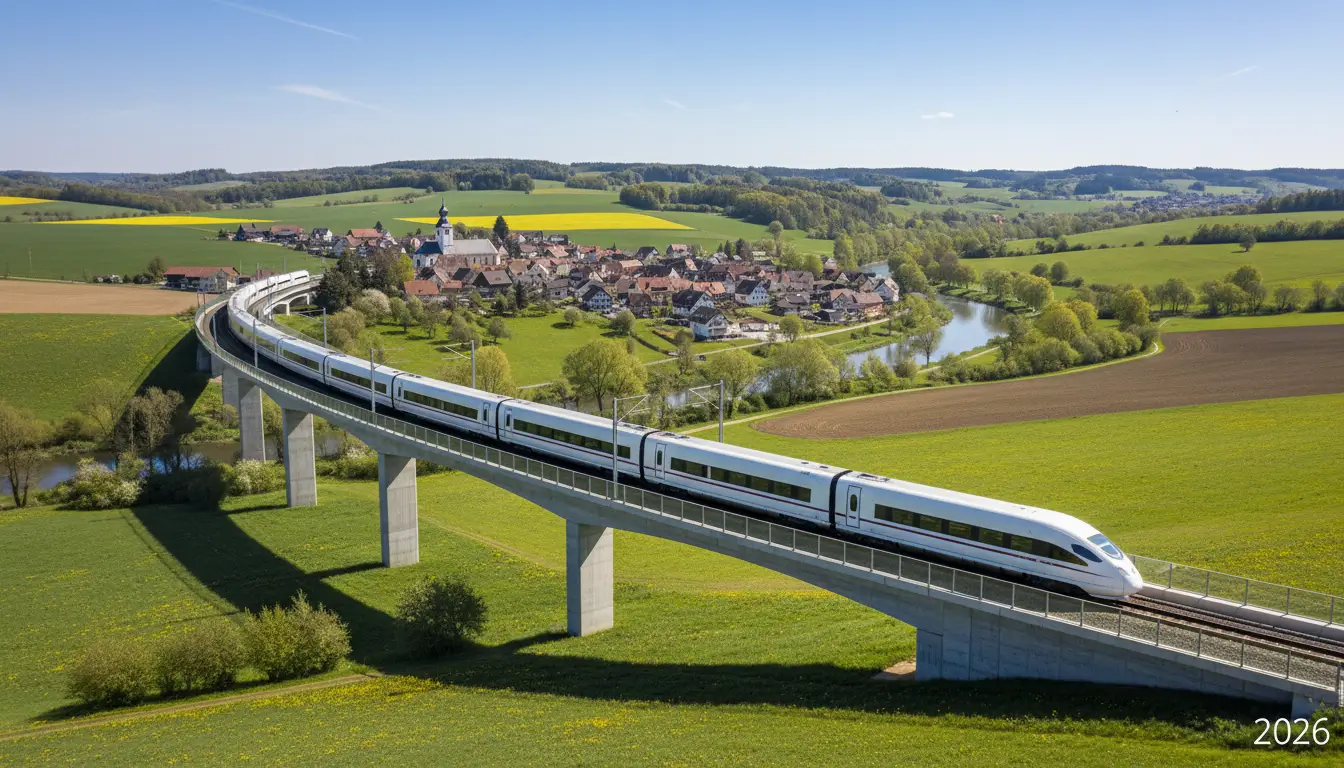
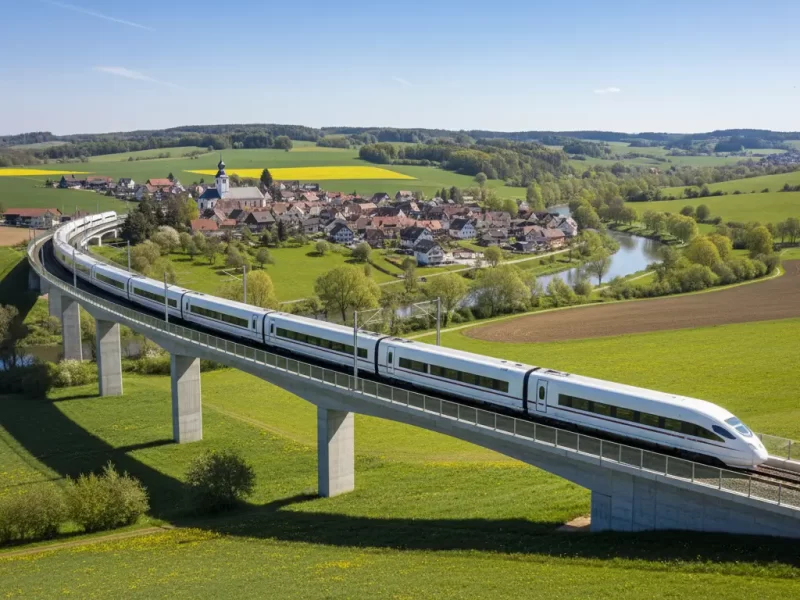
Travelling to Germany by train offers more than just transport from A to B. It is a way of travelling that combines peace and comfort. You have the space to sit, read a book, get some work done or simply enjoy the view. The seats are comfortable and there is often a restaurant car on board for a cup of coffee or a meal.
Another major advantage is where you arrive. Railway stations are almost always located in the city centre. You step off the train and are immediately where you need to be, surrounded by hotels, sights and public transport. This saves you the time and cost of a transfer from an airport that is often far outside the city.
Would you like to see more practical route planners or delve deeper into specific cities and travel options? Then visit Traveler Tips for extensive information about train journeys, driving holidays and camper trips across Europe.
Frequently asked questions
To find the best and cheapest train tickets from the Netherlands to German cities, it is best to book early via NS International or GoVolta, where tickets for Berlin are available from €10. Consider a D-ticket (€63/month) for unlimited travel within Germany if you plan to visit several cities. Also check the new direct connections that will be available from 2026 for more comfortable and faster journeys. For the most up-to-date information on times and prices you can consult the NS International apps or the DB website.
Travelling by train to German cities will become more comfortable and more sustainable in 2026. You can enjoy peace and views on the ICE International, which offers direct connections to, among others, Berlin, Hamburg, Frankfurt and Munich. For a pleasant journey, book early for favourable ticket prices and consider a D-ticket for unlimited travel within Germany. Trains arrive in city centres, which saves time on transfers.
The most efficient and enjoyable train routes to popular German destinations from the Netherlands are with the ICE International, which offers direct journeys to centres such as Düsseldorf and Frankfurt, and from March 2026 also direct GoVolta trains to Berlin and Hamburg. The new Coevorden–Bad Bentheim connection will offer an hourly car-free alternative to Lower Saxony from 2026. Travellers appreciate the peace and the views on the ICE, which make the journey itself a pleasant part of the holiday. Booking early via NS International or GoVolta, and using the D-ticket for unlimited travel in Germany, optimises both the travel experience and the costs.
For train journeys to German cities there are direct connections from the Netherlands, which take around 4 to 8 hours depending on the destination, with ticket prices from €10 to €50+. Trains arrive in city centres, which saves time on transfers. In terms of sustainability, the train is a better choice, with 90% less CO2 emissions than the car. The information provided does not include a comparison with car journeys in terms of time, cost and sustainability.
For a hassle-free train journey from the Netherlands to German cities it is essential to book your tickets in good time via NS International or GoVolta, and to consider a D-ticket for unlimited travel in Germany. Always check your ID/passport and make use of luggage lockers at German stations. Plan your trip using apps for live departure times and transfer information, and enjoy the peace and views that train travel offers.