 NL
NL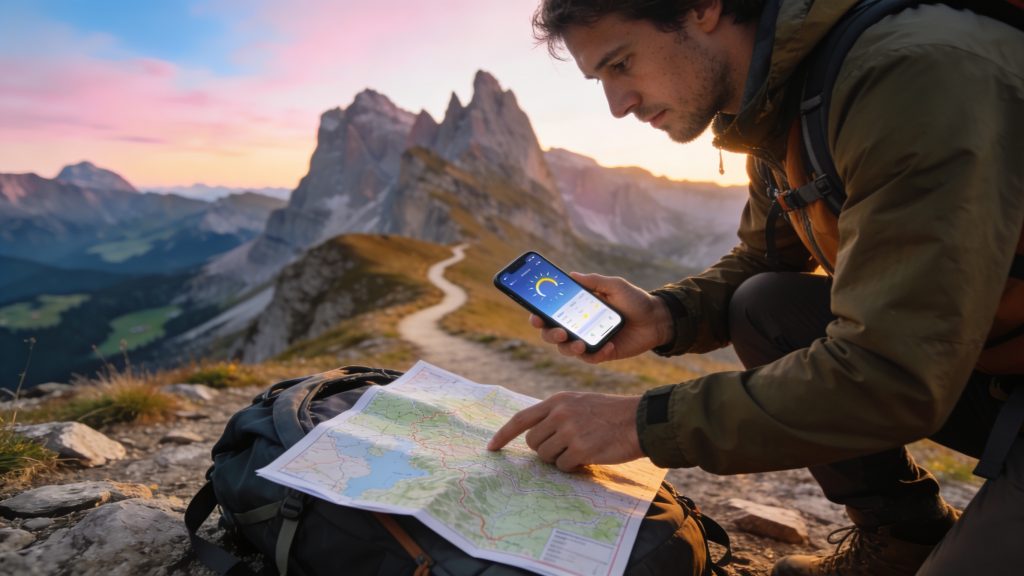
Mountain passes can become inaccessible within a few hours due to sudden weather changes. Altitude challenges both your car and your body. Careful planning for weather conditions and altitude effects prevents surprises and dangerous situations. Discover how to look ahead and respond smartly to these factors.
Why altitude affects your car
As you climb higher, air pressure decreases. This directly affects your engine performance. The thinner air contains less oxygen, so combustion engines work less efficiently. Your car loses power and responds more slowly to the accelerator.
For every 1,000 metres of altitude difference, air pressure drops by around 93.9 hPa. At 2,000 metres, your engine already delivers noticeably less power than at sea level. Older vehicles without a turbo and fully loaded cars show this difference clearly.
Tyre pressure also changes with altitude. That is why you should regularly check the pressure during your driving holiday in the mountains, especially if you cover large altitude differences. Incorrect pressure negatively affects your road holding and braking distance.
How sudden weather closes mountain passes
Mountain weather changes quickly. A sunny morning can turn within hours into thick fog, rain or even snow. These sudden changes make routes unsafe or completely inaccessible.
Passes often close in case of:
- Sudden snowfall, even in the summer months above 2,500 metres
- Dense fog reducing visibility to less than 50 metres
- Black ice and frozen road surfaces, especially in the early morning and evening hours
- Storms with gusts that are dangerous for high vehicles
- Avalanche risk after heavy precipitation
Many mountain passes are closed seasonally. The Großglockner High Alpine Road in Austria, for example, is completely closed from November to April. Other routes close without warning when conditions worsen.
Best apps for up-to-date mountain conditions
Weather forecasts and current route information are essential for a safe mountain trip. You need this information to drive your route safely. Various apps offer specific information about mountain weather and road conditions.
Reliable apps for mountain weather conditions:
- Mountain-Forecast: detailed weather forecasts per altitude with wind speed and chance of precipitation
- Windy: visual maps with real-time wind, precipitation and cloud cover
- Alpenverein Wetter: Alpine weather forecasts with a focus on specific risks
- Bergfex: combines weather information with live webcam images from passes
For current route status, these sources are useful:
- ÖAMTC and ADAC: up-to-date traffic information including pass closures in the Alps
- PassWang: overview of open and closed mountain passes in Europe
- Official websites of local road authorities per country or region
Check this information before departure. Check it again while travelling. Conditions change quickly and an alternative route saves time and stress.
When routes actually close
The timing of pass closures depends on various conditions. The season plays an important role. Current weather conditions and local safety protocols also determine whether a route remains open.
Common closure periods:
- November to April/May for high passes above 2,000 metres
- In case of unexpected summer snowfall, the route is closed temporarily
- Daily closures in high season between 20:00 and 06:00 on some routes
- In case of avalanche risk or black ice without prior warning
Climate change is affecting these patterns. Passes sometimes open earlier in spring, but intense summer storms and unpredictable snowfall are increasing. This makes flexibility in your planning essential.
‘ The earth heats the atmosphere from below. ’
Temperature drops with every 100 metres
An important principle for mountain drivers: the temperature drops by about 0.65°C per 100 metres of altitude difference. On a climb of 1,500 metres, you will experience weather that is roughly 10°C cooler.
Practical example: if it is 25°C in the valley, it may be only 12°C at 2,000 metres. These temperature differences call for layered clothing. Always take a fleece, windbreaker and waterproof jacket with you, even if it is warm and sunny down below.
The earth heats the atmosphere from below. The further you are from the earth’s surface, the less heat is available. This explains why mountain peaks are often snow-covered while it feels like summer in the valley.
Visibility and air quality at altitude
Altitude affects not only temperature and air pressure, but also visibility. This effect is often underestimated, even though it has a direct impact on your safety on the road.
Sunny days in the mountains can sometimes come with limited visibility. Concentrations of fine particles in the air do not disperse when there is little wind. Quiet, sunny periods therefore paradoxically worsen visibility.
Wind plays a positive role by dispersing pollutants. After windy days, visibility is often clear and sharp. Strong wind, however, is dangerous for your driving. Steep slopes and hairpin bends require extra care in windy conditions.
Always use dipped headlights when visibility is limited. This also makes you more visible to oncoming traffic during the day. Many mountain roads have tunnels where it suddenly becomes dark, and dipped headlights help your eyes adjust more quickly.
Altitude and your body while driving
Your body reacts to altitude, and this affects your concentration and driving ability. From 2,500 metres, about 20% of people experience the first signs of altitude sickness. Headaches and fatigue are the most common symptoms.
Symptoms of altitude sickness:
- Headache and dizziness
- Fatigue and reduced concentration
- Nausea
- Sleep problems
- Shortness of breath during light exertion
At 3,500 metres, 40 to 50% of people feel these effects. Acclimatisation helps your body adapt. However, this takes time. So plan extra rest breaks and avoid intensive exertion immediately after arriving at high altitude.
Hydration is important. The dry mountain air and increased breathing due to lower oxygen levels cause you to dehydrate more quickly. Drink water regularly, even if you do not feel thirsty.
Planning that takes weather factors into account
Good preparation starts at home. Study your route. Also study the weather patterns for your travel period. Mountain areas often have local weather patterns that differ from the general forecasts.
Check before departure:
- Current weather forecast for each pass section separately
- Status of your planned route via official sources
- Alternative routes in case your main route closes
- Altitude profile of your route to see where the biggest climbs are
Build flexibility into your planning. If a pass is closed or the weather changes, you need to be able to divert. An extra day of buffer in your travel schedule prevents stress and dangerous situations.
Also pay attention to changes in air pressure. People with chronic conditions such as rheumatism experience 20% more pain under certain weather conditions. High humidity, strong wind and low air pressure worsen these complaints. Schedule rest periods when the weather changes and listen to your body.
Practical preparation for your mountain trip
Besides digital tools, a mountain trip also requires physical preparation. Make sure your car is in optimal condition and that your equipment is complete.
Check before departure:
- Tyre pressure and tread, including your spare wheel
- Brake fluid and coolant levels
- Lights, including fog lights
- Windscreen wipers and washer system
Take with you:
- Layered clothing for changing temperatures
- Extra water and snacks
- Snow chains, even in summer for unexpected situations
- Power bank for your phone
- Physical map as a backup in areas with poor reception
Take regular breaks during the journey. This not only helps with acclimatisation, but also gives you time to assess the conditions. A short stop at a webcam location or an information centre can provide valuable up-to-date information.
Discover more about safe travel
Weather and altitude are only part of the preparation for a mountain trip. On the Traveler Tips website you will find extensive information about route planning, required vignettes, traffic regulations per country and practical tips for on the road. Explore the possibilities and make sure you set off optimally prepared.
Frequently asked questions
On a mountain holiday by car, the temperature drops on average by 0.65°C per 100 metres of altitude, so at 1,000 metres it can already be about 6.5°C colder. From around 2,500 metres, altitude sickness can occur due to less oxygen in the air, with complaints such as headaches and fatigue. Air pressure decreases with altitude, which affects both your body and weather developments. Through acclimatisation, layered clothing, good hydration and checking the current road and weather conditions before departure, the journey becomes safer and more comfortable.
On a driving holiday in the mountains, the temperature drops by about 0.65°C per 100 metres of altitude, so at 1,000 metres it can already be about 6.5°C colder. From around 2,500 metres, people can experience the first symptoms of altitude sickness due to the lower oxygen pressure. Air pressure and weather change more quickly in the mountains, which can affect health, visibility and driving conditions. Good preparation, layered clothing, hydration and acclimatisation are therefore important for a safe trip.
On a driving holiday in the mountains, the temperature drops on average by about 0.65°C per 100 metres of altitude and air pressure noticeably decreases. Above roughly 2,500 metres, the first signs of altitude sickness can appear, such as headaches and fatigue, which makes acclimatisation important. Weather changes and pressure fluctuations can also intensify complaints such as migraines, muscle pain and fatigue, especially in people with chronic conditions. Good preparation, layered clothing, sufficient hydration and regular rest breaks make the journey considerably safer and more comfortable.
The altitude effect means that both the temperature and the amount of available oxygen decrease as you go higher into the mountains. On average, the temperature drops by about 0.65°C per 100 metres of altitude difference. From around 2,500 metres, people can already develop altitude sickness complaints such as headaches and fatigue. This makes it important to acclimatise, dress in layers and drink enough during a driving holiday in the mountains.