NL
NL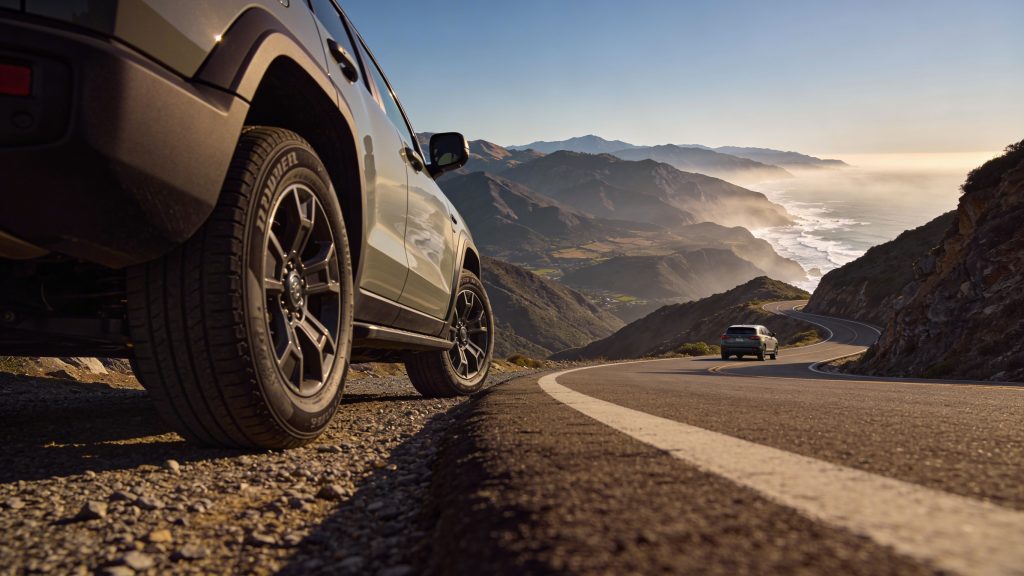
Parking on a steep slope requires more than just applying the handbrake. Choosing the right gear, turning your wheels strategically and, if necessary, placing an extra block: this is what makes the difference between a carefree day and your car unexpectedly rolling away. You will mainly encounter this during a driving holiday in the mountains. Discover how to park your car safely, even on the steepest slopes.
Why parking on slopes needs extra attention
A car on level ground stays stable because of its own weight and the handbrake. On a slope, gravity works differently: your car wants to roll downhill. The handbrake alone is often not enough. In slippery conditions, snow or on very steep gradients, the handbrake offers too little certainty. The gearbox and the position of your wheels then become your extra safety net.
This is especially relevant in mountain regions such as the Alps, the Pyrenees or Norway, where roads are steep and parking spaces are sometimes narrow. You are also at risk in old towns with steep streets. You need to know how to secure your car properly. A car that rolls away causes damage to other vehicles, obstacles or even people.
How to secure your car on a slope
The method is simple. You do need to apply it consistently. You combine three elements: the handbrake, the right gear and the position of your wheels.
Handbrake and gear
Always apply the handbrake first before taking any other steps. This is the basis of safe parking. Then choose the right gear, depending on the direction in which your car is pointing:
- Front facing uphill: put the car in first gear
- Front facing downhill: put the car in reverse gear
This choice turns the engine into an extra brake. If the handbrake releases or fails, the gearbox then locks the wheels. In a manual car this is simply a matter of putting the gear lever in the right position before you get out. In an automatic car, you park in P. After that, you engage an extra gear as well. Not all automatic cars offer this option.
Turning your wheels strategically
The position of your wheels determines which way your car will move. Imagine something does go wrong. You deliberately point the wheels in a certain way. That limits any potential damage:
- Uphill with a kerb: turn the wheels away from the kerb, so that if the car rolls it settles against the kerb
- Downhill with a kerb: turn the wheels towards the kerb
- Without a kerb: turn the wheels towards the mountainside or crash barrier, so that any movement is limited to the car pivoting
This technique is often used in mountain villages where narrow streets leave no room for error. It takes a few seconds extra, but can prevent a lot of trouble.
Extra safety on extreme slopes
On very steep slopes, an extra block is a wise idea. Think of gravel roads or unpaved mountain tracks. Place a stone, a wheel chock or another heavy object behind the wheel on the uphill side. If the handbrake releases or freezes, the car will still be held by the block.
This method is also used by motorhome and caravan drivers. They more often park on unpaved ground. Many travellers always keep a few sturdy stones or wooden blocks in the car specifically for this purpose. In snow or icy conditions this becomes even more important, because the grip of the tyres is limited.
Differences between vehicle types
Every vehicle behaves differently on slopes. The way you park varies slightly by type.
Passenger car
Follow the basic rules: handbrake, gear and turn the wheels. Make sure you do not park directly below steep rock faces. Loose stones can fall there. Prefer a level lay-by or a place with some shelter. On narrow mountain roads, make sure you do not block other road users. Uphill traffic often has priority.
Motorhome or caravan
The higher weight and centre of gravity make the risk of rolling greater. Always use the handbrake and first gear. Place a block behind the wheels. Turn the steering wheel so that, if the vehicle does roll, it mainly pivots. Avoid town centre car parks with height restrictions. In mountain areas there are often special motorhome pitches available with a flatter surface.
Electric or hybrid car
Many electric cars have regenerative braking. This helps with braking on slopes while driving. When parking, the same rules apply as for petrol or diesel cars: handbrake and P. Also engage an extra gear in manual models. Some electric cars do not have a manual gearbox. In that case you rely entirely on P and the handbrake.
‘ In winter conditions there is another point to watch: a handbrake that is left on can freeze. ’
Common mistakes and how to avoid them
Many people forget to engage a gear. That is the most common mistake. They apply the handbrake and get out straight away. On a steep slope this can lead to the car rolling away, especially if the handbrake does not work optimally due to wear or frost. Another mistake is turning the wheels the wrong way. When the car rolls, it actually heads into the road. The car does not hit a kerb or the mountainside.
In winter conditions there is another point to watch: a handbrake that is left on can freeze. This happens more often when parking in snow or frost. Experienced travellers sometimes release the handbrake. They rely entirely on the gear and wheel blocks. This does require extra certainty that the car is standing firmly.
Regional etiquette in mountain areas
In the Alps, Norway and other mountainous regions there are unwritten rules. Never park in such a way that you block narrow roads. Postal vans and lorries must always be able to get through. Uphill traffic has priority. Choose a spot where you do not cause a tailback. In narrow village streets, make sure residents can still access their driveways.
In cities with steep streets there are often paid parking spaces or car parks available. Always check height and width restrictions. Do not drive in without checking these. Lorries are usually not allowed in these car parks.
Practical tips for on the road
Driving in mountain areas? Keep enough distance in queues on slopes. Change gear as little as possible. That way you are less likely to get stuck on steep sections. Do you stop on a slope to let someone pass? Apply the handbrake immediately. Put the car in first gear. This prevents you from rolling back when you pull away.
Are you making long journeys through mountainous areas? Take a few sturdy stones or wooden blocks with you for extra peace of mind. They weigh very little. They give reassurance when parking on gravel roads or unpaved spots. Check before departure that your handbrake is working properly. Test on a flat surface. Does the car stay still without a gear engaged?
‘ That way you avoid nasty surprises. ’
Discover more on Traveler Tips
Parking on steep slopes is a small but important part of travelling without worries. Choose the right gear. Turn your wheels strategically. Use the handbrake consistently. This way you avoid nasty surprises. On the Traveler Tips website you will find much more information about driving safely, routes through mountainous areas, preparing for different weather conditions and practical tips for car journeys.
Frequently asked questions
Always apply the handbrake firmly and put the car in the correct gear: uphill in first gear, downhill in reverse. When parking uphill, turn the front wheels away from the kerb so that, if the car does roll, it comes to rest against the kerb. When parking downhill, turn the front wheels towards the kerb or mountainside so that any rolling is limited. On very steep or slippery slopes, use additional wheel blocks (stones or chocks) behind the wheels.
A suitable and safe parking place on a slope is as flat and stable as possible, preferably with a kerb, crash barrier or natural edge for the car to “lean” against if it starts to move. Make sure the surface is hard and not slippery (no loose gravel, mud, ice or deep snow) so that the tyres have enough grip and the handbrake works properly. Ideally, choose a spot without a risk of falling rocks or sliding away, so not directly below steep rock faces or on the outer edge of a drop. Turn the wheels so that, if the car does move, it turns towards the mountainside or against the kerb instead of towards the valley or the carriageway.
Turn the front wheels so that, if the car does start to roll, it will immediately roll against the kerb, mountainside or crash barrier. In addition, use wheel chocks, stones or other sturdy objects behind (and, if necessary, in front of) the wheels as an extra physical block.
Yes, there are various techniques and aids that make parking on slopes easier and less stressful. For example, consistently combining a firmly applied handbrake with the correct gear (1 when the front is facing uphill, reverse when the front is facing downhill) and turning the wheels strategically towards or away from the kerb/mountainside to limit any rolling. For large vehicles such as motorhomes, using wheel chocks or blocks behind the wheels helps a great deal. On very steep or slippery slopes, it is best to use these physical blocks as standard for extra security.
Common mistakes include not fully applying the handbrake, leaving the car in neutral, and not turning the wheels correctly, allowing the vehicle to roll away. Travellers also often forget to choose the correct gear (uphill in first gear, downhill in reverse). These mistakes can be avoided by always combining the handbrake with the correct gear and turning the wheels so that, if the car moves, it is immediately blocked by the kerb, mountainside or crash barrier. On very steep or slippery slopes, you can further reduce the risk of damage or danger by using extra wheel blocks (for example chocks or stones).