 NL
NL
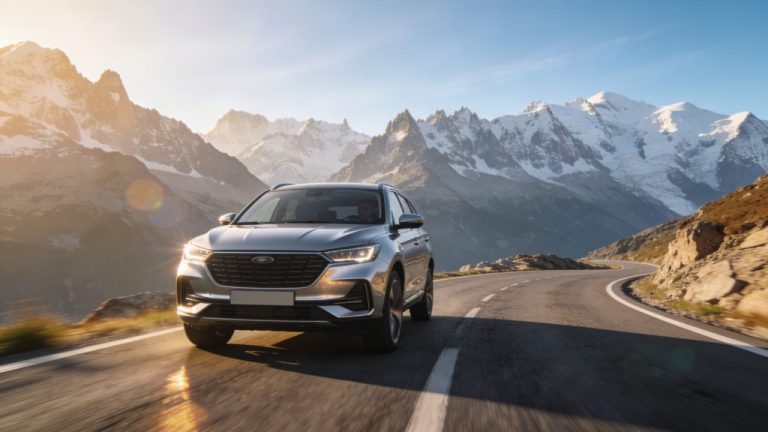
Driving over a mountain pass with hairpin bends and views that stretch into infinity is always a highlight of any road trip through the Alps. Choosing and preparing the right route makes all the difference. Good preparation ensures a relaxed drive. Poor preparation leads to stress on the road. Discover which passes are worth the effort. Also read how to plan safely around toll roads, seasonal closures and road conditions.
Iconic passes for an unforgettable mountain drive
The Alps are home to some of the most spectacular mountain roads in Europe. These routes combine sharp bends and steep gradients with panoramic views. Each pass has its own character. Every pass calls for a different approach.
The Stelvio Pass in Italy is one of the highest paved Alpine passes and is famous for its 48 hairpin bends on the northern side. You drive up to an altitude of 2,757 metres and pass steep slopes with views of mountain peaks and glaciers. The road is narrow and you frequently encounter motorcyclists and cyclists. Set off early in the morning to avoid the crowds.
The Grossglockner Hochalpenstrasse in Austria is a toll road. This route leads through a high alpine landscape. You pay an entrance fee, but in return you get a well-maintained road with safe hard shoulders and several viewpoints. The road climbs to over 2,500 metres and offers views of the Pasterze Glacier. Plan this route as part of a driving holiday in the mountains. The surroundings invite you to make several stops and go for walks.
The Timmelsjoch connects Austria with Italy and is also a toll pass. The route has steep sections and tight bends. The pass is, however, easily accessible for ordinary passenger cars. At the top of the pass you will find an architect-designed museum that tells the story of the crossing. This pass often closes early in the season due to snow.
‘ Mountain passes have their own rules and characteristics. ’
Practical points for route planning
Before you set off, check the current status of the pass and the weather forecast. Also check whether you need any additional equipment. That prevents unwelcome surprises on the road. Mountain passes have their own rules and characteristics. Take the following aspects into account when planning your route.
Seasonal closures and weather conditions
Most high alpine passes are closed between October and May. Exact dates differ from year to year. They also depend on snowfall and maintenance works. Check the status daily before you set off. Look at the official websites of regional road authorities. You can also use apps for Alpine roads. Snow can also cause short closures in summer.
Fog is a common phenomenon in the afternoon. Preferably drive in the morning hours for clear visibility and less traffic. Temperatures can drop quickly above 2,000 metres. That also happens in summer. Take warm clothing with you, even if it is warm in the valley.
Tolls and tunnel alternatives
Some passes charge a toll. Examples include the Grossglockner and the Timmelsjoch. Rates range between €15 and €40 per passenger car, depending on the season. Payment is often in cash or by card at the access point.
Tunnels offer a faster alternative for crossing mountain regions. The Mont Blanc Tunnel, the Fréjus Tunnel and the Gotthard Tunnel connect large regions and are useful if you are short on time or if passes are closed. These tunnels have higher tolls than passes, often between €40 and €60 for a single journey. Plan your route in advance. Then decide whether a pass or a tunnel fits your plans better.
Preparing your car
Before departure, check the condition of your brakes, tyres and brake fluid. Mountain roads with long descents place high demands on your braking system. Use engine braking rather than constantly using the foot brake to prevent overheating.
Make sure your fuel tank is more than half full. Filling stations are scarce above 2,000 metres. They are also often closed outside the high season. If you drive an electric car, charging options on the way are limited. Plan charging points in the valley before and after the crossing.
Snow chains are compulsory in many Alpine countries between November and April. That also applies if the road itself is snow-free at the time. Take them with you and practise fitting them at home. A first aid kit, warning triangle and reflective safety vests are standard mandatory equipment in almost all European countries.

Which passes should beginners avoid?
Not every mountain road is suitable for every driver. Some routes leave little room for mistakes. Some roads are narrow and steep. Take an honest look at your own driving experience before choosing a pass.
The Stelvio Pass demands concentration and self-confidence. The many hairpin bends follow each other in quick succession and offer little room for correction. Traffic is often heavy and oncoming vehicles force you to drive precisely. If you are unsure, start with less steep passes.
The Col de l’Iseran in France also has extreme altitude differences and steep sections without crash barriers. The road is open from June to September, but conditions can deteriorate quickly in rain. The road surface is rough and bumpy in some places.
Gravel roads, such as some of the passes around Allein in Italy, are suitable for off-road vehicles. They are not suitable for ordinary passenger cars. These routes are narrower, less predictable and require experience with unpaved surfaces. First opt for fully paved routes with good markings.
Quieter alternatives and hidden gems
Alongside the well-known names there are dozens of less busy passes that offer an equally beautiful experience. These routes are often narrower and quieter. They have fewer commercial facilities. They also have less traffic.
The Oberalp Pass in Switzerland connects Andermatt with Graubünden and leads across wide high plateaus with views of glaciers. The road is less steep than the Stelvio and has fewer hairpin bends. You pass small mountain villages and the railway tracks of the Matterhorn Gotthard Bahn.
The Furka Pass has been used as a location for a James Bond film. This pass is in Switzerland. The route climbs steeply and offers views of the Rhone Glacier. The road is narrow but well maintained. Drive this pass in combination with the Grimsel Pass for a round trip of about 150 kilometres through the heart of the Swiss Alps.
In the French Alps you will find smaller cols such as the Col du Télégraphe and the Col du Lautaret. These passes are lower than the Galibier. They do, however, offer just as much atmosphere and scenery. They are easily accessible and have regular car parks with picnic benches.
‘ Parking in bends or on narrow sections of road blocks the traffic and is dangerous. ’
Driving safely on mountain roads
Mountain roads have their own traffic rules and unwritten customs. Learn these rules. That helps you drive more safely. You will also avoid conflicts with other road users. Take your time and adjust your speed to the conditions.
Hairpin bends are sharp bends on mountain roads. Maintain a speed of between 20 and 30 kilometres per hour here. Brake before the bend and only accelerate again after the apex. Do not drive in the middle of the road and expect oncoming traffic to need space. Give way to traffic driving uphill. There is one exception. If there is a passing place close to you, the uphill traffic must pull in.
Only stop in designated parking areas. Parking in bends or on narrow sections of road blocks the traffic and is dangerous. Use viewpoints to stop for photos and to refocus your attention.
Keep your distance from motorcyclists. They use the full width of their lane and have less speed in bends. Also keep your distance from cyclists. They often ride in groups and have limited stability on steep slopes. Only overtake on straight stretches. Make sure you have a clear view. Do not use your horn to force a faster passage.

Best time of year for a mountain pass route
The timing of your trip determines which passes are open and how busy it will be. Each season brings different conditions. Summer offers reliable forecasts and open roads. Spring and autumn are more unpredictable and variable. Plan your route accordingly for the best experience.
June to September is the high season. All major passes are open and the weather is usually stable. Weekends and school holidays are busy. This is especially true for popular routes such as the Stelvio and Grossglockner. Drive during the week or choose less well-known alternatives.
Early June and late September are quieter. The weather can be changeable. Some high passes remain closed due to lingering snow or early snowfall. Check the opening times of accommodation in mountain villages, as some close outside the high season.
Most mountain passes are closed between October and May. Snow, ice and avalanche risk make the routes impassable. Tunnels remain open, but you then miss the scenery and the experience of crossing the mountains.
Prepare for your next drive
Do you want to map out your own route through the mountains? Start by choosing one or two key passes. Then plan rest stops and overnight stays between driving days. Before departure, check the opening times of each pass and the local weather forecast. Make sure your car is prepared and that you have the right documents and equipment with you. You will find more practical information on planning driving holidays through mountain regions on other pages of this website.
Frequently asked questions
Make sure you are well prepared by checking the weather and current road conditions of the mountain passes in advance and adjusting your route accordingly. Check that your vehicle is in good technical condition, especially the brakes, tyres and fuel level, and take basic supplies with you such as water, snacks, a first aid kit and snow chains where required. Comply with local rules such as compulsory snow chains or winter tyres in certain seasons and regions. Drive defensively, adjust your speed (especially in hairpin bends) and respect right-of-way rules, such as the common rule that uphill traffic has priority.
The Furka Pass and Grimsel Pass in Switzerland offer spectacular views of the Rhone Glacier, turquoise reservoirs and dramatic mountain peaks, with many photo stops along the road. The Oberalp Pass offers wide vistas of glaciers and winding mountain roads, ideal for panoramic photos. The Great St Bernard Pass combines historical sights such as the abbey with impressive snow and mountain scenery. In Italy, the passes around the Adige region and around Allein provide varied views of valleys, vineyards, castles and rugged peaks, with plenty of beautiful stopping points.
For most mountain passes in the Alps you usually do not pay a separate toll for the pass itself, but you do need a toll vignette for motorways in countries such as Switzerland and Austria (France and Italy mainly use toll booths). All passes are subject to national traffic regulations, such as lower speed limits in bends, priority for uphill traffic and often mandatory equipment (such as snow chains in wintry conditions). Many high passes are seasonal: they are usually only open from around June to September and may close temporarily in case of snowfall or bad weather. Shortly before departure, always check the current status of the passes you plan to use via local traffic services or apps, as opening times differ per year and per pass.
Avoid the heaviest traffic by steering clear of weekends, public holidays and the late morning to afternoon (around 10:00–16:00); set off early in the morning or towards the evening instead. Choose periods outside the peak season (for example June and September) rather than July and August for a much quieter journey. Consider lesser-known passes or regional alternatives around busy areas, such as smaller passes in the Adige region or loops via Oberalp–Grimsel–Susten instead of only the most famous hotspots. Plan your route in advance using up-to-date traffic and weather apps, and keep some flexibility in your schedule so you can choose another pass or a valley route if necessary.
Many high, narrow and steep mountain passes (such as Furka, Grimsel, Col du Galibier) are more challenging for large motorhomes because of tight hairpin bends and limited passing space; compact (electric) cars are usually easier to handle there. With a motorhome, pay particular attention to maximum length/weight and having enough power for long climbs. For electric cars, range and the availability of charging points around the passes are crucial, rather than the pass itself. The condition of the road surface on the Alpine passes mentioned is generally good to very good, with well-maintained asphalt, but it can be locally worse due to frost damage and roadworks.