
 NL
NL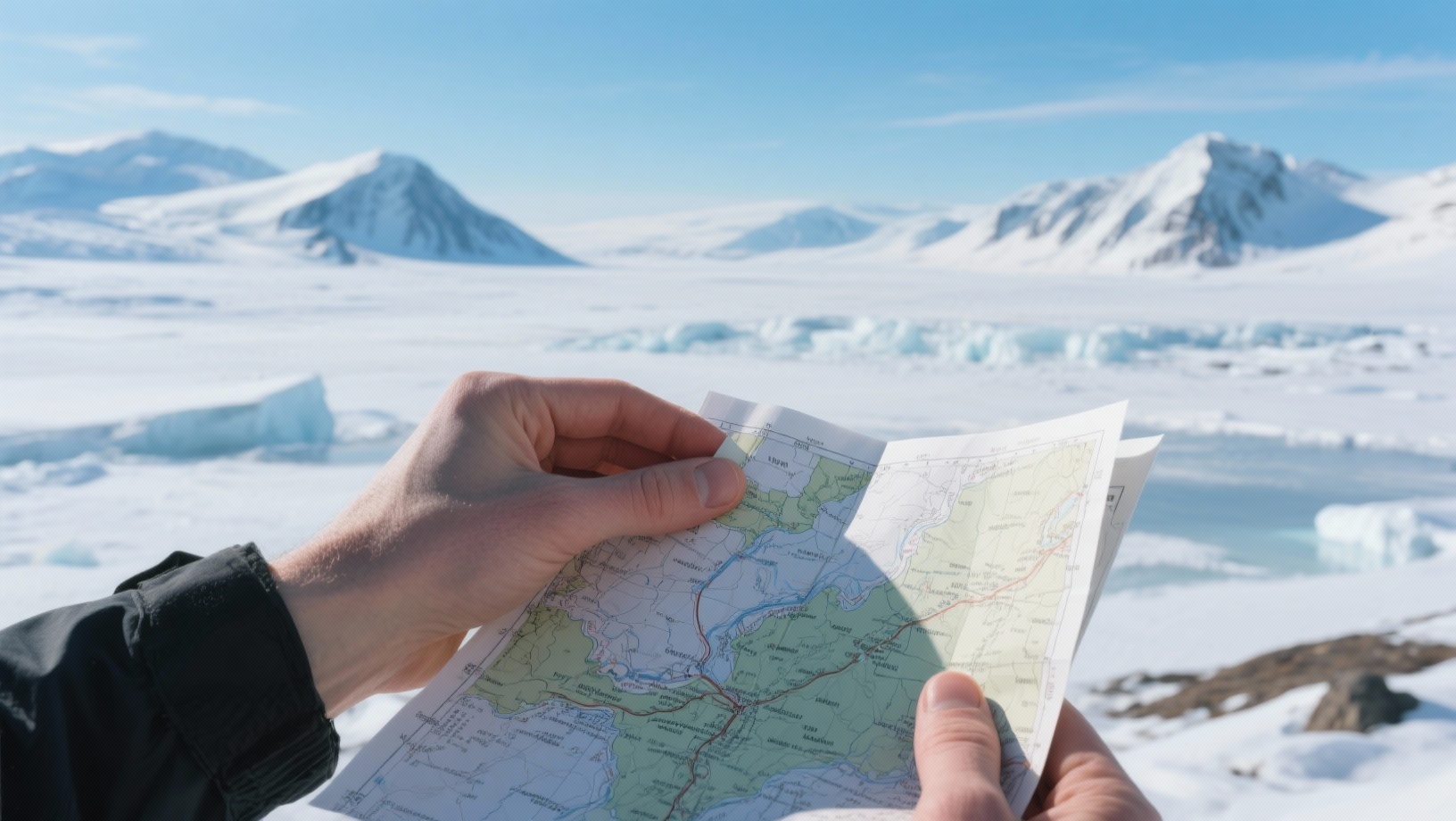
Polar nature trips: everything you need for a self-organised journey in the far north
Good preparation is the basis for successful polar nature trips, allowing you to enjoy the unique landscapes and phenomena of the Arctic region in comfort, intelligently and with deeper appreciation. This way of travelling requires thoughtful planning, but the reward is an unforgettable experience in one of the most unspoilt natural areas on earth. Discover here how you can shape this special undertaking yourself.
A polar nature trip is a journey to the Arctic or subarctic regions, with the focus on overwhelming nature and tranquillity. Think of destinations such as Lapland, northern Norway, Iceland or parts of Canada. It is a type of nature holiday that stands out because of the extreme conditions and the unique activities that come with them. For the conscious traveller who likes to be in control, planning such a journey offers an excellent opportunity to put together a personal and profound experience, far away from the crowds.
The landscapes of the north
Nature in the polar regions is grand and impressive. In winter, a thick blanket of snow dominates the landscape and covers everything. The subarctic taiga, with its vast forests of pine and birch, creates a quiet and hushed backdrop. Frozen lakes and rivers turn into white plains that you can cross. Closer to the coast you will find imposing fjords cutting deep into the land, where dark water contrasts with snow-covered mountain walls. These landscapes offer a sense of space and silence that you will find in few other places.
‘ The result is moving curtains of green light in the night sky, sometimes tinged with purple or pink. ’
The northern lights: a fascinating natural phenomenon
One of the biggest attractions of the polar winter is the aurora borealis, or northern lights. This natural light show occurs when charged particles from the sun come into contact with the earth’s atmosphere. The result is moving curtains of green light in the night sky, sometimes tinged with purple or pink. To be able to see this phenomenon, three conditions are important: a dark, clear sky, sufficient solar activity and the right geographical location. The best period to see the northern lights runs roughly from late September to late March. Regions above the Arctic Circle, such as Norwegian and Finnish Lapland and the north of Sweden, are known as excellent locations.
Active in the polar wilderness: unique experiences
The wintry conditions in the north invite specific activities that make your trip even more special. Good planning enables you to make the most of these experiences.
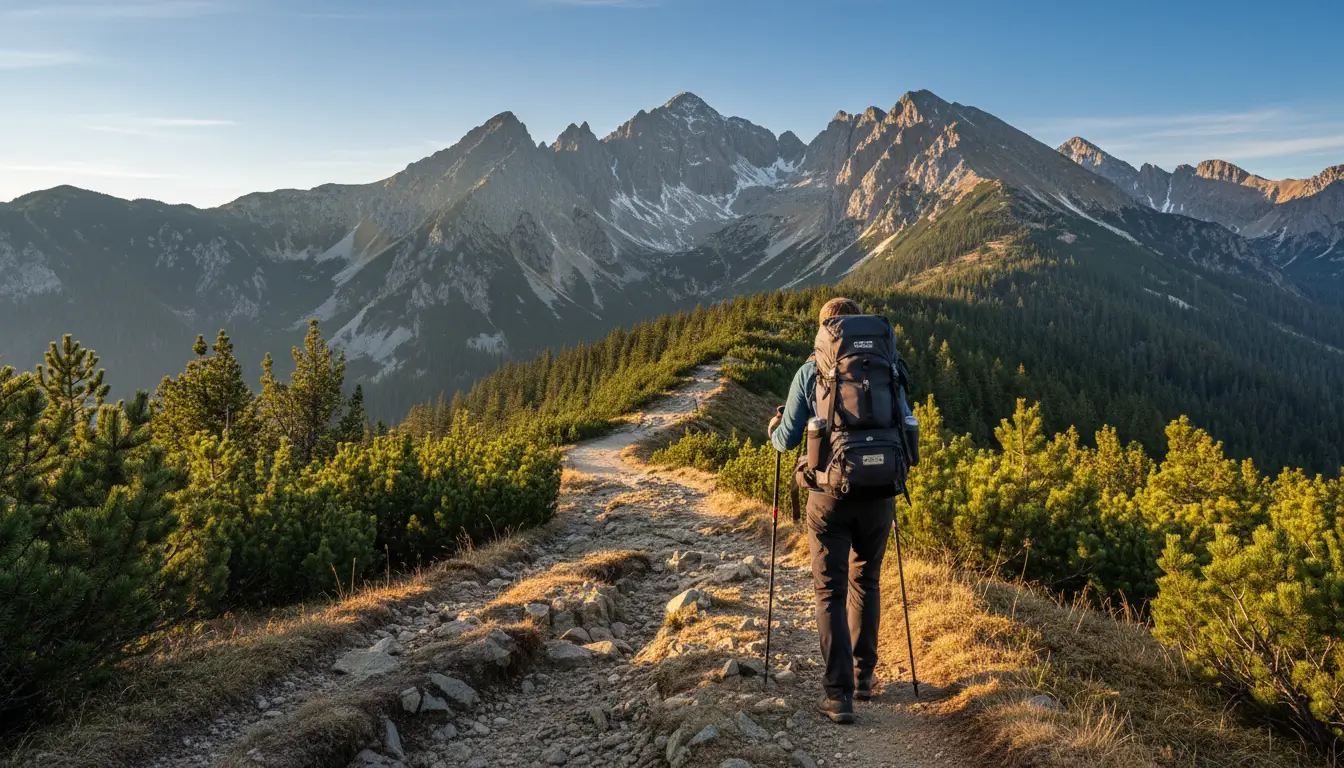
- Snowshoeing: With snowshoes on your feet you can leave the beaten track and head into the deep snow. It is an accessible way to experience the silence of the winter forests and hills and to reach places that would otherwise be out of bounds.
- Husky or reindeer sled tours: A trip with a dog or reindeer sled is a classic northern experience. You glide through the snowy landscape, pulled by enthusiastic huskies or calm reindeer. It gives you a unique perspective on the traditional way of travelling in this region.
- Ice fishing: A peaceful, local pastime is ice fishing. Drill a hole in the ice of a frozen lake and try your luck with a small rod. Above all, it is an exercise in patience and a way to enjoy the complete silence around you.
The ideal time of year for your polar trip
Your choice of travel time depends very much on what you want to see and do. The seasons in the far north differ greatly.
Winter (December – March)
This is the time for the classic winter experience. The days are short and the nights long and dark, which maximises your chances of seeing the northern lights. The landscape is covered with a thick layer of snow, ideal for all the winter activities mentioned earlier. Be prepared for very low temperatures, which can drop far below freezing.
Summer (June – August)
Summer offers a completely different picture. The snow has melted and nature is green and full of life. Above the Arctic Circle the sun does not set for weeks or even months, a phenomenon known as the midnight sun. This is the perfect time for long hikes through national parks, kayaking on lakes and along fjords, and observing the local wildlife in a totally different environment.
‘ Avoid cotton, as it traps moisture and cools your body down. ’
Prepared for the cold: clothing and equipment
Good preparation for the cold is crucial to the comfort of your trip. The secret lies in wearing several layers of clothing, so that you can adapt to changing conditions and temperatures. The three-layer system is a tried and tested method.
- The base layer: This layer is worn directly on the skin. Choose thermal underwear made of merino wool or synthetic material. The aim is to wick away moisture (sweat) and keep your skin dry and warm. Avoid cotton, as it traps moisture and cools your body down.
- The mid layer: This layer provides insulation. A fleece jacket or a light down jacket is suitable. Depending on the cold you can even wear two mid layers.
- The outer layer: The outer layer should protect you from wind and precipitation. A windproof and waterproof jacket and trousers (hardshell) are essential.
In addition to these layers, warm, waterproof winter boots, thick socks (preferably wool), a good hat, a scarf or neck warmer and warm gloves or mittens are indispensable. For many organised activities, you can borrow or hire a thermal suit and special boots on site.
Planning your self-organised polar trip
If you organise your trip yourself, you have the freedom to set your own pace and route. Start by booking your flights to a regional airport, such as Tromsø in Norway or Rovaniemi in Finland. A hire car gives you the greatest flexibility to explore the area. Make sure you rent a car that is fitted with winter tyres, which are standard and compulsory in winter. Road authorities generally keep the roads well cleared of snow, but adjust your speed to the conditions.
When it comes to accommodation there is a wide range, from comfortable hotels to atmospheric wooden cabins with a private sauna. The latter option in particular offers an authentic experience. Book your accommodation and hire car well in advance, especially if you travel in high season. Excursions such as husky tours or northern lights safaris are often best booked online in advance with local providers to avoid disappointment.
Travelling sustainably in fragile areas
Arctic nature is fragile. As a visitor, you can help to preserve it. Respect local flora and fauna by staying on paths and not feeding or disturbing wild animals. Always keep an appropriate distance. Support the local economy by choosing small-scale accommodation and excursions run by local guides. Take all your rubbish back with you and follow the “Leave No Trace” principle. By travelling consciously, you help protect this special environment for future generations.
‘ “By reading up well in advance, making the right choices for transport and accommodation, and dressing warmly, nothing stands in the way of a successful trip to the far north.” ’
An unforgettable polar nature trip
A trip to the polar regions is an impressive experience that will stay with you for a long time. The silence, the vast landscapes and the remarkable natural phenomena make it a journey unlike any other. With solid planning and the right preparation, you can put together a comfortable and personal itinerary yourself. By reading up well in advance, making the right choices for transport and accommodation, and dressing warmly, nothing stands in the way of a successful trip to the far north.