
 NL
NL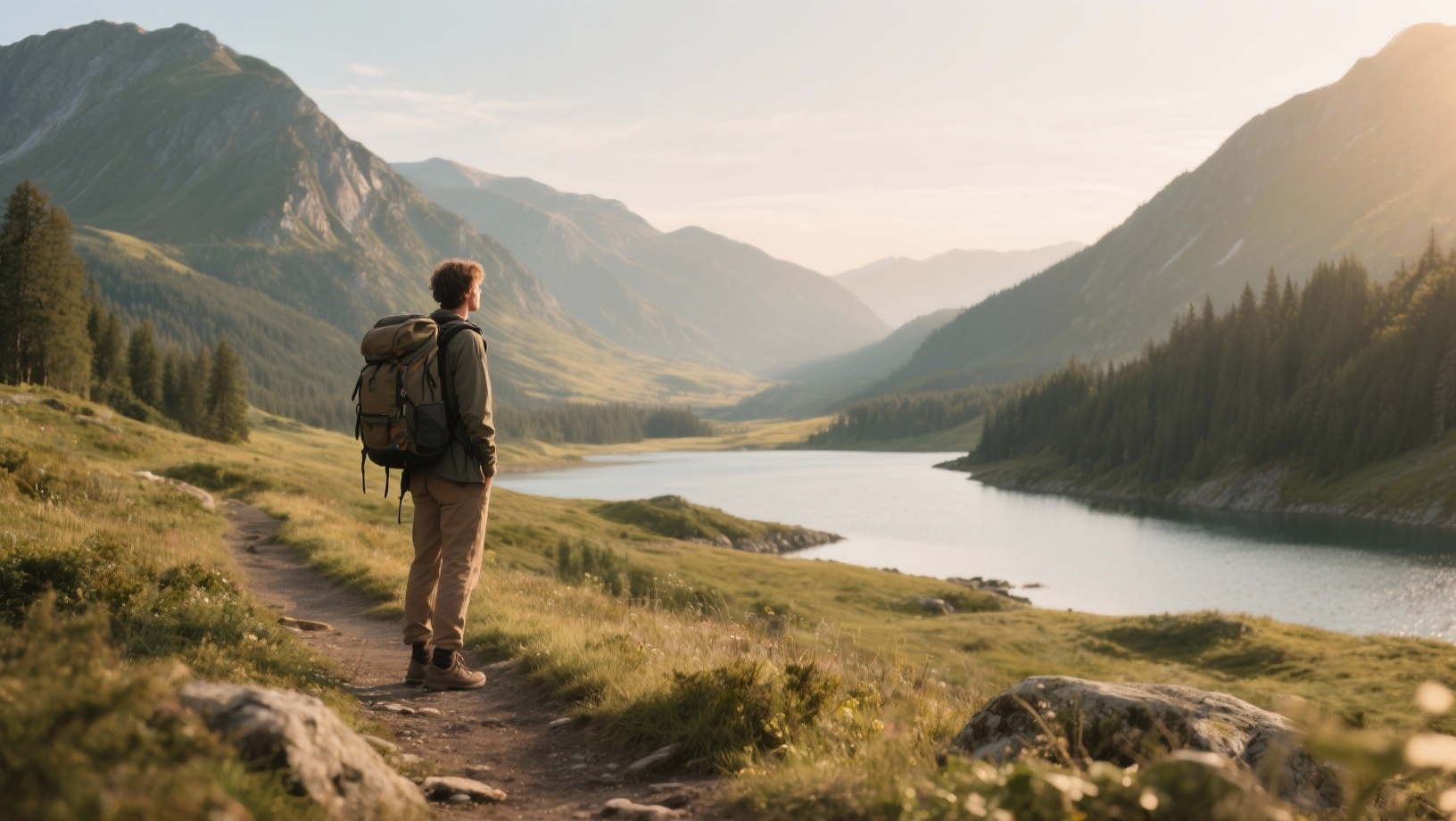
Solo nature holidays: a complete guide to freedom and peace
A solo holiday in nature offers a special kind of freedom and personal growth, because you travel entirely at your own pace and guided by your own intuition. It allows you to connect more deeply with your surroundings and yourself, without the distractions of a travel companion. This way of travelling requires good preparation, but the reward in terms of self-confidence and unforgettable impressions is great. Read on and discover how to plan and experience your solo nature trip.
The popularity of holidays in nature is growing, as more and more travellers seek the peace and space of natural environments. Travelling alone adds an extra dimension to this. You are responsible for your own choices, from the route you walk to the place where you spend the night. This autonomy creates an intense experience of the journey and teaches you to trust your own judgement. Whether you dream of quiet forests, vast heathlands or rugged mountain trails, a solo nature holiday is a valuable way to escape the demands of everyday life.
Safety first: tips for solo travellers
Good preparation is the basis of a safe and relaxed solo trip. Make sure you plan your route in advance and let someone at home know about your plans. Share your travel schedule, including planned overnight stops and important contact details. This provides a safety net in case something unexpected happens. A physical map and a compass are indispensable, even if you use a GPS or an app on your phone. Technology can sometimes fail, but a map always works.
Pay close attention to your personal safety along the way. Choose routes that are well signposted and suited to your experience and fitness level. Do not start straight away with a tough mountain hike if you have little walking experience. Build it up gradually, for example with a solo walking weekend in a familiar nature area in the Netherlands, such as the Veluwe or the Utrechtse Heuvelrug. Pack a compact first aid kit with the most important essentials and take enough water and energy-rich snacks with you. Listen to your intuition; if a situation does not feel right, choose an alternative.
‘ Countries with a strong walking culture are often a reliable choice, because the paths are well maintained and clearly marked. ’
Suitable destinations: where to go as a solo traveller?
Europe offers various destinations that are suitable for a solo nature holiday, with good infrastructure and a high level of safety. Countries with a strong walking culture are often a reliable choice, because the paths are well maintained and clearly marked. Think of the following areas:
- The Scottish Highlands, Scotland: With their dramatic landscapes, expansive lochs and well-marked walking routes such as the West Highland Way, this is a popular destination for walkers. The many B&Bs and other accommodation make it easy to find comfortable and safe places to stay.
- Triglav National Park, Slovenia: This park in the Julian Alps offers a network of walking trails through forests, along clear rivers and over impressive mountain peaks. Slovenia’s mountain hut culture makes multi-day hikes accessible, and it is easy to meet other walkers there.
- The Austrian Alps: Austria is known for its hospitality and well-maintained walking infrastructure. Areas such as Tyrol or Salzburgerland offer routes for every level, from gentle valley walks to challenging hut-to-hut treks.
- The Veluwe, the Netherlands: For those who want to start closer to home, the Veluwe is a suitable destination. The mix of forest, heathland and sand drifts creates a varied landscape. The extensive network of walking and cycling paths makes it easy to map out your own route.
Solo, yet together: the options of group walking holidays
Would you like to travel alone, but find it daunting to be entirely on your own in nature? Then an organised group walking holiday is a good solution. You travel individually, but spend the days with a small group and a guide. This offers a good balance between independence and company. The guide knows the area, takes care of navigation and tells you a lot about the nature and culture. A travel organisation often arranges practical matters such as accommodation and luggage transport for you.
This type of trip offers the safety of a group and the chance to share experiences with like-minded people, without having to be together all day long. In the evenings you eat together, but you also have the freedom to retreat. It is an accessible way to get to know solo travel in nature and gives you the confidence to go out completely independently next time.
Sleeping in comfort: from mountain huts to unique eco-lodges
The accommodation you choose is an important part of your solo nature holiday. The right place not only offers a comfortable bed, but also a feeling of safety. For walkers who make multi-day trips in mountainous areas, mountain huts are a reliable option. You often sleep in a dormitory, which keeps costs down and makes it easier to connect with other walkers. Sharing stories after a long day of walking is one of the charms of staying in a hut.
If you are looking for more privacy and comfort, there are various other options. Family-run B&Bs or guesthouses often offer a personal and welcoming atmosphere. Increasingly, you will also find unique eco-lodges or nature cottages in remote places, where you can enjoy the surroundings in complete peace. These types of accommodation often focus on sustainability and provide a comfortable base from which to explore nature. When booking, always check the reviews from other solo travellers.
‘ Most people are helpful and enjoy having a chat with a traveller. ’
Spontaneous encounters: how to connect with others on the road
Travelling alone does not mean you have to be lonely. One of the advantages of solo travel is that you actually find it easier to connect with other people. You are more approachable and more open to conversation. A simple greeting on the trail can already lead to a pleasant chat. In mountain huts or the common areas of a hostel, contact often arises naturally. Do not be afraid to take the initiative and ask a question about someone’s route or gear.
Another way to meet people is to join a local activity. Think of a workshop, a tasting session or a guided walk in a national park. You can have surprising encounters in a local café or restaurant. Choose a seat at the bar rather than a table in the corner. Most people are helpful and enjoy having a chat with a traveller.
Planning your trip thoughtfully: the practical checklist
Good planning is the key to a successful solo nature holiday. With thorough preparation you can relax on the road and enjoy it to the full. Use the checklist below as a guide when planning your trip.
Transport
Think about how you will get to your destination and how you will get around locally. Travelling by train is a sustainable and relaxed way to reach many destinations in Europe. Once there, you will often use local public transport to take you to the start of walking routes. Your own car offers more flexibility, but check parking options and any environmental regulations in advance.
Equipment
Your equipment will make or break your trip. Invest in good, well broken-in walking boots and a comfortable rucksack. Dress in layers so you can adapt to changing weather conditions. Always take waterproof clothing with you, even if sun is forecast. Other important items are:
- Navigation tools (map, compass, GPS/phone)
- A fully charged power bank for your phone
- A compact first aid kit
- Sun cream and a cap or hat
- Enough water and snacks for along the way
Budget
Travelling alone is sometimes more expensive, because you do not share the cost of accommodation. By planning smartly, you can manage your budget well. Book accommodation and transport tickets well in advance for the best prices. Choose places to stay with a kitchen, so you can cook for yourself and do not have to eat out every evening. Make a realistic estimate of your daily expenses so that you do not face any unpleasant surprises.