 NL
NL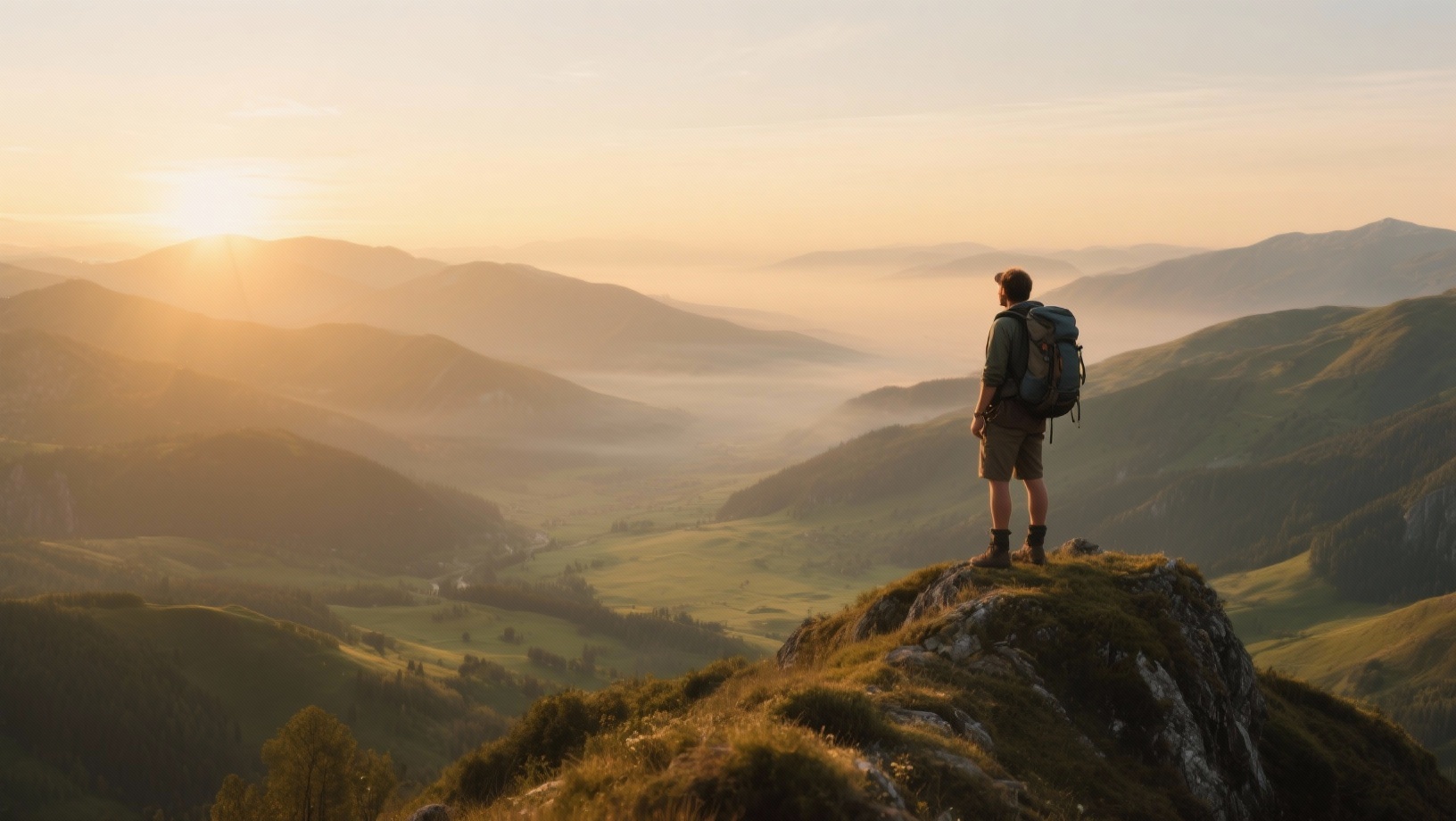
Discover the appeal of walking holidays
A well-planned walking holiday offers a direct and intense experience of a destination that you cannot get with any other means of transport. The success of walking holidays lies in the combination of physical effort, the tranquillity of nature and the satisfaction of completing a route under your own steam. For the traveller who organises their trip consciously, this is the way to truly understand landscapes and cultures. Read on and discover how to put together your ideal walking trip.
Having walking as the core activity of your trip means fully immersing yourself in your surroundings. Unlike a quick journey by car or train, walking forces you to slow down and use your senses. You hear the wind rustling through the trees, smell the scent of the forest after a rain shower and feel the ground change beneath your feet. This makes it one of the purest forms of nature holidays, where the journey itself becomes the destination. It is not only about reaching an end point, but about the experiences and discoveries you make with every step you take.
Choose your hike: from day walk to multi-day trek
The term ‘walking holiday’ covers a wide range of possibilities. The choice depends on your fitness, the time you have available and your personal preferences. For some, a comfortable hotel as a base for daily hikes is ideal, while others seek the challenge of a multi-day trek with overnight stays in simple mountain huts. It is important to choose a format that matches your wishes, so that the trip becomes a pleasant and enriching experience.
Day walks: short routes for maximum experience
Day walks are the most accessible form of walking holiday. They can easily be incorporated into a car holiday or road trip, where you explore the area from a fixed place to stay. You only need a small daypack and can choose a new route every day. Plan your day trips carefully, paying attention to distance, elevation gain and the weather forecast. Use reliable maps or navigation apps and ask locally about the current condition of the paths. This way you get the most out of your day without logistical worries.
Multi-day walking routes: logistics and challenge
A multi-day walking trip, where you hike from A to B, requires thorough planning. Choosing the route is the first step. Select a well-known long-distance walk or map out your own route. Then plan the stages, taking into account distances and the accommodation available along the way. Think carefully about luggage transport: will you carry everything yourself in a large rucksack, or will you use a service that takes your luggage to the next overnight stop? The latter offers more comfort and makes the walk physically less demanding.
Hut-to-hut routes: walking high in the mountains
For those who want to head into the mountains, a hut-to-hut trek is an amazing experience. You walk from one mountain hut to the next, high above the inhabited world. These treks require good physical fitness and preparation. It is essential to reserve huts well in advance, especially in high season. The equipment is specific: in addition to good walking boots and clothing, you often need a sleeping liner and cash. Also familiarise yourself with the etiquette that applies in mountain huts, such as respecting quiet hours and leaving your sleeping place tidy.
‘ Every landscape has its own unique charm and challenges. ‘
Popular walking regions worldwide
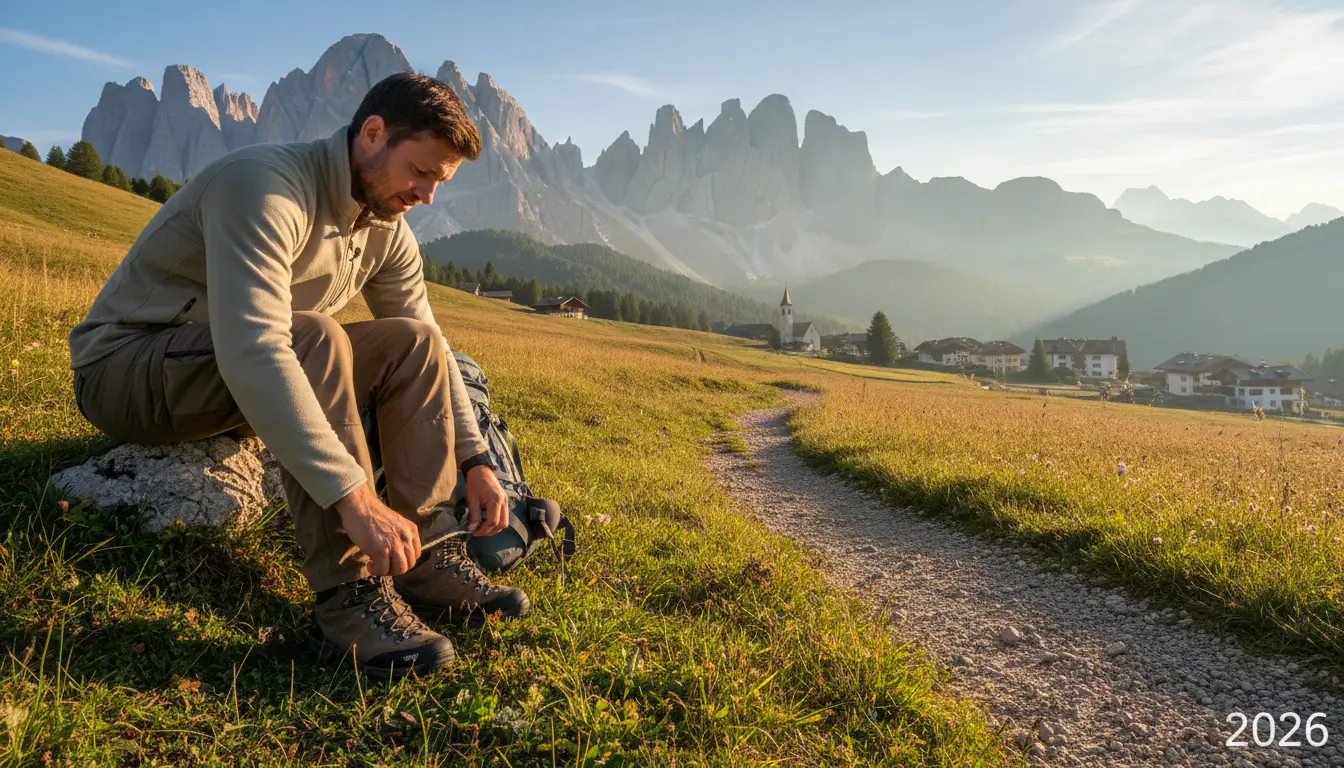
The world is at your feet when it comes to walking destinations. Every landscape has its own unique charm and challenges. Think of the rolling hills and historic paths in the English Cotswolds, the rugged coastlines of the Scottish Highlands or the famous pilgrimage route to Santiago de Compostela in Spain. For mountain landscapes you can head to the Alps, the Dolomites or the Pyrenees. Closer to home, the Ardennes, the Eifel or the hills of Limburg offer surprisingly beautiful routes for a shorter walking trip.
Routes and practical planning per destination
A successful walking holiday starts with good route planning. Begin by looking into a region that appeals to you. Then search for detailed route descriptions. Use the following tools:
- Walking maps: Physical topographical maps give the most reliable overview of the terrain, paths and height differences.
- Navigation apps: Applications such as Komoot, AllTrails or local equivalents offer a wealth of routes, often with reviews and up-to-date information from other walkers. They also allow you to plan your own hikes and download GPX files.
- Local information points: Tourist offices or visitor centres in national parks often have the most up-to-date information on the condition of the paths and any diversions or closures.
Compare different sources to get a complete picture. Check the waymarking on the route you want to follow and always make sure you have a back-up plan for navigation in case your phone or GPS device fails.
Preparation and equipment: setting off smart and comfortable
Good preparation is half the battle and prevents discomfort or problems along the way. Start training your body a few weeks before your trip by walking regularly, preferably on unpaved terrain and wearing the boots and rucksack you will use during your holiday. Also put together a well-thought-out packing list. The basic equipment for virtually any walking trip consists of:
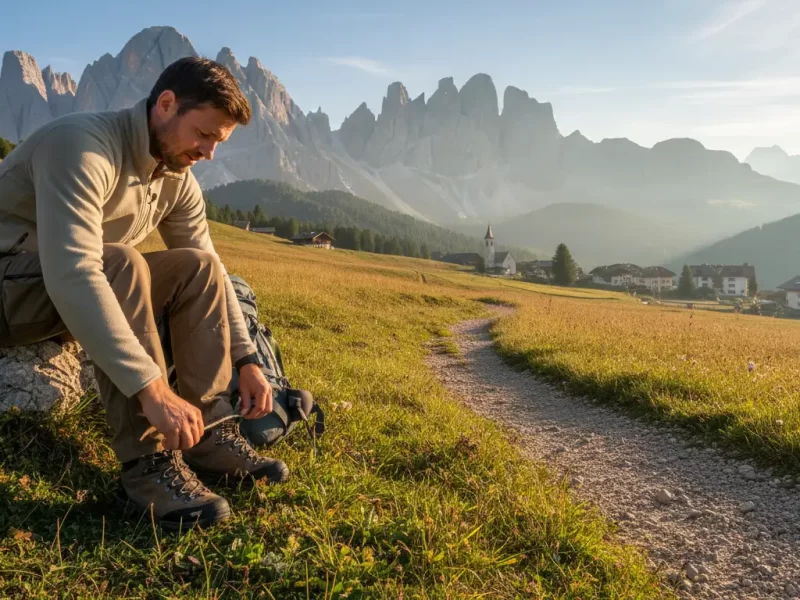
- Broken-in walking boots: Choose boots that match the terrain you will be walking on (low, mid- or high-cut).
- Layered clothing: Work with three layers (base layer, insulating layer, outer layer) so you can adapt your clothing to changing weather conditions.
- Waterproof and windproof jacket: A waterproof and breathable jacket is essential, even if the sun is shining when you set off.
- Rucksack: A comfortable rucksack with enough capacity for your kit (daypack of 20–30 litres, trekking rucksack of 40–60 litres).
- Navigation tools: Map, compass, GPS or a charged phone with a reliable app.
- First-aid kit: A basic kit with plasters, disinfectant, tape and blister plasters.
‘ “When it comes to booking accommodation, the more popular the route, the earlier you need to book.” ‘
Transport and accommodation: organising your trip smartly
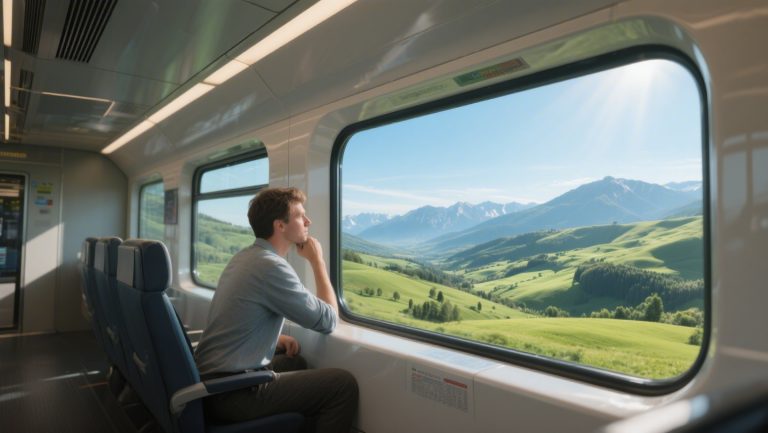
Think about how you will reach the starting point of your walking route. Many walking regions in Europe are easily accessible by train, which can provide a relaxed and sustainable start to your holiday. If you are travelling by car, research parking options, especially if you are planning a multi-day trek and will be leaving your car for a longer period. When it comes to booking accommodation, the more popular the route, the earlier you need to reserve. Combine hotels, B&Bs and mountain huts that are strategically located along your route to simplify the logistics.
Sustainable and responsible walking
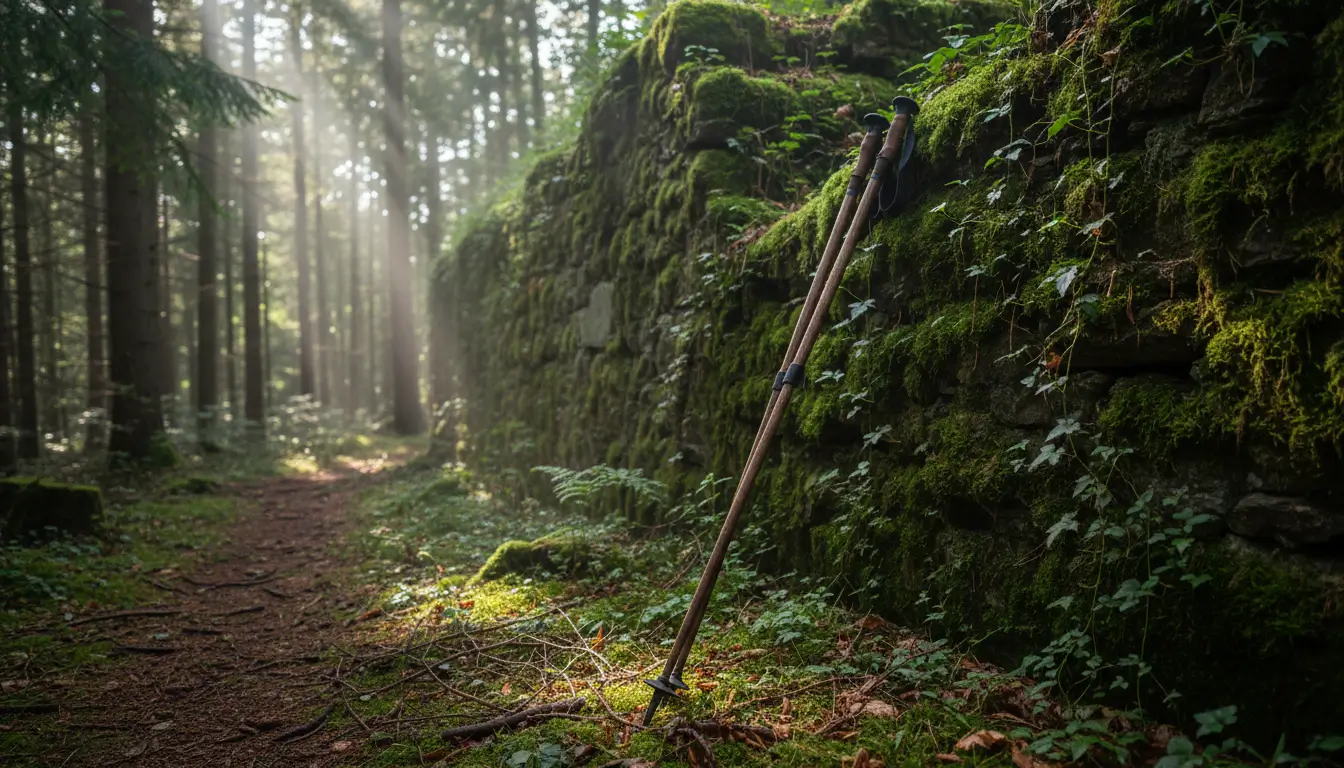
As a walker you are a guest in nature. It is your responsibility to place as little burden on it as possible. Follow the principles of ‘Leave No Trace’: do not leave any litter, stay on marked paths to prevent erosion and disturbance of flora, and respect the animals you encounter by keeping your distance. Where possible, choose local businesses, such as small family-run hotels or local guides, to support the communities you visit. By acting consciously, you help preserve the beautiful landscapes you enjoy so much.
Your next walking trip is waiting
A walking holiday is more than just a sporting achievement; it is a way to slow down, connect with nature and get to know a destination on a deeper level. With thoughtful planning and the right preparation, you create a trip that not only runs smoothly and comfortably, but also leaves lasting memories. The knowledge and tips in this article will help you on your way to putting together your own perfectly organised walking trip. The paths are open to you.