NL
NL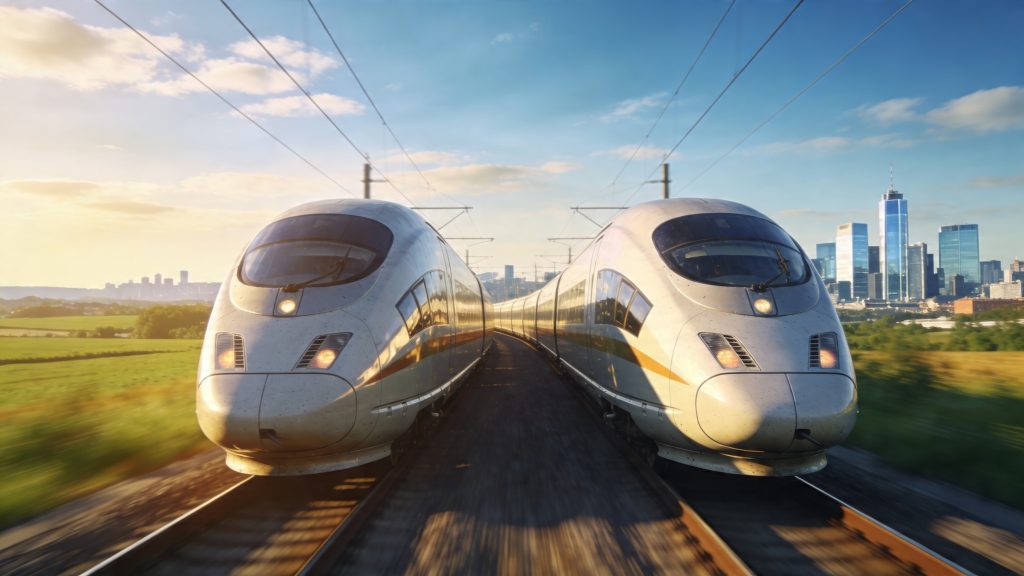
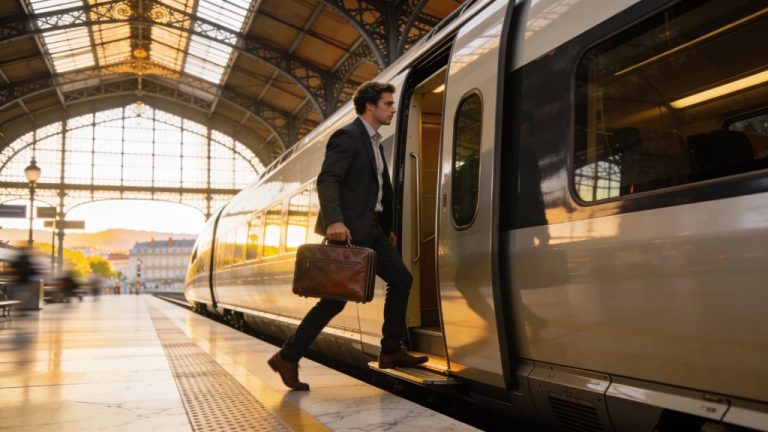
ICE International connects Amsterdam to Frankfurt in four hours, one of the most important hubs for train journeys across Central Europe. Travellers heading to southern Germany, Switzerland or beyond will find direct connections here. Services link up with daytime and night trains all over Europe. This high-speed route offers a comfortable and practical alternative to driving or flying. Discover how to make smart use of this connection for your trip.
Seven direct services per day
ICE International runs seven services a day between Amsterdam Centraal and Frankfurt. Trains depart between 06:38 and 18:38. They run at regular intervals of roughly two hours. The journey time is on average 3 hours and 55 minutes. From Utrecht the trip takes 3 hours and 25 minutes, from Arnhem Centraal 2 hours and 54 minutes.
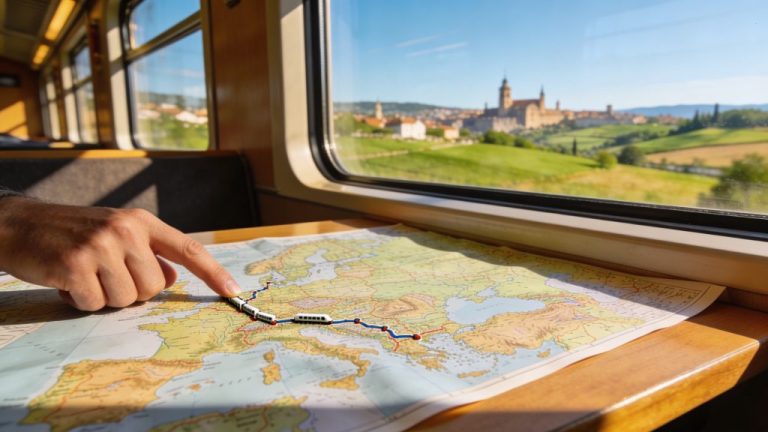
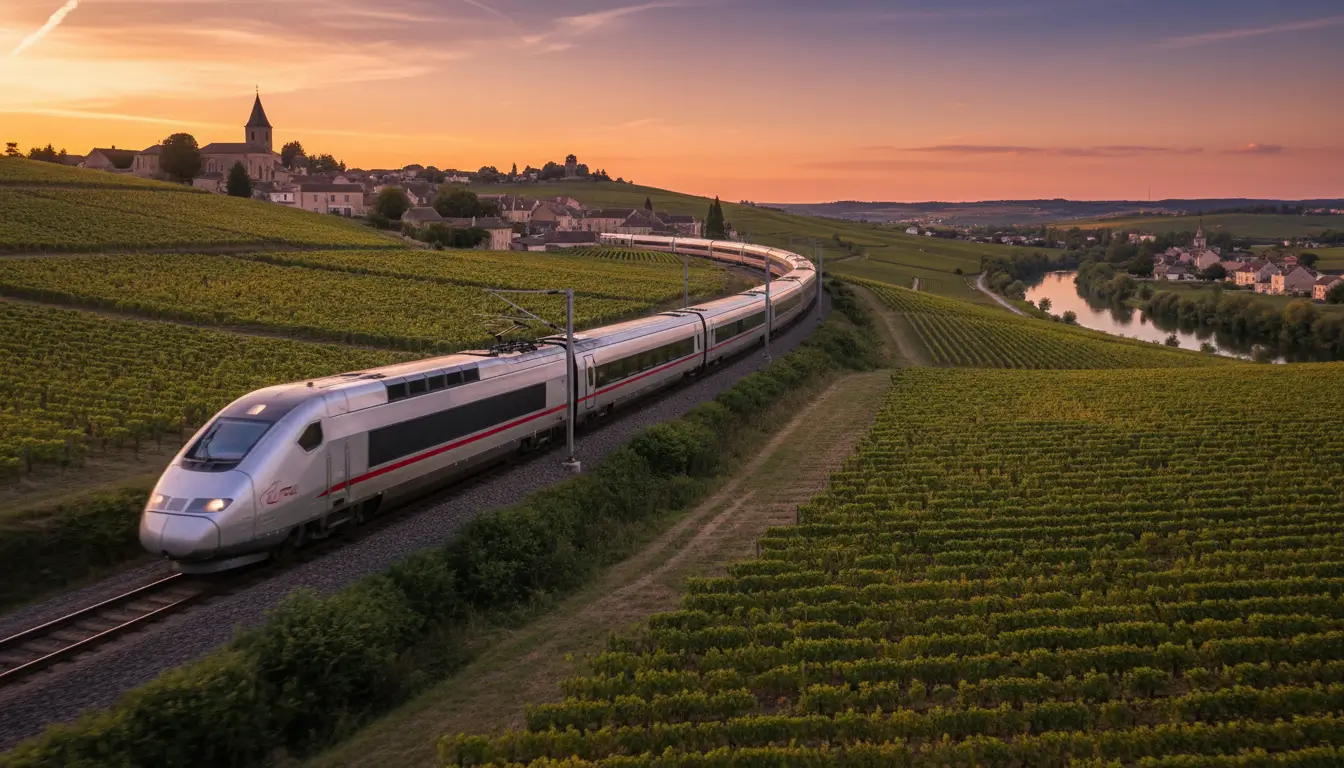
The route runs via Utrecht and Arnhem. The train crosses into Germany at Emmerich. German intermediate stops are Oberhausen, Duisburg, Düsseldorf and Cologne. Between Cologne and Frankfurt the train reaches speeds of up to 300 kilometres per hour. The final destination is Frankfurt (Main) Hauptbahnhof, with some trains continuing to Frankfurt Airport. These international train routes are part of a larger network. The network links travellers to destinations all over Europe.
Returning to the Netherlands is possible with six to seven daily departures from Frankfurt, between 05:29 and 19:29. Travellers from Rotterdam change trains in Utrecht or Amsterdam. The total journey time is around 4 hours and 25 minutes.
‘ This makes the ICE connection to Frankfurt ideal for anyone who wants to travel further without having to book new hotels every day. ’
Frankfurt as a hub for onward travel
Frankfurt Hauptbahnhof is Germany’s largest railway station. It offers connections to virtually all the major cities in Central Europe. From Frankfurt there are frequent trains to Munich, Berlin, Hamburg and Stuttgart. You can continue on to Switzerland with direct services to Zurich, Basel and Bern.
The night trains from Frankfurt offer extra options. The ÖBB Nightjet connects Frankfurt with Austria, Italy and southern Germany. You board in the evening. The next morning you wake up in cities such as Vienna, Innsbruck or even Rome. This makes the ICE connection to Frankfurt ideal for anyone who wants to travel further without having to book new hotels every day.
Frankfurt Airport is also directly connected to the railway station. From Amsterdam you can reach the airport in 3 hours and 38 minutes. Some travellers combine an intercontinental flight with a train journey. Others travel on from Frankfurt with regional trains through Hesse and Thuringia.
Faster than regional trains
ICE International offers significant advantages compared with regional trains to Germany. A journey with changes using local trains quickly takes six to eight hours. The ICE covers the same distance in less than four hours. The direct connection saves time and avoids the hassle of changing trains.
Regional trains stop more often and run more slowly. This is especially true on German sections away from the high-speed lines. The ICE uses the high-speed network between Cologne and Frankfurt. Speeds of 300 kilometres per hour are standard there. This cuts journey times considerably. On top of that, the ICE offers more comfort. You will find more spacious seats, Wi‑Fi, quiet zones and a restaurant car.
Travellers from smaller Dutch cities such as Zwolle or Tilburg can reach it easily. You simply change onto the ICE in Arnhem or Utrecht. During engineering works the train can also stop in Den Bosch. This is an alternative to Arnhem. Check the current timetable in advance. This is especially important during holidays or when maintenance works are taking place on the line.
Tickets and prices
Tickets for the ICE to Frankfurt start at €37.90 for a one-way trip in second class. If you book early, this fare applies up to six months in advance. First class tickets start at €69. Last-minute bookings are often considerably more expensive. Fares can then rise to €191.
For intermediate stops such as Cologne or Düsseldorf, tickets are available from €18.90. The low fares also make the ICE suitable for shorter trips within Germany. If you travel by train through Europe regularly, consider buying a Eurail or Interrail pass. These are travel passes that allow you to travel flexibly on the European rail network. They offer flexibility and cover most international trains, including the ICE.
Tickets can be booked via NS International, Deutsche Bahn or other European railway companies. Seat reservations are not compulsory. During holidays and peak hours they are advisable. That way you are sure of a seat. In first class, a reservation is often included with the ticket.
‘ A longer connection time gives you a buffer. ’
How to avoid delays
Delays on international train routes do occur. They happen mainly during engineering works or in bad weather. The ICE route to Frankfurt is generally reliable. There are times when you should plan in extra time. In autumn and winter, leaves on the line cause problems. This leads to delays on the German section of the route.
Allow plenty of time for important appointments or onward trains. When changing trains in Frankfurt, allow at least 30 minutes to an hour between arrival and departure. The ICE may arrive late. A longer connection time gives you a buffer. Frankfurt Hauptbahnhof is large. Some platforms are a long way apart.
Check the timetable on the day of departure. Use the NS or Deutsche Bahn app to do this. The NS app and the Deutsche Bahn app provide up-to-date information on delays, platform changes and alternative routes. During engineering works, trains sometimes run via a diversion. Sometimes buses replace trains. This mainly happens in spring, when major maintenance works take place. For example, diversions are planned in March 2026. These diversions affect the route.
Comfort and facilities on the ICE
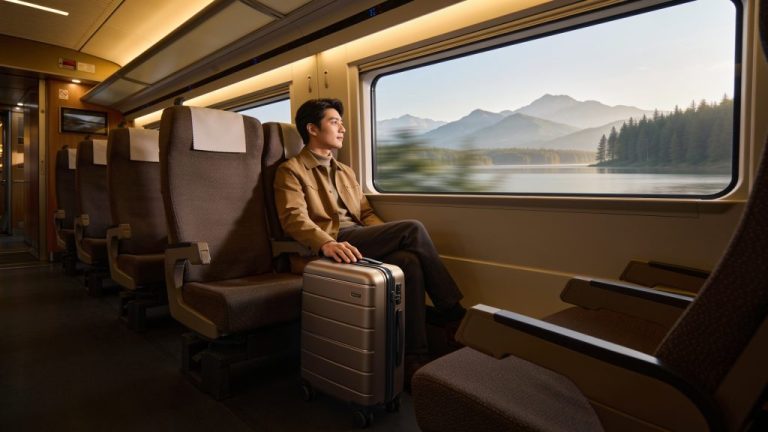
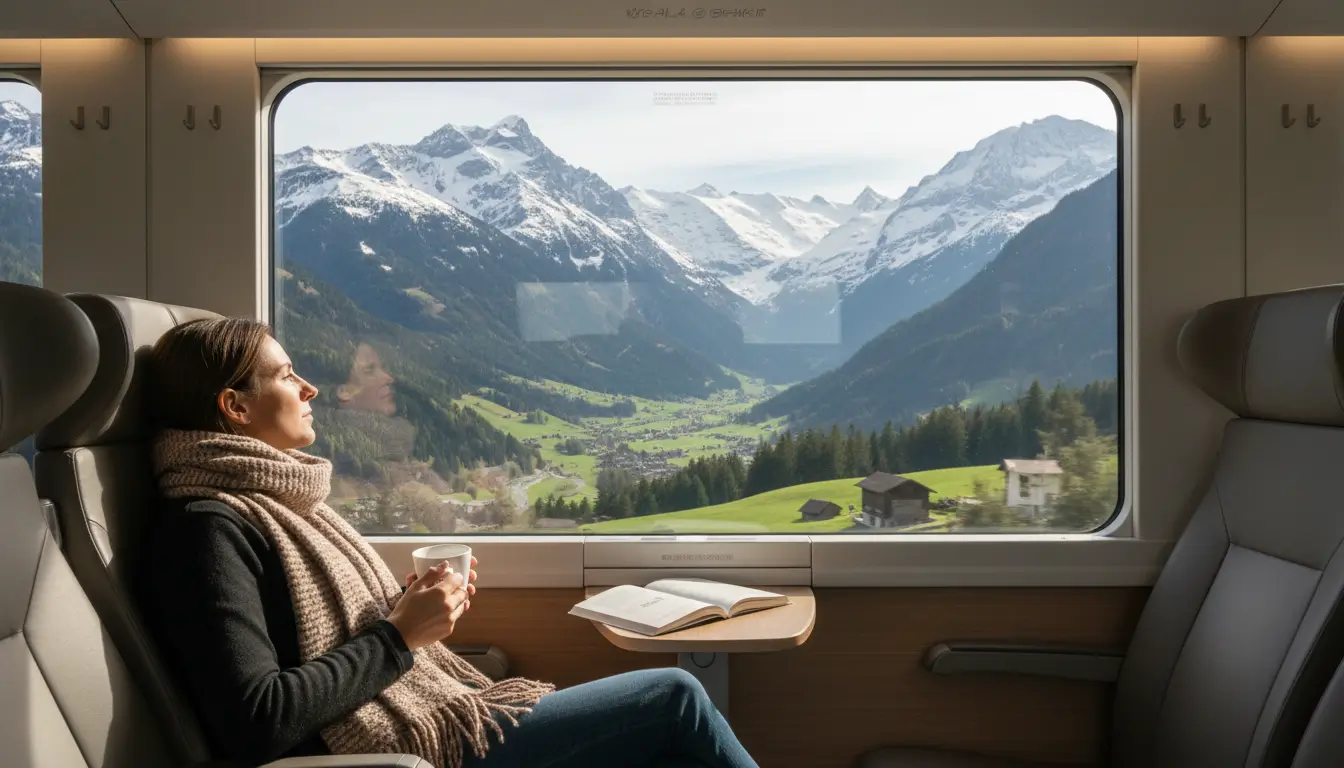
ICE International offers a range of facilities that make the journey more pleasant. All trains have Wi‑Fi. The connection is not always stable in rural areas. Quiet zones are available, where you can work or rest. The restaurant car serves hot and cold meals, coffee and snacks.
Since 2026, modern ICE 3neo trains have been running on this route. These are Deutsche Bahn’s newest trainsets, with improved comfort and equipment. These newer models replace older versions. They offer more legroom, better climate control and more comfortable seats.
First class has extra wide seats and more privacy. This is convenient for longer journeys. It is also ideal if you need to work while travelling.
Luggage is not a problem on the ICE. Above the seats there are racks for hand luggage, and by the doors there are spaces for larger suitcases. Avoid bringing bulky items. Check this in advance. This is especially important during busy periods. You can take a bicycle with a special bike ticket and reservation.
Practical tips for your journey
If you leave early, you avoid the crowds. The morning trains and the last evening train are quieter than the midday and early evening services. If you want to work or relax during the journey, this is pleasant. Ideally, book a window seat in the direction of travel. That gives you the best view and comfort.
Take enough drinks and snacks with you. The restaurant car is a good option, but prices on the train are higher than in a supermarket. Charge your phone and laptop before departure. There are sockets, but not at every seat.
Frankfurt itself is a destination that is well worth a visit. The historic centre around the Römer, the modern skyline and the banks of the River Main offer a mix of old and new. From Frankfurt Hauptbahnhof you can reach the city centre by S‑Bahn in under fifteen minutes. The city is also an excellent starting point for day trips to the Rhine, the Taunus hills or historic towns such as Heidelberg.
‘ The train runs through the Gotthard Base Tunnel, the longest rail tunnel in the world through the Swiss Alps. ’
Future connections
The ICE International network is expanding. From 2025, a daily service between Amsterdam and Munich is planned. This service will run via Frankfurt. It will give travellers even more options for reaching southern Germany and Austria without changing trains.
The connection to Basel in Switzerland is also being expanded. Basel is in north‑western Switzerland, on the border with Germany and France. Until mid‑July some trains will continue through to Basel. You can then reach the heart of Switzerland from the Netherlands in a single journey. This opens up new routes to cities such as Zurich, Bern and Lucerne. You can even travel on to Italy. The train runs through the Gotthard Base Tunnel, the longest rail tunnel in the world through the Swiss Alps.
On Traveler Tips you will find much more information about international train travel, routes across Europe and tips for planning your trip. Discover which destinations are within easy reach and how to organise your rail holiday more smartly.
Frequently asked questions
Book as early as possible (up to about 6 months in advance) to get the lowest Sparpreis fares and avoid travelling at weekends or during school holidays if you want to keep costs down. Always reserve a seat (especially at peak times) and consider 1st class for extra comfort and quiet, particularly on the busy Cologne–Frankfurt section. If possible, choose an early morning or late evening train; these are often quieter and more pleasant. Shortly before departure, check the current timetable and your coach number so you can stand in the right place on the platform and board in a relaxed way.
The ICE International from the Netherlands (for example Amsterdam) to Frankfurt takes around 4 hours; from Utrecht about 3.5 hours and from Arnhem just under 3 hours. On board you will find spacious seats with power sockets, air conditioning and free Wi‑Fi. There is a bistro/restaurant car where you can buy food and drinks. In addition, there are quiet coaches and 1st class sections with extra comfort.
Book a seat reservation (especially in holiday periods) and make sure you arrive at the departure station in good time so you can board calmly. Limit your luggage to easy‑to‑handle suitcases and bags that fit in the racks or above your seat, and label them clearly. Check the latest travel information a day before and shortly before departure (NS International/DB Navigator) in case of possible changes or engineering works. Note down any connections and platform numbers in advance so you do not have to look them up on the spot.
For a conscious traveller, taking the ICE to Frankfurt is often more sustainable than flying or driving, thanks to significantly lower CO₂ emissions per passenger‑kilometre. The train departs from and arrives directly in the city centre (or at Frankfurt Airport), so additional transfers and waiting times like those involved in flying largely disappear. On the way you can work or read in comfort with Wi‑Fi and on‑board catering, without traffic jams or parking stress. What is more, the journey time between Amsterdam and Frankfurt is comparable to, or shorter than, flying once you include check‑in time, security and travel to and from the airport.
For the most comfortable journey, the early morning trains (for example the 06:38 ICE from Amsterdam) and the later evening services are often the quietest, as you avoid the busiest times and most families. The direct ICE connection Amsterdam–Utrecht–Arnhem–Cologne–Frankfurt is already one of the most comfortable options, with quiet zones and good legroom; reserving a seat (especially in 1st class) increases comfort. For a more scenic experience you could consider getting off in Cologne and taking a regional train along the Rhine (via Koblenz), then continuing on to Frankfurt. Always check the timetable shortly before departure, as engineering works can sometimes lead to diversions or extra stops.