 NL
NL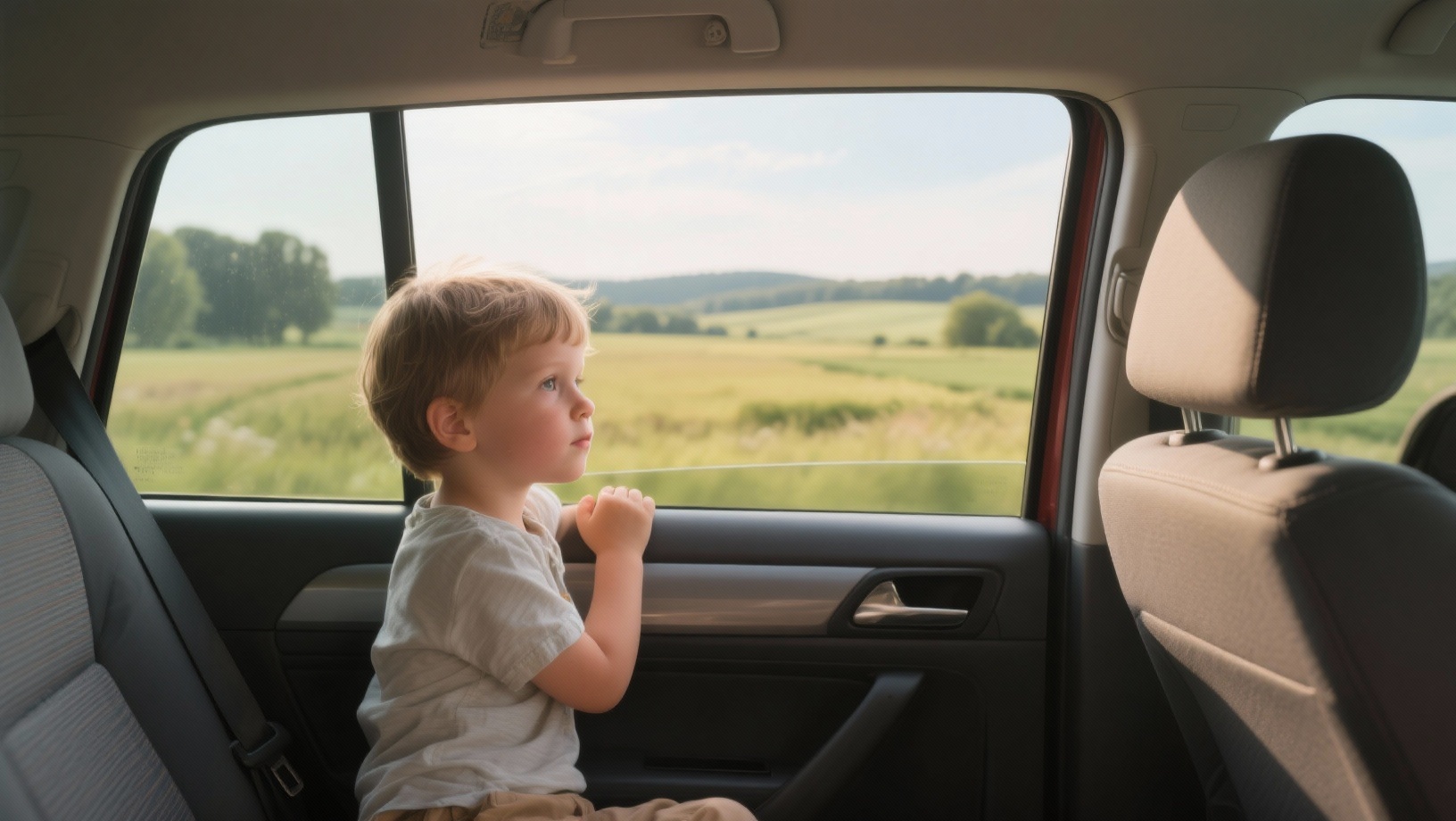
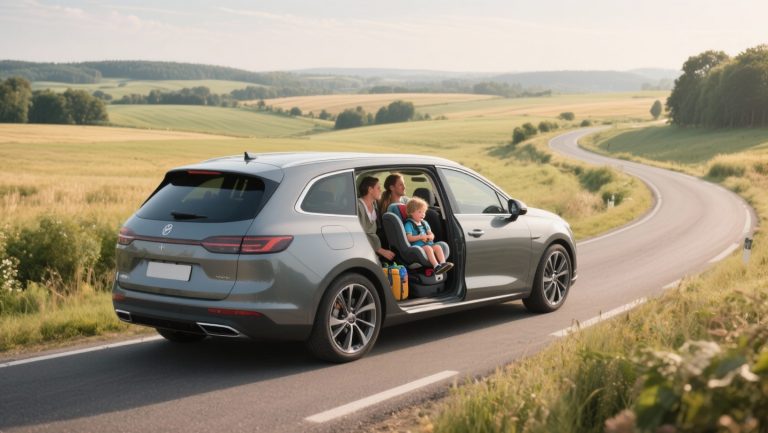
Good preparation and the right adjustments along the way determine the success of preventing car sickness. By consciously considering nutrition, seating position, driving style, and distractions, you can stay ahead of nausea and discomfort and enjoy your car holiday without worries.
What is car sickness and how does it arise?
Car sickness, also known as motion sickness, is a body’s reaction to movement that does not align with what your eyes see. In a car, you sit still, but your balance organ in your inner ear feels the vehicle’s movements: the bends, braking, and accelerating. Your eyes, which may be focused on a book or a screen in the car, see a static image. This conflict between what you feel and what you see confuses your brain. The body reacts with symptoms such as dizziness, headaches, sweating, and nausea, which can lead to vomiting. Children, especially those between two and twelve years old, are particularly susceptible because their balance organ is not yet fully developed.
‘ Careful preparation can significantly reduce the chance of car sickness. ’
Good preparation is half the battle
A relaxed car holiday begins even before you start the engine. Careful preparation can significantly reduce the chance of car sickness. Ensure that you and your fellow travellers are well-rested. Fatigue can worsen the symptoms of car sickness. Try to get enough sleep the night before departure.
Nutrition also has a big influence. Never depart on a completely empty stomach, but also avoid a heavy, greasy meal just before the trip. A light meal, such as a sandwich, some fruit, or crackers, is a better choice. Make sure you eat this about an hour before departure. Avoid carbonated drinks, coffee, and sweets. Water is a good choice to stay hydrated without burdening the stomach.
Medication and other aids
If you know that you or your child is susceptible to car sickness, you can consider using preventive measures. Various options are available:
- Travel sickness tablets: Various tablets are available from chemists or pharmacies that suppress the symptoms of car sickness. Take them in good time, usually half an hour to an hour before departure, so they can take effect. Always read the leaflet for the correct dosage, especially for children.
- Wristbands: Special wristbands, such as Sea-Bands, apply gentle pressure to a specific point on the inside of the wrist. According to theory, this acupressure point reduces nausea. The advantage is that these bands do not contain medication and therefore do not cause side effects such as drowsiness.
- Patches: There are also patches that you stick behind the ear and which release an active substance. These are often only available on prescription and are intended for longer journeys. Consult your GP if you think this is a good solution for you.


The right place and posture in the car
The place where you sit in the car has a significant impact on the extent to which you suffer from car sickness. The most suitable spot is the front seat, as from there you have the widest view of the road and the horizon. By focusing your gaze on a fixed point in the distance, you help the brain to link the movement you feel with what you see. This reduces the conflict between your senses.
If you are travelling with multiple susceptible people, the middle seat in the back is a good alternative. From here, there is often still a reasonable view through the windscreen. The side seats in the back are less suitable, as the view outside is limited to the side window, making the world flash by quickly. Never let children who get sick easily read, look at a tablet, or use a game console. These activities significantly worsen the symptoms. A relaxed, slightly reclined posture with the head against the headrest helps to better absorb the car’s movements.
Tips for a calm journey with children and toddlers
A long car journey with young children requires extra attention, especially if they are susceptible to car sickness. A calm driving style is very important. Try to avoid abrupt braking, rapid acceleration, and sharp turns. Anticipate traffic and drive at as constant a speed as possible. Preferably plan the route via motorways instead of winding mountain roads.
Ensure plenty of fresh air. Open a window slightly or use the air conditioning to circulate the air. A car that is too warm and stuffy makes nausea worse. A temperature around 18 degrees Celsius is pleasant. Regular breaks are also necessary. Stop at least every two hours to stretch your legs, get some fresh air, and eat or drink something light. For toddlers and young children, it can help to plan the journey around their sleep times. Sleeping in the car is one of the most effective ways to prevent car sickness.
Provide distraction that is not screen-oriented. Audiobooks, music, or sing-alongs are good ways to distract from the journey. Playing ‘I spy with my little eye’ also encourages children to look outside and concentrate on the distance.
Good preparation for your car holiday is more than just planning the route. On the Traveler Tips website, you will find many more articles about planning your road trip, smart packing, and travelling with children. By continuing to read on the site, you can prepare your trip even better and make every car journey a comfortable experience.
Frequently asked questions
To minimise car sickness, eat a light meal before departure and ensure you are well-rested. Choose a spot in the front of the car or in the middle of the back seat and fix your gaze on a fixed point in the distance. Ensure fresh air and sufficient coolness in the car, and take regular breaks. Consider medication, wristbands, or patches as a preventive aid.
To reduce car sickness while driving, it is advisable to eat lightly before departure, be well-rested and, if necessary, consider medication or aids such as Sea-Bands. Choose the front seat or the middle rear seat and fix your gaze on a fixed point in the distance; avoid reading or screens. Ensure a calm driving style with constant speed and fresh air in the car, and take regular breaks. Distraction with music or audiobooks can also help, while for children it is important to divide light meals and let them sleep or take breaks.
The choice of route and time of travel certainly influences the prevention of car sickness. To plan this smartly, it is advisable to eat a light meal, be well-rested and, if necessary, use medication or aids. Choose the front seat or middle rear seat, look ahead, and drive calmly, at a constant speed. Ensure fresh air, coolness, and take regular breaks.
To effectively prevent car sickness on longer road trips, it is advisable to eat lightly and on time, get enough rest, and possibly consider car sickness pills, wristbands, or patches. Choose a spot in the front of the car or in the middle of the back seat, look ahead to a fixed point in the distance, and avoid screens. Drive calmly, ensure fresh air and coolness in the car, and take regular breaks.
For an optimal travel experience when someone is prone to car sickness, it is essential to eat lightly before the trip, rest sufficiently, and possibly use preventive measures such as car sickness pills. During the journey, it is advisable to sit in the front and look at a fixed point in the distance, while avoiding abrupt acceleration, braking, and sharp turns. Ensure fresh air and take regular breaks to walk and get some fresh air, and distract yourself with music or audiobooks instead of screens.