NL
NL
Wild camping: freedom of nature on your own terms
A successful wild camping experience stands or falls with good preparation. It offers you the greatest possible freedom to spend the night in unique places, but it requires knowledge of local rules, the right equipment and respect for nature. Anyone who does their research and follows the principles of ‘Leave No Trace’ can enjoy sleeping in the wild in a responsible way. Discover here how to plan your trip for a comfortable and unforgettable experience.
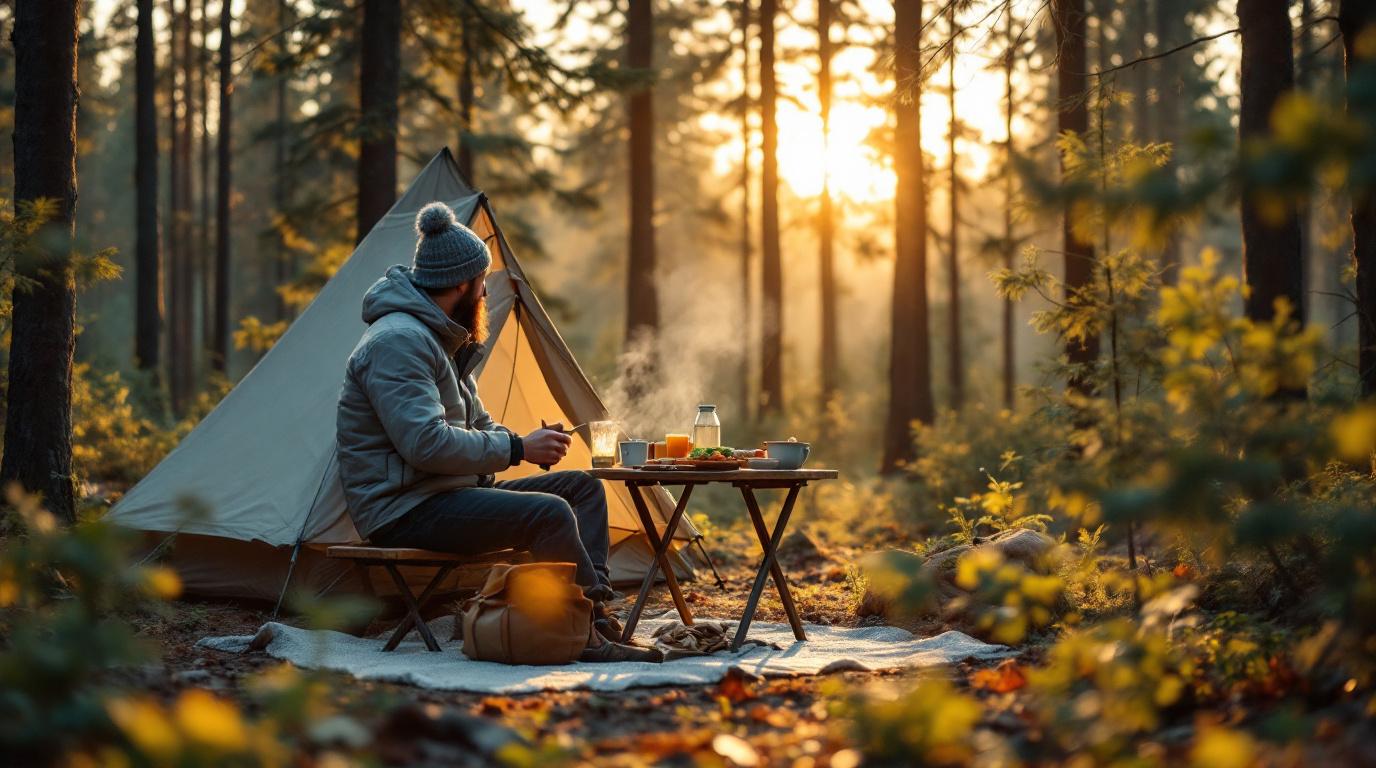
Wild camping is the purest form of a holiday in nature. It means spending the night in a tent or under a tarp, far away from civilisation and without the facilities of a campsite. This way of travelling allows you to explore nature at your own pace, wake up to the sound of birds and reach places where few other people go. It demands self-sufficiency, but the reward is a sense of peace and connection with your surroundings.
Legislation and rules: where is it allowed and where not?
The rules for wild camping differ greatly per country and sometimes even per region. Good preparation starts with researching the local legislation to avoid fines or other problems. In some countries wild camping is widespread and legal, while in others it is strictly forbidden.
In Scandinavian countries such as Norway, Sweden and Finland, the ‘Right to Roam’ (Allemansrätten) applies. This right gives everyone the freedom to enjoy nature, including putting up a tent for one night, as long as you show respect for the environment, keep your distance from houses and farmland, and leave no trace. In Scotland a similar right applies, laid down in the ‘Scottish Outdoor Access Code’.
In many other European countries the legislation is stricter. In the Netherlands, Belgium and Germany wild camping is in principle prohibited. There are, however, legal alternatives, such as pole camping sites or bivouac zones. These are designated areas in nature where you are allowed to camp legally for a short period with minimal facilities. In southern European countries such as France, Spain and Italy, wild camping is generally not allowed, certainly not in national parks and coastal areas. Sometimes it is tolerated higher up in the mountains (above a certain altitude), often with the rule that you only pitch your tent after sunset and take it down again before sunrise.
‘ Because you carry everything yourself, it’s important to find a balance between weight, comfort and functionality. ’
The right preparation: equipment for trekking
Good equipment is the foundation of a comfortable and safe wild camping experience. Because you carry everything yourself, it’s important to find a balance between weight, comfort and functionality. A lightweight trekking tent is one of the most important investments. Choose a tent that suits the climate and weather conditions of your destination. A three-season tent is sufficient for most travellers.
In addition to a tent, a good sleeping bag and sleeping mat are essential. The temperature rating of your sleeping bag should match the expected night-time temperatures. An insulating sleeping mat protects you from a hard surface and at the same time from cold rising from the ground. For cooking you need a compact stove, a small pan and cutlery. Don’t forget a reliable navigation aid, such as a GPS device or a compass in combination with a paper map.
Route planning and navigation: heading into nature smartly
Thorough route planning is an important part of your preparation. Study maps and online resources to map out a route that matches your fitness and experience. Take into account the distance you want to cover each day, the availability of water sources and possible camping spots. It’s wise to plan your route in such a way that you remain flexible and can respond to unexpected circumstances, such as bad weather.
Navigating in remote areas requires reliable tools. Although a smartphone with GPS function is convenient, you should not rely on it completely. The battery can run out and in many natural areas there is no mobile signal. Always make sure you have a back-up. A physical, waterproof map of the area and a compass are indispensable. Practise using them in advance so that you know how to determine your position and find the right direction.
Leave No Trace: respect for nature and surroundings
Responsible wild camping means leaving nature as you found it, or even better. The ‘Leave No Trace’ principles provide a practical framework for this. These seven guidelines have been developed to minimise impact on nature and to ensure that future generations can also enjoy the wilderness.
The seven principles are:
- Plan ahead and prepare properly: Know the rules of the area and take the right equipment with you.
- Travel and camp on durable surfaces: Stay on paths and choose a camping spot on firm, dry ground.
- Dispose of waste properly: Take all your rubbish, including food scraps, back home with you.
- Leave everything as you find it: Do not disturb plants and animals and do not move stones or wood.
- Minimise the impact of campfires: Only make a fire where it is allowed and use a fire pan or an existing fire ring.
- Respect wildlife: Observe animals from a distance and never feed them.
- Be considerate of other visitors: Keep noise to a minimum and allow others an undisturbed nature experience as well.
‘ A compact first aid kit is essential for treating minor injuries such as blisters, cuts or insect bites. ’
Safety and emergencies: prepared for every situation
Safety is a priority when wild camping. The weather in nature can change quickly, so check the forecast and be prepared for rain, wind or cold, even if it is sunny when you set off. Always inform someone of your plans: leave your route and expected return date with friends or family.
A compact first aid kit is essential for treating minor injuries such as blisters, cuts or insect bites. Know how to act in more serious emergencies and make sure you have a means of communication that works without mobile coverage, such as a satellite phone or a personal locator beacon (PLB), especially if you are heading deep into the wilderness. Be aware of the local wildlife and know how to avoid encounters or how to respond if you do come across an animal.
Water and food: self-sufficient enjoyment
Sufficient water and nutritious meals are necessary to keep your energy levels up during a trek. Plan your route along reliable water sources, such as rivers or lakes. You must purify all water from nature before drinking it to avoid getting ill. Use a water filter, water purification tablets or boil the water for at least one minute.
Opt for lightweight, high-calorie and long-life food. Dried meals, nuts, energy bars and porridge oats are popular choices. Divide your food into daily portions to keep an overview and make sure you always have an extra day’s supply with you for emergencies. At night, store your food in a sealed bag, preferably hung from a tree, to prevent animals being attracted to it.
Finding the ideal camping spot: a practical guide
A good camping spot is safe, sheltered and has minimal impact on the environment. Look for flat, dry ground to pitch your tent. Avoid fragile vegetation and camp at least 60 metres away from water sources to prevent pollution and to avoid disturbing animals that come to drink. A place that offers natural shelter from wind and rain, for example among trees, is ideal. Check the surroundings for risks, such as dead branches that might fall from trees, or the risk of flooding during heavy rain. Be discreet and do not pitch your tent in full view of paths or houses.
‘ This way you build confidence for longer trips in more remote areas. ’
Frequently asked questions and final tips
People who go wild camping for the first time often still have questions. A frequently asked question is how to deal with toilet needs. The rule is to do this at least 60 metres away from water and your camping spot. Dig a small hole 15–20 cm deep and cover it up neatly afterwards. Take toilet paper back with you in a sealed bag.
Another tip is to test your equipment at home first. Put up your tent in the garden and try out your stove. That way you’ll find out whether everything works and whether you’ve forgotten anything. Start with a short trip of one or two nights close to home to gain experience. This way you build confidence for longer trips in more remote areas.