 NL
NL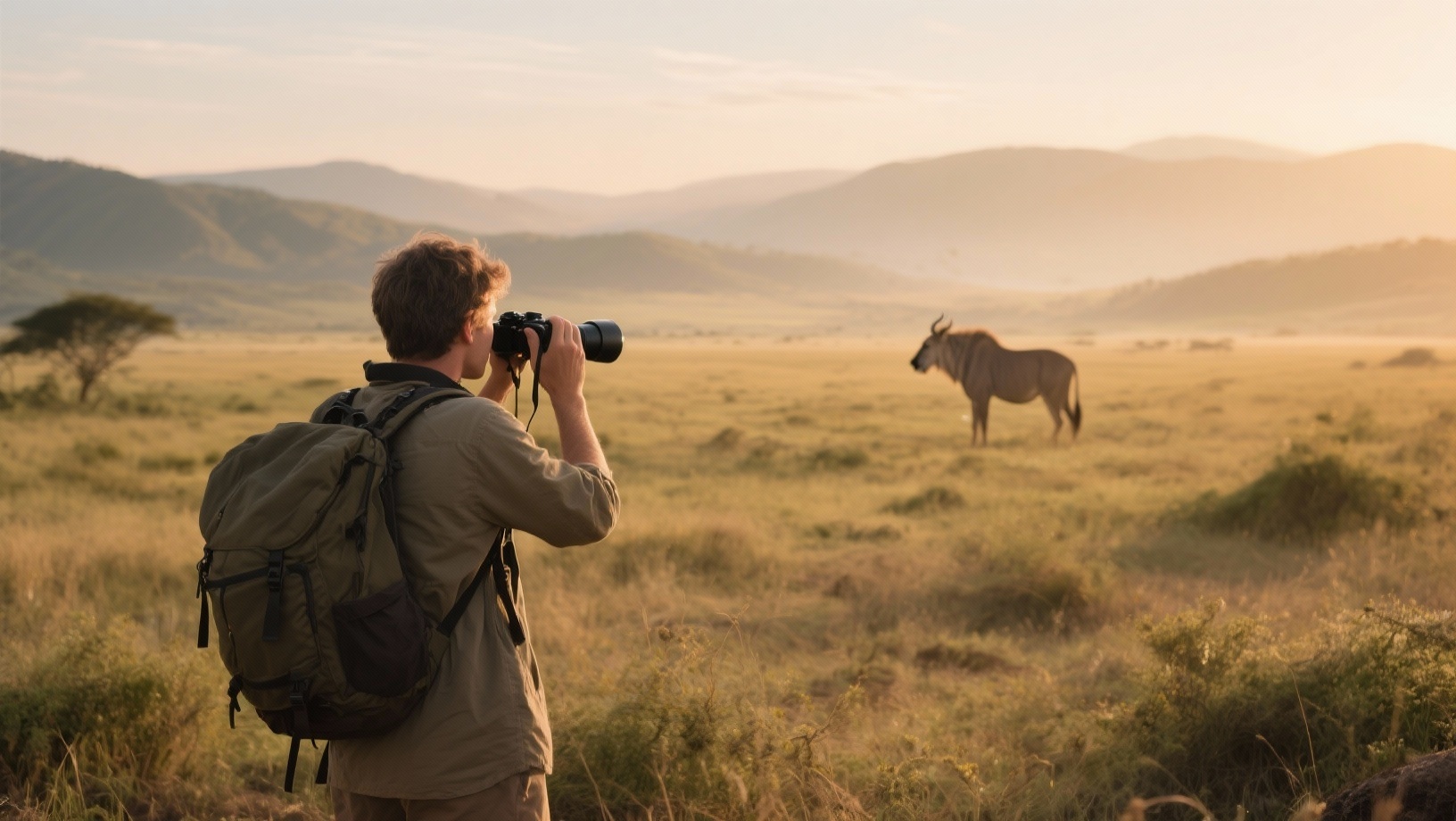
Everything for an unforgettable wildlife holiday
A well-prepared wildlife holiday offers a direct and respectful encounter with animals in their natural habitat. The key to a successful trip lies in making thoughtful choices about your destination, travel period and the way you observe wildlife. Careful planning not only increases your chances of seeing animals, but also ensures that you do so in a responsible way. Read on and discover how to prepare your trip to see animals in the wild in the best possible way.
These trips are an intense form of nature holiday, with the focus entirely on observing animals in their own living environment. It is a type of trip that calls for patience, respect and good preparation. For travellers who consciously choose car journeys or road trips, such a holiday offers a deeper connection with the destination, far away from mass tourism. Organising such a trip yourself gives you the freedom to choose a route that matches your interests and pace.
Different ways to spot animals
The method you choose to observe animals largely determines your experience. Each approach has its own dynamic and is suitable for different landscapes and animal species. A classic game drive, often in an open 4×4 vehicle, allows you to cover large distances in savannahs or open plains in relatively little time, increasing your chances of seeing predators, for example. For a more immediate experience of nature, guided walking safaris with an armed guide are a good option. You use all your senses and learn to read tracks and recognise animal sounds.
In water-rich areas such as the Okavango Delta in Botswana or the Kinabatangan River in Borneo, a boat safari is the method of choice. From the water you see animals coming to drink on the banks and you have a unique perspective on hippos, crocodiles and waterbirds. Another effective way is to use observation hides, also known as ‘hides’. These are often strategically located by waterholes or clearings in the forest. From a hide you can observe animals undisturbed and up close without disturbing them, which requires patience but is often rewarded.
‘ A considered choice is the first step towards a successful trip. ’
Top destinations for wildlife spotters worldwide
The range of destinations for seeing animals in the wild is enormous. Every continent has its own iconic species and ecosystems. A considered choice is the first step towards a successful trip.
Africa
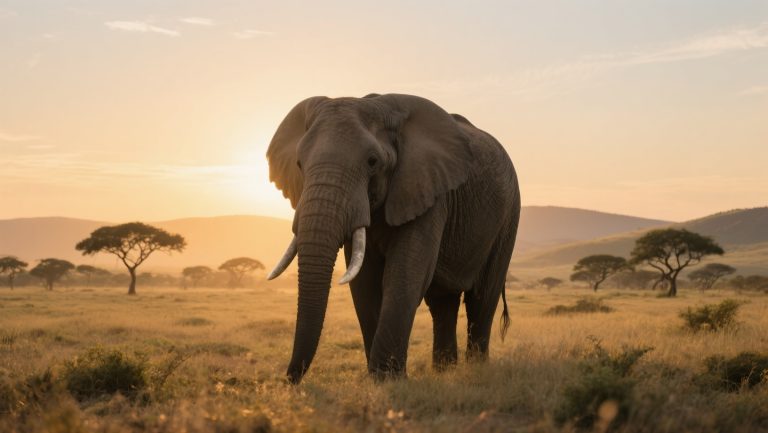
For many, Africa is the classic safari destination. In countries such as Tanzania and Kenya, the annual Great Migration of wildebeest and zebras is central. With its vast landscapes and self-drive options, Namibia offers a sense of freedom, where you may encounter desert elephants and black rhinos. For mountain gorillas you travel to the rainforests of Uganda or Rwanda, an impressive experience with strict rules in place to protect the animals.
Asia
Asia is home to a great diversity of wildlife. India is the place to spot the Bengal tiger in national parks such as Ranthambore and Bandhavgarh. For orangutans, pygmy elephants and proboscis monkeys, Borneo is the destination of choice. A river cruise through the jungle offers the best chances here. Sri Lanka is surprisingly varied, with good opportunities to see leopards, elephants and even blue whales.
North and South America
North America is known for its large mammals. In the national parks of Canada and Alaska you can look for grizzly bears, black bears, moose and wolves. Costa Rica is a paradise for lovers of smaller species, monkeys, sloths and colourful birds. The Galápagos Islands, part of Ecuador, offer a unique chance to see species that are found nowhere else in the world and know no fear of humans.
The best time to travel for optimal wildlife watching
Timing is a decisive factor for a wildlife holiday. The seasons, migration patterns and climate greatly influence where and when animals are active and visible. Good planning around the right period can make all the difference. In many African safari destinations, the dry season is the best time. Because water is scarce, animals gather around the remaining rivers and waterholes, making them easier to find. The vegetation is thinner, which improves visibility.
For specific events such as the Great Migration in East Africa, you must carefully align your trip with the location of the herds, which move through the Serengeti and Masai Mara over the course of the year. The birthing season for young animals is also a special time to travel. This is often at the start of the rainy season, when there is enough food. It is also the period when predators are most active. To see whales, you are tied to their migration routes and the seasons in which they stay in certain coastal areas to mate or calve. Research the local conditions at your chosen destination thoroughly to avoid disappointment.
Guides, local experts and reliable organisations
The value of an expert guide cannot be overstated. A good local guide not only knows where the animals are, but can also interpret their behaviour, recognise tracks and tell you a great deal about the ecosystem. Their experience delivers a deeper and richer experience. In addition, a guide is responsible for your safety, especially on walking safaris or in areas with dangerous animals.
When choosing a tour operator or local provider, reliability is an important criterion. Look for organisations that work with small groups, which reduces the impact on nature and makes the experience more personal. Check whether they have the correct licences and certifications and read independent reviews from other travellers. Organisations that contribute to local conservation projects or support the community show long-term commitment that goes beyond tourism alone.
‘ A rule of thumb is that if your presence changes an animal’s natural behaviour, you are too close. ’
Ethical travel: respect for animals and habitat
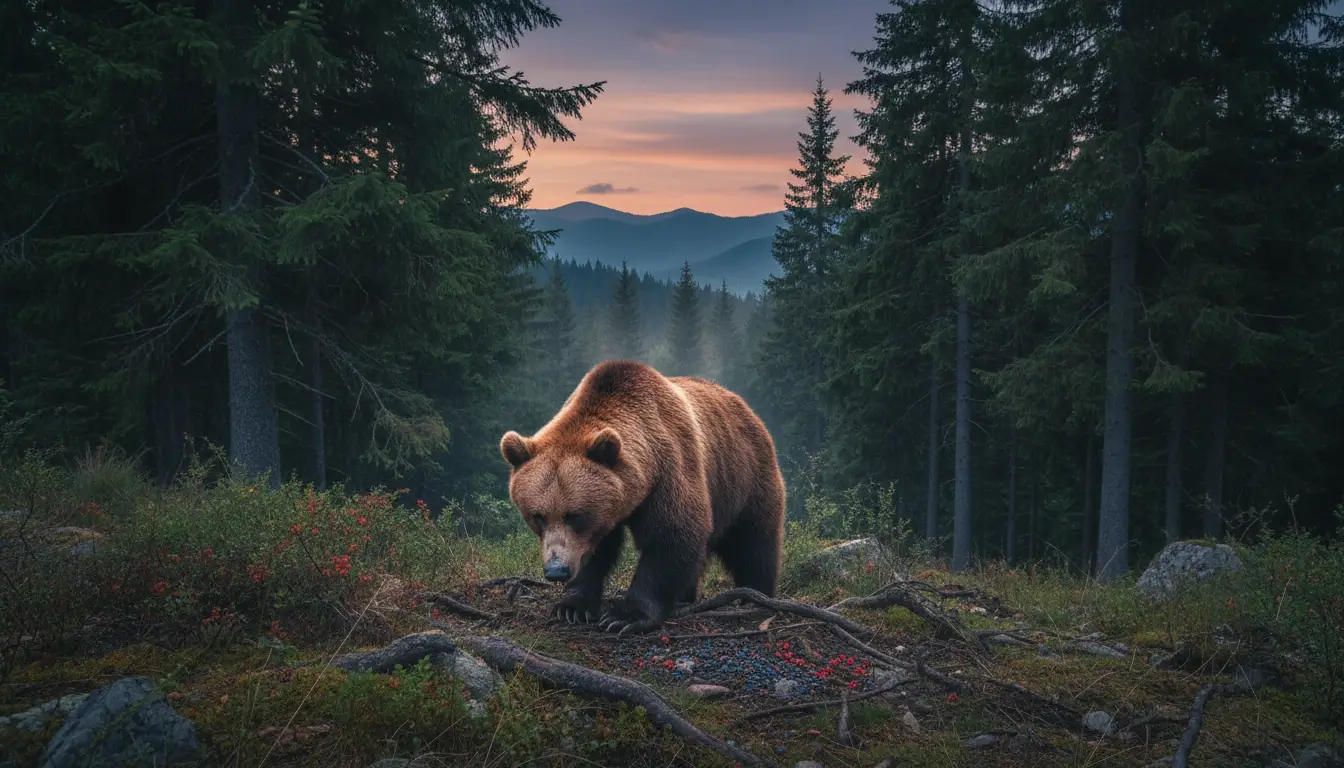
As a conscious traveller, it is your responsibility to ensure that your presence has no negative impact on the animals and their habitat. Responsible observation comes first. This means always keeping sufficient distance and never disturbing animals or driving them into a corner for the sake of a photo. A rule of thumb is that if your presence changes an animal’s natural behaviour, you are too close.
Never feed wild animals. It disrupts their diet and natural foraging behaviour and makes them dependent on humans, which can create dangerous situations. Always follow the instructions of your guide and the rules of the national park or reserve. Stay on designated paths and roads to protect vulnerable vegetation. Choose accommodation and organisations that apply clear sustainability principles, such as limiting water and energy consumption and handling waste correctly. Avoid attractions where animals are used for entertainment.
Practical preparation: what to take and what to think about
Good preparation is half the work. What you pack for a wildlife holiday can significantly affect your comfort and your success. Focus on functional choices that match your destination and the activities you are planning.
- Clothing: Choose clothing in neutral, muted colours such as green, brown, grey and khaki. Bright colours can scare animals away. Dress in layers so you can adapt to changing temperatures throughout the day. A lightweight waterproof jacket is often practical, even in dry seasons.
- Equipment: A good pair of binoculars is essential. They allow you to watch animals from a distance without disturbing them. For photography, a camera with a telephoto lens is recommended to bring animals closer. Take plenty of memory cards and a spare battery.
- Health and safety: Well before departure, consult a medical specialist about the vaccinations and malaria prophylaxis required for your destination. A small travel first-aid kit with basic supplies is always a good idea. Protect yourself from the sun with a hat, sunglasses and sunscreen, and take insect repellent.
- Behaviour and patience: The most important quality for a wildlife spotter is patience. Animals cannot be directed. Sometimes you have to wait a long time, but the reward can be great. Stay quiet, avoid sudden movements and enjoy the whole environment, not just the big animals.
Your unspoilt adventure starts here
A wildlife holiday is more than ticking off a list of animals. It is an invitation to immerse yourself in nature, to observe and to learn. By planning your trip carefully, making the right choices and travelling with respect for nature, you create a meaningful experience. The silence of the wilderness, the thrill of the search and the sight of an animal in its own world are the elements that make such a trip truly special.