NL
NL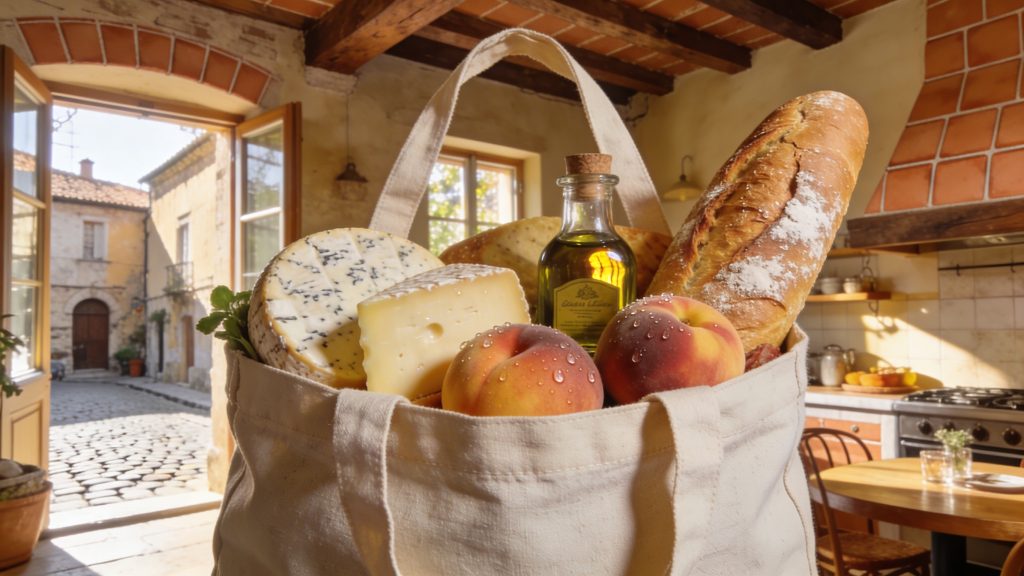
Within the EU you are allowed to take personal quantities of food and groceries with you. Strict food safety and animal health rules determine what is and is not permitted. Meat, dairy and fresh produce from non-EU countries are often prohibited to prevent the risk of diseases. Do you like to take your own groceries on a driving holiday? Good preparation helps you avoid fines and confiscation. Read on for all permitted products, prohibitions and practical tips.
The rules on food imports have been tightened in recent years. This is especially important if you are travelling from the Netherlands. Different rules apply within and outside the EU. Before you leave, it is sensible to check which border crossings, customs rules and travel formalities apply to your route. That way you avoid unpleasant surprises at the border and do not lose valuable holiday time.
What you can take and what you can’t
The EU applies strict food safety rules to prevent the spread of animal diseases and plant pests. The type of food and the country of origin determine whether you may import products. Travelling between EU countries is usually not a problem. When travelling from or via non-EU countries such as the United Kingdom, Switzerland or the Balkans, restrictions apply.
Meat, poultry and fish products
Meat and meat products from non-EU countries are banned for personal import. This also applies to sausage, salami, tins containing meat and meat-based pet food. These products may carry infectious animal diseases. Planning to stay in Germany or France and your cool box contains Dutch meat? That is allowed without any problem. Travelling from Serbia or the United Kingdom into the EU? These products will be confiscated if discovered during checks.
Dairy products such as cheese and yoghurt
Cheese, milk and yoghurt from non-EU countries may not be imported. There is one exception. Limited amounts of baby food or medical nutrition are allowed up to a maximum of 2 kilos per person. Within the EU there is no such restriction. Taking Dutch cheese in your car to Germany or Austria? That is allowed without any issues. Pre-packaged dairy products from well-known brands tend to pass checks more quickly. Loose, self-packed items will be checked more thoroughly.
Fresh vegetables, fruit and nuts
Plant products such as vegetables, fruit and nuts are allowed. The limit is 2 kilos per person for personal use. The products must be free from pests and comply with pesticide requirements. Border crossings in Southern Europe, such as Spain and Italy, tend to be extra strict on this because of the risk of citrus pests. Fresh vegetables or strawberries in your caravan are generally fine. Remove any sand and soil. That speeds up inspections.
Packaged groceries and long-life products
Biscuits, chocolate, pasta, tinned food and other packaged foodstuffs are allowed. The value limit is 430 euros per person when travelling by plane or boat, and 300 euros when travelling by car, coach or train. These products must be for personal use. Do not resell them. Tip: keep your receipts. They help prove that the products are not intended for resale.
‘ In some cases fines can be imposed that can run to several thousand euros. ’
What fines and checks you can expect
Failure to comply with import rules leads to confiscation of prohibited products. In some cases fines can be imposed that can run to several thousand euros. Fines depend on various factors. The type of product, the quantity and the seriousness of the offence determine the amount. Border customs can scan suspicious luggage using X-ray equipment. If in doubt, they will take samples for laboratory testing.
At border crossings such as Schiphol or Frankfurt, quick scans are regularly carried out. Customs officers mainly look for meat, dairy and large quantities of the same product. Unsure whether certain groceries are allowed? Then choose the red declaration channel. It takes a little more time but prevents you being hit with a fine later. The green channel is only for luggage without risk products.
Stricter checks from 2026
From February 2026, tighter import checks will apply. This concerns products from third countries. The EU will then carry out more intensive checks on pesticide residues, food safety and animal welfare. Around 51 per cent of inspections will focus on non-EU exporters. This means that border checks can take longer, especially at busy times.
The EU is also introducing new packaging rules. From August 2026 all packaging must be recyclable. In addition, packaging must comply with limits for harmful substances. An example of this is PFAS (poly- and perfluoroalkyl substances). Single-use plastics will be further restricted. For travellers this means that factory-packaged products are preferable to homemade snacks or loose products in plastic bags.
Regional differences within Europe
The EU rules apply across Europe. There are still regional differences. Within the Schengen area free movement is possible without border controls between member states. The Schengen area is a zone in which 27 European countries have abolished internal border checks. However, imports from the United Kingdom, Switzerland or the Balkans are always subject to the same checks as for non-EU countries.
In Northern Europe the focus is on protected flora and fauna. Berries and mushrooms from forested areas must be clean and free of pests. In Southern Europe extra attention is paid to citrus fruit and olives because of pest risks. Eastern European countries such as Poland and Hungary check more often for alcohol and tobacco in addition to food, with lower personal limits than in Western Europe.
Practical tips for self-sufficient travel
Prepare properly. Before you leave, make a packing list with the quantities of food you are taking. Check that these remain within EU limits. The EU offers a traveller’s checklist for your specific route. This checklist helps you check what you may and may not take with you.
- Travel with factory-packaged products to speed up checks and avoid discussion
- Avoid homemade snacks, fresh meat or products in cool boxes without their original packaging
- Buy groceries in EU supermarkets immediately after arrival as an alternative
- Use digital tools such as the EU Customs app (an official European customs app that lets you check products and limits)
- Throw away fresh fruit before arrival if you are unsure about the rules
Animal feed must be dry and sterilised. This is important for pet owners. Wet food is prohibited at border crossings from non-EU countries. Bear this in mind if you travel with your dog or cat.
How to avoid problems at the border
Be honest and transparent. In doubt? Always declare your luggage via the red channel. It may take a little longer, but it prevents fines and delays later on. The green channel is only for risk-free luggage without food from non-EU countries or large quantities of products.
Keep receipts for groceries you have bought. They help show that products are for personal use. Large quantities of the same product quickly raise suspicions of resale. Keep your luggage tidy and clean so customs officers can quickly see what you are carrying.
Since 2026, additional inspections have led to roughly 50 per cent more checks at the borders. Waiting times can increase to one or two hours at busy periods. Factor this into your travel schedule, especially during holidays and public holidays.
Find out more about border crossings and travel formalities
On the Traveler Tips website you will find extensive information on customs rules, toll roads, mandatory documents and many other topics. These subjects help you prepare for your driving holiday. The right knowledge ensures a carefree trip. Discover more useful tips and plan your next journey with confidence.
Frequently asked questions
Within the EU you may take almost all ordinary food and groceries for personal use, as long as these are not large (commercial) quantities. Products must be factory-packaged and safe; homemade products and fresh meat/fresh fish may attract extra attention. The general value limit for all goods taken together is around €300 per person when travelling by car/coach/train. Always check per country whether there are additional rules or restrictions, for example for alcohol, tobacco or specific high-risk products.
Within the EU there is in principle free movement of goods for personal quantities, meaning there are usually no specific restrictions on meat, dairy, fresh produce or alcohol if they come from another EU country and are for personal use. The main EU import bans and restrictions for meat, dairy and many fresh products apply mainly when entering from non-EU countries. Alcohol may be taken between EU countries as long as it is clearly for personal use and excise duty has already been paid in the country of purchase; extremely large quantities may be regarded as commercial. Always check for any national exceptions (for example local excise rules or protected products) in the destination country.
Between two EU countries there are in principle no quantity limits for most foods that you take for personal use. Normal checks and strict import rules mainly apply when entering from non-EU countries. Do bear in mind that products must be for personal use and not for commercial purposes. If in doubt, always check the customs rules of both countries.
If you enter the EU from a non-EU country such as Switzerland or the UK, you are in principle not allowed to bring meat and dairy products (such as sausage, cold cuts, cheese, milk, yoghurt or meat-based dog food), except for limited quantities of baby or medical food (max. 2 kg per person). Small quantities of plant products (such as fruit, vegetables and nuts) are usually allowed up to about 2 kg per person, provided they are for personal use and free from pests. Factory-packaged food such as biscuits, chocolate, pasta and tinned goods is generally allowed within the overall value limits for imports (around €300–€430 per person) and only for personal use. If in doubt, you should declare the products to customs (red channel) to avoid confiscation and fines.
For food you bring yourself across EU borders there are no separate “documents” as long as it concerns small, personal quantities and the products are permitted (no meat/dairy from outside the EU, limited plant products, factory-packaged foodstuffs). The food must meet EU requirements for food safety and animal/plant health (SPS rules); if in doubt or if you exceed limits, you must declare the goods to customs. There are no specific packaging rules for travellers, but factory-packaged, labelled products are accepted more readily than homemade or loose foods. From 2026, stricter checks and recyclability requirements for packaging will generally apply, but these are primarily aimed at trade flows, not at small personal quantities.
If you unintentionally take prohibited food across an EU border, customs can seize and destroy it. You may also receive a fine that can amount to thousands of euros, depending on the country and the seriousness of the offence. In some cases, a note may be made in customs systems, which can lead to extra checks on future journeys. It is always the traveller’s responsibility to find out in advance what is allowed.