NL
NL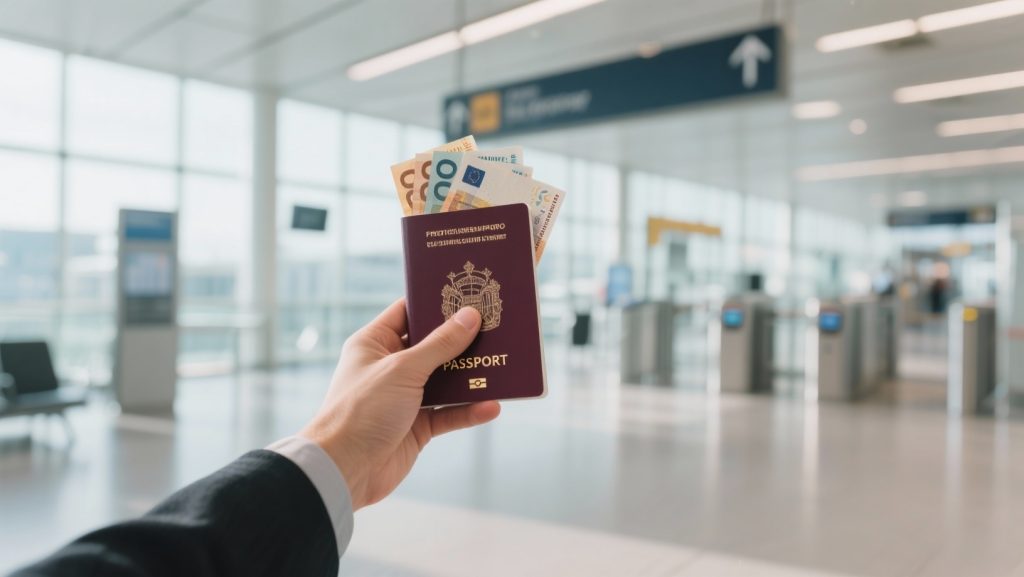
Travelling within the European Union (EU) with a large sum of cash is subject to strict conditions. The main rule is the obligation to declare cash and payment regulations at border controls, which applies to amounts of €10,000 or more. This is not an attempt to limit your freedom, but a measure to combat financial crime. Those unaware of the regulations risk confiscation of money, fines, and even criminal prosecution. Good preparation prevents unpleasant surprises at the border.
\n\nThe €10,000 rule within the EU
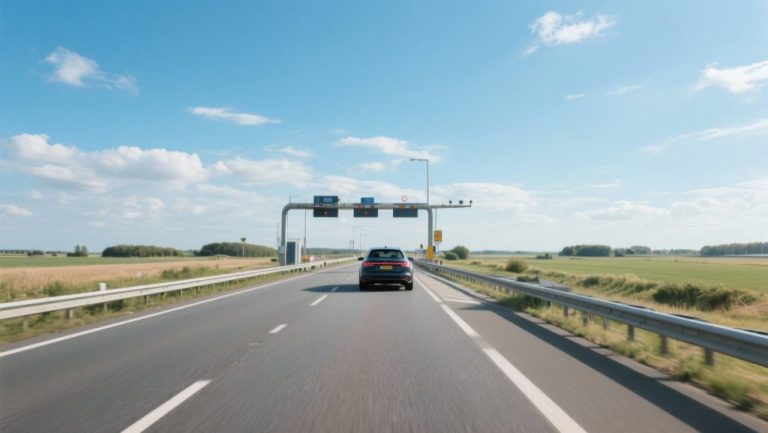
\n\n\n\nThe rule is clear: anyone travelling into or out of the EU with €10,000 or more in liquid assets is obliged to declare this to customs. This rule applies to the external borders of the EU, but within the EU, additional rules sometimes apply per country. In many countries, including Germany, customs may ask for an oral declaration during any check if you are travelling with an amount of this size. This measure has been introduced to combat money laundering and terrorist financing.
\n\n\n\nDefinition of liquid assets
\n\n\n\nThe term ‘liquid assets’ is broader than just cash. It refers to a sum of valuable papers. This includes:
\n\n\n\n- \n
- Banknotes and coins in all currencies \n\n\n\n
- Cheques, including travellers’ cheques \n\n\n\n
- Gold, silver, and other precious metals \n\n\n\n
- Negotiable securities such as bearer shares and bonds \n
It is the total value of all these assets that must not exceed the threshold of €10,000 without declaration. For travel groups, the limit applies per person, not per travel group or per vehicle.
\n\n\n\nHow and where to declare
\n\n\n\nMaking a declaration is a relatively simple process. When entering or leaving the EU, you fill in a declaration form, which is available at customs posts at the border. On this form, you state your personal details, the origin, and the destination of the money. Within the EU, such as at the border with Germany, a customs officer may ask you about the amount of cash you have with you. You are then obliged to answer truthfully. Failure to declare is an offence, even if the origin of the money is entirely legal.
\n\n\n\n\n‘ The risk of losing your money and getting a criminal record is not worth it. ’
\n
consequences of failing to declare
\n\n\n\nCustoms regularly carry out checks, both visibly at the border and with mobile inspection teams inland. Modern detection methods, such as currency sniffer dogs and scanning equipment, significantly increase the chance of discovering large sums of money. The consequences of not declaring are serious. Customs can seize the money and initiate an investigation into its origin. This can lead to high fines and, in serious cases, even criminal prosecution. The risk of losing your money and getting a criminal record is not worth it.
\n\n
alternatives to cash
\n\n\n\nIn most European countries, you can travel perfectly well without large amounts of cash. Carrying a stack of banknotes is not only impractical but also unsafe. Fortunately, there are plenty of alternatives that make your trip more comfortable and safer. A combination of payment methods is the best preparation for a smooth road trip.
\n\n\n\nTips for a carefree road trip without cash
\n\n\n\nGood preparation in terms of payments makes your trip much more pleasant. With these tips, you’ll be prepared for most situations:
\n\n\n\n- \n
- Use your debit and credit card for most payments. You can use your regular bank card (Maestro or V PAY) to withdraw cash and make payments almost everywhere in Europe. Places like hotels and toll roads often require a credit card (Visa or Mastercard), which offers additional security. \n\n\n\n
- Inform your bank about the countries you will be visiting before your trip. Banks sometimes block transactions from abroad for security reasons. Also, check your daily limits for withdrawals and payments. \n\n\n\n
- Consider a prepaid credit card as a good alternative. If a regular credit card is too expensive or unnecessary, a prepaid version offers a solution. You load an amount onto it in advance, so you can never spend more than you planned. \n\n\n\n
- Use mobile payments where possible. Apple Pay and Google Pay are widespread in many countries. Link your cards to your smartphone and pay contactless and securely. \n\n\n\n
- Take a small amount of cash for emergencies. Although you can get far without it, a small amount (e.g., €100 to €200) is useful for small expenses such as an ice cream, local markets, or parking fees where you cannot pay electronically. \n
Good financial planning is an important part of your travel preparation. You can find many more practical articles online about routes, regulations, and the best equipment for your next trip.
\n\nFrequently Asked Questions
\n\n\nThe maximum amount of cash you can carry without declaring it at border controls within the EU and to countries outside the EU is generally €10,000.
\n\nUnfortunately, I have not been able to find information about specific forms or procedures required for declaring cash at a border control. The available information focuses solely on domestic cash payment restrictions in the Netherlands, particularly the ban on cash payments of €3,000 or more for goods from 1 January 2026. This means I cannot answer your question about international border controls. I recommend performing a new search specifically focused on cash rules at border controls and international declaration requirements.
\n\nThe information provided only relates to Dutch domestic cash payment restrictions and not to international border controls or cash regulations for travellers. The information concerns a ban on cash payments of €3,000 or more for goods in the Netherlands, which came into effect on 1 January 2026. Therefore, based on this data, I cannot answer the question about fines or consequences for not complying with the rules for declaring cash at a border control.
\n\nThe information provided exclusively concerns Dutch domestic cash payment restrictions, specifically the ban on cash payments of €3,000 or more for goods transactions in the Netherlands from 1 January 2026. It contains no information about declaration rules at border controls for cash or other valuable objects, nor about international border controls or currency regulations in various travel destinations. Therefore, based on the available information, the question of what other means of payment or valuable objects, besides cash, fall under declaration rules at border controls cannot be answered.
\n\nTo prepare for financial questions at border controls, especially when travelling through multiple countries, it is essential to know the specific cash rules for each destination. For example, in the Netherlands, cash payments of €3,000 or more for goods are prohibited. Ensure you are aware of local payment restrictions and possible declaration thresholds to avoid problems. Always keep relevant documentation about your finances at hand.
\n\n