 NL
NL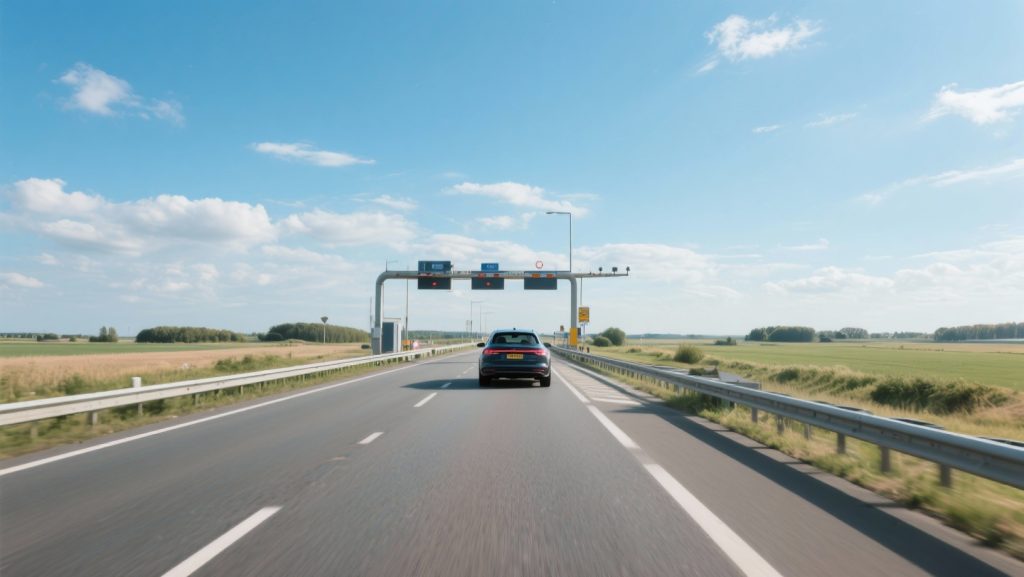
A smooth border crossing into France by car is not a matter of luck. Knowing the rules will help you avoid unnecessary fines and delays. Read on to discover how to start your French road trip feeling relaxed.
\n\nMandatory Documents for Your Car Journey
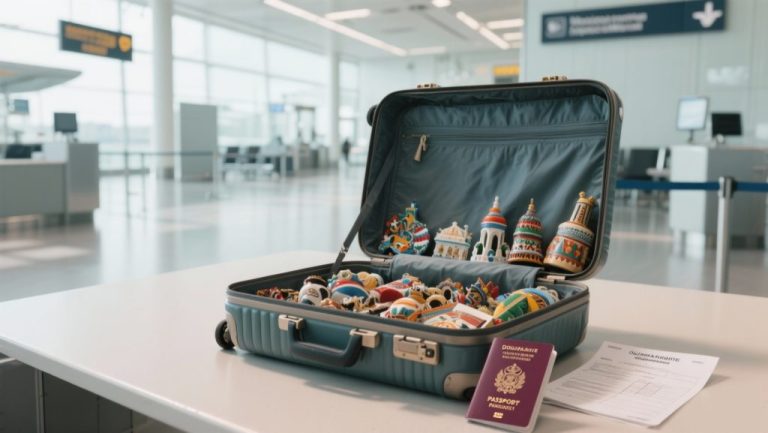
\n\n\n\nThe French authorities regularly carry out checks, especially along motorways and at borders. Make sure you always have the following documents to hand to avoid problems. A check without the correct papers can lead to a fine.
\n\n\n\n- \n
- Valid Driving Licence: Check the validity of your Dutch driving licence. \n\n\n\n
- Vehicle Registration Certificate: The complete, original vehicle registration certificate. \n\n\n\n
- Insurance Papers: The green card is an internationally recognised insurance certificate. \n\n\n\n
- Proof of Identity: A valid passport or a valid identity card for all occupants. \n
\n\n\n‘ These rules apply to every vehicle, including cars with foreign number plates. ’
\n
Safety Equipment in the Car
\n\n\n\nIn France, it is mandatory to carry certain safety equipment in the car. These rules apply to every vehicle, including cars with foreign number plates. You must be able to present these items during a check.
\n\n\n\n- \n
- Warning Triangle: An approved warning triangle is mandatory. \n\n\n\n
- Safety Vest: A reflective safety vest is mandatory for the driver. It must be within easy reach, so keep it in the glove compartment or door pocket and not in the boot. For the safety of every passenger, carry a vest for each. \n
The French Environmental Sticker: Crit’Air Vignette
\n\n\n\nIn an increasing number of French cities and departments, an environmental sticker, the Crit’Air vignette, is mandatory. This sticker indicates how polluting your car is. The regulation also applies to vehicles not registered in France. Without the correct sticker, you risk a fine of €68 or more.
\n\n\n\nWhere is the environmental sticker required?
\n\n\n\nFrance has permanent and temporary environmental zones (ZFE-m). In cities such as Paris, Lyon, and Strasbourg, a permanent zone applies. Other areas may implement a temporary zone during severe air pollution. From 2026, an environmental zone will be mandatory for all cities with over 150,000 inhabitants. As the rules and zones change regularly, it is advisable to purchase the sticker proactively.
\n\n\n\nHow to order the sticker?
\n\n\n\nOrder the vignette only via the official French website: certificat-air.gouv.fr. The website is available in Dutch. For the application, you will need a digital copy of your vehicle registration certificate. The cost is a few euros and the sticker will be sent to your home by post. Please allow for a delivery time of several weeks, so apply in good time. After your order, you will receive a confirmation email within a few hours, which serves as temporary proof.
\n\nToll Roads in France: Péage and the Toll Badge
\n\n\n\nA large part of French motorways consists of toll roads, known as ‘péage’. You pay for the use of the road, usually at toll booths. The fees depend on the route and the type of vehicle. Payment can be made in cash, by credit card or via a toll badge.
\n\n\n\nAvoid Waiting Times with a Toll Badge
\n\n\n\nDuring busy travel periods, waiting times at toll booths can increase significantly. A toll badge (télépéage) is an electronic device that you attach behind the windscreen. This allows you to drive through the special ‘t’ lanes without stopping. Payment is automatically registered and debited afterwards. A toll badge for France is available from various providers and is often also valid in Spain, Portugal and Italy. For the savvy traveller who values comfort and time savings, this is a good investment.
\n\n\n\n\n‘ \”Although border controls are not standard, they can occur randomly.\” ’
\n
Customs Formalities and Import Regulations
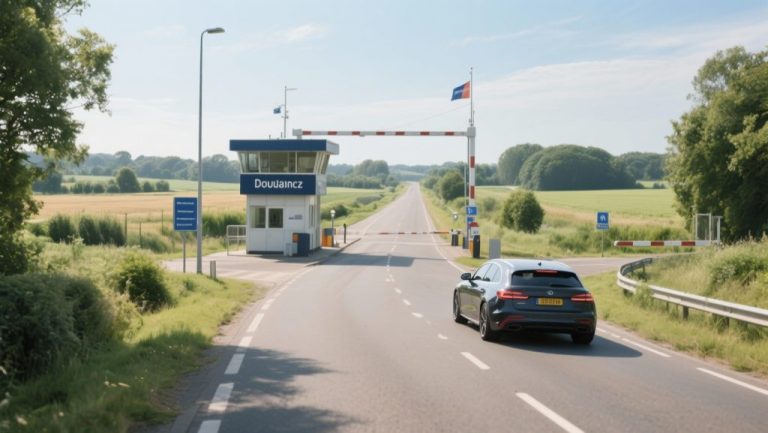
\n\n\n\nWithin the European Union, there is free movement of goods. However, there are limits for products such as alcohol and tobacco for personal use. French customs can check for these. There are also rules for carrying specific goods, such as cash above a certain amount. Although border controls are not standard, they can occur randomly.
\n\n
Speed Limits in France
\n\n\n\nSpeed limits in France differ from what you might be used to in the Netherlands. It’s particularly important to be alert on rural roads. The standard limits are as follows:
\n\n\n\n- \n
- Within built-up areas: 50 km/h \n\n\n\n
- Outside built-up areas (two-lane roads without a central reservation): 80 km/h \n\n\n\n
- Roads with a central reservation: 110 km/h (100 km/h in wet weather) \n\n\n\n
- Motorways (péage): 130 km/h (110 km/h in wet weather) \n
Note: the speed limit for novice drivers (less than three years holding a driving licence) on main roads and motorways is lower.
\n\n\n\nGood preparation is half the battle. With the correct documents, mandatory equipment, and the environmental sticker on your windscreen, you are ready for the French roads. Consider a toll badge for added convenience and check the current traffic rules before you depart. On the Traveler Tips website, you will find more detailed articles on the most beautiful driving routes through France, tips for planning your road trip, and advice on destinations. Discover more and make your trip an unforgettable experience.
\n\nFrequently Asked Questions
\n\n\nThere is no information available regarding payment methods for French toll roads and smart ways to get through toll booths quickly.
\n\nTo travel legally and comfortably by car through France, you must carry a valid driving licence, insurance papers, proof of identity, and your vehicle registration certificate. Mandatory safety equipment includes approved warning triangles and safety vests. Additionally, an environmental sticker (Crit’Air Vignette) is compulsory in many French cities and low-emission zones. It is also advisable to check if your vehicle requires an automatic re-check for Takata airbags.
\n\nYes, France has environmental zones (ZFE-m) for which an environmental sticker (Crit’Air vignette) is mandatory. From 2026, all French cities with over 150,000 inhabitants will be required to introduce such a zone. You order the environmental sticker via the official French website certificat-air.gouv.fr by filling in the form with your vehicle registration certificate details and uploading scans of it. After payment, you will receive a confirmation email as temporary proof, and the vignette will be delivered to your home.
\n\nFor travellers going to France by car, the main customs regulations focus on mandatory documents, safety equipment, and environmental rules. You must carry a valid driving licence, insurance papers, proof of identity, and your vehicle registration certificate. In addition, a warning triangle and safety vests are compulsory, and an environmental sticker (Crit’Air) is necessary in many French cities. It is advisable to order an environmental sticker proactively to avoid fines.
\n\nThe information provided does not contain details about alternative, toll-free routes in France that might offer a more scenic or experiential travel experience. The document primarily focuses on mandatory documents, safety equipment, environmental stickers, and general border formalities.
\n\n