 NL
NL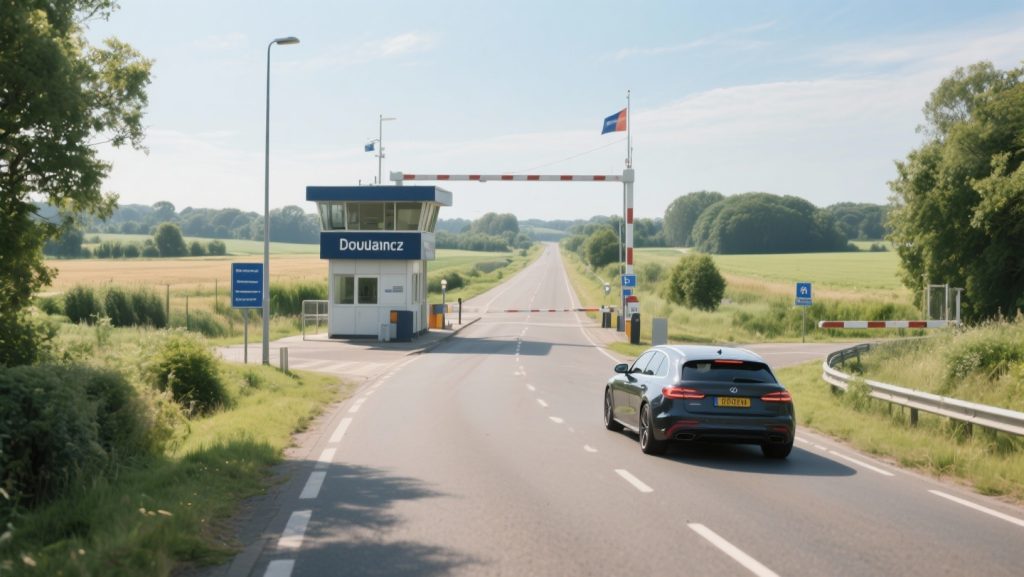
Avoid stress at the Belgian border (by car). You don’t want unexpected delays. And although we can travel freely within the Schengen Area, there are temporary, random checks that you, as a motorist, might encounter. Know what to expect, which documents you need to carry, and the rules for bringing goods. Read on to find out how to cross the border smoothly and what you need to know about the current situation.
\n\nThe current situation: why are there border controls?
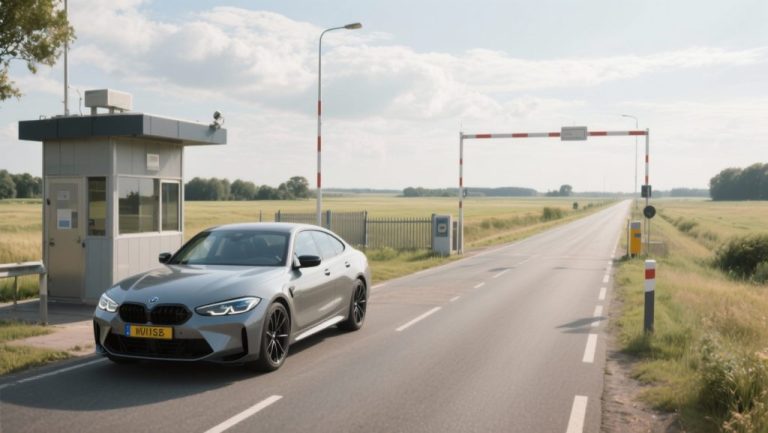
\n\n\n\nBoth the Netherlands and Belgium are part of the Schengen Area, which normally means there are no fixed border controls. You can cross the border without having to stop. However, it is possible that you may be asked to stop. The Dutch government has introduced temporary, mobile controls at its borders with Belgium and Germany. These measures are intended to combat cross-border crime and irregular migration and have been extended until 2026.
\n\n\n\nThese controls are carried out by the Royal Netherlands Marechaussee. Please note that these are not permanent border blockades. The controls are random and take place at different locations and times. So, there’s a chance you won’t notice anything, but it’s advisable to be prepared, especially if you’re travelling during busy periods such as holidays or public holidays.
\n\n\n\n\n‘ A calm and cooperative attitude speeds up the control process.’
\n
How long do controls last and what can you expect?
\n\n\n\nThe duration of a customs control depends on the situation. Usually, the delay is limited, and a standard inspection does not take longer than ten to thirty minutes. Traffic information services sometimes report extra congestion at popular border crossings, such as the A67 near Venlo, where waiting times can increase. During holiday periods or major events, it’s wise to allow for extra travel time. Planning an hour’s buffer in your travel schedule is a safe margin.
\n\n\n\nIf you are selected for a control, officers will signal you to stop and guide you to a safe inspection point. Here, they will check your identification and, if applicable, your vehicle’s documents. They may ask questions about your destination and the purpose of your trip. Sometimes they also inspect your luggage or the vehicle itself. A calm and cooperative attitude will help the control process go faster.
\n\n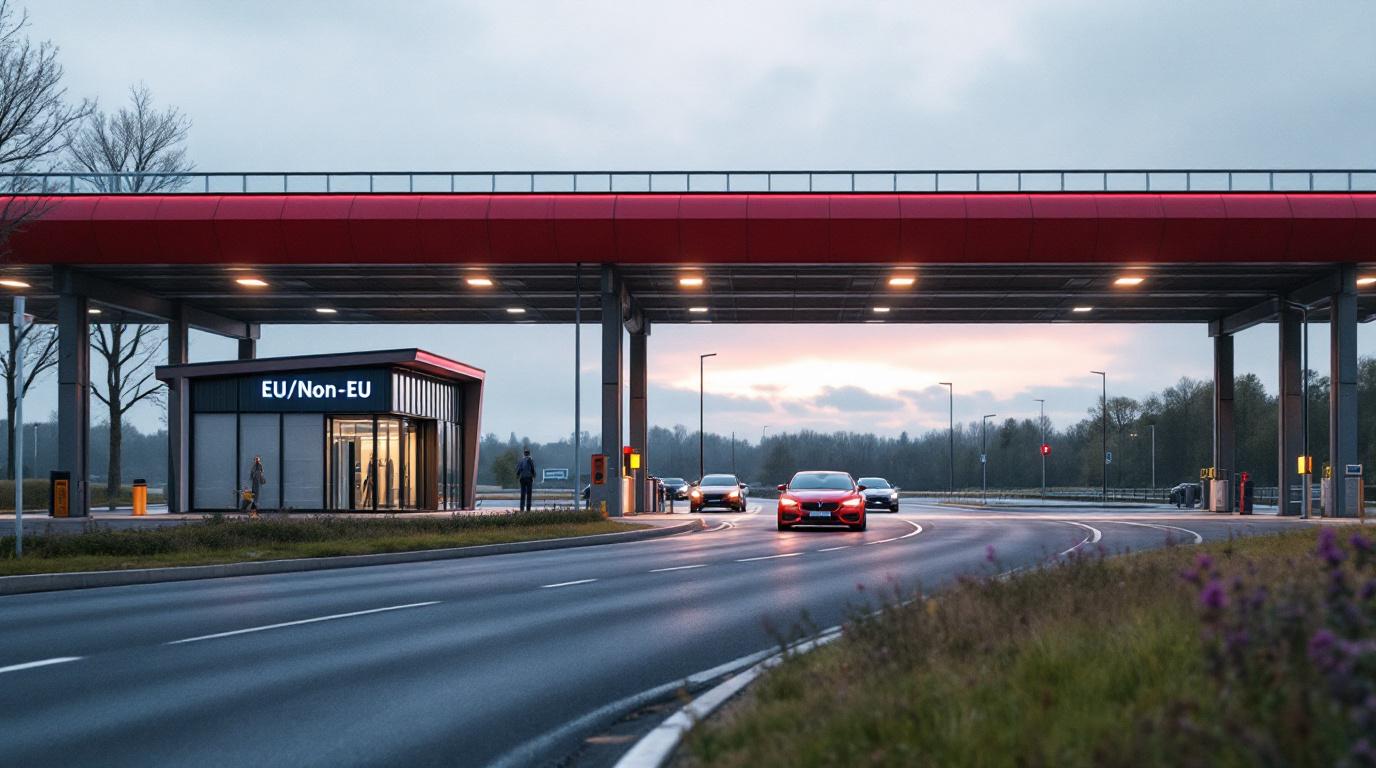
Which documents do you need at the border?
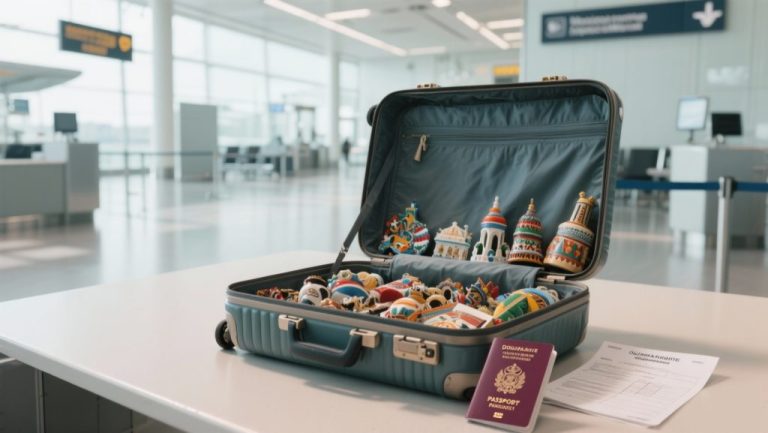
\n\n\n\nProper preparation of your documents ensures a quick passage. Make sure every passenger in the car, including children, carries a valid identification document. This can be a passport or an ID card. A driving licence is not an official travel document in this context. It is not always accepted as such, although it does prove your identity as a driver.
\n\n\n\nEnsure the following documents are readily accessible:
\n\n\n\n- \n
- A valid passport or a valid ID card for all occupants. \n\n\n\n
- Your driving licence. \n\n\n\n
- Your vehicle registration certificate. \n\n\n\n
- The green card (international insurance certificate), although not always mandatory within the EU, it’s useful to have it with you. \n
Travelling with a caravan or trailer
\n\n\n\nIf you are travelling to Belgium with a caravan or trailer, the same basic rules apply. You will need the standard documents for yourself and the car. In addition, it is mandatory to carry the registration certificate for the caravan or trailer if it has its own registration plate. Also, check that your insurance covers the car and caravan combination and that the technical condition of your combination is in order. The control may also focus on proper lighting and the attachment of the trailer.
\n\nWhat can and cannot you take to Belgium?
\n\n\n\nWithin the European Union, there is free movement of goods, provided they are for personal use. Therefore, you do not have to pay tax on products purchased in the Netherlands and taken to Belgium. However, customs may check whether the quantity of goods is plausible for personal use. Guidelines have been established for alcohol and tobacco. If you exceed these quantities, you must be able to prove that it is for your own use, for example, for a party.
\n\n\n\nThe limits for personal use are as follows:
\n\n\n\n- \n
- Tobacco: 800 cigarettes, 400 cigarillos, 200 cigars and 1 kilogram of smoking tobacco. \n\n\n\n
- Alcohol: 10 litres of spirits (more than 22% alcohol), 20 litres of fortified wine (such as sherry or port), 90 litres of wine (of which a maximum of 60 litres sparkling wine) and 110 litres of beer. \n
For cash, amounts of €10,000 or more must be declared to customs. Furthermore, there are strict rules for carrying items such as weapons, drugs, and protected animal and plant species. Are you carrying specific medicines that fall under the Opium Act? Then ensure you have an official medical declaration.
\n\n\n\n\n‘ Leaving early in the morning or later in the evening can make a big difference. ’
\n
Practical tips for a smooth border crossing
\n\n\n\nWith the right approach, you’ll cross the border more smoothly. Consider the following points for a carefree start to your journey.
\n\n\n\n- \n
- Documents in order: Place all necessary passports, ID cards, and vehicle documents in an easily accessible spot in the car. \n\n\n\n
- Check your route: Use a traffic app to check for reports of long waiting times at border crossings on your route before departure. \n\n\n\n
- Plan your travel time smartly: If possible, try to avoid peak hours on weekends and during holidays. Leaving early in the morning or later in the evening can make a big difference. \n\n\n\n
- Know what you are carrying: Make sure you are aware of the rules for the goods in your luggage to avoid unnecessary discussions. \n\n\n\n
- Ensure your vehicle is roadworthy: A quick check of your tyre pressure, lighting, and the validity of your MOT and insurance is always a good idea before you depart. \n
Frequently Asked Questions
\n\n\nDuring a customs control at the Belgian border, it is essential to always carry a valid passport or identity card. A driving licence is not sufficient as an identification document, especially not in Germany, which carries out similar controls. Also, ensure your vehicle has a valid MOT (APK) and insurance. Furthermore, it is wise to be aware of the limits for importing goods such as foodstuffs, alcohol, tobacco, and cash exceeding €10,000 to avoid fines.
\n\nFor private individuals, specific rules apply to the import of foodstuffs, alcohol, tobacco, and cash exceeding €10,000 when crossing the border into Belgium by car. It is advisable to consult douane.nl (Dutch Customs website) for the current limits. Customs and police check identity, residency status, and the flow of goods within the EU. From 2026, Belgium will introduce a ‘parcel tax’ of €2 on packages from outside the EU, which could indirectly lead to stricter controls for car traffic.
\n\nTo minimise delays during customs controls, it is essential to always carry a valid passport or identity card, as a driving licence is not sufficient as an identity document in some countries, such as Germany. Plan well in advance and depart 1-2 hours earlier, especially during holidays or public holidays, to account for possible traffic jams. Avoid known bottlenecks by consulting real-time traffic information apps and ensure you are aware of the import limits for goods, alcohol, tobacco, and cash. By following these tips, you can travel stress-free and limit potential delays.
\n\nFor families with children or pets, there are no specific extra considerations during border controls into Belgium. However, it is important that everyone in the family carries a valid passport or ID card, as a driving licence is not considered a valid identification document in Germany, for example. Also, ensure you are well-informed about the rules for importing foodstuffs, alcohol, and cash, should this be applicable. Plan well in advance, especially during holidays, to avoid any delays due to random checks. Finally, ensure you have valid documents and the correct items for your pet, such as a passport and vaccination certificate, if required.
\n\nFrom 9 December 2024, the Netherlands will temporarily carry out additional, random border controls at the Belgian border, extended until 8 June 2026. These controls are intended to combat irregular migration and cross-border crime and may lead to delays, especially during holidays. If you are checked, customs and police will verify your identity, residency status, and the flow of goods; ensure you have a valid passport or ID card with you, as a driving licence is not sufficient in Germany, for example. Allow plenty of time for your journey and be aware of the limits for importing goods to avoid fines.
\n\n