 NL
NL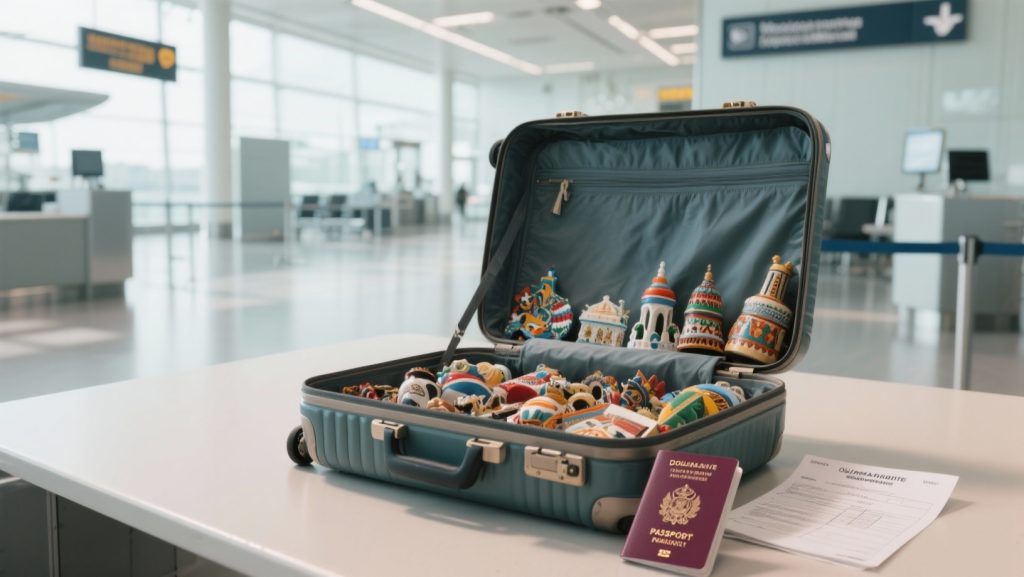
Proper preparation regarding customs rules for luggage and souvenirs when returning to the EU prevents unexpected costs and inconvenience at the border. The limits on what you can bring back are clear, but the details determine whether your holiday ends with an additional levy. Read on to ensure you know exactly what is and isn’t allowed in your suitcase.
nnTravelling within the EU: what are the rules?
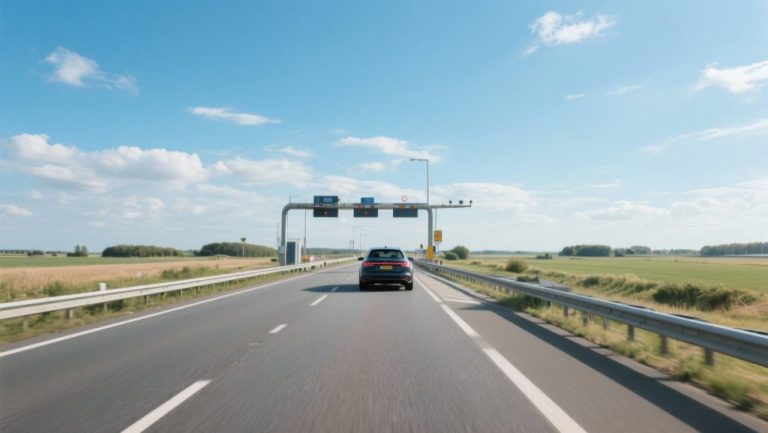
nnnnWhen you travel by car or train through Europe and remain within the borders of the European Union, you experience the convenience of the internal market. In principle, there are no restrictions on what you can bring for personal use. Think of that delicious Italian wine, French cheese, or Spanish ham. However, it’s important to know that customs use the concept of ‘personal use’ to distinguish large-scale commercial imports from souvenirs and personal consumption. Although there are no strict limits, customs have established guidelines. If you bring significantly more, questions may be asked to determine whether the goods are not intended for sale.
nnnnn‘ These quantities are generous and more than sufficient for most travellers. ’
n
Guidelines for alcohol and tobacco within the EU
nnnnCustoms apply generous quantities as an indication for personal use. If you exceed these, you must be able to demonstrate that the products are genuinely intended for yourself, family, or as gifts and not for commercial purposes. For alcohol and tobacco, the following guidelines apply per person:
nnnn- n
- Beer: 110 litres nnnn
- Wine: 90 litres, of which a maximum of 60 litres sparkling wine nnnn
- Liqueur wine (e.g., sherry, port): 20 litres nnnn
- Spirits: 10 litres nnnn
- Cigarettes: 800 sticks nnnn
- Cigars: 200 sticks nnnn
- Small cigars (cigarillos): 400 sticks nnnn
- Smoking tobacco: 1 kilogram n
These quantities are generous and more than sufficient for most travellers. For example, you can easily take a few boxes of your favourite Burgundy wine with you after a road trip through France.
nn
Returning from a non-EU country: stricter limits
nnnnAre you returning from a destination outside the European Union, such as Switzerland, Norway, the United Kingdom, or the Canary Islands? Then specific and significantly lower limits apply. Please note, these rules are strict. The total value of all souvenirs and goods you bring with you must not exceed €430 per person. For travellers using their own transport, such as a car or train, this threshold is €300. If you stay below this amount, you will not pay VAT or import duties.
nnnnLimits for alcohol and tobacco from outside the EU
nnnnFor alcohol and tobacco, fixed, non-combinable quantities apply. You cannot swap one type for another.
nnnn- n
- Wine: 4 litres (no sparkling wine) nnnn
- Beer: 16 litres nnnn
- Spirits (more than 22% alcohol): 1 litre nnnn
- OR Liqueur wine or sparkling wine (up to 22% alcohol): 2 litres nnnn
- Cigarettes: 200 sticks nnnn
- OR Cigars: 50 sticks nnnn
- OR Small cigars (cigarillos): 100 sticks nnnn
- OR Smoking tobacco: 250 grams n
These limits apply to travellers aged 17 and over. If you combine different types of tobacco, you may only go up to the maximum permitted quantity. For example: 100 cigarettes and 25 cigars combined constitute 100% of the exemption.
nnSpecial rules for meat, dairy, and cash
nnnnBringing food products and cash is subject to strict rules, especially when returning from outside the EU. This is to prevent the spread of animal diseases and to combat financial crime.
nnnnMeat and dairy
nnnnAre you travelling within the EU? Then you are free to bring meat, meat products, milk, and dairy products for personal use. The delicious Parma ham from Italy or Camembert from Normandy are therefore no problem at all. If, however, you are coming from a country outside the EU, the import of these products is strictly prohibited. This applies to most animal products to prevent the introduction of diseases such as swine fever or foot-and-mouth disease.
nnnnCash
nnnnWithin the EU, you do not need to declare cash. However, if you enter or leave the EU with €10,000 or more in cash (or its equivalent in another currency), you are obliged to declare it to customs. This also applies to valuable papers such as cheques or shares. This measure is intended to combat money laundering and the financing of terrorism. Declaring is free and simple, but failing to do so can lead to heavy fines and seizure of the money.
nnnnn‘ The right preparation prevents unnecessary surprises at customs. ’
n
Making a declaration: how does it work?
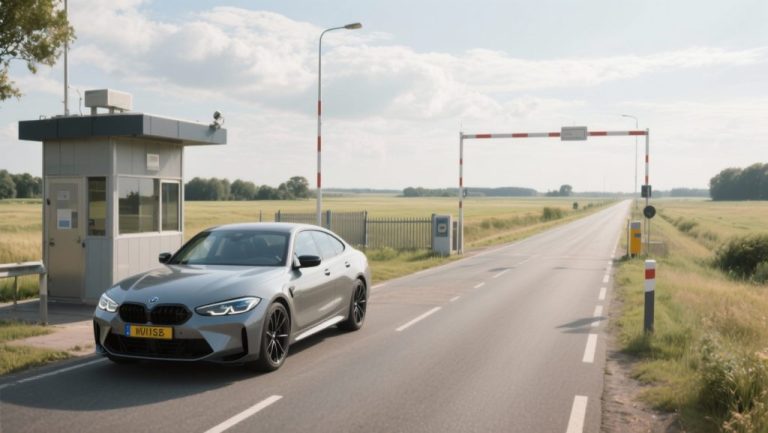
nnnnDo you have goods with a higher value than the permitted limit, or more than €10,000 in cash? Then you must declare this to customs. Upon arrival at an airport, choose the red exit (‘Goods to Declare’). If you are travelling by car or train, you can take the necessary steps at the border crossing or via the customs website. Keep purchase receipts well, as customs may ask for them to determine the value of your goods. By proactively making a declaration, you avoid problems and fines.
nnnnThe right preparation makes the difference between a carefree return home and unnecessary surprises at customs. Do you want more practical travel information? On the Traveler Tips website, you will find extensive guides on the best routes, useful checklists for your equipment, and many more handy tips to plan your next trip perfectly. Discover how to travel smarter and better prepared.
nnFrequently Asked Questions
nnnWhen returning to the EU from a non-EU country, you may bring goods with a value of up to €430 without paying import duties. If you exceed this limit, you must choose the red channel at customs and pay import duties on the amount above €430. Always keep your purchase receipts. From 1 July 2026, the exemption for parcels under €150 will be abolished, and a uniform import levy of €3 per parcel will apply.
nnLiquid duty-free purchases, such as alcoholic products, bought at an airport outside the EU may be confiscated at European airports, even if they are sealed. It is advisable to buy these products in an EU country just before the flight home, or to transport them in checked baggage. For other souvenirs, a general threshold of €430 applies for duty-free import from non-EU countries. No specific restrictions or prohibitions are mentioned for food, tobacco, or counterfeit goods, apart from the general value and import rules.
nnIf you are bringing purchases or gifts that exceed the permitted value of €430 when returning to the EU from a non-EU country, you should choose the red channel (‘Goods to Declare’) at customs. There, you will pay import duties on the amount exceeding €430. It is essential to keep and organise all receipts, invoices, and proofs of purchase so that you can present them to customs for inspection and calculation.
nnYes, different customs rules apply when you enter the EU from a non-EU country, such as Switzerland or the United Kingdom. You may then bring goods with a value of up to €430 duty-free. If you exceed this limit, you must pay import duties and VAT at customs. Always keep your purchase receipts.
nn