 NL
NL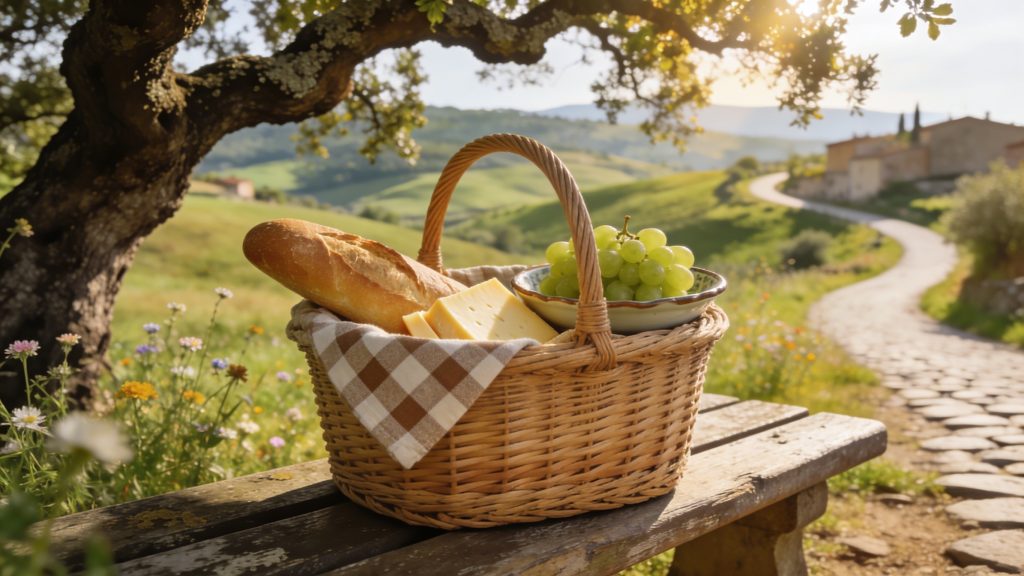
Your cool box stuffed full of Dutch cheese, bread and cold cuts for your driving holiday in France may seem practical, but the reality is stricter than many travellers think. Within the EU, the import rules for food and groceries are indeed fairly relaxed. However, animal and plant health impose strict limits. You cannot just take everything with you. Want to cross the border without problems or fines? Then read on.
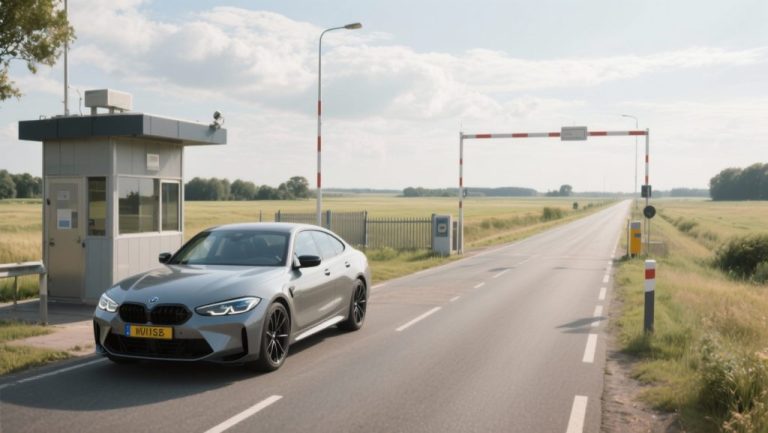
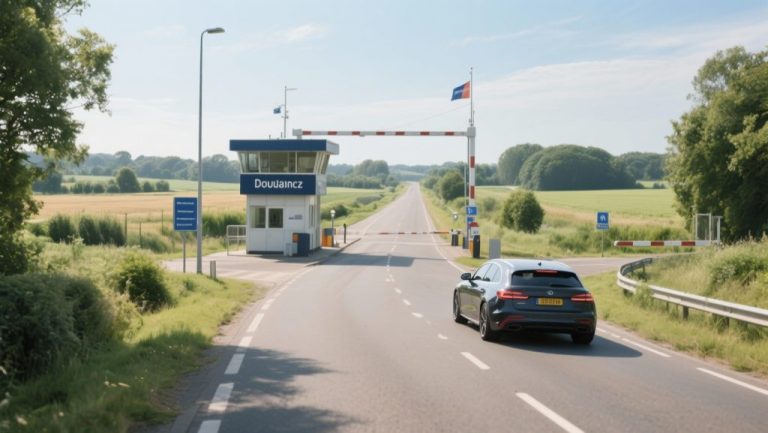
The rules for taking food across EU borders differ per destination. It also depends on what exactly you are taking. For travellers who are self-sufficient on the road, it is useful to know in advance what is allowed. Which products are unrestricted? For which does customs take a tough stance? In addition, packaging rules are playing an increasingly important role. You can find more information about customs checks on the page about border crossings, customs and travel formalities. At border crossings, customs and travel formalities you must arrange certain things. With that information, you set off well prepared.
General import rules within the EU
Within the European Union, the principle of free movement of goods applies. In principle, you may take food and groceries from one EU country to another. There are no quantity limits. However, certain conditions apply. These concern hygiene, packaging and animal welfare.
From 2030, all packaging must be recyclable. This also applies to food-contact packaging. Avoid single-use plastics and materials containing PFAS. From August 2026, those materials will be subject to limits. For most dry groceries such as pasta, rice, biscuits and coffee, there are no limits. You can simply take these products with you in reasonable quantities for personal use.
Do take care with fresh meat, dairy and plant products. These are allowed within the EU. However, questions may be asked at border controls about their origin and packaging. Products with EU labels are commercially packaged. These generally pass through without any issues. Homemade products such as jam or home-made cold cuts are often confiscated. They do not meet hygiene standards.
‘ Dairy products such as cheese fall within the EU under the free movement of goods. ’
Can I take Dutch cheese to Germany?
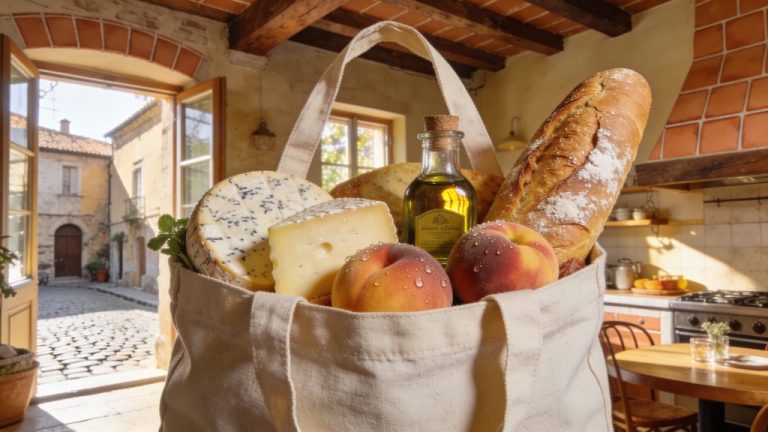
Yes, that is allowed without any problems. Dairy products such as cheese fall within the EU under the free movement of goods. You can simply take Dutch cheese in your cool box to Germany, France or another EU country. You are taking the cheese for your own use. In that case, it does not matter whether it is a piece of farmhouse cheese, sliced mature cheese or fresh quark.
It is sensible to choose commercially packaged cheese rather than loose pieces from a market stall. Products with an official label and best-before date are less likely to be checked by customs. Keep the cheese chilled during transport to guarantee food safety.
Which vegetables and plants are banned at the border?
For vegetables and fruit, the regulations are stricter than for dairy. The reason for this is plant health. Certain vegetables, fruit and plants can transmit pests or diseases. These are harmful to agriculture in the destination country. Within the EU, most fresh vegetables and fruit are allowed, but there are exceptions.
Fruit and vegetables with soil or roots are often refused. Potatoes or fresh beetroot are examples of this. Exotic plants or cuttings can also be high‑risk products. Customs carry out spot checks, especially on caravans and motorhomes that are clearly stocked with food supplies. If there is any doubt about pesticides or unknown origin, products may be confiscated.
Many travellers go to France with a caravan. They regularly report that customs checks take place. The checks focus mainly on fresh products from non‑EU countries. Products without clear packaging also stand out. It is therefore best to buy vegetables and fruit from supermarkets in the destination country. Otherwise, take commercially packaged products with you.
Meat and meat products in the cool box
Meat and meat products are allowed within the EU for personal use. This applies to fresh meat, frozen meat, smoked sausages and other meat products. You may, for example, take Dutch smoked sausage or meatballs to Spain or Austria. The products must remain properly chilled. Ideally, have them commercially packaged.
Problems mainly arise on return from non‑EU countries. Are you travelling, for example, via Switzerland or the United Kingdom? If so, strict import restrictions apply. Fresh meat and dairy from non‑EU countries are often completely banned. Frozen meat is in some cases allowed up to a maximum of 10 kilograms per person. The meat must then comply with veterinary requirements. It must also be accompanied by health certificates.
Travellers who import meat or dairy from non‑EU countries without the correct documents risk heavy fines. The products are confiscated and in some cases a fine can run to several hundred euros. At Schiphol and other major border crossings, suitcases and vehicles are scanned, which makes checks more efficient.
‘ From 2026, import controls will be tightened further. ’
Fines and enforcement in case of violations
The level of fines differs per country and depends on the seriousness of the violation. For taking prohibited meat products from non‑EU countries, fines can range from 50 to 500 euros. In the event of repeat offences, the fine can increase. The same applies to large quantities.
Within the EU, fines for food imports are imposed less often because most products are allowed. Customs can confiscate products. This happens with products that do not meet hygiene standards. Customs also confiscate products if there is doubt about their origin. Therefore always keep receipts for purchased products, so that you can show that the food was obtained legally.
From 2026, import controls will be tightened further. The EU is introducing a Task Force with 500 additional inspectors. These inspectors will focus on the import of products from third countries. There will be more audits of exporters and stricter checks on pesticides and animal health. For travellers, this means that customs will carry out spot checks more frequently.
Practical tips for self‑sufficient travel
You want to travel self‑sufficiently during your driving holiday or road trip. In that case, take the following recommendations into account:
- Choose commercially packaged products with clear labels and best-before dates.
- Use vacuum packaging for meat and cheese to improve shelf life and hygiene.
- Take a good cool box or fridge with you and make sure perishable products stay at the correct temperature.
- Avoid homemade products such as jam, pickled vegetables or home-made sausages.
- Preferably buy fresh vegetables and fruit in the destination country.
- Keep receipts for purchased food products.
- Check in advance whether you are travelling via a non‑EU country and adjust your supplies accordingly.
Are you making longer journeys through several countries? Then top up your supplies along the way. Do not take large stocks with you. This helps avoid problems at border controls and ensures that you always have fresh products.
Difference between imports within and outside the EU
The rules for importing food from non‑EU countries are considerably stricter than within the EU. Products of animal origin require mandatory border checks via approved border posts. This concerns meat, dairy, fish and eggs. These checks include documentation, identity checks and often physical inspections as well.
For plants and plant products, a phytosanitary certificate is often required. A phytosanitary certificate is an official plant health certificate. This document shows that the products are free. They are free from pests and diseases. Without this certificate, the products will be refused or destroyed. Dry groceries are less often subject to systematic checks. Examples include nuts, herbs and grains. These can still be inspected if there is suspicion of pesticide residues.
Travellers returning from countries such as Türkiye, Morocco or the United Kingdom must be aware of these rules. Even small quantities of fresh products can cause problems. The official list of EU countries is available via customs authorities. This list shows approved countries of import. It also lists approved border posts.
‘ This prevents stress and possible fines. ’
What to do if things are unclear?
You may be unsure about a particular product. You do not know for certain whether you are allowed to take it. In that case, leave it at home. This prevents stress and possible fines. On arrival at the border, you can always ask customs officers questions, but this can lead to delays and extra checks.
Regulations can change. Take that into account. Go to the website of your destination. Check the current import rules shortly before departure. Official government websites and customs authorities provide the most reliable information.
On the Traveler Tips website you will find plenty more practical information about travelling through Europe, from toll roads and low‑emission zone regulations to tips for safe and comfortable journeys. Explore more articles and plan your next trip with confidence.
Frequently asked questions
When travelling within the EU you may in principle take all ordinary foodstuffs and groceries for your own use, as long as it involves reasonable quantities and they are commercially packaged and hygienic. From non‑EU countries, strict restrictions apply to products of animal origin (such as meat, dairy and sometimes fish) and plants; these are often (almost) banned or only allowed with certificates and via designated border posts. Dry, non‑perishable products such as pasta, rice, biscuits or snacks are generally allowed in limited quantities for personal use. In case of doubt or with high‑risk products, customs may inspect your goods and, if necessary, confiscate them.
Within the EU you may in principle freely take meat, dairy, fresh vegetables and fruit, as long as they are products from the EU itself. For meat and dairy from non‑EU countries, there is often an (almost) complete ban for private individuals. For plants, vegetables and fruit from non‑EU countries, phytosanitary certificates and extra checks are generally required. Dry or industrially packaged products are usually regulated less strictly than fresh or perishable goods.
Yes, you may in principle take special dietary products, medicines that contain food and baby food across EU borders, especially if they are commercially packaged and intended for your own use. Within the EU this is usually problem‑free thanks to the free movement of goods. From non‑EU countries, stricter rules may apply, particularly if the products contain ingredients of animal origin. Therefore check the specific import rules for each country in advance and keep the products in their original packaging with a label.
Within the EU there are in principle no specific quantity or value limits for food that you take with you for personal use. You may therefore transport groceries and foodstuffs in normal, “reasonable” quantities, as long as it is clearly for your own use. The food must, however, comply with EU rules on safety, hygiene and (future) packaging regulations.
If you accidentally take prohibited food across an EU border, customs can confiscate and destroy these products. In many cases it stops at confiscation, but for larger quantities or repeat offences you may receive a fine. It makes a difference whether you are travelling within the EU (usually more lenient) or coming from a non‑EU country (much stricter, especially for meat, dairy and plants). In case of doubt, you are expected to know the rules in advance, even if it was ‘by accident’.