NL
NL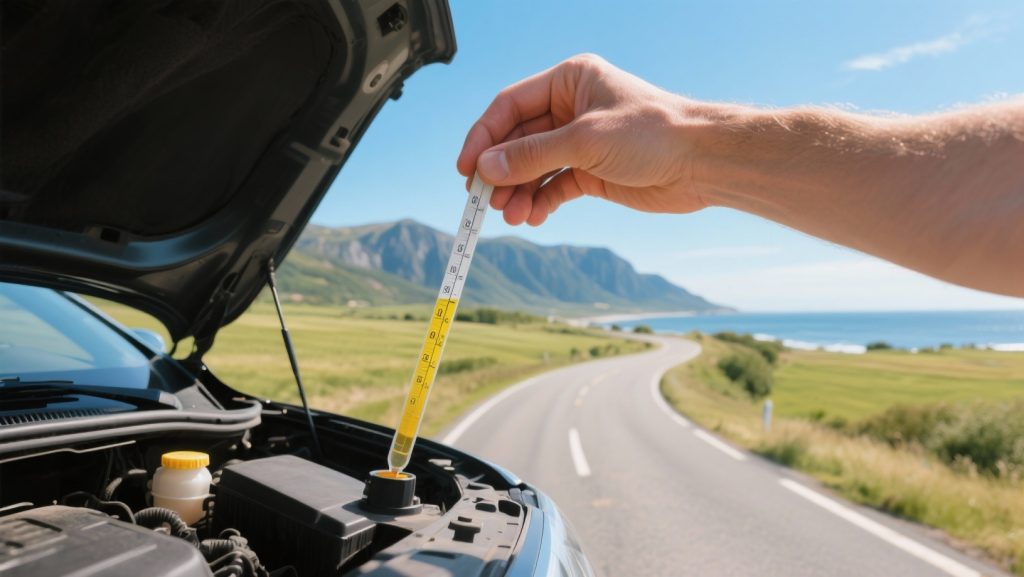
Checking fluids: oil, coolant and brake fluid
A regular and proper check of the fluids in your car is essential for a safe journey. Oil, coolant and brake fluid in particular deserve your attention. This check is the most effective step you can take yourself to ensure a trouble-free trip.
It prevents unexpected breakdowns, expensive repairs and ensures your car performs at its best. But do you know exactly what to look out for—and how to stop a minor inconvenience turning into a major expense at the roadside? Read on and set off with peace of mind.
Why is checking fluids essential for your car?
Before you open the bonnet, it helps to understand why these fluids are so crucial. Think of them as your car’s circulation system. Each fluid has a vital, irreplaceable function:
- Engine oil: Lubricates the engine’s moving parts to reduce wear, carries away heat and keeps the engine clean. Too low an oil level can cause severe engine damage.
- Coolant: Regulates engine temperature by transferring heat to the radiator. Too little coolant is the leading cause of an overheating engine, especially on summer drives or in traffic jams.
- Brake fluid: Transfers the force from your foot on the brake pedal to the brakes themselves. Too low a level or old fluid significantly increases stopping distance and, in the worst case, can lead to brake failure.
- Screenwash: Although less critical for the engine, it’s indispensable for clear and safe visibility on the road—especially in poor weather or when dirt is being sprayed up.
‘ Too much oil is just as harmful as too little ’
How do I check my car’s oil level before setting off?
Checking the engine oil is a quick task you can do in just a few minutes. The correct oil level is the best guarantee of a healthy engine. Follow this step-by-step guide for an accurate reading.
Preparation and step-by-step guide
Before you start, make sure you have a few things: a clean, lint-free cloth or kitchen roll, and a funnel in case you need to top up. You should also have the correct engine oil to hand, as specified in your car’s handbook.
- Park on level ground: For an accurate reading, the car must be level. A slope will give a distorted oil-level reading.
- Let the engine cool down: Wait at least 10 minutes after switching off the engine. This allows the oil to drain back into the sump, the “oil pan” at the bottom of the engine.
- Find the dipstick: Open the bonnet and locate the dipstick. It’s usually identified by a brightly coloured handle (often yellow or orange) with an oil-can symbol.
- First pull: Pull the dipstick fully out of its tube and wipe it clean with the cloth.
- Take the reading: Insert the clean dipstick fully back into the tube, then pull it straight back out. Hold the dipstick horizontally.
- Read the level: At the end of the dipstick you’ll see two markings: a minimum (MIN) and a maximum (MAX). Ideally, the oil level should be between these two marks—preferably closer to the maximum.
- Top up if needed: Is the level too low? Unscrew the oil filler cap (often with the same symbol as the dipstick) and add a small amount of the correct oil. Use a funnel to avoid spills. Never top up a large amount in one go. Add a little, wait a minute, and check again.
- Avoid overfilling: Too much oil is just as harmful as too little. It leads to excessive pressure in the engine, which can cause leaks and damage. So never fill above the MAX mark.
Which fluids should I top up before a long car journey?
In addition to engine oil, there are three other fluids that deserve your attention—especially if you have a long drive ahead or you’re heading off on a summer holiday with the family.
Coolant: protection against overheating
What should you do if the coolant level is low? It’s a common question, especially before a summer holiday. Always check the level with a completely cold engine. The cooling system is pressurised when it’s hot, and opening the cap can cause severe burns.
The coolant reservoir is a transparent plastic tank with MIN and MAX markings. If the level is below the minimum, top up with the correct type of coolant. Check your car’s handbook for which type (e.g. G12, G13) your vehicle requires.
The colour is an indicator, but not a guarantee. Never mix different colours or types. In an absolute emergency you can top up with distilled water, but have the system checked by a garage as soon as possible afterwards.
Brake fluid: your most important safety feature
The brake-fluid reservoir is usually located on the driver’s side, up against the bulkhead at the back of the engine bay. This is also a transparent tank with MIN and MAX lines. The level should remain stable.
A significantly lower level indicates worn brake pads or, worse, a leak in the system. Top up with the correct specification (e.g. DOT 4), which is often printed on the reservoir cap. If you have to top up, it’s strongly recommended to have your braking system inspected by a professional.
Screenwash: for clear visibility
This is the easiest fluid to check and top up. The reservoir is often identified by a blue cap with a windscreen-washer symbol. Fill the reservoir up to the brim with ready-mixed screenwash. In winter, choose a version with antifreeze to prevent the system from freezing.
The final check before you set off: why a professional check makes all the difference
Checking your fluids yourself gives you a sense of control and confidence before you travel. It’s an important foundation for a safe drive. But thorough preparation involves more than just fluids.
A comprehensive holiday check by a professional provides extra reassurance. An experienced mechanic will have inspected your entire car properly, checking all the vital points. Such a check means a specialist has checked everything—from brakes to lights, and from tyres to clutch.
This reassurance not only saves you from potential problems and high costs on the road. Above all, it gives you the calm and freedom to fully enjoy your holiday, from the moment you close the door behind you.
Frequently asked questions
Checking fluids such as engine oil, coolant and brake fluid is essential for a stress-free road trip, helping to prevent breakdowns on the road and high repair bills—especially abroad. Regular checks limit wear and mechanical issues, which is crucial on long drives. It helps ensure the engine stays properly lubricated and cooled, and the brakes operate at their best. It also contributes to a safe journey and reduces the likelihood of stress caused by unexpected problems.
Always check the oil, coolant and brake fluid before setting off—ideally on level ground, and with a cold engine for an accurate reading. The ANWB (Royal Dutch Touring Club) advises checking engine oil and coolant monthly, and brake fluid if the reservoir isn’t full. For long car journeys, it’s sensible to check these fluids weekly. These checks help prevent breakdowns and contribute to a stress-free trip.
To check your car’s fluids yourself, start by checking the engine oil on level ground: wipe the dipstick clean and make sure the level is between MIN/MAX. Next, check the coolant only when the engine is cold, and top it up if needed to between the MIN/MAX markings. Then check the brake-fluid level in the reservoir under the bonnet and top it up to MAX with the correct type. Finally, don’t forget to check the power-steering fluid and screenwash for a complete pre-journey check.
If you notice an abnormal fluid level, you need to act immediately. Top up engine oil to the MAX mark with the correct type, and top up coolant to between MIN and MAX—only when the engine is cold. Brake fluid should be topped up to MAX with the recommended type, avoiding contact with skin or eyes. Always consult your car’s handbook for the exact specifications and procedures.
In hot countries, it’s crucial to use long-life coolant to prevent overheating. Check coolant only with a cold engine, and don’t fill it to the maximum because it expands when warm. On mountainous routes, the correct brake-fluid level is essential for safety and braking performance. Low brake-fluid level can lead to a spongy brake pedal, which can be dangerous in the mountains.
Although the information provided focuses specifically on checking fluids in your own car, the principles also apply to hire cars. It’s crucial to check essential fluids such as oil, coolant and brake fluid before a road trip or driving holiday, regardless of who owns the vehicle. This helps prevent breakdowns and unnecessary costs. While a hire car is usually well maintained, a quick check provides extra peace of mind and safety. If in doubt, it’s advisable to contact the hire company.