NL
NL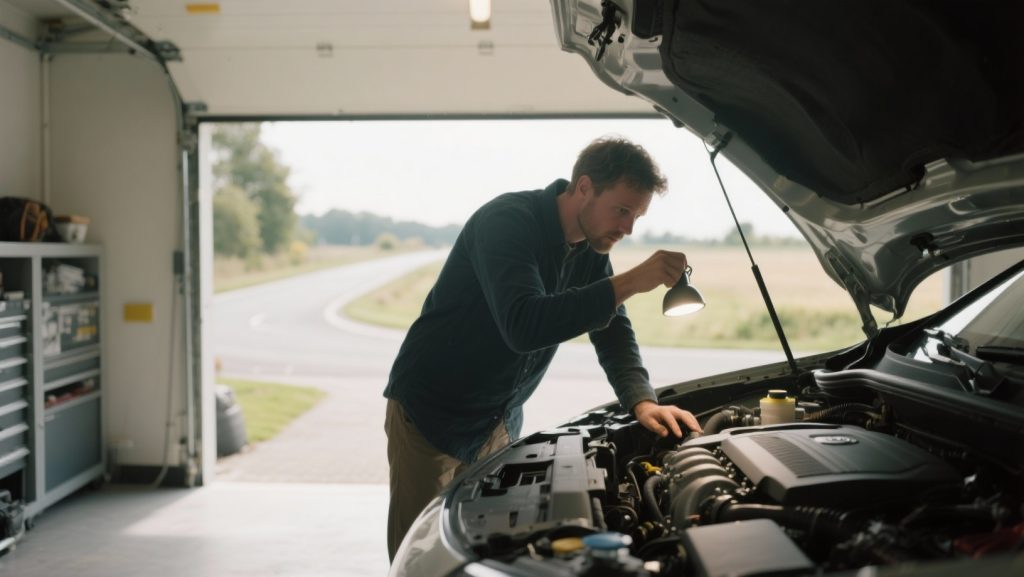
Incorrect tyre pressure, the absence of a spare key, or forgetting the correct documents are among the most underestimated causes of car breakdowns during holidays. These common mistakes during pre-travel car checks are easy to prevent. This article describes how to identify and eliminate risks for a journey without unnecessary problems.
\n\nWhy a thorough pre-travel car check is important
\n\n\n\nA driving holiday doesn’t begin the moment you start the engine, but weeks before. Careful preparation prevents your holiday from being disrupted by avoidable problems. Many travellers focus on the destination and the route, but forget that the car itself forms the basis of a successful road trip. A technical fault due to overdue maintenance or a simple oversight can result in unsafe situations, hefty fines, and unforeseen costs. By systematically checking your car, you reduce the risk of breakdowns and can start your journey feeling relaxed.
\n\n\n\n\n‘ it affects road holding and extends braking distance, which can be particularly dangerous in the mountains or in wet weather. ’
\n
Tyre pressure: The most underestimated cause of breakdowns
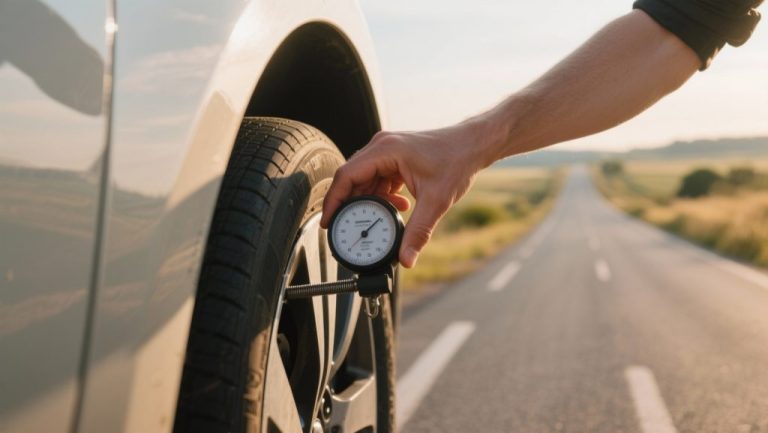
\n\n\n\nCorrect tyre pressure is one of the most overlooked, yet most common, causes of problems on the road. Pressure that is too low leads to higher fuel consumption and excessive wear. More importantly, it affects road holding and extends braking distance, which can be particularly dangerous in the mountains or in wet weather. A heavily loaded car for a holiday trip requires higher tyre pressure than for daily use. It’s important to check the recommended pressure for full load in your car’s owner’s manual or on the inside of the door jamb. This is best done when the tyres are cold, i.e., before you’ve driven a long distance. Additionally, tread depth is an important consideration: the legal minimum standard in Europe is 1.6 mm, but for a safe journey with good grip, 3 mm is recommended.
\n\n\n\nThe spare tyre: A crucial check point
\n\n\n\nMany motorists check the four tyres on the car, but forget the spare tyre. A flat tyre is extra frustrating when you’re stranded by the roadside and discover your spare wheel is also flat. Check that it also has the correct pressure and that you have the necessary tools, such as a jack and a wheel wrench, and know how to use them.
\n\nChecking the fluids
\n\n\n\nChecking the fluids is a quick task that can prevent major problems. A low level of engine oil or coolant can cause overheating and severe engine damage. Check that the following fluids are at the correct level and top them up if necessary:
\n\n\n\n- \n
- Engine oil: Check the oil with a cold engine on a level surface. The dipstick should show a level between the minimum and maximum marks. \n\n\n\n
- Coolant: Check the level in the reservoir. Never open this reservoir when the engine is warm, as the pressure can cause burns. \n\n\n\n
- Brake fluid: A low level can indicate worn brake pads or a leak. If in doubt, always have this checked by a professional. \n\n\n\n
- Windscreen washer fluid: A full reservoir is essential, especially if you are driving through changeable weather or areas with many insects. \n
Lighting and visibility
\n\n\n\nProperly functioning lighting is not only legally required but also of great importance for your own safety and that of others. By walking around the car while someone else operates the different lights, you can check all functions. Check the headlights (dipped beam and main beam), tail lights, brake lights, and indicators. In many European countries, such as Sweden and Norway, it is mandatory to drive with dipped beam headlights during the day. Defective lighting can result in a fine. Also check that your windscreen wipers are in good condition and do not leave streaks. Worn windscreen wipers significantly reduce your visibility in the rain.
\n\n\n\n\n‘ In France and Italy, a warning triangle and a high-visibility vest are mandatory. ’
\n
Documents and mandatory equipment per country
\n\n\n\nGood preparation also includes checking your documents and the mandatory equipment for the countries you visit. Make sure you have the following documents at hand:
\n\n\n\n- \n
- Valid driving licence \n\n\n\n
- Vehicle registration certificate \n\n\n\n
- Insurance documents (green card) \n\n\n\n
- Valid MOT certificate (or equivalent vehicle inspection certificate) \n
In addition, many countries have specific requirements for in-car equipment. In France and Italy, for example, a warning triangle and a high-visibility vest are mandatory. For mountainous areas in winter, snow chains may be required. Before departure, check the specific rules of your destination and transit countries to avoid fines. Don’t forget any environmental stickers for cities in Germany or France either.
\n\nPre-travel checklist
\n\n\n\nA systematic approach helps ensure nothing is overlooked. The checklist below helps you review everything a few weeks before departure and repeat the most important points the day before your trip.
\n\n\n\n- \n
- Tyres: Pressure (including spare tyre) and tread depth \n\n\n\n
- Fluids: Levels of oil, coolant, brake fluid, and windscreen washer fluid \n\n\n\n
- Lighting: Functionality of all lights, including brake lights and indicators \n\n\n\n
- Documents: Driving licence, vehicle registration certificate, and insurance papers \n\n\n\n
- Equipment: Presence of warning triangle, high-visibility vest, and first-aid kit \n\n\n\n
- Breakdown assistance: Foreign breakdown cover \n\n\n\n
- Keys: Take a spare key and keep it separate from the main key \n
These points form the basis of good preparation for your driving holiday. Traveler Tips also offers detailed guides and additional checklists for planning your road trip, from routes in Europe to information on equipment and local traffic rules.
\n\nFrequently asked questions
\n\n\nThe most commonly overlooked essential fluids during a pre-travel car check are engine oil, coolant, brake fluid, and windscreen washer fluid. A low oil level can lead to overheating or engine damage, while a shortage of brake fluid can cause brake failure. Insufficient coolant can cause the engine to overheat, and an empty windscreen washer fluid tank limits visibility in bad weather, which can lead to dangerous situations or breakdowns on the road.
\n\nThe most common mistake is not checking tyre pressure, which leads to faster wear, poorer grip, and higher fuel consumption. Travellers also often forget the tread depth and top up fluids incorrectly. To prevent problems, check tyre pressure when cold and carry a pressure gauge, ensure a minimum tread depth of 1.6 mm, and check fluids when the engine is cold. Thorough preparation and a professional diagnosis can prevent a lot of stress and inconvenience on your journey.
\n\nEssential documents such as vehicle registration certificate, insurance, driving licence, and the green card are often forgotten, as are country-specific vignettes and environmental stickers. Mandatory safety equipment, such as a first-aid kit, breathalyser, warning triangle, and snow chains (in mountainous areas), are also frequently overlooked. The direct consequences of this abroad are significant fines and the risk of being stranded. Furthermore, stricter ID controls at toll roads in countries like Spain and Italy can cause delays and problems if documents are incomplete.
\n\nTravellers often forget to check their lighting, such as main beam, brake lights, and daytime running lights, which are mandatory in many countries. This entails risks, especially in the dark or bad weather, as defective lighting leads to reduced visibility and increases the chance of fines and dangerous situations. Not checking the lights beforehand can result in a fine of €100+ in countries like Sweden and Norway. A simple test of all lights, horn, and windscreen wipers, including replacing defective bulbs in advance, can prevent these problems.
\n\nAspects of in-car comfort that are often overlooked and can negatively affect the travel experience include checking the windscreen washer fluid and the air conditioning. An empty windscreen washer fluid tank leads to poor visibility in the rain, while a leaking air conditioning system reduces comfort in warm weather. Incorrect use of seat belts, such as wearing them under the arm, also reduces protection and indirectly affects the feeling of safety and comfort. Furthermore, skipping a professional diagnosis of brakes and suspension contributes to instability, which particularly impacts travel comfort in mountainous terrain.
\n\n