NL
NL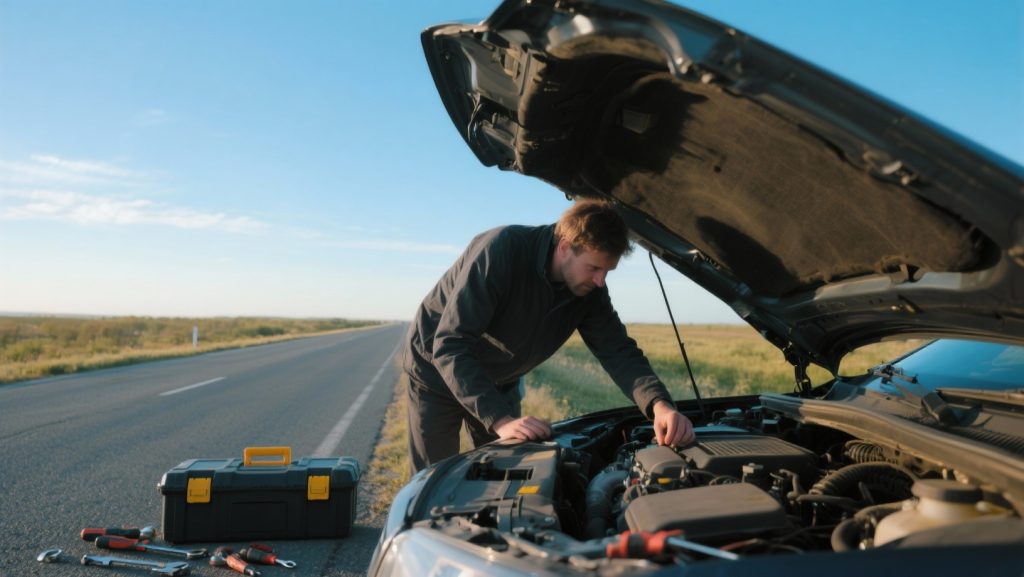
The choice between a DIY car check and professional maintenance depends on the journey you’re about to undertake. You can perform basic checks yourself for a weekend trip. However, for a long driving holiday or a demanding road trip, the expertise of a garage is indispensable for your safety. Where do you draw the line and how do you make the right decision before you leave?
\n\nThe DIY check: what can you do yourself?
\n \nFor shorter journeys or a weekend getaway, it’s wise to carry out some basic checks yourself. This takes little time, saves money, and gives you a good overview of your car’s general condition. A quick inspection can prevent common inconveniences. This includes checks you can perform without special tools or technical knowledge. This inspection is good practice, even if you haven’t planned a trip.
\n\n\nAn effective DIY check includes several fixed components. By following this list, you can be sure you’ve checked the most important points before you leave.
\n\n\n- \n \n
- Check fluids: Checking the engine oil level is one of the most common tasks. A correct oil level is necessary for engine lubrication and cooling. Also, check the coolant level to prevent overheating and top up the windscreen washer fluid for good visibility on the road. \n\n \n
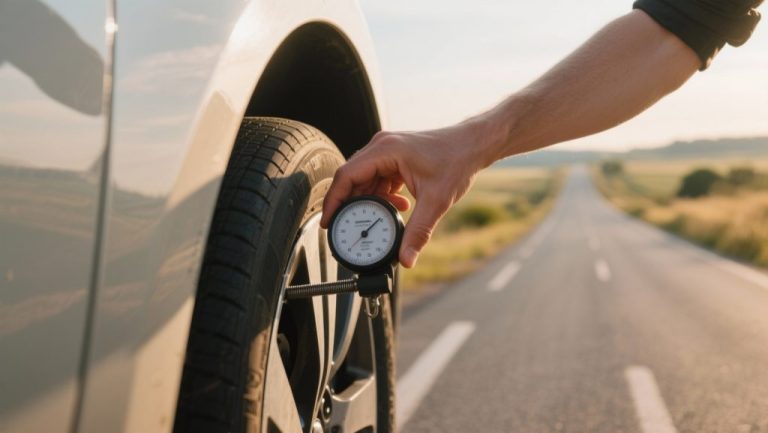
- Measure tyre pressure: The correct tyre pressure ensures stable road holding, a shorter braking distance, and lower fuel consumption. Especially with a heavily loaded car for a holiday trip, the correct pressure will differ from everyday use. You can often find the recommended pressure in the owner’s manual or on the inside of the door pillar. \n\n \n
- Inspect tyre tread: Sufficient tread depth is mandatory for water drainage and maintaining grip. A minimum tread depth of 3 millimetres is recommended for safe performance, especially on wet roads. \n\n \n
- Test lighting: Check that all lights are working: dipped beam, main beam, brake lights, rear lights, and indicators. A fellow traveller can help check the brake lights while you press the pedal. \n\n
\n\n\n‘ This is not an unnecessary luxury, but a wise investment in your safety and that of your fellow passengers. ’
\n
When is professional maintenance necessary?
\n \nA DIY check is useful, but it never replaces a professional service. As soon as you plan a long or demanding trip, such as a driving holiday to Southern Europe or a road trip through the mountains, a visit to the garage is advisable. A mechanic has the right equipment and knowledge to inspect parts you cannot see or assess yourself. This is not an unnecessary luxury, but a wise investment in your safety and that of your fellow passengers.
\n\n\nA professional holiday check or service inspects dozens of points. Where a minor service focuses on around 30 components, a major service inspects up to 80 aspects of the car. The focus here is on components that are more heavily stressed during long journeys.
\n\n\nIn-depth inspection of vital components
\n\n\nA garage places the car on a ramp, which allows for a thorough inspection of the underside. The mechanic checks the condition of the brakes, the suspension, the shock absorbers, and the exhaust system. The mechanic not only visually inspects the brakes but also tests their braking power and the condition of the brake fluid. Old brake fluid can reduce braking performance. This is something you want to avoid during a descent in the mountains.
\n\n\nIn addition, the mechanic reads the onboard computer to detect any malfunctions in the electronic system. Modern cars are full of sensors that signal problems you might not notice immediately. A preventative check can avoid expensive repairs on the road.
\nThe difference in depth and cost
\n \nThe distinction between checking your car yourself and visiting a garage lies in the depth of the inspection. The associated costs also differ. Both have their own function in preparing for your trip. The choice depends on the nature of your trip and the technical condition of your car.
\n\n\n- \n \n
- Inspection points: You check the visible and accessible components yourself. A mechanic inspects the car inside and out, including the underside and the electronic system. \n\n \n
- Expertise: Basic knowledge is sufficient for a DIY check. A professional uses specialised diagnostic equipment and has the experience to identify wear or impending defects. \n\n \n
- Cost: Your own check will at most cost you some fluids. The cost of a professional holiday check varies, but it gives you peace of mind. Independent garages are often more affordable than main dealers, while the quality of maintenance can be comparable. \n\n \n
- Assurance: Checking yourself provides a basic sense of readiness. A professional inspection offers the assurance that the non-visible but important components are also in order for a long and demanding drive. \n\n
Choosing the right garage for your holiday check
\n \nIf you decide to have a professional check carried out, you have a choice of three types of garages. A main dealer offers specific expertise for your car brand and preserves your manufacturer’s warranty. This option is usually the most expensive. An independent garage, affiliated with organisations like BOVAG, provides reliable maintenance at a more favourable rate. For specific work such as tyres or exhausts, you can also visit a fast-fit centre, which offers quick service at a competitive price. Compare the options and rates beforehand to make an informed decision.
\n\n\n\nGood preparation is the foundation of a carefree driving holiday. Whether you opt for a quick self-inspection or a comprehensive service, a reliable car ensures you can set off relaxed. On the Traveler Tips website, you’ll find many more practical articles. Discover information on route planning, mandatory car equipment abroad, and the best preparations for your trip. Check out all our tips and get ready for your journey.
\nFrequently asked questions
\nFor a road trip, you can perform essential checks yourself, such as checking and topping up oil levels, coolant, and screenwash, as well as inspecting wipers and lights. Weekly, you can check tyre pressure, brake fluid, and air conditioning. Consider renting a DIY garage bay for a more thorough tyre inspection or filter change. These self-checks save cost and time, but combine them with annual professional maintenance for complex jobs and optimal safety.
\n\nProfessional car maintenance is indispensable for a long road trip when it comes to complex jobs that affect safety, such as a major service where brakes and suspension are thoroughly inspected. Even if you’re handy, professional maintenance guarantees a comprehensive inspection of 30-80 components, which is essential to prevent unexpected breakdowns on the road. This also preserves your car’s warranty and trade-in value. For travellers, preventative maintenance by a garage, such as a BOVAG-approved garage, is highly recommended for reliability and peace of mind, especially for international journeys.
\n\nFor your holiday, you can weigh the cost savings of a DIY check against the assurance of a garage visit by choosing a combination of both. Perform simple checks yourself, such as inspecting fluids and tyre pressure, to save costs and gain basic knowledge of your car. However, for complex jobs and essential safety checks, such as brakes and suspension, professional maintenance is indispensable for peace of mind and a safe journey. This hybrid model offers a balance between cost savings and the necessary assurance for a carefree holiday.
\n\nRelying solely on a DIY check for a long journey can lead to missing crucial safety components that require an in-depth inspection by experts. Essential parts such as brakes and suspension may go unnoticed, jeopardising safety on long drives. This increases the risk of unexpected breakdowns en route and can lead to more expensive repairs abroad. Furthermore, it can affect the manufacturer’s warranty and reduce the vehicle’s trade-in value.
\n\nFor complex tasks and road safety, professional maintenance is essential. Components such as the timing belt, brakes, and suspension should always be checked by a professional. A major service, where up to 80 components are inspected, is crucial for a thorough check before longer journeys. For hybrid and electric cars, a professional battery check is also advisable.
\n\n