NL
NL
A holiday check at the garage inspects key components such as tyres, fluids, brakes and lights. This inspection is the foundation for a safe motoring holiday. It helps prevent breakdowns and ensures you set off with peace of mind. What happens under the bonnet? And why are these checks important before you cover hundreds or thousands of miles?
Why a holiday check matters
A holiday trip puts more strain on your car than day-to-day driving. Think a full load of luggage, extra passengers, long journeys, high outside temperatures and mountain roads. These conditions demand a lot from the engineering. A small, unnoticed fault can grow into an expensive problem on the road. Breaking down on a foreign motorway can disrupt your holiday plans. A preventative check by an expert minimises this risk and is an investment in safety and peace of mind.
What does a holiday check at the garage involve?
A holiday check is a standardised inspection of the most important parts of your car. While the exact scope can vary by garage, the following points are almost always covered.
The tyres: your only contact with the road
Tyres are crucial for road holding and braking performance. A mechanic checks the tyres on several aspects:
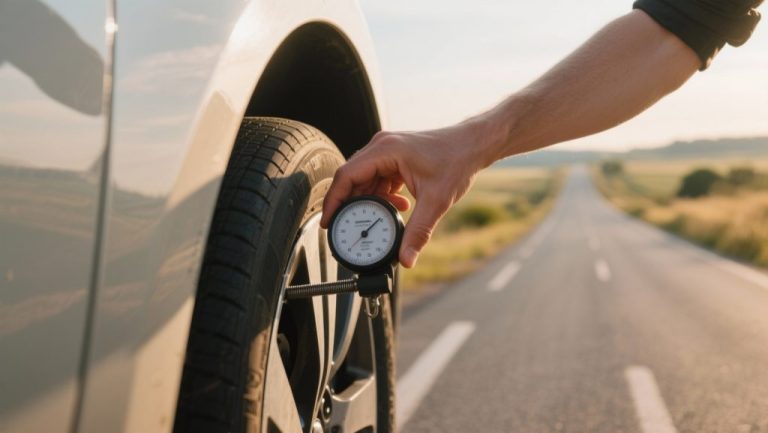
- Tyre pressure: The mechanic adjusts the pressure to suit the load for a holiday trip. The correct pressure provides stable handling, a shorter stopping distance and lower fuel consumption.
- Tread depth: The garage measures whether the tread depth still meets legal requirements (minimum 1.6 mm). For optimal grip, especially in wet weather, a tread of at least 2.5 mm is recommended.
- Damage: The mechanic visually inspects the tyres for cracks, bulges or other irregularities that could indicate an impending blow-out.
- Spare wheel and jack: The mechanic also checks the spare wheel for pressure and condition. Do you have a repair kit? Then they check the expiry date of the sealant fluid.
The fluids: the car’s lifeblood
The right fluids are essential for a properly functioning engine. That’s why the mechanic carefully checks all levels and tops them up where necessary.
- Engine oil: The oil level is important for lubrication and cooling of the engine. The mechanic checks the level and the quality of the oil.
- Coolant: This prevents the engine from overheating, a real risk during long summer journeys or in the mountains.
- Brake fluid: This fluid is vital for your safety. A level that’s too low or fluid that’s past its best can reduce braking power.
- Windscreen washer fluid: For good visibility, you need a clean windscreen. The mechanic tops up the reservoir so you can easily remove insects and dirt.
The braking system: your key safety component
In addition to the brake fluid, the mechanic visually inspects the entire braking system. They check the thickness of the brake pads and the condition of the brake discs. Worn brakes perform less well, especially when you’re descending a mountain pass with a fully laden car.
The battery, lights and windscreen wipers
These parts might seem a given, but they matter for comfort and safety.
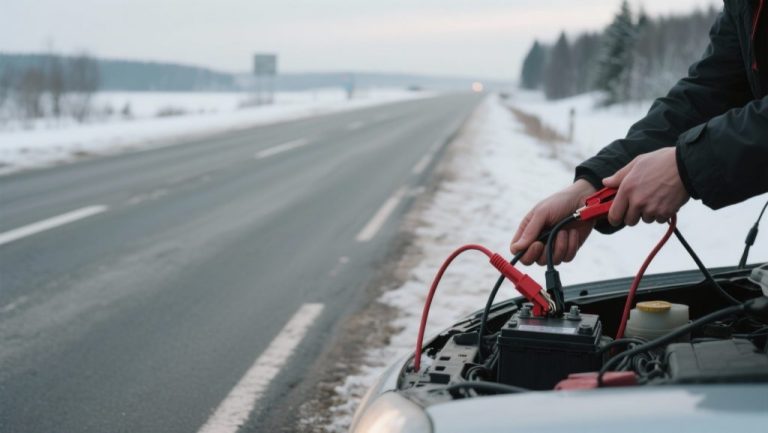
- Battery: The mechanic tests the condition of the battery. High temperatures can be the final straw for an older battery. A car that won’t start after a stop can delay your trip.
- Lights: The mechanic checks all lights: dipped beam, main beam, brake lights, indicators and reversing lights. Seeing and being seen is important.
- Windscreen wipers: The mechanic checks the wiper blades for drying out and cracking. Smearing on the windscreen during a summer thunderstorm can obstruct your view.
The air conditioning: comfort on the road
Properly working air con is no luxury on a hot summer holiday. It keeps the driver alert and makes the journey pleasant for all passengers. During the check, the mechanic tests the air con’s operation. A system that no longer blows cold can indicate a low refrigerant level.
Frequently asked questions
A holiday check focuses on crucial components such as tyres, brakes, fluids, lighting and the cooling system to prevent breakdowns during long car journeys. These checks are essential because they address issues such as tyre trouble or overheating, which significantly improves the safety and comfort of the trip. For international travel, necessary documents and equipment are also checked, helping ensure a hassle-free journey that complies with regulations. These preventative inspections help avoid expensive and frustrating surprises on the road.
A standard holiday check includes inspection of the tyres, brakes, fluids (oil, coolant, brake and windscreen washer fluid), lights and the cooling system, as well as a visual inspection of the battery and exhaust. For distant or mountainous destinations, such as Italy, Spain or the Alps, extra attention to the air conditioning, brakes and shock absorbers is recommended. In addition, documents (driving licence, vehicle registration document, green card), vignettes and environmental stickers are essential for cross-border travel. A premium check is often worth the investment for long road trips to prevent unexpected breakdowns.
A holiday check at the garage isn’t strictly necessary for every type of driving holiday, but it is recommended for longer or overseas trips to prevent breakdowns. For shorter journeys, a basic check is often sufficient. As a traveller, you can easily save money by regularly checking tyre pressure (when cold), the oil level and windscreen washer fluid. However, it’s best to have more complex items such as the brakes or cooling system checked by a professional.
To interpret the results of a holiday check, pay attention to any shortcomings the mechanic reports, such as wear on tyres or brakes, or low fluid levels. Ask the mechanic for a clear explanation of the issues found, how urgent any repairs are, and what steps should be taken. Also ask about specific points of attention for your destination, such as cooling for hot climates or brakes for mountainous areas. Finally, ask about the costs and the time required for any repair work.
A holiday check takes on average 1 to 1.5 hours, with basic checks from €19.95 up to premium options at €79.95, depending on the number of inspection points. A reliable garage offers thorough checks of essential components such as tyres, brakes, fluids and cooling systems. When choosing, look for garages that tailor the check to the make and journey length and that give you the opportunity to have repairs carried out in time. For long trips, a premium check is recommended, with fluids often topped up free of charge.