 NL
NL
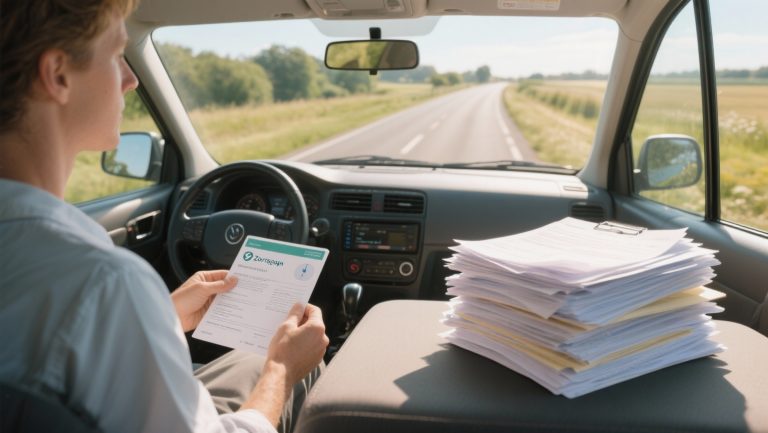
Proper preparation for your road trip prevents unnecessary fines and stress. The rules for mandatory safety equipment and onboard documents vary considerably by European country. What is sufficient in one country can lead to a fine in another. Do you know exactly what you need to take for your route through Europe? Read on and set off well-prepared.
\n\nThe basic equipment: what is mandatory in most European countries?
\n\n\n\nAlthough the details vary by country, there are a number of items that must be present in your car in most European countries. This basic equipment forms the foundation for a safe and carefree journey. Check before departure that you have these items within easy reach.
\n\n\n\n- \n
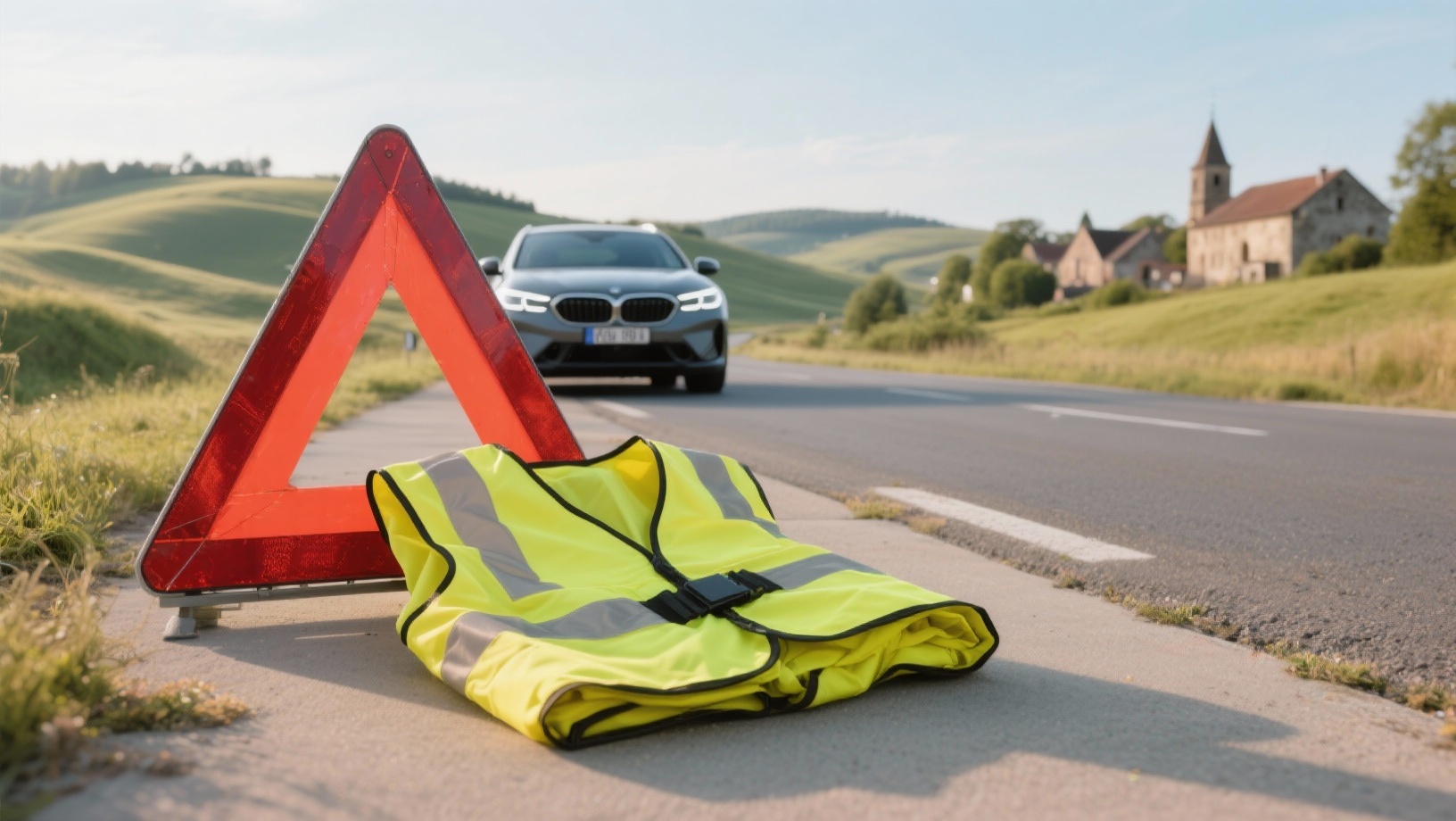
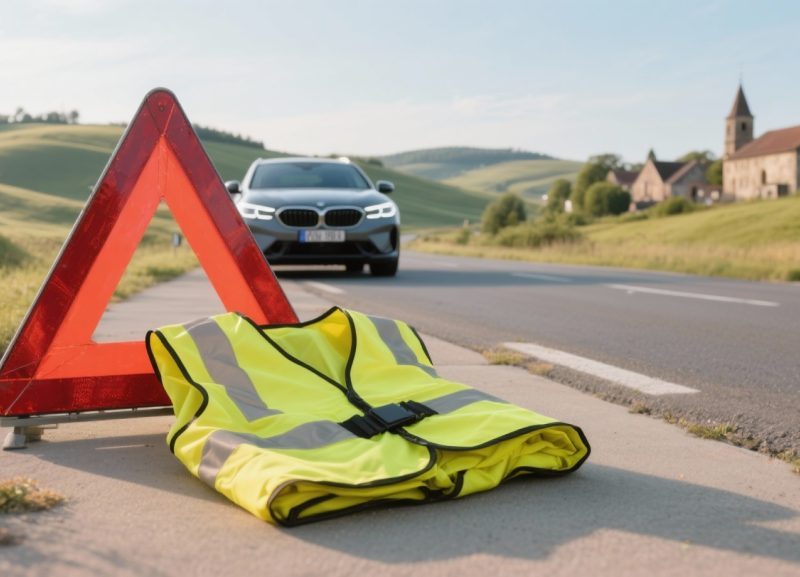
- Warning triangle: This is the most universal safety item. In the event of a breakdown or accident, you use it to warn oncoming traffic. Place the warning triangle at a clear and safe distance behind your vehicle. \n\n\n\n
- Safety vest: A reflective vest ensures you are clearly visible when leaving the car by the roadside. The rule is often that there must be one vest for the driver. It is advisable to have one for every occupant. Make sure you keep the vests in the glove compartment or door pockets, not in the boot. \n
In addition to these two items, it is always wise to carry a complete first-aid kit and a fire extinguisher. These are not mandatory everywhere, but safety comes first. We strongly recommend carrying a first-aid kit.
\n\n\n\n\n‘ However, pay close attention to the details per country. ’
\n
Specific rules per popular holiday country
\n\n\n\nThe general rules are a good start. However, pay close attention to the details per country. Countries such as France, Italy, Germany, and Belgium have additional requirements. Below is an overview of what you need to know for these popular destinations.
\n\n\n\nFrance: alcohol test and vests for everyone
\n\n\n\nFrance is known for its extensive and specific traffic rules. Good preparation is essential here. Make sure you have the following in order:
\n\n\n\n- \n
- Warning triangle: Mandatory. \n\n\n\n
- Safety vest: Mandatory for every occupant. The vests must be within easy reach. \n\n\n\n
- Alcohol test: It is no longer mandatory to carry an unused alcohol test (éthylotest) in the car. There is no longer a fine for its absence. Nevertheless, we recommend carrying an alcohol test. \n
Italy: simplicity, but be prepared
\n\n\n\nCompared to France, the rules in Italy are simpler, but no less important. Italian police enforce strictly, so make sure you have the basics in order.
\n\n\n\n- \n
- Warning triangle: Mandatory to carry. \n\n\n\n
- Safety vest: The driver must wear a reflective vest when leaving the car outside built-up areas. This also applies on motorways. It is advisable to provide a vest for all passengers. \n
A first-aid kit is not mandatory in Italy for foreign drivers. However, we strongly recommend carrying one.
\n\n\n\nGermany: a complete first-aid kit is a must
\n\n\n\nGermany places great importance on safety and good preparation. In addition to the standard items, the contents of your first-aid kit are important here.
\n\n\n\n- \n
- Warning triangle: Mandatory. \n\n\n\n
- Safety vest: A vest is mandatory for the driver. \n\n\n\n
- First-aid kit (Verbandskasten): An approved and complete first-aid kit is mandatory in every car. Pay attention to the expiry date of the sterile contents. The German standard (DIN 13164) is the benchmark here. \n
Belgium: fire extinguisher and first-aid kit
\n\n\n\nOur southern neighbours have several requirements that differ from the Dutch standard. The fire extinguisher, in particular, is a point of attention for anyone travelling to or through Belgium.
\n\n\n\n- \n
- Warning triangle: Mandatory. \n\n\n\n
- Safety vest: Only mandatory for the driver. \n\n\n\n
- First-aid kit: It is mandatory to have a first-aid kit in the car. \n\n\n\n
- Fire extinguisher: An approved fire extinguisher is mandatory in vehicles with a Belgian registration plate. This does not apply to cars with a foreign registration plate. Nevertheless, we strongly recommend carrying one to avoid discussions. \n


Checklist of onboard documents for your European road trip
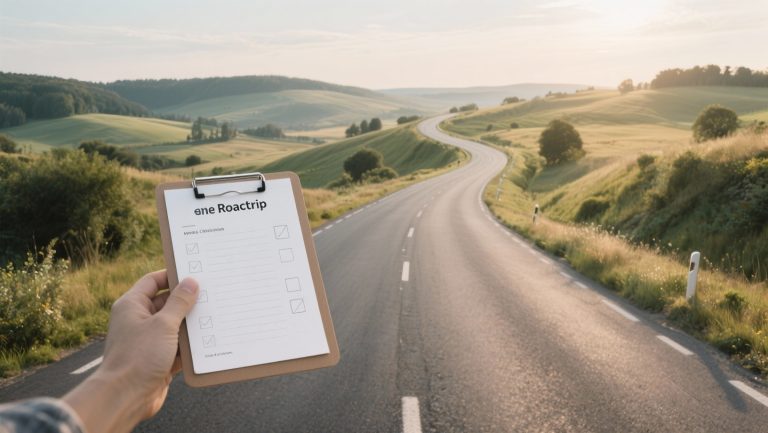
\n\n\n\nIn addition to the correct safety equipment, valid documents are just as important. Without the right paperwork, your trip will end prematurely. Use this checklist to ensure you have everything with you:
\n\n\n\n- \n
- Driving licence: A valid national driving licence. \n\n\n\n
- Vehicle registration certificate: The original vehicle registration certificate. \n\n\n\n
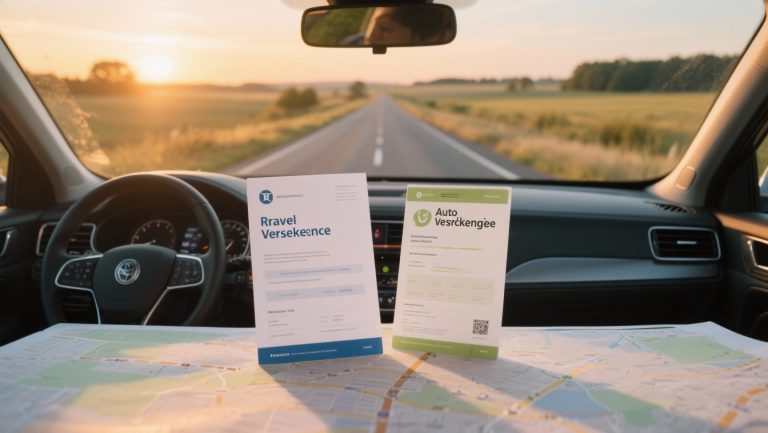
- Insurance certificate (Green Card): The Green Card is not mandatory to carry physically in all EU countries. However, it proves that you are insured. It is highly recommended to carry it, either digitally or on paper. \n\n\n\n
- Passport or identity card: A valid travel document for all occupants. \n\n\n\n
- European Accident Statement: Indispensable for correctly handling damage in the event of an accident. \n
What are the fines for missing safety equipment?
\n\n\n\nFailure to comply with the rules leads to inconvenient fines. The amount of these fines varies greatly by country and by offence. In France, the absence of a safety vest will result in a €135 fine. In Germany, an incomplete or expired first-aid kit results in a fine. These amounts are indicative and subject to regular change. They underscore the importance of good preparation. Avoid unnecessary costs and check your equipment before you leave.
\n\n\n\nA well-planned trip is the basis for a relaxing holiday. Proper preparation regarding safety equipment and documents is certainly part of that. On the Traveler Tips website, you will find much more practical information for your car holiday, including everything about toll roads, environmental stickers, and inspiring routes through Europe. Discover more and make your next trip a success.
\n\nFrequently asked questions
\n\n\nI cannot currently provide a complete answer to the question of which mandatory safety items you should have in your car during a road trip through various European countries. The available information does not extensively cover these specific requirements, such as warning triangles, safety vests, and alcohol testers per country. To answer this question correctly, more specific country information on safety equipment is needed.
\n\nFor a car or train journey through Europe, essential personal documents include a valid passport or identity card and your driving licence. For the vehicle, the car registration documents (vehicle registration certificate), an international insurance certificate (Green Card), and a valid MOT inspection are indispensable. Also, ensure you have a vignette, depending on the country, and carry the mandatory safety equipment. It is advisable to check local regulations for specific countries, as these can vary.
\n\nFor an accurate check of mandatory documents and safety items per European country, it is advisable to consult official government websites of the relevant countries. Reputable motoring associations such as ANWB or ADAC also offer reliable and up-to-date information. Please note that regulations can vary by country and are updated regularly.
\n\nUnfortunately, I cannot provide a complete answer to this question with the available information. Current sources contain insufficient data on the specific consequences and fines per European country for non-compliance with requirements for safety items and onboard documents. There is a lack of comprehensive and up-to-date information on country-specific regulations, exceptions, and associated sanctions.
\n\nThe available information is insufficient to provide a detailed answer regarding the differences in requirements for safety items and documents when travelling with a rental car or caravan. There is no specific discussion of rental cars or caravans in relation to safety items such as warning triangles or reflective vests. Country-specific onboard documents, apart from insurance papers, are also not extensively covered. For a complete overview, more specific and up-to-date sources per European country are required.
\n\n