 NL
NL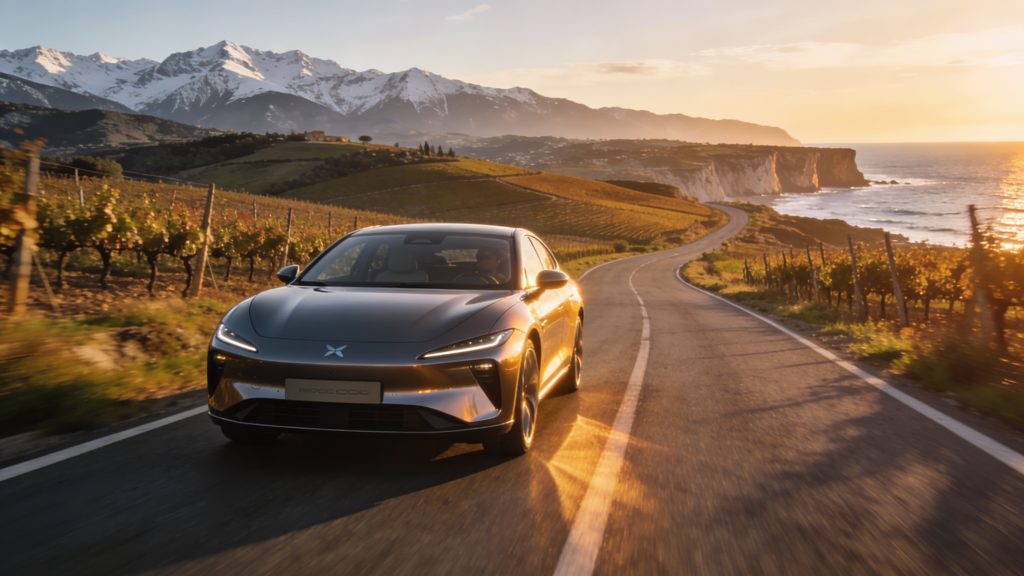
Driving electric on a motoring holiday is no longer a compromise. It is very much a conscious choice for comfort, quiet and sustainability. Europe’s charging infrastructure is now extensive enough for spectacular road trips. You can combine sights with smart charging stops. From the rolling vineyards of the Douro Valley to the dramatic coastline of the North Coast 500: these are bucket list routes. They offer everything you could want from an unforgettable driving holiday. Discover which routes are truly realistic and how to make sure you never run out of charge along the way.
Why these routes are perfect for electric cars
Plan European road trips for electric cars on routes with good charging coverage and realistic daily distances. The routes on this bucket list are chosen for their feasibility. They offer plenty of rapid chargers along the way. They run through areas with reliable infrastructure. These routes combine natural beauty with cultural highlights. Charging stops become a welcome part of the journey, not an obstacle.
When you take a road trip with an electric car (EV road trip), you plan differently than for a traditional driving holiday. You take the range of your car into account. Charging time also plays a part. In addition, you look at the availability of rapid chargers along the route. Read up in advance on driving electric on a motoring holiday (EV). That way you approach it the right way.
The best EV routes through Europe have shorter stages. You plan charging stops at sights, restaurants or accommodation. This turns charging into a natural part of your travel rhythm.
‘ You can enjoy the winding roads and tiny mountain villages without range anxiety. ’
Iconic routes in Germany and France
The Schwarzwaldhochstraße in Germany is a compact route of just 60 kilometres. It fits perfectly with the range of modern electric cars. This mountain road runs from Baden-Baden to Freudenstadt. You drive through dense forests and past waterfalls. The route offers panoramic views over the Black Forest. On both sides of the route you will find powerful rapid chargers. You can enjoy the winding roads and small mountain villages without range anxiety.
The Route Napoléon runs from Cannes to Grenoble. This is a spectacular journey through the French Alps. The route combines coastal scenery with mountain passes. You drive through picturesque villages such as Castellane and Digne-les-Bains. The charging infrastructure along the route is well developed. In the larger towns you will find rapid chargers. Hotels and restaurants have type 2 charging points. Plan your charging stops in the morning or late afternoon. That way you avoid busy times.
Planning with a buffer
With alpine routes such as the Route Napoléon, differences in altitude play a role. They affect your range. When you climb to a mountain pass you use more energy. On the descent your car recuperates energy. This differs per car. Plan your route with a safety buffer of 20 to 30 per cent. That way you can flexibly deal with detours or weather conditions.
Wine routes and coastal landscapes in southern Europe
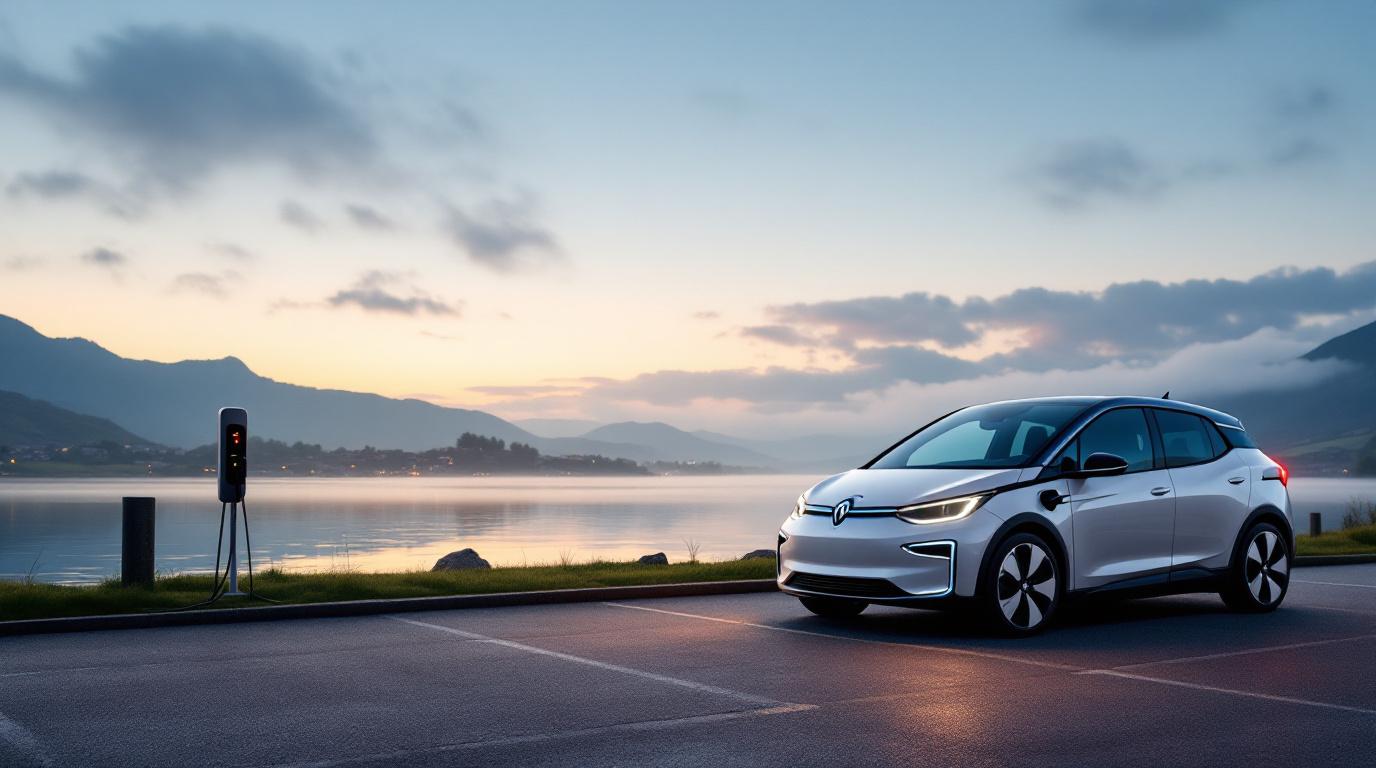
The Douro Valley in Portugal offers wine tastings alongside dramatic river landscapes. The route runs from the Algarve to the Alentejo. In historic towns such as Évora and Estremoz you will find plenty of charging options. Portuguese charge points are well distributed, especially along the coast. The infrastructure is also in good shape in tourist areas. Many quintas and wineries now have charging points for visitors.
The Chianti Wine Route in Tuscany follows the SR222 between Florence and Siena. You drive through rolling hills with vineyards and cypress trees. This relatively short route gives you scope to stay in the region for several days. Take day trips to nearby villages such as Greve in Chianti and Castellina. At larger accommodation you will find charging points. You can also charge easily in the cities at the start and end of the route.
Spectacular coasts and fjords in northern Europe
The North Coast 500 in Scotland is a demanding 830-kilometre route along the north coast. You pass dramatic cliffs, deserted beaches and historic castles. For this route you need an electric car with sufficient range. Plan your charging stops carefully. Inverness, Ullapool and Durness have reliable charge points. The distances between them can be up to 80 kilometres. Check charger availability before you set off. Take a type 2 cable with you for slower charging at accommodation.
The Cornwall Coast route runs from Bideford to Port Isaac. This is a shorter coastal route. The drive takes less than two hours. With a battery above 50 per cent there is no need to top up en route. This route is accessible for all electric cars. Stop off in picturesque fishing villages such as Tintagel and Boscastle. Explore the coastal paths and sample the local seafood.
Sognefjord in Norway
The route from Bergen runs along the E16 to the Sognefjord. You will see an impressive combination of fjords, mountains and waterfalls. Norway has an excellent charging infrastructure. The country has many electric cars, which means the network is very well developed. You will find rapid chargers at petrol stations. You can also charge easily in larger villages along the route. Distances are manageable. You can take your time and enjoy the scenery.
‘ The short distances are ideal for a weekend away with an electric car. ’
Compact routes in the Netherlands and Switzerland
The Afsluitdijk is a short yet iconic route. The dam is 32 kilometres long. It runs between North Holland and Friesland. This route fits into any EV travel plan as part of a longer road trip through the Netherlands. On the way you can stop at the Afsluitdijk Wadden Center for information about the history of the dam and the Wadden Sea area.
The Bernese Oberland in Switzerland is a compact area. You will find mountain lakes such as Lake Thun and Lake Brienz there. It also includes mountain peaks such as the Jungfrau. The short distances are ideal for a weekend away with an electric car. In almost every village you will find charging points. Charging at ski resorts is also easy, including outside the winter season.
Practical preparation for your electric car road trip
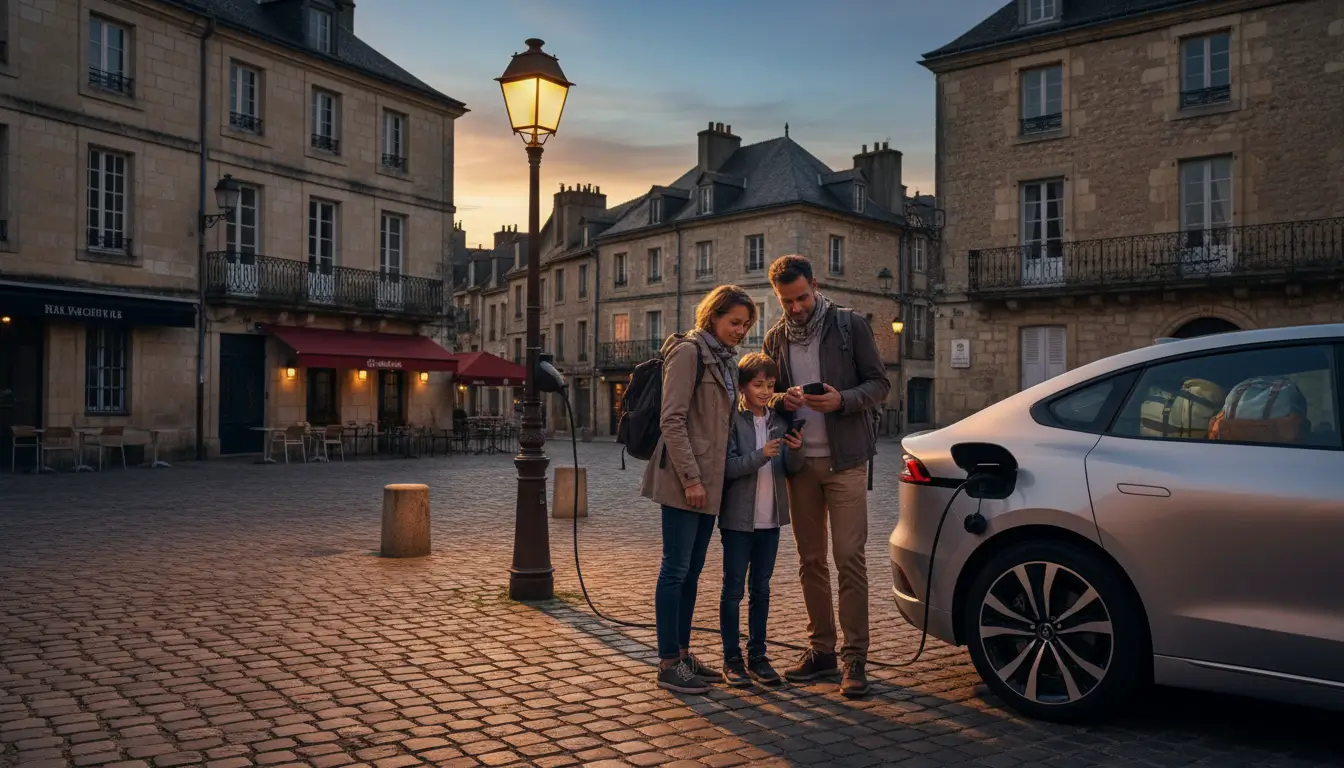
A successful road trip with an electric car starts with good preparation. Know the range of your car. Speed, temperature and changes in altitude all affect that range. Use navigation apps designed for electric cars. Examples include A Better Routeplanner or your car’s built-in navigation. These tools calculate where you need to charge and show how long it will take.
Always pack your own charging cables. Take the CCS cable with you. Also pack a type 2 cable for slower charging at hotels or holiday homes. In some countries you will still find charge points without a fixed cable. Check in advance whether you need charge cards or apps for the countries you are visiting. Make sure your account is active.
Strategic charging en route
Choose rapid chargers with at least 50 kW power for intermediate stops. Charging up to 80 per cent is considerably faster than charging to 100 per cent. The charging speed drops as the battery becomes fuller. Plan your charging stops at sights, lunch spots or walking routes. That way the charging time feels more productive.
Avoid charging during peak hours. This applies especially in tourist areas during school holidays. Early in the morning or late in the afternoon, charge points are more likely to be available. Download offline maps in your navigation app so you can still follow your route without an internet connection.
Combining routes with sights
The best road trips with an electric car combine charging stops with cultural or natural highlights. In the Moselle Valley you can charge in towns such as Trier or Cochem. Visit wineries and medieval castles while you are there. Along the French coast you can plan charging stops in historic port towns such as La Rochelle or Saint-Malo. You will have time for a walk along the city walls while your car charges.
In the Lake District in England you can charge in Windermere or Ambleside. Explore the area on walking routes to waterfalls and lakes. The charging infrastructure in this region is well developed, largely thanks to tourism. You will find charging points at hotels and attractions.
‘ Travelling electric through Europe is realistic, practical and gives you access to special places. ’
Discover more routes and tips
These bucket list routes are only the beginning of what Europe has to offer for electric road trips. On the Traveler Tips website you will find extensive information on more routes and charging strategies. You will also find practical checklists and tips for planning your driving holiday. Are you looking for a weekend break? Or are you planning a road trip lasting several weeks? Good preparation and the right route will make your road trip both comfortable and conscious. Travelling electric through Europe is realistic, practical and gives you access to special places.
Frequently asked questions
A few bucket list-worthy EV road trips with strong charging infrastructure include the Pacific Coast Highway in California, the Las Vegas–Grand Canyon route and Denver–Moab in the US, where there are many (fast) DC chargers along main roads. In Europe, the Schwarzwaldhochstraße in Germany and the Route Napoléon in France combine beautiful mountain and forest scenery with well-distributed charge points. The North Coast 500 in Scotland, the Chianti Wine Route in Italy and Portugal’s Douro Valley also offer unique nature and culinary experiences with a growing network of chargers. For fjord and mountain lovers, the Norwegian Sognefjord route from Bergen is a strong candidate thanks to Norway’s very dense EV charging infrastructure.
Plan your route with EV-specific apps (e.g. ABRP, PlugShare) and build in a 20–30% battery reserve so you do not arrive at chargers with less than about 10–15%. Choose smart charging stops in places where you want to take a break anyway: at restaurants, viewpoints, walking routes or supermarkets, and focus on DC rapid chargers (>50 kW) during the day. Book overnight stays at hotels or campsites with (free) AC chargers so you can slowly charge to 100% at night and start the next day relaxed. Take account of terrain and weather (mountains, cold, headwinds) and shorten your daily stages if you plan to do lots of sightseeing, so charging fits naturally into your rhythm.
Essential steps include detailed route planning with charging stops (including a 20–30% battery reserve), checking charging infrastructure and charge cards/apps for all legs and destinations. Calculate realistic daily distances based on your actual consumption, changes in altitude and weather conditions. Take all necessary charging cables, adapters, a power bank and offline maps with you. Book overnight stays with (preferably free) charging so you can start every morning with a full battery.
Use apps such as Google Maps, Roadtrippers, Lonely Planet Guides or Komoot to find sights, viewpoints and walks along your route, and filter for places “along the route” or “on the way”. Combine them with EV-specific apps (such as Chargemap or A Better Routeplanner) so that you plan beautiful spots around charging stops instead of having to make detours. Check local blogs, tourism websites and Reddit (e.g. r/travel, r/roadtrip) for insider tips and search for your route plus “hidden gems” or “local tips”. It is better to plan shorter daily distances with time for detours, so you can spontaneously visit villages, viewpoints and nature areas when you have to charge anyway.
Yes, there are several bucket list EV routes that are a great fit for travellers who are looking for sustainability and local experiences. In Europe, for example, Portugal’s Douro Valley, the Chianti Wine Route in Italy and routes through Slovenia are ideal for experiencing small-scale wine producers, villages and landscapes at a relaxed pace. The North Coast 500 in Scotland and the Sognefjord route in Norway also combine rugged nature with small communities and a relatively good charging infrastructure. By staying in local accommodation with charging points and planning short daily stages, you can experience these routes in an even more sustainable and local way.