NL
NL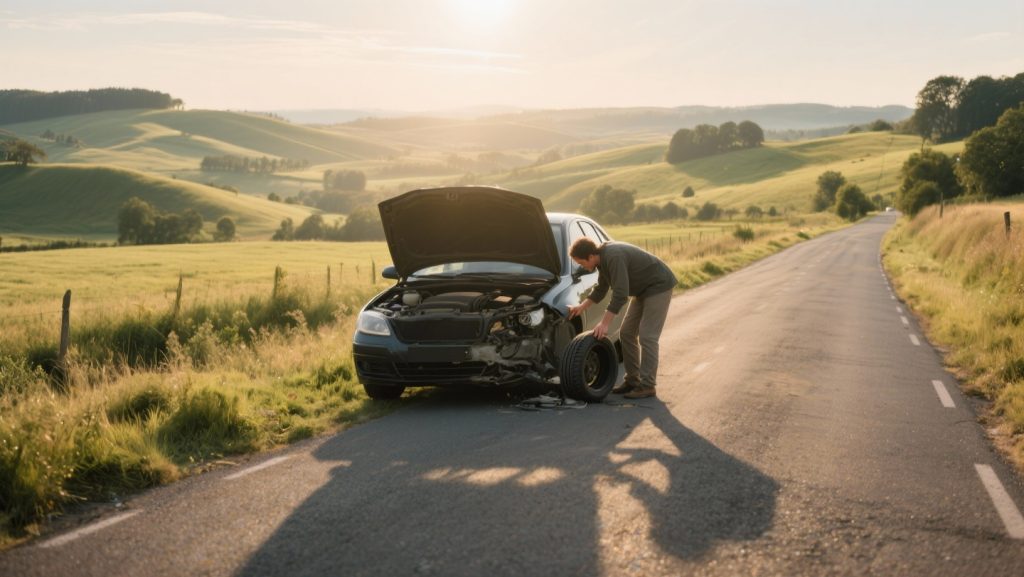
Good preparation is key to effectively resolving a car breakdown abroad, reducing stress and getting you back on the road quickly. Knowing what steps to take, from securing the location to calling for the right help, makes all the difference. Read on to discover how to act prepared and confidently when your car lets you down.
\n\nPreparation: the basis for a carefree journey
\n \nBefore you cross the border, thorough preparation is essential. You can prevent a lot of stress during a car breakdown by arranging the right things beforehand. Check your car thoroughly or have it serviced. Ensure that fluids are at the correct level and tyre pressure is correct. A well-maintained car significantly reduces the chance of problems.
\n\n\n\nCheck your insurance and breakdown cover
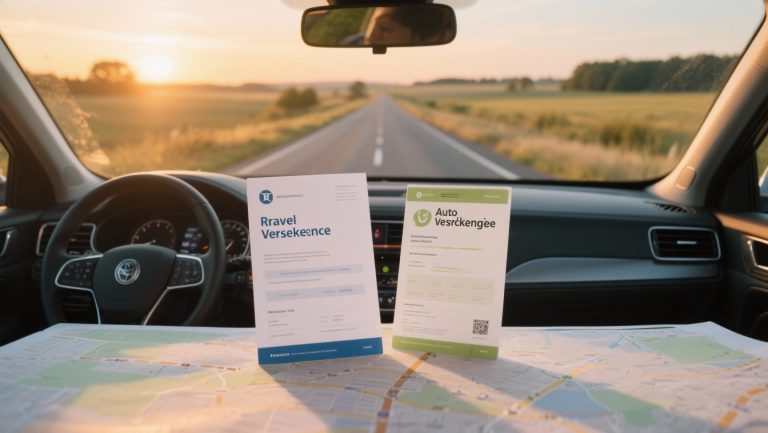
\n\n\nCheck your insurance policy. Are you covered for breakdowns abroad? This is often an additional cover on your car insurance or part of your travel insurance. Note down your insurer’s emergency number and save it to your phone. Make sure you know which number to call from abroad; this is often a number that starts with +31.
\n\n\nThe green card is an international insurance certificate. Although it is not always mandatory in the EU, it contains useful information, such as your insurer’s contact details. Keep this with your car documents.
\n\n\n\nAssemble a safety kit
\n\n\nIn many European countries, safety equipment is mandatory in the car. Make sure you have these items with you to avoid fines and ensure your safety:
\n\n\n- \n \n
- Warning triangle \n\n \n
- High-visibility vests (for all occupants) \n\n \n
- First-aid kit \n\n \n
- Fire extinguisher (mandatory in some countries) \n\n
A set of spare bulbs and a torch can also be very useful. Check the specific requirements of the countries you are travelling through.
\n\n\n\n‘ Panic doesn’t help and can lead to unsafe situations. ’
\n
What to do in case of a car breakdown: the step-by-step plan
\n \nWhen you notice your car acting up, stay calm. Panic doesn’t help and can lead to unsafe situations. Follow these steps to handle the situation safely and efficiently.
\n\n\n\nStep 1: Ensure your safety and the safety of others
\n\n\nAs soon as you break down, your first priority is the safety of yourself, your passengers, and other road users. Try to bring your car to a halt in the safest possible spot. If possible, drive to a lay-by or the hard shoulder. Position the car as far to the right of the road as possible.
\n\n\n- \n \n
- Switch on your hazard lights. \n\n \n
- Turn the wheels away from the road, towards the verge. \n\n \n
- Have all occupants exit on the right-hand side (the verge side) and wait behind the crash barrier. \n\n \n
- Put on a high-visibility vest before getting out. \n\n \n
- Place the warning triangle at the correct distance behind the car. On minor roads, this is about 30 metres; on motorways, approximately 100 metres. \n\n
Step 2: Call for help
\n\n\nOnce everyone is safe, it’s time to call for help. Use your insurer’s or breakdown service’s emergency centre. To call the Dutch number from abroad, use +31 and drop the first 0 of the area code. Have the following information ready:
\n\n\n- \n \n
- Your location (country, road number, kilometre marker) \n\n \n
- The car’s registration number and make/model \n\n \n
- A description of the problem \n\n \n
- Your policy number \n\n
The general European emergency number is 112. Only call this number in life-threatening situations or in an accident with injuries. For breakdown assistance, use the contact details of your own service provider.
\n\n\n\nStep 3: Document the situation
\n\n\nWhile you wait for help, it’s wise to document the situation. Take photos of the car, any damage, and the surroundings. This can be useful later when dealing with your insurance. Also note down the name of the assistance provider and the garage where the breakdown service takes your car.
\n\n\nCommunicate clearly with the breakdown service employee. Use a translation app if there’s a language barrier. Be clear about what happened and what help you expect. Do not sign any documents you don’t understand.
\n
Handling repairs and costs
\n \nThe breakdown service will try to repair the car on the spot. If that’s not possible, the breakdown service will tow your car to a garage. The emergency centre coordinates this process and keeps you informed. They can also help with replacement transport or an overnight stay, depending on your cover.
\n\n\nKeep all receipts and invoices for repairs, replacement transport, or other incurred costs. You will need these to claim the costs back from your insurer afterwards. Make arrangements regarding payment: sometimes the insurer covers the costs upfront, in other cases, you may need to pay for them yourself.
\n\n\n\nGood preparation and knowing the right steps make a car breakdown abroad much less stressful. On the Traveler Tips website, you will find more articles to help you plan your trip. Discover our guides on mandatory equipment per country, toll roads in Europe, and planning the perfect road trip.
\n\nFrequently asked questions
\nFor good preparation for a car breakdown abroad, it is essential to have your car thoroughly checked and to carry all necessary documents. Ensure you have international breakdown assistance insurance and check your car insurance for foreign coverage. Furthermore, it is wise to bring emergency equipment, such as a high-visibility vest and a warning triangle. Also, be aware of local emergency numbers and procedures in case of a breakdown.
\n\nImmediately switch on your hazard lights and put on a high-visibility vest before leaving the car. Place the warning triangle at a safe distance behind the car to warn approaching traffic. Find a safe spot for yourself, such as behind the crash barrier, away from traffic. Immediately call the local breakdown service or your insurance company and provide your exact location.
\n\nI cannot answer your question about which authorities or emergency services you can contact for assistance and what information is needed, based on the current documentation. The available information focuses specifically on car breakdowns abroad and is not generally applicable.
\n\nInformation regarding insurance, costs, and financial settlement for car breakdowns abroad is not available through the consulted sources.
\n\nI apologise, but information about options for replacement transport or continuing your journey after your car has been towed away is not available in the consulted documents. The available sources primarily cover general car breakdowns abroad and do not specifically address the situation after towing.
\n\nBased on the available information, which is primarily Dutch and European in nature, I cannot provide country-specific rules or documents for breakdowns in a particular country. The sources are limited and do not focus on international or region-specific regulations. To provide definitive answers on this, additional international and country-specific sources would be needed. However, general information is available on preparation, safety measures, and contacting breakdown assistance.
\n\n