 NL
NL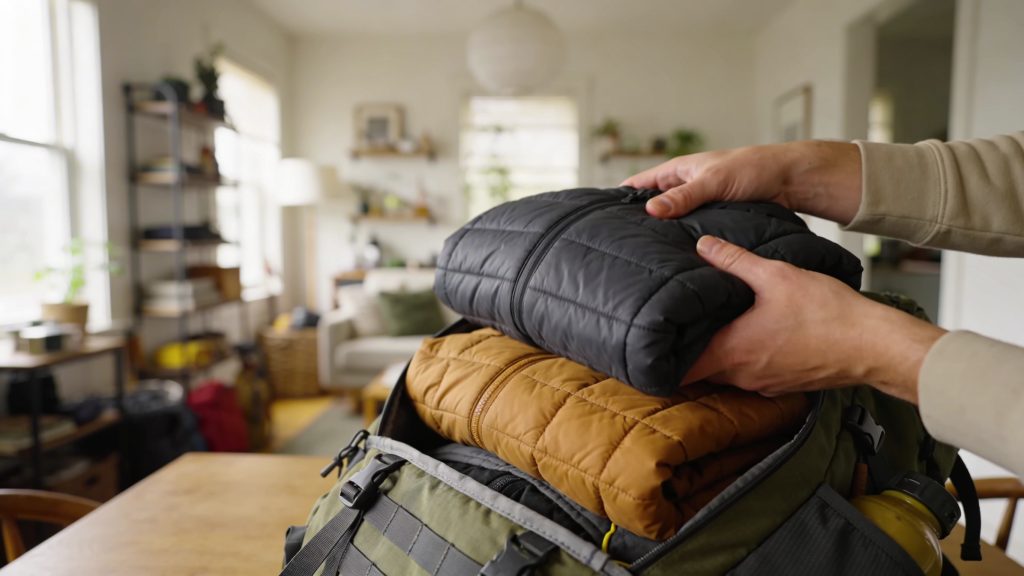
A well-prepared packing list makes the difference between enjoying snowy landscapes and coming back with cold fingers and wet feet. For winter walking holidays you need quite a lot: it’s all about layers, waterproof protection and safety gear that prepares you for changeable weather and slippery paths. Heading into the Kaapse Bossen or crossing the Kastelen Geuldal? With the right items in your rucksack you’ll walk comfortably and safely through the winter landscape.
Choose your clothing in layers
The basis of winter walking is the layering system. This system consists of three layers, each with its own function. The base layer wicks away sweat and keeps your skin dry. For this, choose thermal clothing made of merino wool (a fine type of wool that breathes well and doesn’t itch) or synthetic material, such as long johns and a moisture-wicking shirt that draws sweat directly away from your skin. Cotton is not an option for winter walking because it retains moisture and cools your body down.
The mid-layer traps warmth and insulates your body. Think of a fleece jacket, a pullover or a lightweight down gilet with hood (a lightly padded jumper with down or synthetic filling that gives warmth without weight). Start your walk with fewer layers than you think you need. Your body warms up quickly while walking, so “start cold” is a principle that works well for many walkers.
The outer layer protects against wind and precipitation. Pack a waterproof and windproof shell jacket (a thin outer layer without insulation that blocks sun, wind and rain), combined with waterproof overtrousers or softshell trousers. In extreme cold or when you spend a long time in the snow, insulated ski trousers (padded winter trousers with extra insulation and lining for extreme cold) are a better choice. For walking trousers: lined walking trousers (walking trousers with a warm inner lining) or water-repellent tights offer freedom of movement and can be combined with leggings for extra warmth.
‘ Wet socks are useless and lead to cold feet and blisters. ’
Footwear and protection for cold and wet conditions
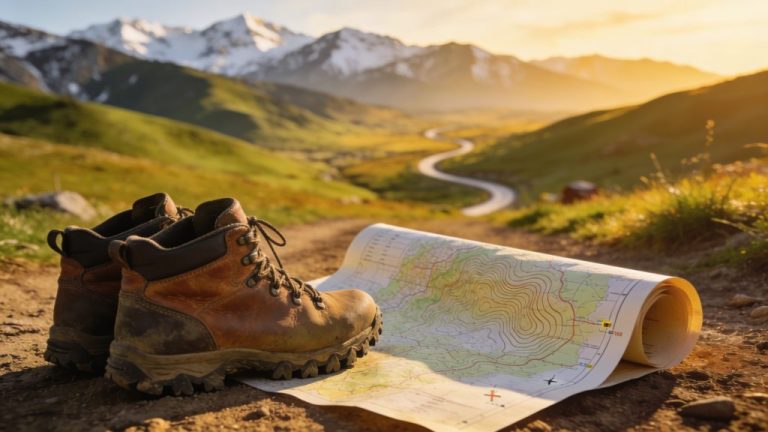
Your feet carry you all day, so invest in good protection. Waterproof walking boots with insulation and a solid grip are indispensable. Buy them half a size larger than usual so you can wear thick socks without your toes being squashed. Choose socks made of merino wool or thermal synthetic material. Wool keeps your feet warm even when it gets wet.
Always take an extra pair of socks in your rucksack. Wet socks are useless and lead to cold feet and blisters. Gaiters, also called gaiters in English, are protective covers that you pull over your boots and lower legs up to knee height to prevent snow, water or mud getting into your boots. For walking holidays in winter they are often more important than you think, especially on unmarked trails or in fresh snow.
Don’t forget grip aids. Microspikes or crampons are small devices with metal spikes or teeth that you attach under your boots for grip on ice and frozen ground. They are needed on almost all winter walks and prevent slipping on icy sections.
Accessories against wind and cold
Head, neck and hands are vulnerable to cold and wind. A warm hat protects your head, a scarf or neck warmer stops cold wind from reaching your neck. In strong wind or snow a balaclava is useful, as it can cover your entire face.
Gloves deserve extra attention. Pack at least two pairs: a pair of fleece or wool gloves for mild cold and a pair of waterproof mittens for wet conditions. Wet gloves lose their insulating power, so always take a spare pair in a plastic bag.
Sun protection might seem odd when winter walking, but snow reflects sunlight strongly. Sunglasses, sun cream and lip balm with SPF protect your skin and eyes from burning and drying out, especially at higher altitude.
Rucksack and daytime kit for on the trail
A medium-sized daypack of 20 to 30 litres (a compact rucksack for day walks) offers enough space for extra layers, snacks and drinks. Choose a model with a hip belt for stable weight distribution. A waterproof cover or liner bag keeps the contents dry in snowfall or rain.
Drinking enough is also important in winter, even though you may feel less thirsty than in summer. Take an insulated water bottle or a hydration reservoir in your rucksack (a flexible bladder with a hose so you can drink hands-free) with a protected tube that can’t freeze. A flask with hot tea or stock gives extra warmth during breaks.
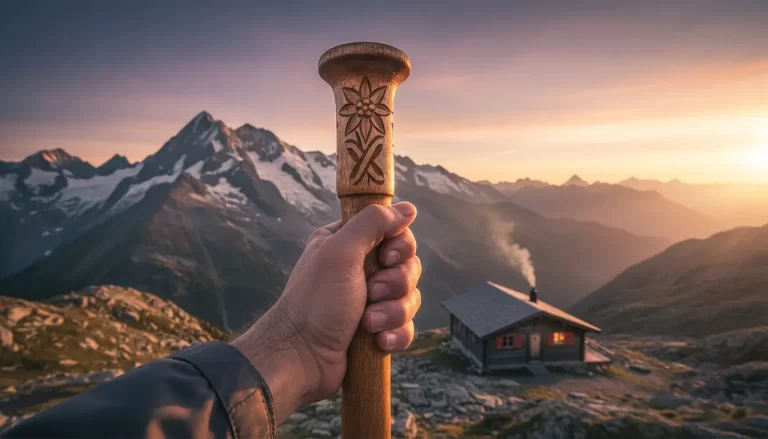
Your food should be high in energy and easy to eat, even with gloves on. Trail mix with dried fruit (a mix of nuts, seeds, dried fruit and sometimes chocolate for quick energy), energy bars and chocolate are good choices. Avoid products that can freeze solid or are difficult to open. Walking poles provide stability on slippery and snowy paths and reduce the strain on your knees when descending.
‘ Winter days are short, and it can get dark faster than you expect. ’
Safety and emergency equipment
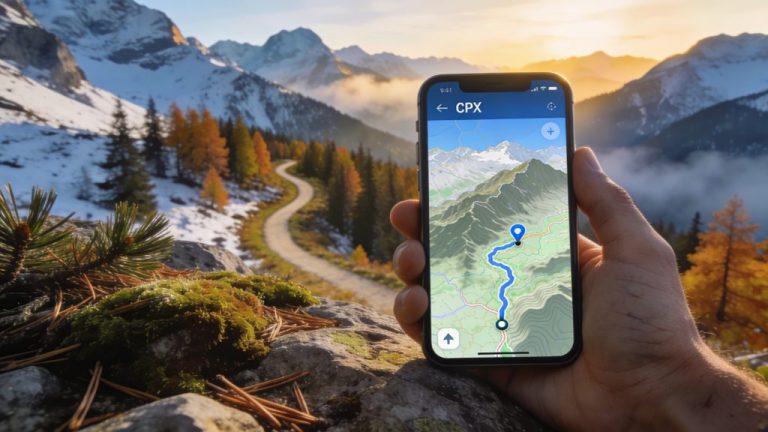
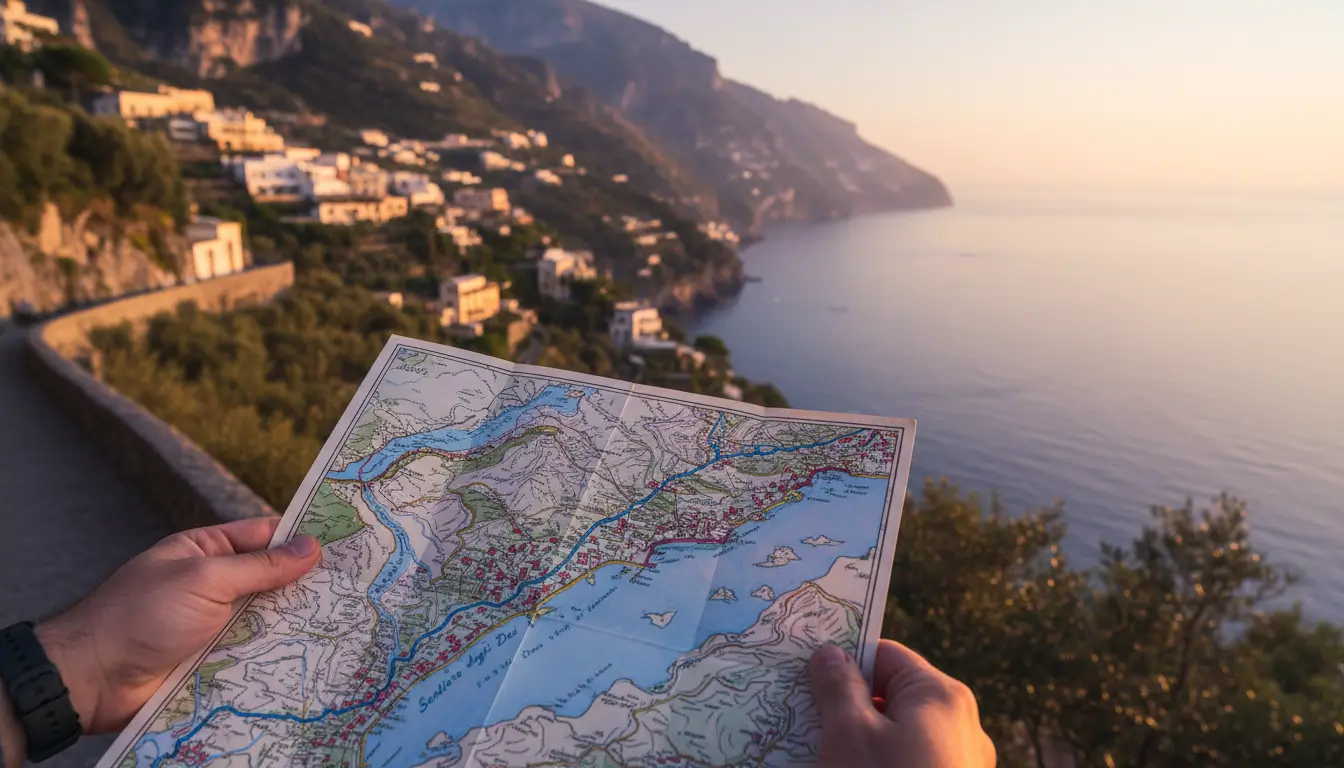
Good navigation is even more important in winter, because snow can cover landmarks. Take a paper map, compass and a GPS device or offline navigation app. Make sure you know how to use them before you set off.
A head torch with spare batteries is indispensable. Winter days are short, and it can get dark faster than you expect. Also pack a first-aid kit with a multi-tool or Swiss Army knife (compact tool with knife, small scissors, screwdriver and other handy tools), fire starter, whistle and extra dry socks and gloves in a plastic bag. A sit pad provides insulation if you need to take a break on cold or wet ground.
In emergencies, a personal locator beacon (portable device that sends an emergency signal via satellite so rescue services can find you), ID and any permits are useful, depending on your destination. An extra packable jacket in your rucksack protects you from unexpected changes in the weather.
How to pack smartly for a car trip
On a walking trip by car you have more luggage than on a flight. Use this space wisely. Put heavy items such as boots and waterproof clothing at the bottom of your bag or suitcase, and delicate items such as electronics on top. Roll your clothes instead of folding them: this saves space and prevents creases.
Keep your everyday items within easy reach. Put your daypack, walking boots, flask and an extra clothing layer in a separate bag that you can grab easily without having to unload the entire boot. This is useful for stopovers or unexpected changes in the weather during the drive.
If luggage space is limited, consider hiring certain items at your destination. Many ski resorts and outdoor shops rent out equipment such as walking poles, crampons and even waterproof jackets. Always take your own base layers, socks and gloves, as these are the most important for your comfort.
Practical tips from experience
Test your gear at home before you leave. Put your walking boots on a few times and walk in them to check they fit properly. Try out the layering system on a short walk in your local area. That way you’ll discover whether you’re missing something or actually taking too much.
Merino wool is a favourite among many walkers because it keeps you warm, wicks away moisture and doesn’t start to smell quickly, even after several days of wear. Synthetic base layers are a good alternative and often cheaper, but they can trap odours more quickly.
Ventilate while walking. Open zips or remove a layer if you get warm. Sweat that soaks into your clothing will cool your body down later. Start your walk with lighter layers and always take spares for wet conditions.
For walks in Dutch areas such as the Kaapse Bossen or the Kastelen Geuldal, temperatures are milder than in the Alps or Scandinavia, but rain and wind are more common. So focus more on waterproof protection and less on extreme insulation.
‘ Plan your next trip with confidence. ’
Discover more tips for your trip
On the Traveler Tips website you’ll find much more information about routes, preparation and practical tips for self-planned holidays. Whether you’re planning a road trip through Europe, considering a multi-day hut-to-hut hike or just want a weekend away, there’s always something to help you on your way. Discover the possibilities and plan your next trip with confidence.
Frequently asked questions
Indispensable layers are a moisture-regulating base layer (preferably merino wool or synthetic), an insulating mid-layer such as fleece or down, and a wind- and waterproof outer layer (shell jacket and, if needed, waterproof overtrousers or softshell trousers). In mild winter temperatures, a light thermal base layer, a thin fleece and a softshell are often enough; in severe frost, add a thicker down or insulated jacket and possibly extra leggings under your trousers. For strenuous activities choose thinner, highly breathable layers (“be bold, start cold”), while for static or slower activities you’ll need thicker and more insulating layers. Accessories such as warm socks, hat, neck warmer and a system of liner gloves with waterproof mittens over the top complete the layering system.
Use packing cubes or dry bags to group items by category (clothing, food, first aid) and place heavy items such as water and food close to your back and in the middle of the rucksack for a better centre of gravity. Put things you use often (gloves, hat, snacks, map/phone, sun cream) at the top or in hip-belt and side pockets. Spare clothing and sleep/emergency kit go right at the bottom in a waterproof bag. Make sure wet or dirty items always have a fixed, separate place (outer pocket or separate dry bag) to keep the rest organised and dry.
For snow and ice you need waterproof, insulated walking boots or snow boots with good grip, possibly supplemented with gaiters and microspikes or crampons for traction on ice. Wear a layered clothing system: thermal base layer, insulating mid-layer (fleece/down) and a waterproof and windproof outer layer. Add warm merino wool socks, hat, neck warmer/balaclava and (spare) waterproof gloves or mittens. Choose equipment that matches the expected temperature and terrain difficulty, check the fit with your thickest socks, and read the specifications (insulation rating, waterproof rating, grip) before you buy or hire.
Make your packing list modular by planning all clothing in layers (base, mid and outer layer) and taking at least one extra, dry version of each layer. Choose multi-purpose items, such as a shell jacket that is both wind- and waterproof and a light down jacket that you can wear under and separate from the shell. Provide alternatives for extremes: microspikes for ice, a buff/balaclava for strong wind, and extra warm socks and gloves. Finally, check the local weather shortly before departure and adjust quantities accordingly (for example an extra thermal top or waterproof trousers).
Yes, choose clothing layers made of merino wool: you can wear one set of base layers for several days without odour, so you need to pack less. A down jacket that compresses well and can also serve as a pillow saves you both a jacket and a travel pillow. A medium-sized daypack with rain cover replaces separate bags and protective covers. Collapsible walking poles and a multi-tool (knife, scissors, screwdriver) combine several functions in minimum space.