NL
NL
A walking holiday doesn’t have to be a hassle to get to. The Netherlands and neighbouring countries offer routes that connect directly to train stations or are easy to reach by car. This combination of nature and accessibility makes walking holidays more accessible than ever. In this article, you’ll discover which routes you can easily start from the station, where to park safely for multi-day trips and how to reach walking networks in Belgium without any fuss.
Why both train and car are great options for walking holidays
Both the train and the car have their own specific advantages. It depends on your route and what you need. The train often takes you directly to starting points in nature reserves. You don’t have to look for a parking space. You don’t have to load up a car and you can start relaxing on the way. This option is ideal for compact day walks. Multi-day routes with luggage transfer are also very doable by train.
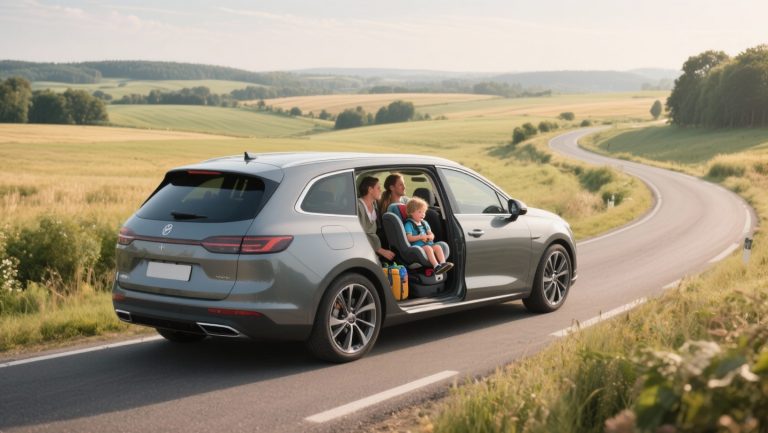
The car, on the other hand, gives you freedom. You can reach remote areas where no bus or train goes. Extra shoes, waterproofs or walking poles can easily be thrown in the boot. For multi-day hikes you can use a smart strategy. Park your car at the end point. Then take the train back to the start. After that you walk the route in a straight line. Handy for long-distance paths.
‘ You can start all of these routes straight from the platform. ’
Walking routes you can start directly by train
NS offers more than 900 walking routes. These routes start and end at a station. You can search by distance, terrain and duration. That way you can choose a three-hour forest walk or a five-hour hill route. You can start all these routes straight from the platform.
Examples of popular train routes:
- Hollandsche Rading to Baarn: This route takes you through dense woodland and lasts about three hours. From Hollandsche Rading station you start directly in the greenery.
- Posbank route: Start in Velp or Arnhem and walk 15 kilometres through heathland and hills. Allow about four hours, with some tough climbs and views over the Veluwe.
- Santpoort Noord to the dunes: From the station it’s an eleven-minute walk to Zuid-Kennemerland National Park. Ideal for a day trip through dunes and coastal landscape.
- Edelherttrail Veluwe: Start in Nunspeet, a ten-minute walk from the station. This multi-day trail runs over seven days. You walk 18 to 20 kilometres per day. You finish in Arnhem, from where it’s easy to take the train back.
Many stations also offer OV-fiets rental bikes. Take your own bike if you want to be sure of availability, especially in busy periods.
How to park smartly for multi-day walks
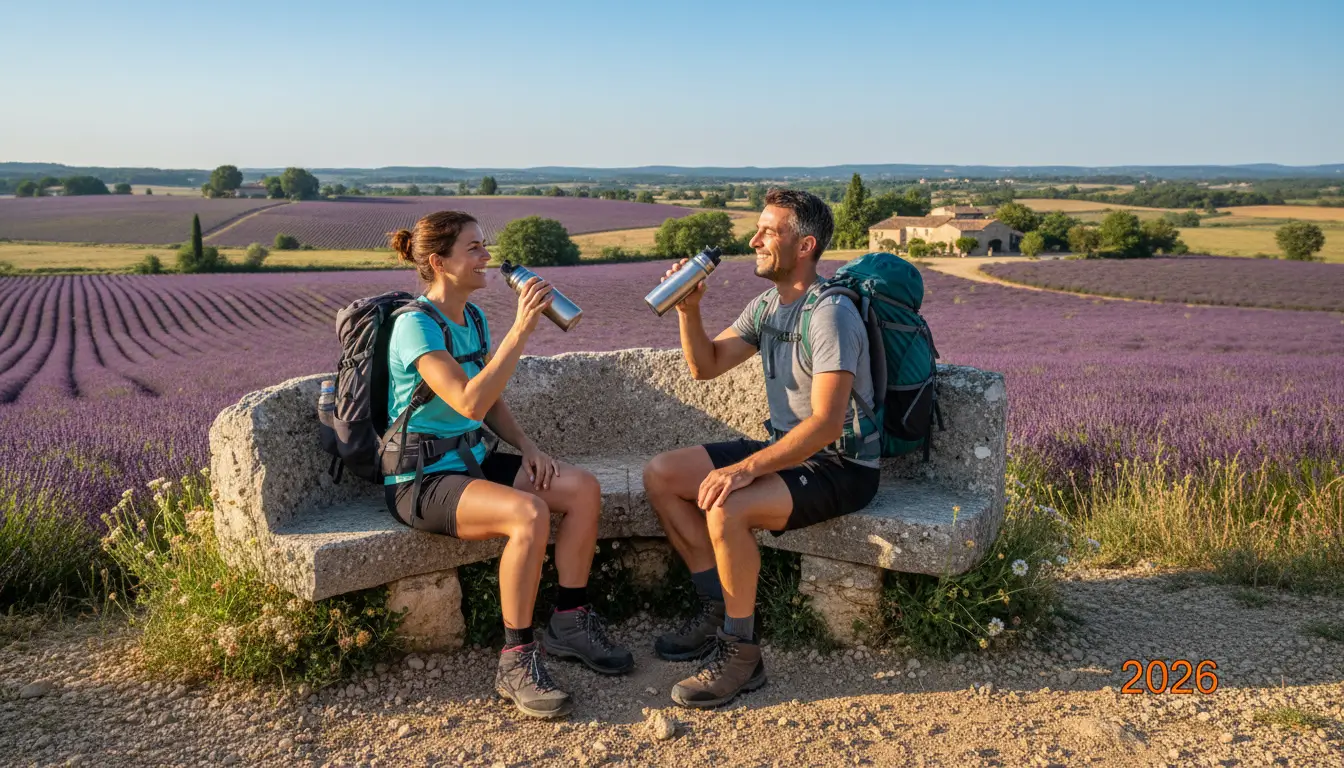
If you come by car, you’ll often bring luggage. For multi-day hikes you’ll want to park your car safely. It’s convenient if the car park is close to the starting point. Many walking areas have designated car parks with facilities such as benches to change into your walking boots.
Practical parking tips for popular areas:
- Veluwe: Car parks at Nunspeet and Hoenderloo are well signposted. You’ll also find good parking options around Arnhem. Some car parks are free. Others charge a small fee. Check the rules of the nature reserve in advance.
- Drenthe: At starting points of the Drents-Friese Wold you’ll find spacious parking bays. Bring spare shoes to leave in the car so your interior stays clean after a muddy walk.
- Limburg: Parking at hotels or in villages such as Valkenburg is often free or low-cost. Ideal for multi-day trips where you walk a different section each day.
For long-distance paths you can use a clever tactic. Park at the end point and travel by public transport to the start. Then walk the route back. That way you don’t need to hitch-hike or use a second car.
Belgian walking networks by train or car
Belgium has an extensive walking network. It works with junctions. These are numbered points that link routes together. From the Netherlands you can reach these areas within a few hours. Accessibility is well organised both by train and by car.
Taking the train to Belgium:
- Antwerp and Leuven: Direct trains from the Netherlands take you to stations with connections to local buses or walking routes. In the Flemish Ardennes you start from smaller stations such as Geraardsbergen.
- Liège and the High Fens: From Liège you take a regional train towards Verviers or Eupen. From there you start routes through hills and peatlands. Allow extra travel time for connections.
- Coast and polders: The Belgian coast is easy to reach with the coastal tram. From stations such as Ostend or De Panne you can walk along the beach and through the polders.
Driving to Belgium:
By car you have more flexibility. This is especially true in less touristy areas. Parking is often easier than in the Netherlands. In village centres or near nature reserves you’ll often find free car parks. Watch out for toll roads and low-emission zone rules in cities such as Antwerp and Brussels if you drive through them.
‘ Whether you travel by train or by car, good preparation saves hassle on the way. ’
Preparation and essentials for both transport options
Whether you travel by train or by car, good preparation saves hassle on the way. Download GPX tracks or use route planners. Choose a planner that also works offline. Check the weather, especially for muddy paths in woods and peat areas.
For train travellers:
- Buy your train ticket in advance. This is especially important for international journeys. ICE and Intercity services offer direct connections to walking areas.
- Take a small rucksack with you containing water, snacks and waterproofs. Keep the weight down if you’ll be walking all day.
- Book dinners in remote hotels in advance, especially for multi-day trips with limited places to eat.
For car owners:
- Check your car before longer journeys. This is especially important for trips abroad. Make sure lights, tyres and fluids are all in good order.
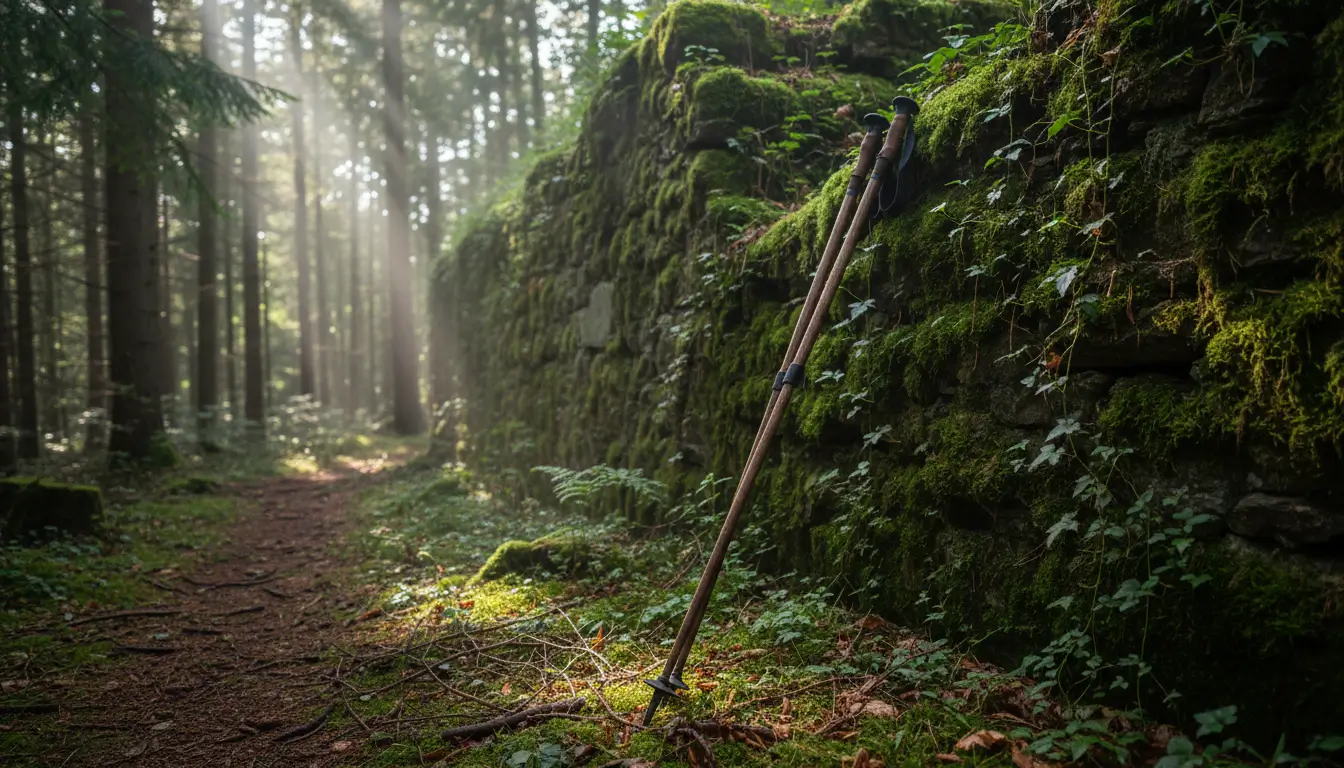
- Take extra shoes and clothing. Nordic walking poles or trekking poles easily fit in the boot.
- Use parking apps if you want to know in advance where you can park. They help you find paid car parks. This saves time searching when you arrive.
Tips from experienced walkers
Many walkers regularly travel by train. They value the spontaneity. You don’t need to plan where to park and can start straight away. One tip you often hear: take your own bike. This is especially useful if you combine train and bike. OV-fiets hire bikes aren’t always available, particularly at weekends.
Those who choose the car emphasise the convenience for muddy paths. The car is also handy for steep routes. You can easily change your shoes and you don’t have to take wet gear on a crowded train. For foreign destinations such as the Ardennes or walking areas in Germany, the car is often the only realistic option. Complicated connections are then unnecessary.
Start with shorter routes under ten kilometres. This is sensible if you’re new to station-to-station walking. It lets you test whether the combination of public transport and walking suits you.
Recommended routes and starting points
The following destinations are easy to reach and also offer attractive walking routes:
- Veluwezoom: Take the train to Arnhem or Velp, then bus or on foot to the Posbank. The Edelherttrail also starts from Nunspeet.
- Zuid-Kennemerland: From Santpoort Noord station you enter the dune area within fifteen minutes on foot. Day trips range from short loops to longer coastal routes.
- Drenthe landscapes: Park at Hoogeveen or Beilen, then walk through forests and past dolmens. Multi-day routes require smart planning of overnight stays.
- Limburg hills: Drive to Valkenburg or Gulpen. Park at your hotel and explore a different part of the hill country each day.
- Belgian Ardennes: The car offers the most freedom. Park in villages such as La Roche or Durbuy and walk through valleys and over hills.
On the Traveler Tips website you’ll find more information about routes and destinations. You’ll also find practical tips for independent travel. Discover handy tools, overviews of walking areas and detailed guides to help you plan your next trip smartly.
Frequently asked questions
The choice between train or car mainly depends on how important travel time, costs and convenience on location are to you. Travelling by train often lets you travel in a relaxed way and relatively cheaply to starting points at stations, but once there you’re more dependent on public transport timetables and routes. With a car you have maximum flexibility for departure and arrival times, more luggage space and you can more easily reach remote walking areas, but fuel, tolls and parking often make it more expensive. In the end you balance the calm and sustainability of the train against the freedom and reach that the car provides.
Plan your route from station to station using existing NS walks or GPX tracks, so that the start and end points fit logically with train times and involve only limited changes. Choose light, multi-purpose clothing layers and a compact rucksack (day pack of 20–30 litres) and leave unnecessary items at home; wash things en route if needed. Divide vulnerable items (documents, chargers, snacks) into smaller pouches that you can move quickly when you have tight connections. Travel outside peak hours, reserve seats on long-distance trains if possible and check alternative connections in advance, so you don’t have to rush with heavy luggage if there are delays.
Key preparations include solid route planning with realistic daily distances (3–6 hours of walking), downloading maps and GPX tracks for offline use and checking public transport or driving options between the start and end points in advance. Check parking options in particular at the starting points of walks (free/paid, capacity, time limits) and consider parking the car at the end point and travelling back to the start by public transport. Plan your luggage smartly (spare walking shoes, waterproofs, poles) and make sure valuables in the car are out of sight. Book hotels or dinners at remote locations where necessary and take peak-hour traffic and weather conditions into account.
Find quieter walking areas by filtering on distance, terrain and station-based starting points on NS-wandeling.nl and Wandelnet.nl, and then deliberately choosing the less popular or newer routes. In addition, use apps such as Komoot, AllTrails and WandelZapp to discover lesser-known paths and nature areas on the map and download GPX routes. Combine train and car by, for example, parking your car at the end point of a long-distance path stage or nature reserve and taking the train back to the start. Check accessibility by using 9292 and Google Maps (public transport and driving mode) in advance to see whether stations, bus stops and car parks are directly at the start of the route.