 NL
NL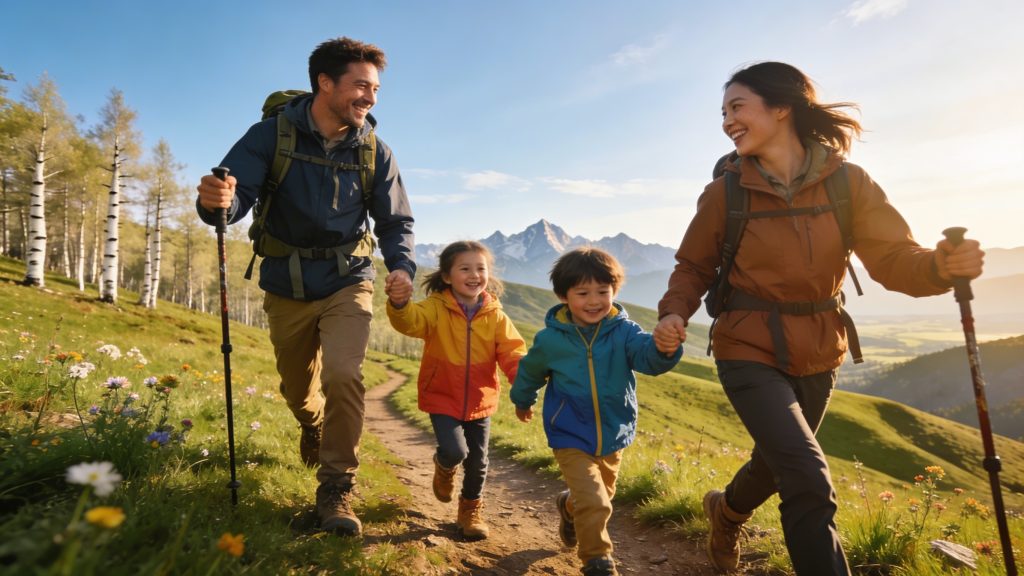
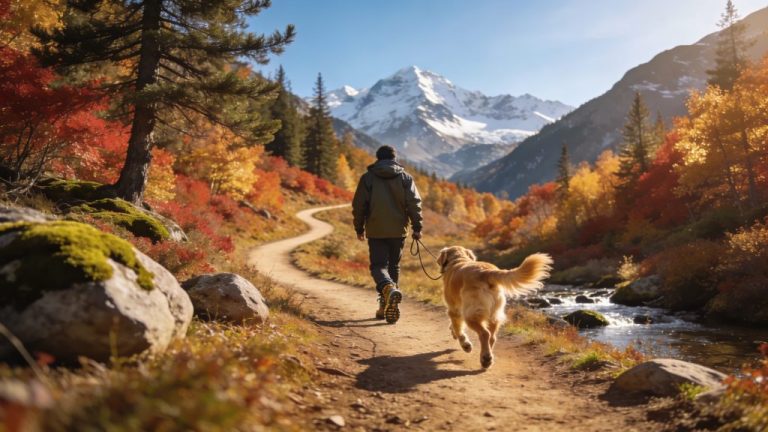
Walking with children on a family holiday will be a success when you choose short routes with natural play areas, variety in the landscape and plenty of chances for discoveries along the way. The secret is not in the number of kilometres, but in what you come across: a stream to splash in, a tree to climb or an animal that suddenly appears. Start small, keep it playful and pick destinations where nature itself provides the entertainment. Why that works and how to go about it, you can read here.
Short routes are better than long walks
Young children don’t need to cover long distances. They want to discover, stop, touch and play. So choose routes between 1 and 5 kilometres, depending on their age. A three-year-old toddler is often tired after 1.5 kilometres, while a child between six and eight can easily manage 3 to 4 kilometres. Think of a walking time of 20 to 60 minutes, not counting breaks.
Flat paths are ideal for families with pushchairs or baby carriers. Pay attention to the surface: paved paths or wide sandy tracks are more comfortable than narrow, bumpy sections. In the Netherlands many nature reserves are designed with families in mind. In particular in Gelderland you will find short, accessible routes with good waymarking. On Texel there are also rambling routes that show children how wild nature can be, without the walking becoming too technical.
If you want to focus more on walking during your family holiday, have a look at our collection of walking holidays. There you’ll find routes and accommodation specially suited to families.
‘ Those moments make the difference between a pleasant walk and an exhausting march. ’
Make it playful with search tasks
Children don’t like walking for no reason. They need a goal, a reason to keep going. So create a treasure hunt with simple tasks such as: find a stick in the shape of an S, look for a yellow flower, or collect five different kinds of leaf. Give each child a small bag to store their finds. At home they can look at the items again or talk about them.
Spotting animals also works well. In nature reserves such as Lutterzand in Overijssel or the Geul valley in Limburg you often come across rabbits, squirrels or water birds. Let children stand still and watch. Give them binoculars or a notebook where they can draw what they see. It doesn’t need to be complicated; what matters is that it’s recognisable for the child.
Alternate walking with small breaks. Plan a picnic spot halfway along or find a natural play area where children can climb or balance. Many nature reserves have rest points with benches, picnic tables or even play equipment. Those moments make the difference between a pleasant walk and an exhausting march.
These destinations are child-friendly
In the Netherlands there are various areas that are perfect for family walks. The Oud Groevenbeek estate in Gelderland offers a short 2.3-kilometre route that takes around 35 minutes to walk. There is also a longer 5-kilometre version for slightly older children. The estate has wide paths, woodland and open fields where children can play freely.
Lutterzand in Overijssel is a heathland with sand drifts and forest paths. The area is flat and easy to oversee, ideal for young walkers. In summer you see butterflies, and in late summer the heath turns purple. The Geul valley in Limburg offers rolling hills, small streams and climbing trees. It’s a little more hilly, but most routes are still accessible for families.
Outside the Netherlands there are even more options. In Austria you’ll find family routes in valleys such as Virgental, the Stubai valley and the region around Hohe Tauern. These areas offer short day walks along alpine meadows, small lakes and waterfalls. Accommodation in these regions is often geared towards families with children and offers guidance from mountain guides.
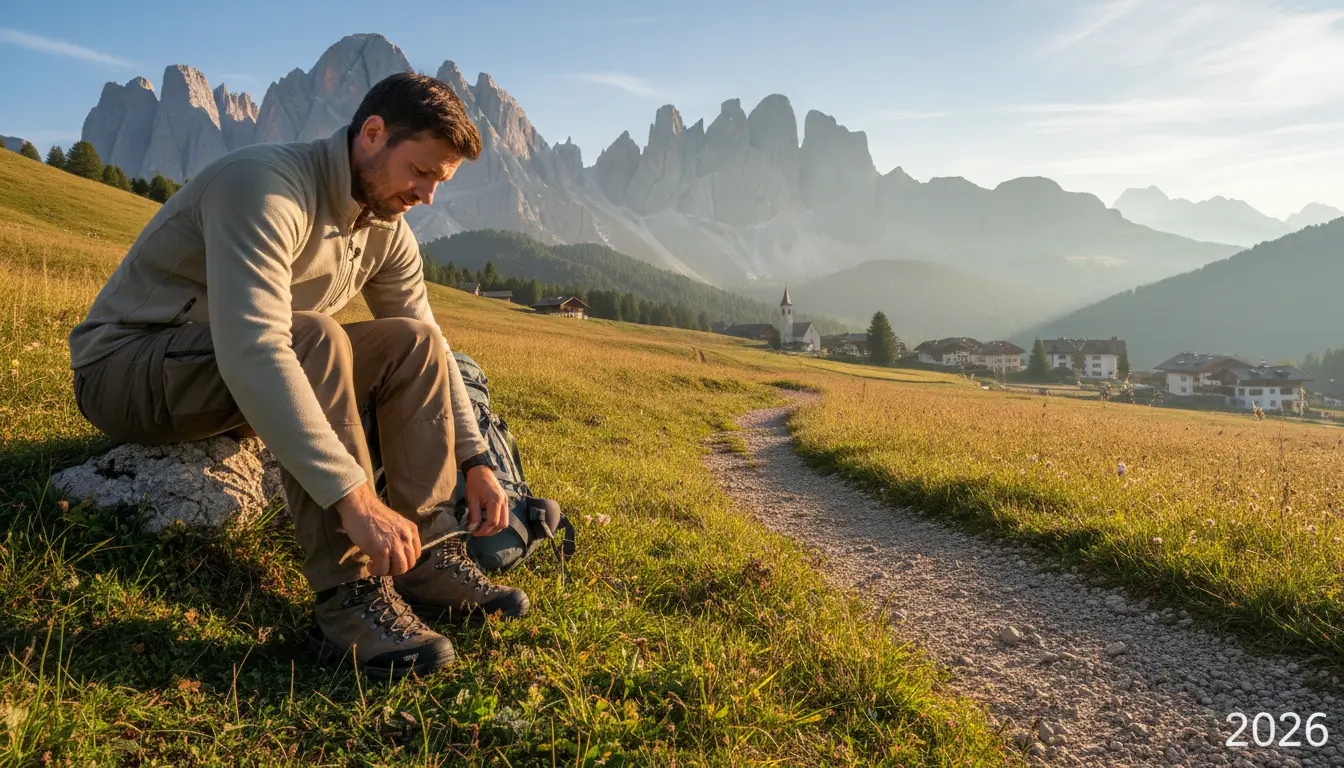
The Dolomites in Italy are well suited to hut-to-hut walks where you hike from refugio to refugio. These mountain huts are very accessible, often with play space, board games and full-board meals. Children usually find it thrilling to spend the night in a mountain hut. The walks can be easily adjusted in length.
What to take with you for a day walk
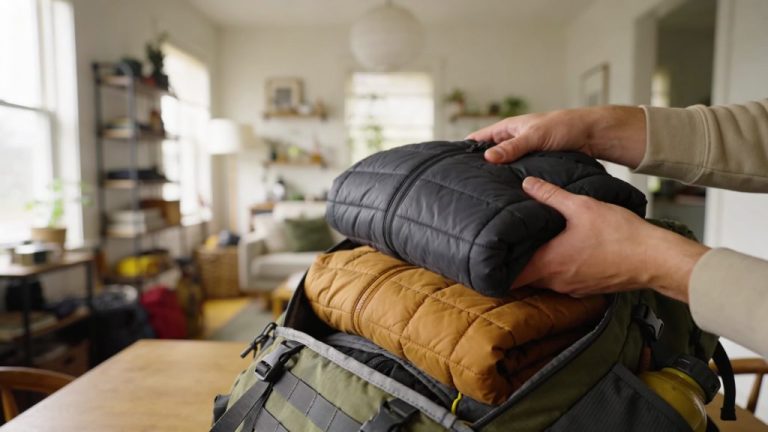
Keep the luggage light, but make sure it’s complete. A good rucksack with water, snacks, a small first-aid kit and possibly an extra layer of clothing is enough. Choose sturdy shoes with grip, also for children. Trainers are often too slippery on sand or mud. In mountain areas, walking boots with ankle support are sensible, especially for children from about six years old.
Take enough to drink. Children often forget to drink while walking, so regularly hand them a bottle or cup. Snacks such as raisins, nuts or a piece of fruit give energy and are more practical than sandwiches that can get squashed in the rucksack. A lightweight rain jacket or windbreaker can be useful, especially in the mountains, where the weather can change quickly.
For very young children a carrier is handy. Pay attention to the weight and the fit, especially if you plan to walk for more than an hour. Some carriers have extra storage space for gear. Pushchairs are only suitable for flat, paved routes. Check in advance whether the path is passable.
‘ Don’t reward with sweets, reward with experiences. ’
How to keep children motivated while walking
Explain in advance roughly how long the route will take and what you might see along the way. Children then find it easier to keep going. Don’t make exaggerated promises. Give a concrete idea: “We’ll walk for half an hour through the woods and then we’ll reach a pond where ducks are swimming.”
Alternate between going in front and dropping back. Let children set the pace and give them space to wander off a little, as long as it’s safe. Some children like to walk at the front and show the way. Others prefer to stay at the back and look for things along the route. Both are fine.
Don’t reward with sweets, but with experiences. A stop at a stream, a climb up a hill with a view or a short break on a tree trunk works better as motivation than food. Children learn to appreciate nature in this way. They don’t learn to appreciate the snacks, but the stops and what they experience there. Celebrate the end of the walk with a small ritual: a group photo, a high five or passing around the best find.
Safety and preparation in mountain areas
Mountain walks require more preparation. Flat routes are simpler. Check the weather beforehand and take account of temperature differences between the valley and higher ground. Even in summer it can be chilly at higher altitudes. Sturdy walking boots are not optional here, but essential – also for children from about six years old.
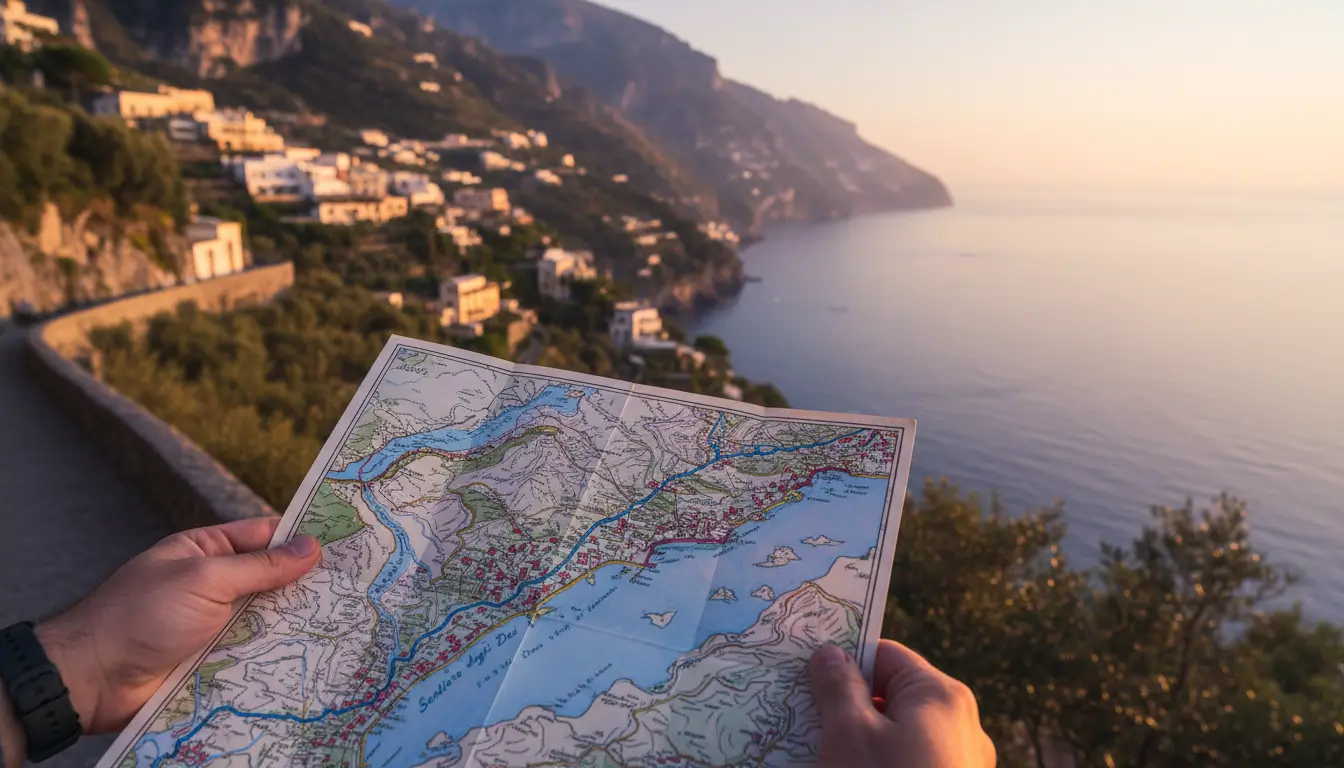
Walking poles can help on slopes, especially when going downhill. Children from about eight years old can often use them independently. Make sure routes are well signposted or take a map with you. In popular family areas, walking routes are marked with difficulty ratings. Examples include Serfaus-Fiss-Ladis in Austria or the Pillerseetal. Always choose a route that suits the youngest child in the group.
Stay on the paths and keep children in sight. Mountain environments are beautiful, but can also be dangerous because of steep sections, slippery rocks or loose stones. Teach children beforehand to stay well back from drop-offs. Also explain that they should never walk on alone. Take a charged phone with you and note down important numbers or contact details of your accommodation.
Discover more routes and tips on Traveler Tips
Walking with children calls for good preparation, but it offers wonderful memories and shared experiences in nature. Whether you choose a short loop through a Dutch nature reserve or a multi-day hut tour in the mountains, it’s all about variety, playful elements and routes that suit your children’s ages. With the right choices, every walk becomes a journey of discovery.
On the Traveler Tips website you’ll find much more information about child-friendly destinations, routes and handy checklists for your family holiday. Discover practical tips on travelling with children, the best nature areas and how to plan your holiday even better. Explore the site and make your next trip unforgettable.
Frequently asked questions
Choose routes with a distance and walking time that match their age: for young children 1–5 km (20–60 minutes) on flat terrain, for older children gradually longer and slightly steeper walks. Pay attention to child-friendly factors such as little height gain, enough rest spots, water or play areas along the way and a clearly marked path. Fit the walks into your holiday days: plan shorter, playful routes on travel or changeover days and save longer walks for days when everyone is well rested. Always keep a flexible back-up plan (shorter variant, extra break or alternative outing) so you can adjust the schedule to the children’s energy levels.
Turn the walk into a game, for example with a treasure hunt or bingo list (look for a yellow flower, a crooked stick, moss on a stone). Wrap a story around it and let the children play “adventurers” or “wild animals” who have to complete a mission. Plan fixed “treasure spots” along the way, such as a picnic by a stream, a viewing tower or a small playground. Let children take photos or collect treasures (leaves, stones, pine cones) and make a memory collage or booklet at home.
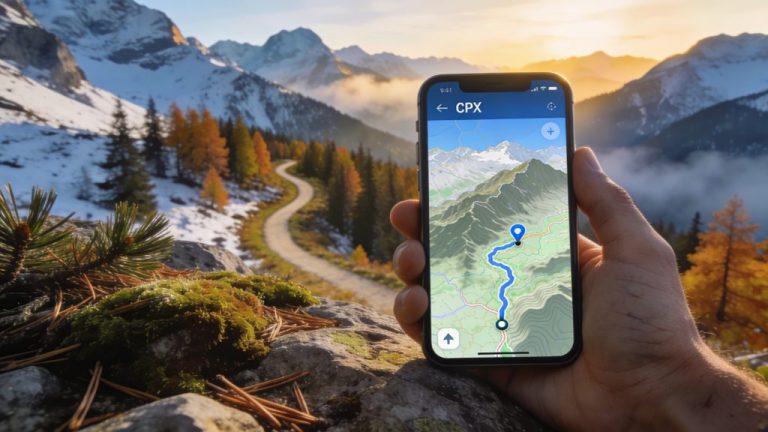
Essential kit includes good children’s shoes with grip, layered clothing (including a rain jacket), sun hat or cap, sun cream and a well-fitting rucksack or carrier. For safety, a small first-aid kit, charged phone with emergency numbers, reflective or bright clothing and possibly a child GPS device or wristband with contact details are important. Clever gadgets such as a walking app with offline maps, a simple activity tracker for motivation and a torch or headlamp make walks easier to manage and more fun. Finally, don’t forget enough water, child-friendly snacks and, for older children, possibly walking poles.
Plan your route using maps or apps and schedule a stop every 1.5 to 2 hours of driving at a walking area, play forest or short circular walk (1–5 km). Choose varied locations (woods, beach, village) and combine each walk with another activity, such as a playground, picnic or swimming stop. Keep walking shoes, snacks and extra clothing within easy reach so you can get out spontaneously when you pass a beautiful area. Build in longer rest breaks at attractive spots and keep the driving sections flexible so you can respond to the weather, traffic and your travel companions’ energy levels.
The most reliable and detailed information about child-friendly walking routes is usually found with specialist travel organisations and platforms that focus on family holidays and walking with children. Look for providers that list, for each route, the length, difficulty, suitable age, pushchair or carrier suitability and safety tips. Choose sources that also offer practical information about facilities such as playgrounds, cafés, swimming spots and toilets along the way. Check that they also clearly describe nearby attractions (such as lakes, waterfalls, children’s farms or educational nature trails).