 NL
NL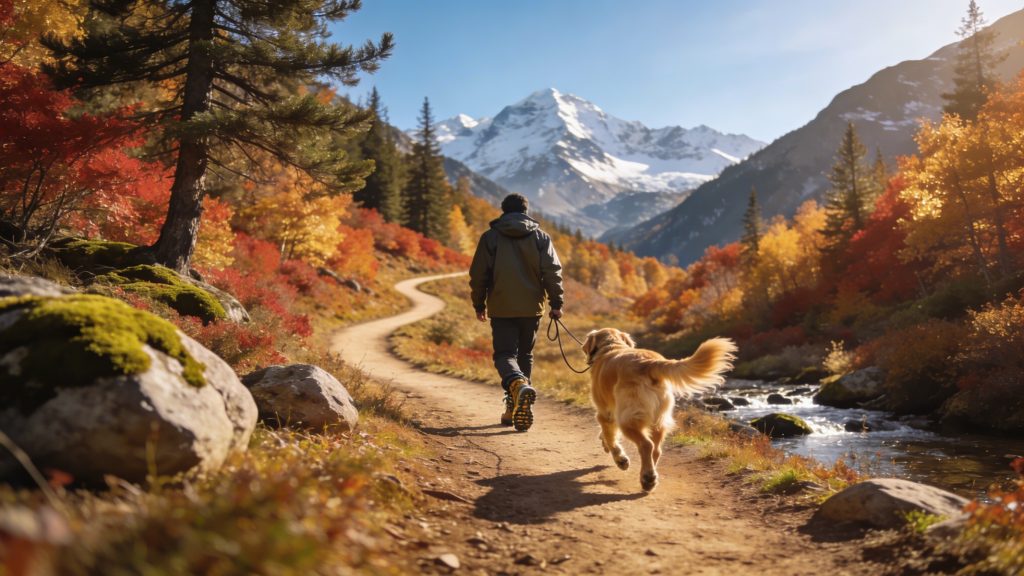
Exploring nature together with your dog during walking holidays is a wonderful way to enjoy the scenery, but it does require good preparation and knowledge of local rules. In most nature reserves dogs are welcome, but almost always on a lead. With the right planning, equipment and knowledge of dog-friendly routes, you can turn every walking holiday into a successful experience for both of you. Find out which paths are suitable and what you need to watch out for.
Which walking routes are suitable for dogs?
Not every walking route is equally suitable for dogs. Choose routes that take into account your four-legged friend’s needs: enough shade, opportunities to swim and cool down, and paths that are not too steep or technical. In the Netherlands several areas offer beautiful dog-friendly walking routes.
The Loonse en Drunense Duinen in North Brabant are a popular choice for walking holidays with a dog. This 14-kilometre route takes you through drifting sand, woodland and heath. Your dog may run off lead on two long stretches and can even swim in a small lake. This area combines variety in landscape with plenty of freedom of movement.
When choosing routes in mountainous terrain such as the Ardennes or the German Mittelgebirge, avoid paths with extremely steep slopes or lots of rocky sections. This prevents paw problems and ensures the walk remains enjoyable for your dog. Find out in advance about off-lead zones and specific rules such as compulsory leads on certain sections.
General rules in Dutch nature reserves
In the Netherlands strict rules apply to avoid disturbing wildlife and other visitors. Dogs must be kept on a lead on NS walking routes, long-distance paths (LAW) and in nature reserves. This requirement to keep dogs on a lead protects nature, especially during the breeding season from March to June, when off-lead walking is often prohibited.
Dogs may only be off lead in specific zones:
- Designated dog-walking strips
- Certain forest areas outside built-up areas
- Parts of routes where there are no nesting animals
- Off-lead zones as indicated on municipal dog-walking maps
Your dog must be under control and respond immediately. Stricter restrictions apply in national parks. Here dogs often have to be kept on a lead or are not allowed at all. Check signs at entrances and guidebooks for prohibited sections such as farmland or summer beaches.
Municipalities publish dog-walking maps with up-to-date information about off-lead zones, the obligation to clean up after your dog and prohibited areas. Look these up for each region before you set off. Children’s play areas are always off limits for off-lead dogs.
Walking with your dog in popular holiday countries
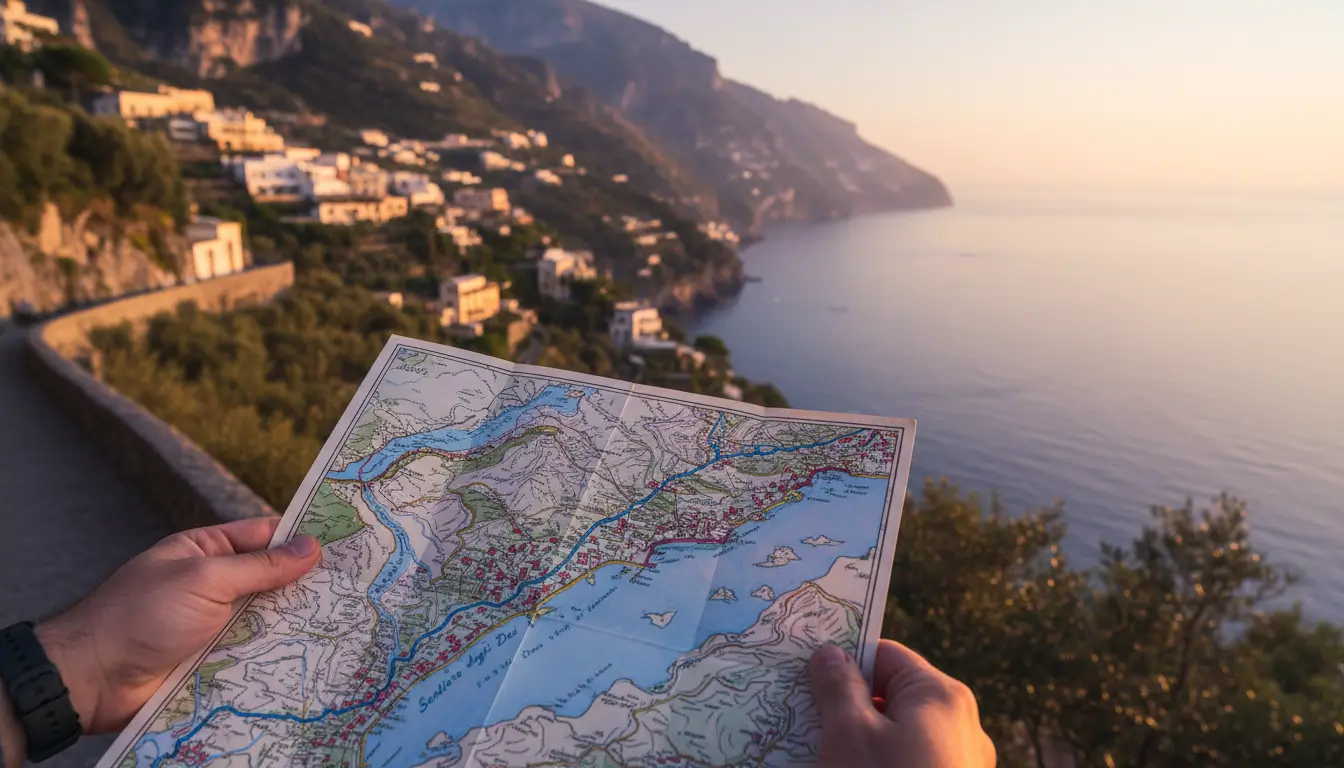
Each country has its own rules for walking with dogs. Knowing these prevents fines and problems during your holiday. In Austria dogs must remain on a lead in public spaces and on mountain paths. Keep your dog under control because of wildlife along alpine walks.
Luxembourg allows dogs off lead outside built-up areas if your dog is under control. In towns and on roads, keeping your dog on a lead is compulsory. The green landscapes make this country suitable for relaxing walks with dogs.
In Croatia dogs must be kept on a lead in public spaces, but on dog beaches along the Adriatic coast your dog is allowed off lead. Take enough water and snacks with you, especially in the warmer months.
France has strict rules in national parks such as Mercantour, where dogs are completely banned. In regional parks such as Queyras and Vercors dogs are allowed on a lead. Natura 2000 sites and areas with patou (livestock guardian) dogs are off limits to dogs. In mountain areas such as Chartreuse you will find easier routes such as Belvedere de Nonne that are suitable for dogs.
Dog-friendly overnight options in Belgium
Belgium offers various dog-friendly accommodation options, especially in the Ardennes where nature-rich walking areas are close by. Cabins, chalets and campsites in wooded areas often accept dogs. Ask in advance about conditions such as the maximum number of dogs, extra costs and any restrictions for large breeds.
Many places to stay are located close to walking networks where you can put together routes using junction points. This makes it easy to walk different routes each day that suit your dog’s level. Make sure the accommodation has an enclosed garden or somewhere nearby to walk your dog, for convenience during your stay.
Equipment and practical preparation
Good equipment makes the difference between a pleasant walk and problems along the way. Always take a sturdy lead with you, even if you plan to let your dog run off lead. In unexpected situations or where paths cross, using a lead is compulsory.
Essential items for walking with your dog:
- Lead with a handy clip or hanging mechanism
- Enough water and a collapsible drinking bowl
- Snacks for energy during longer hikes
- Poo bags to clean up after your dog
- Paw protection for hot tarmac or sharp rocks
- Small first-aid kit for grazes or tick removal
Pay attention to surface temperature in summer. Hot tarmac or sand can burn paws. Test this with your hand: if it is too hot for you to hold your hand there for 5 seconds, it is too hot for your dog. Choose early morning or late evening for walks during warm periods.
Behaviour and safety during the walk
Keep your distance from livestock, wildlife and nesting sites. Put your dog on a lead in unfamiliar terrain to avoid dangers such as poisonous plants, snakes or wild animals. Extra caution is needed around sheep pastures or cows with calves. Some animals react aggressively to dogs.
Start with shorter day hikes to get your dog used to the holiday routine. This helps prevent tiredness and gives you an idea of the pace that suits you both. Choose routes with opportunities to swim so your dog can cool down and drink.
Respect temporary closures for biodiversity. Landowners may close specific areas during sensitive periods. Always read signs at entrances and check the websites of land managers for up-to-date information. Rules vary by owner and season.
Seasonal points to watch
The breeding season from March to June brings extra restrictions. Many nature reserves enforce strict rules on keeping dogs on a lead or access bans to protect nests and young animals. Plan routes in advance and look for alternatives if your favourite area is closed.
In autumn and winter there are fewer restrictions, but other challenges. Muddy paths make walking harder and your dog will get dirty more quickly. Take towels with you and check paws after the walk for small stones or ice lumps between the toes. In frost, road salt can cause irritation to paws.
Summer walks require extra attention to preventing heat problems. Avoid the middle of the day and make sure there is enough shade during rest breaks. Dogs cannot sweat and are prone to overheating. Recognise signs such as excessive panting, sluggishness or a dark red tongue.
‘ These systems make it easy to walk shorter or longer distances depending on the weather conditions or your dog’s energy level. ’
Walking networks and junction systems
Walking networks with numbered junctions give you the flexibility to adapt routes to your dog’s pace and ability. In the Netherlands you will find extensive networks in Drenthe, Gelderland and North Brabant. The Lutterzand area has routes through woodland and sand drifts where dogs can enjoy varied surroundings.
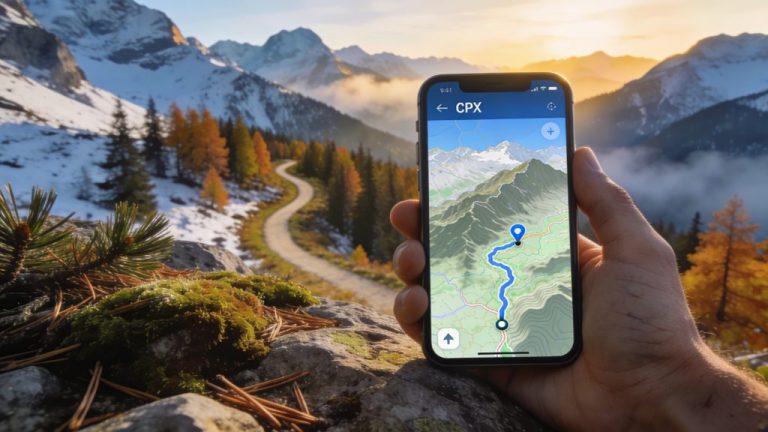
These systems make it easy to walk shorter or longer distances depending on the weather conditions or your dog’s energy level. Download maps in advance or use apps that show junctions with information about the surface and level of difficulty.
Discover more on Traveller Tips
Walking with your dog takes planning, but gives you wonderful moments in return. On the Traveller Tips website you will find more information about nature holidays, route planning, regulations in different countries and tips for camping with pets. Take a look at the handy checklists, destination inspiration and practical guides for your next walking holiday with your dog.
Frequently asked questions
In most European holiday destinations dogs must be kept on a lead on popular walking routes, except in clearly marked off-lead zones. In national parks and protected nature reserves stricter rules often apply: some sections are closed to dogs or only allowed with a short lead. During the breeding season (often March–June) extra restrictions are introduced to protect wildlife. Checking local signs and the websites of land managers is essential, as rules differ by country, park and season.
Choose a route that matches your dog’s age, build and fitness: start with shorter, flat sections and gradually increase the distance. Use route apps and dog-walking maps in advance to look for walks where dogs are welcome (on or off lead) and note rest stops such as benches or shady stretches of woodland. Plan along natural water points (pond, stream, dog swimming lake) and always take extra water and a collapsible bowl with you in case there is less water than expected. Avoid the hottest hours of the day and check the signs on site so that you can shorten your route if your dog becomes tired or overheated.
Take a well-fitting harness or collar with a sturdy lead, enough water, snacks and poo bags, and paw protection if needed against hot tarmac or rough terrain. Check local rules in advance (lead requirements, off-lead zones, prohibited areas) via signs and the websites of land managers or municipalities. Plan walks for the cooler parts of the day and choose routes that suit your dog’s fitness, preferably with shade and opportunities to swim. Practise with shorter walks beforehand so your dog is used to longer hikes on holiday.
If part of the route is not dog-friendly, you can often choose an alternative loop or detour via paths where dogs are allowed. Check maps and the websites of land managers in advance to avoid prohibited sections (e.g. breeding areas, farmland or national parks). On site you can stay flexible by following signs and shortening or turning back your route if necessary. Also plan backup routes in the area so that you can easily switch if part of the route turns out not to be accessible after all.
Use specialist platforms and filters (such as “pet-friendly”, “dogs allowed” or “enclosed garden”) on booking sites and walking portals, and check reviews specifically for experiences with dogs. Consult the websites of nature managers and local tourist offices for dog rules along your route and look for dog-friendly B&Bs, campsites and mountain huts near your stages. Ideally, book directly with the accommodation owner so that you can explicitly confirm that your dog is welcome and which rules apply (on a lead, extra charges, maximum size). Also plan rest points using maps with off-lead areas, dog-friendly terraces and possibly dog beaches along your route.