 NL
NL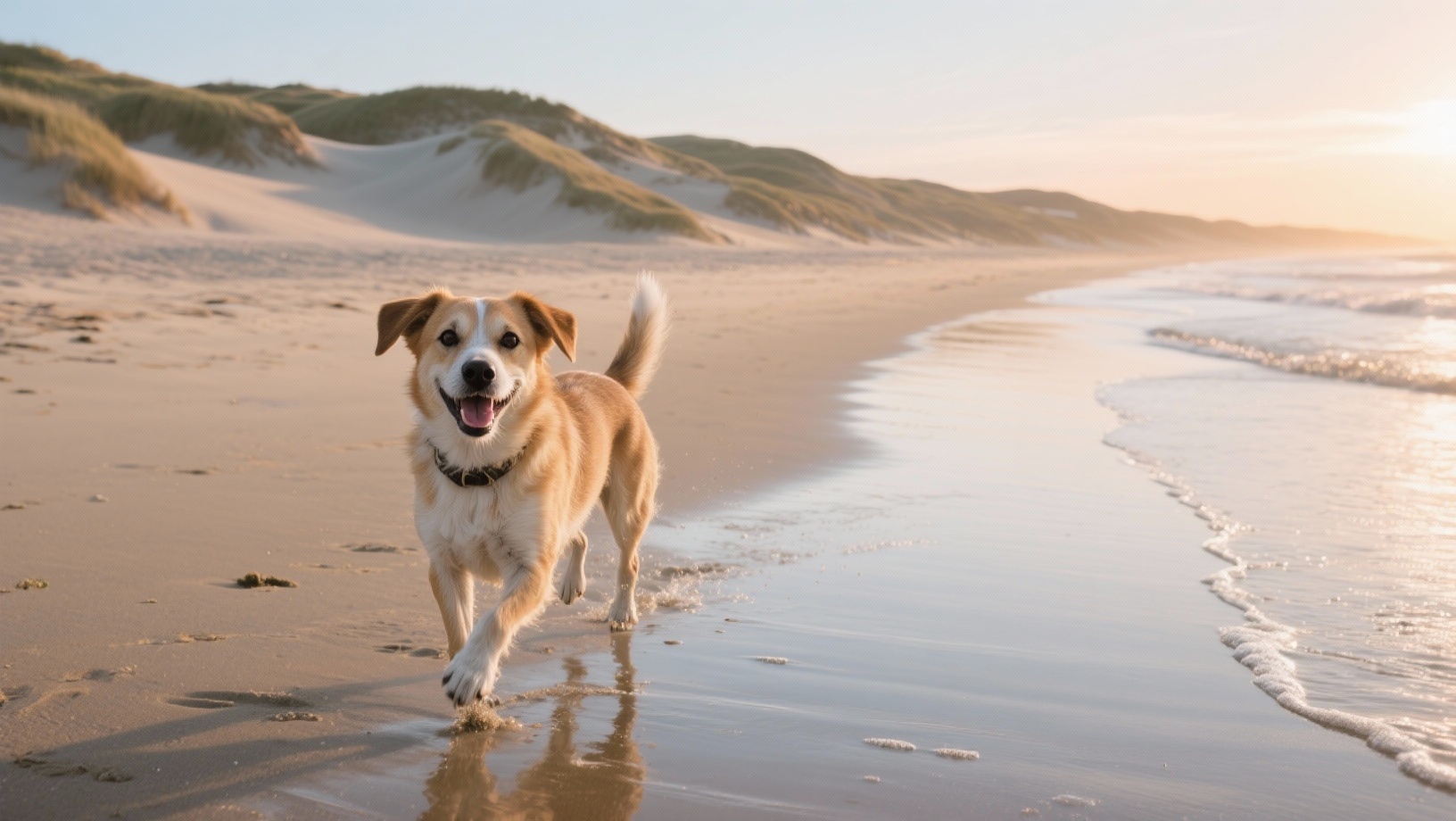
A successful coastal holiday with your dog in the Netherlands is perfectly possible, provided you know the rules and prepare your trip well. The freedom your four-legged friend has depends entirely on the location and the season. Discover how to enjoy the Dutch beaches with your faithful companion in comfort and without unpleasant surprises.
The basic rules for dogs on the beach
If you are travelling with your dog to the Dutch coast, you need to know that there is no national legislation. Each municipality sets its own rules, and these differ greatly. The most important factor is almost always the season. In winter the rules are relaxed, in summer they are strict.
- Winter season (approx. October to May): During this period, dogs are allowed to run off the lead all day on most beaches. This is the ideal time for long beach walks where your dog can enjoy complete freedom.
- Summer season (approx. May to October): During the warmer months, restrictions apply. Dogs are not allowed during the day on many popular bathing beaches, usually between 09:00 and 19:00. Outside these times, so early in the morning or later in the evening, they are often allowed on the beach (on a lead).
Always pay close attention to the information boards at each beach access. These clearly show the current local regulations. Cleaning up after your dog is of course mandatory everywhere and at all times, so make sure you bring enough poo bags. Your dog must also be microchipped and you must carry the European pet passport with you, even for a trip within the Netherlands.
‘ For those seeking maximum freedom, the Wadden Islands are an excellent destination. ’
The best coastal regions for a driving holiday with your dog
Travelling by car gives you flexibility and makes it easy to find quieter beaches and nature reserves. One region offers more freedom than another. Good planning will help you choose the right destination.
Noord-Holland: space and dedicated dog beaches
The coast of Noord-Holland is known for its wide sandy beaches and vast dune areas. It is an excellent choice for a holiday with your dog, as many municipalities have designated special off-lead areas.
- Hargen aan Zee and Camperduin: These beaches are quieter than the better-known seaside resorts. Outside the peak season, your dog has plenty of space here. During the summer months there are often time slots when dogs are allowed off the lead.
- Egmond and Castricum: In summer, dogs often have to be kept on a lead or are not allowed on the beach during the day. Early in the morning and in the evening, access to the beach is more relaxed. Castricum also has an off-lead area south of the main beach access all year round.
- Bloemendaal and Zandvoort: Between Parnassia (Bloemendaal) and the nudist beach at Zandvoort, dogs are allowed off the lead all year round. This is one of the best-known and most popular dog beaches in the region, so be prepared for it to be busy.
- Callantsoog: Has several zones where dogs are allowed off the lead all year round. Ideal if you want to enjoy the beach during the day in summer as well.
Zeeland: peace and seasonal freedom
Zeeland offers a varied coastline with wide beaches and charming villages. Overall, Zeeland is very dog friendly, especially outside the summer months. From 1 October to 1 May, dogs are allowed to run and play freely on most beaches. During the summer period (from 1 May to 1 October), the rules are stricter. On most guarded bathing beaches, dogs must be kept on a lead during the day, usually between 10:00 and 19:00. On other, quieter beaches there is often more freedom. Again, always check the local signs to be sure of the rules in force.
The Wadden Islands: a paradise for dogs
For those seeking maximum freedom, the Wadden Islands are an excellent destination. On Texel, Vlieland and Terschelling, dogs are allowed off the lead on most beaches all year round. Only on the guarded beach sections and near beach pavilions a lead is sometimes required. The dunes and woods also offer plenty of walking opportunities, although dogs often have to be kept on a lead here to protect nature.
Dog-friendly accommodation: from beach house to holiday park
A good trip starts with a pleasant place to stay. Fortunately, there is a wide range of dog-friendly accommodation along the coast. Many holiday parks and campsites welcome dogs, though a small surcharge per night is often charged. A cottage directly on the beach or in the dunes is a comfortable option. You can step straight out of your front door into nature for a walk. It is wise to book your accommodation well in advance, as the most popular dog-friendly cottages are quickly fully booked, especially during the school holidays.
Practical tips for a carefree trip
Good preparation ensures a relaxing holiday for both you and your dog. In addition to the standard essentials, take a few extra items with you for the trip to the coast.
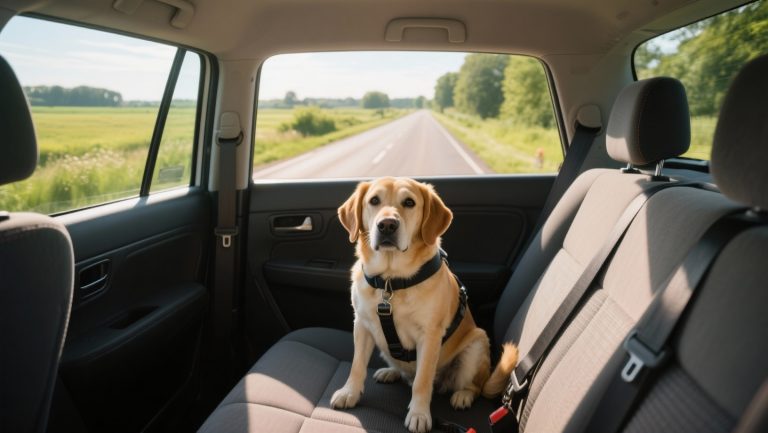
- Safe in the car: Make sure your dog is transported safely. A travel crate, a special dog harness for the seat belt or a dog guard prevents your dog from moving around the car and keeps them safe in case of sudden braking.
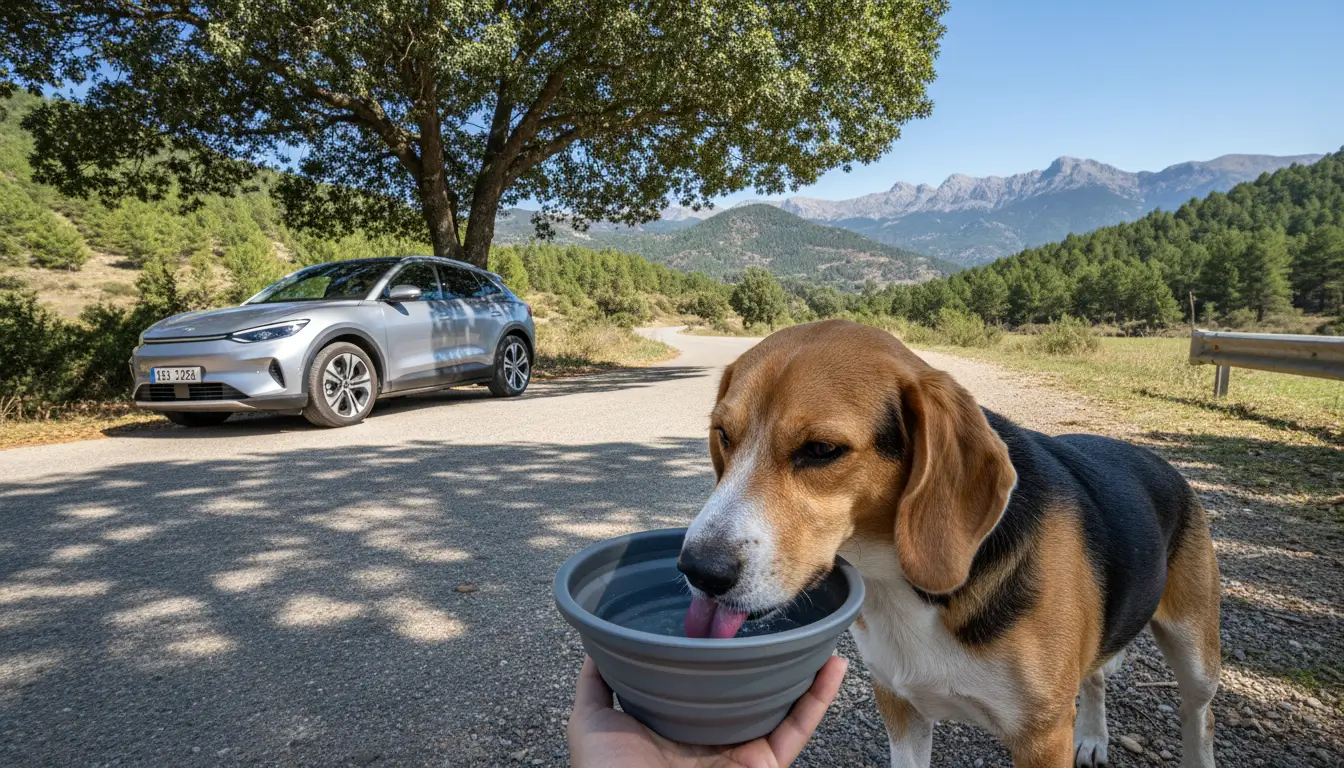
- On the beach: Take plenty of fresh drinking water and a water bowl with you. Salt seawater is harmful to dogs. A parasol or beach tent provides essential shade on hot days.
- Protecting nature: Keep your dog on a lead in the dunes, especially during the breeding season (approx. March to July). This protects nesting birds and other animals. Respect the rules and the natural environment so that everyone can continue to enjoy it.
A driving holiday to the coast with your dog is a wonderful way to relax together and enjoy nature. With the right information and preparation, you will easily find the perfect destination. On the Traveler Tips website, you can find more inspiration and practical guides for planning your ideal car or train journey. Discover routes, destinations and smart travel tips that will make your holiday even better.
Frequently asked questions
Texel and the Wadden Islands generally offer the most freedom for dogs, with Scheveningen (Noorderstrand/Zuiderstrand) and Callantsoog/Groote Keeten also being popular, dog-friendly locations. In general, during the summer season (May–October) dogs are often only allowed on the beach on a lead or at specific times, while in the winter season (October–May) they are usually allowed off the lead all day. There are specific dog beaches and year-round off-lead zones, such as four zones in Callantsoog. Cleaning up after your dog is mandatory and it is essential always to check the local boards at beach entrances for the most up-to-date rules.
To find comfortable and truly dog-friendly accommodation on the Dutch coast that suits a smart planner, it is best to look for bungalow parks and holiday homes by the sea that accept dogs, especially on the Wadden Islands (such as Texel) and in Zeeland. Check the local rules for dogs on the beaches, as these differ per municipality, season and even per beach zone; the Wadden Islands generally offer the most freedom. Book via listings for a “cottage by the sea with dog” and consider travelling outside the peak season for more peace and flexibility with your dog. Always make sure you have a European pet passport, microchip and rabies vaccination, and take practical items such as poo bags and a water bowl with you.
For a carefree coastal holiday with your dog in the Netherlands, a few preparations are essential: always check the local beach rules for each municipality, season and location, as these can vary greatly. Make sure your dog has a European pet passport, microchip and rabies vaccination, and secure your dog safely in the car. Book accommodation that is specifically dog friendly, and take practical items such as poo bags, a water bowl and, if necessary, a parasol with you.
Yes, there are various dog-friendly activities and sights along the Dutch coast. Many beaches welcome dogs for long walks, especially outside the summer season or in special year-round off-lead zones such as on the Wadden Islands or parts of Scheveningen and Callantsoog. There is also a wide range of dog-friendly accommodation, such as bungalow parks and holiday homes by the sea. With good planning and by following the local rules, a coastal holiday with your dog becomes a truly special experience.
The smartest way to travel to the Dutch coast with your dog is usually by car, as this gives you more flexibility with stops and luggage. Make sure your dog is safely secured in the car and always take the European pet passport, microchip and rabies vaccination with you. Before you set off, check the specific rules for dogs on the beaches in your chosen municipality, as these can vary greatly depending on the season and location. Ideally, opt for dog beaches or travel outside the summer season for more freedom.