
 NL
NL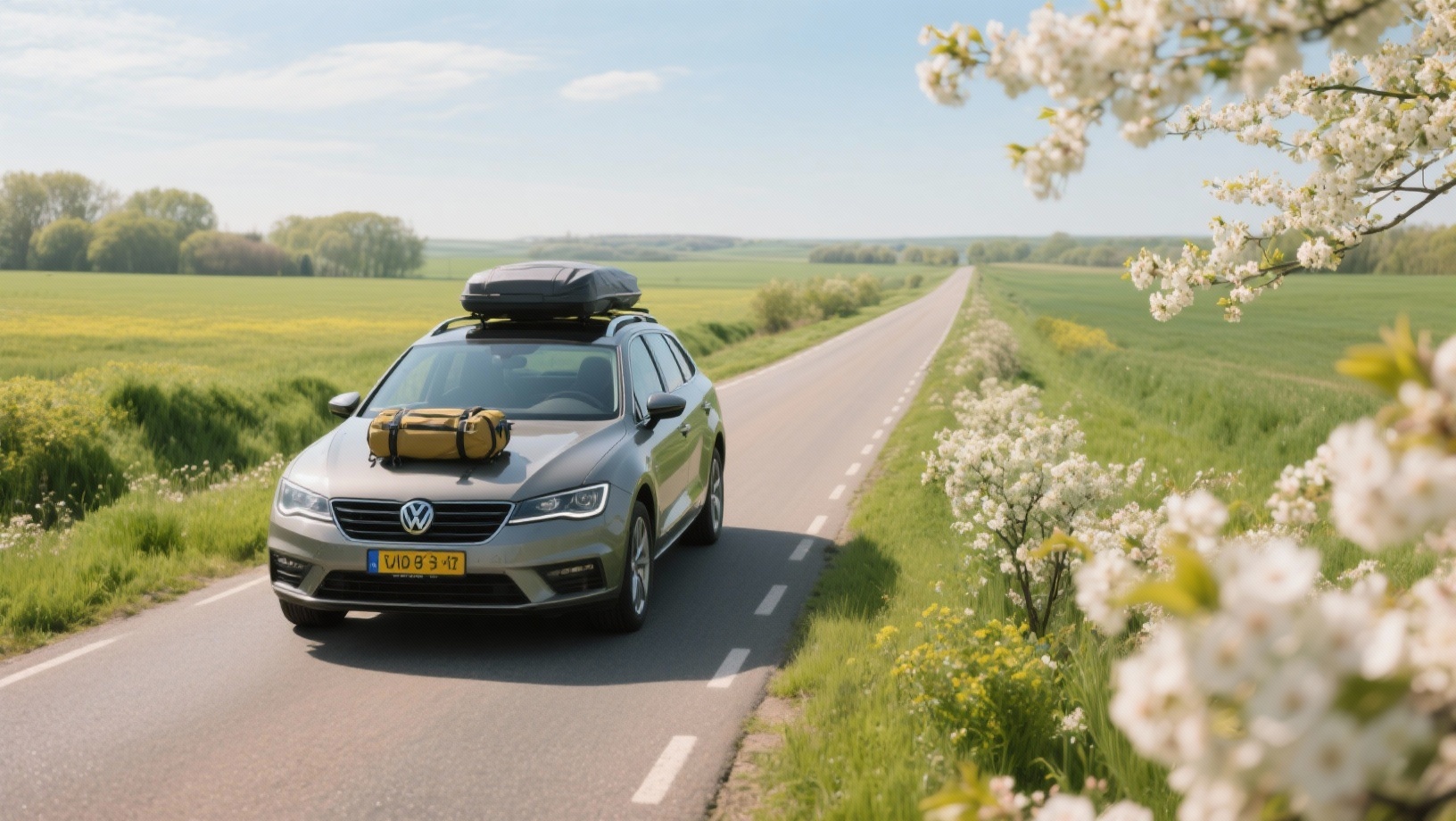
Seasonal influence on your driving holiday: make the best choice
The season you choose is decisive for the success of your trip. The weather, traffic on the road and costs differ per period and have a direct impact on your comfort, budget and overall experience. Carefully weighing up the pros and cons of travelling in spring, summer, autumn or winter is therefore an important part of good preparation. You can read here how to make the right decision for each period and plan your car holiday by season in the best possible way.
Good preparation is the basis for every successful trip by car. It enables you to respond better to unexpected situations and ensures more peace of mind on the road. Seasonal influences are a major factor in this. They determine which clothes you pack and which routes are passable. They also affect how long you are on the road and what kind of atmosphere you will find at your destination.
The general impact of the seasons on your travel experience
Each season has its own character that deeply affects the travel experience. The three main factors that change per season are crowds, weather and costs. In the high season, usually the summer months of July and August, prices for accommodation and sometimes even fuel are higher. At the same time it is busier on popular routes and at tourist hotspots. The weather is often stable and warm in this period, but in Southern Europe it can tip into extreme heat. Spring and autumn offer a more moderate picture with fewer crowds, lower prices and mild temperatures, as well as a higher chance of changeable weather.
‘ From a budget perspective, summer is the most expensive period. ’
Summer: high-season challenges and bottlenecks
Travelling in summer means travelling in the absolute high season. This brings a number of specific challenges. Traffic congestion reaches its peak, especially during the notorious “black Saturdays” in France and on the routes south through Germany and Austria. Long traffic jams are then more the rule than the exception. The heat can also be an obstacle. In a car without properly functioning air conditioning, a long drive is unpleasant and tiring. In addition, the heat increases the risk of the engine overheating, especially in mountainous areas. From a budgetary point of view, summer is the most expensive period. Demand for hotels, campsites and holiday homes is high, which pushes up prices.
Summer: the benefits of long days and plenty of activity
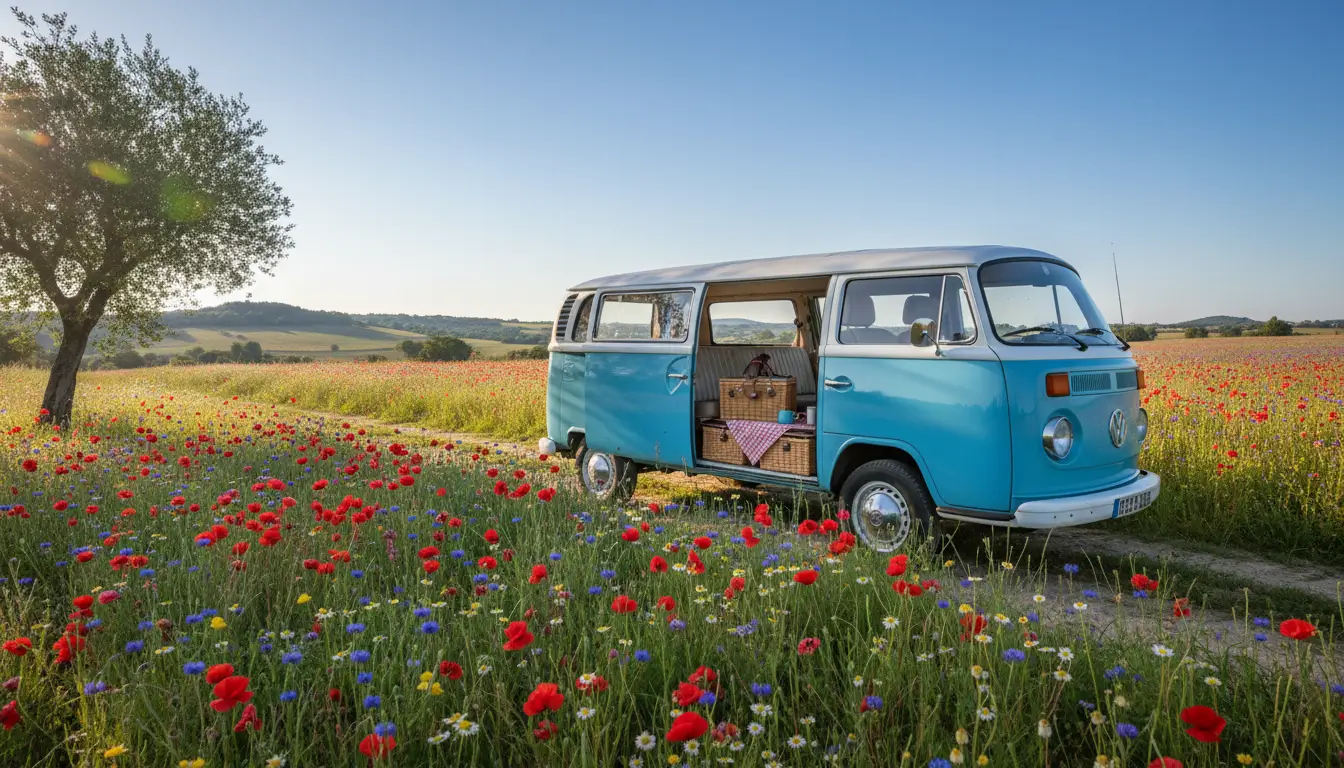
Despite the drawbacks, a driving holiday in summer also has clear advantages. The days are long, giving you more time to enjoy the surroundings and visit sights. The sun and warm temperatures make destinations with coasts, lakes and mountains especially attractive. Almost all attractions, restaurants and campsites are open and have generous opening hours. It is the season of liveliness, with countless festivals, markets and local events adding extra colour to your trip. For travellers who enjoy a bustling atmosphere and a wide range of activities, summer is an excellent choice.
Spring: nature awakening, avoiding the crowds
Spring, from April to June inclusive, is a popular period for the savvy traveller. Nature is awakening, creating beautiful landscapes full of blossom and greenery. Temperatures are generally mild and pleasant, ideal both for driving and for activities such as walking or city breaks. An important advantage is the relative peace and quiet. The major summer rush has not yet begun, so you have more space on the road and at sights. Accommodation is often cheaper and easier to book. The weather can still be unpredictable, with a chance of showers, so a flexible attitude is helpful.
‘ The largest flow of tourists has already returned home, which creates a relaxed atmosphere. ’
Autumn: golden colours, ideal travel temperatures and peace
Autumn, especially the months of September and October, combines many of the advantages of the other seasons. The intense summer heat has disappeared, but the temperature is still very pleasant in many parts of Europe. This makes it a perfect time for a road trip through Southern Europe. Nature shows itself at its best with golden autumn colours in forests and vineyards. The largest flow of tourists has already returned home, which creates a relaxed atmosphere. Prices for overnight stays fall and you often have more choice. As in spring, the weather is less stable than in summer, but the peace and beautiful surroundings more than make up for it.
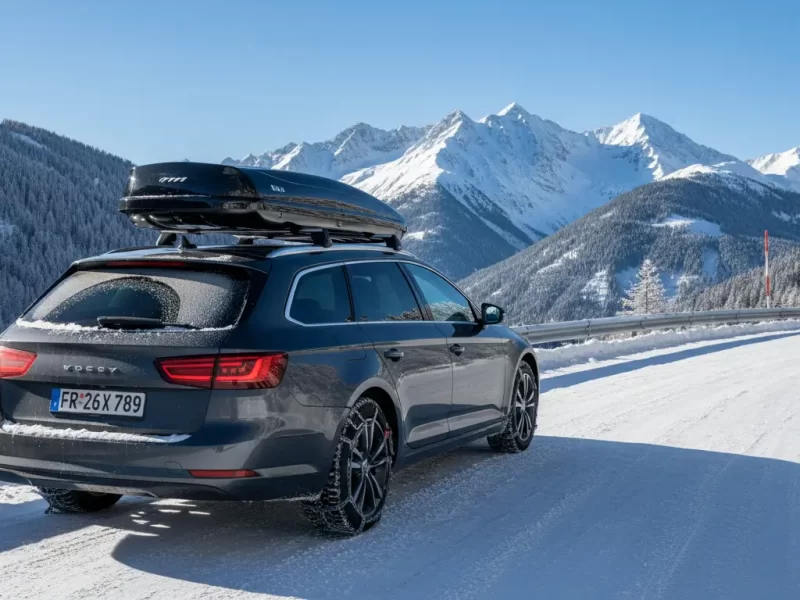
Winter: fun in the snow and specific preparations
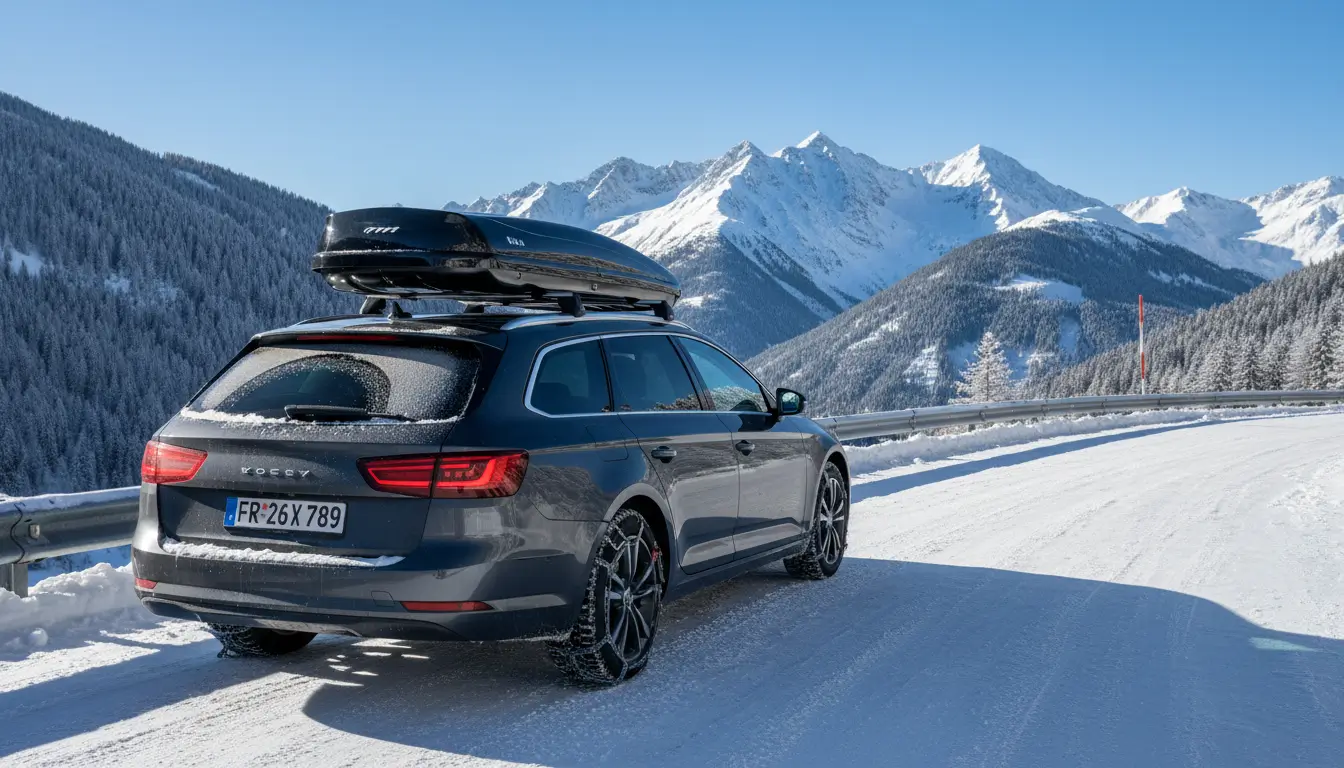
A driving holiday in winter requires specific preparations, but offers a unique experience. For winter sports enthusiasts, it is of course the only option. Outside the ski resorts, winter also has its own charm, with atmospheric Christmas markets and snow-covered landscapes. Preparing the car is very important here. Winter tyres are compulsory in many countries, such as Germany, Austria and parts of France and Italy. Snow chains are often required for driving over mountain passes. Also take into account shorter days and a greater chance of delays due to wintry weather conditions such as snowfall or black ice. Roads may be temporarily closed, so always check the latest traffic information.
Weather influences and climate risks by season
The weather is one of the most decisive factors for your travel comfort. Each season has its own risks that you can prepare for.
- Summer: Heatwaves can cause your car to overheat and lead to physical discomfort. Plan your drives on the hottest days early in the morning or later in the evening. Make sure you have enough water and check your car’s coolant level.
- Spring and autumn: Rain and fog are more common. Make sure your windscreen wipers and lights are in good condition. Adjust your speed when visibility is reduced and allow for a longer braking distance.
- Winter: Snow and black ice require the right equipment and an adapted driving style. Drive calmly, avoid sudden braking and steering, and keep extra distance. Check whether mountain passes are open before you set off.
Opening times and events: the impact on your planning
The seasons also influence the availability of sights and activities. In summer, almost everything is open, but you need to take long waiting times into account. Booking in advance is often advisable. In spring and autumn, some attractions, especially in smaller tourist towns, may have limited opening hours or already be closed. In winter, many tourist facilities in summer seaside destinations are closed. On the other hand, there are specific seasonal events, such as wine festivals in autumn or Christmas markets in winter, which can be a reason in themselves to travel at that time of year.
Smart planning: general tips for every season
Good planning helps you make the most of the benefits of each season and limit the downsides. Check traffic calendars in advance to avoid the busiest travel days. Look into public holidays at your destination, as these can cause extra crowds. Adapt your car’s equipment to the season: from sunshades in summer to an ice scraper and the right tyres in winter. Book accommodation well in advance in high season, while in low season you have more flexibility. A flexible route plan enables you to adapt to changing weather conditions.
The freedom of the open road is waiting for you, whatever the season. With the right preparation and a conscious choice of travel period, you can get the most out of your driving holiday. Whether you opt for lively summer, blossoming spring, colourful autumn or enchanting winter, each period offers its own unique charm and opportunities. Start planning today and let the seasons work to your advantage.