
 NL
NL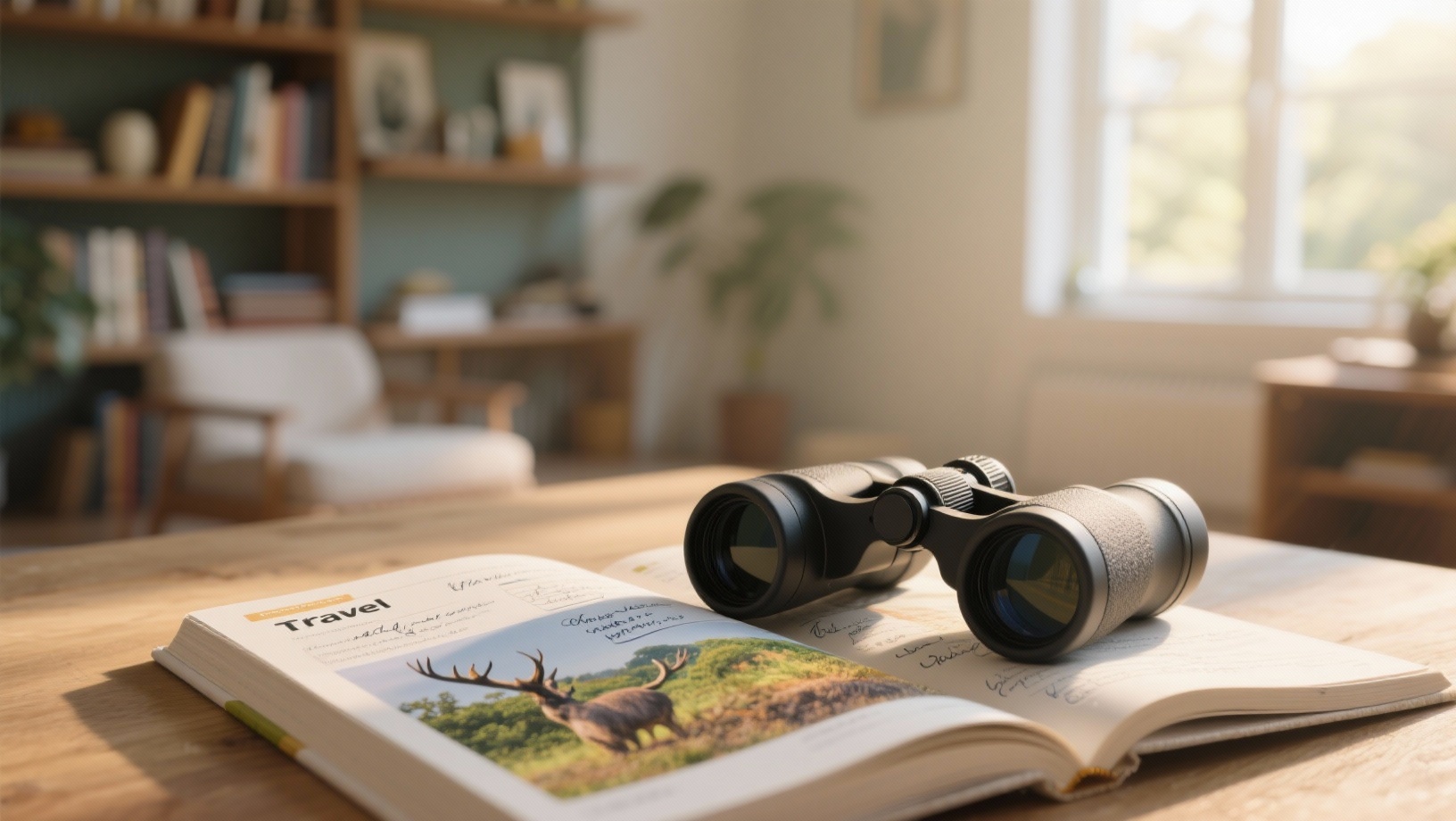
A wildlife trip is only truly successful if you set off well prepared. The right equipment, clothing and physical condition determine whether you actually capture that special encounter with wild animals or end up missing it. This article helps you plan smartly so you can head out with confidence.
Photography gear for wildlife
Wildlife photography requires specific equipment. You need a camera with suitable lenses. These lenses must be able to capture animals sharply from a distance. A telephoto lens is indispensable. Choose a lens with a focal length of at least 200mm. To keep enough distance from the animal, it is better to go for 300mm or more.
Think about stabilisation. Long lenses pick up every movement. Good image stabilisation in the lens or camera helps. Take a sturdy tripod if you are shooting from fixed positions. For game drives, a bean bag is useful to support your camera on the edge of the vehicle.
Bring enough memory cards and spare batteries. In remote areas you will not always find a power socket. Check in advance whether your charger is suitable for the local power supply and take a travel adapter with you.
‘ Rustling fabric disturbs the peace and can scare animals away. ’
Clothing that suits the environment
Choose clothing in neutral colours such as beige, khaki or green. Bright colours attract the attention of animals and disrupt their natural behaviour. Avoid black and dark blue, as these colours can attract insects.
Wear several layers. Temperatures can vary greatly between early mornings and midday. Start with a long-sleeved shirt, combine it with a light fleece or jumper, and take a windproof or waterproof jacket for unexpected showers.
- Long trousers protect against insects and sharp vegetation
- Light, breathable fabrics such as cotton or quick-drying synthetic material
- Sturdy walking boots with good ankle support
- A hat or cap for the sun
- Sunglasses for protection during long drives
Wear clothing that makes little noise. Rustling fabric disturbs the peace and can scare animals away. Avoid Velcro and choose quiet fastenings.
Binoculars and identification guides
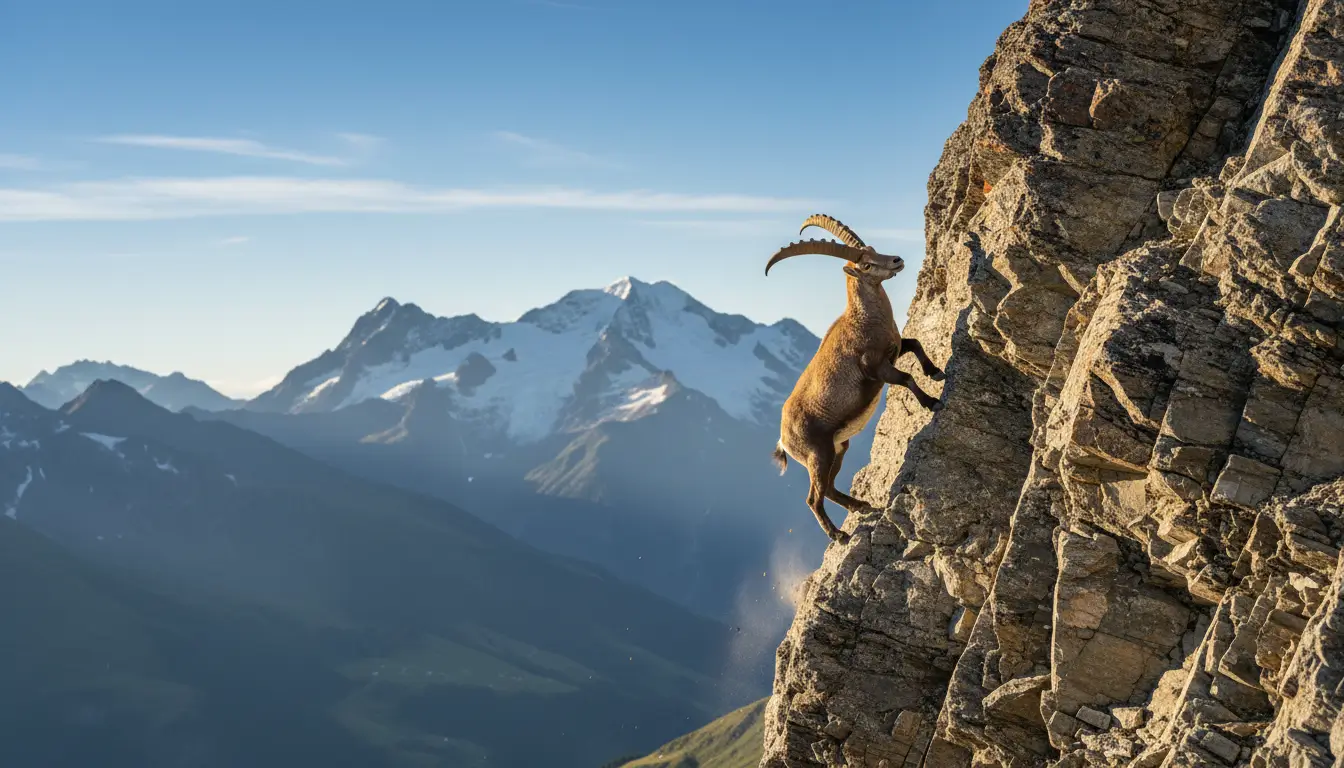
A good pair of binoculars increases your chances of successful sightings. Choose binoculars with at least 8x magnification and an objective lens of 40mm or larger. This combination offers enough light and detail, even during dim early mornings.
Field guides help you identify species on the spot. Take a guide that is specific to your destination. Regional guides contain accurate descriptions and illustrations of local fauna. Apps can be useful, but check in advance whether they are available offline.
Write down your sightings in a notebook or digitally. This helps you keep track of species and locations, and makes it easier to relive your trip afterwards.
Physical preparation for long days
Wildlife trips can be physically demanding. Game drives sometimes last six to eight hours, with you sitting in an uncomfortable position on bumpy roads. Walks through nature reserves require stamina and balance.
Train your fitness a few weeks in advance. Take regular walks of a couple of hours with a light rucksack. This prepares your muscles and helps to test your footwear. Blisters on safari are unpleasant and can seriously spoil your experience.
Stretch regularly to prevent stiffness. Long car journeys can cause sore muscles. Get out at stops and walk around for a bit to keep your blood circulation going.
‘ Check whether medical evacuation is included, especially if you are travelling to remote areas. ’
Health and insurance
Consult a travel clinic or tropical medicine specialist at least six weeks before departure. Some vaccinations require several doses over a longer period. Malaria prophylaxis often has to be started days before arrival.
- Vaccinations such as yellow fever, hepatitis A and B, and rabies if required
- Malaria tablets as prescribed by your doctor
- First aid kit with plasters, disinfectant, painkillers and anti-diarrhoea medication
- Insect repellent containing DEET
- Sunscreen with a high protection factor
Take out travel insurance that covers adventurous activities. Check whether medical evacuation is included, especially if you are travelling to remote areas. Take copies of your passport, insurance certificate and vaccination card.
Accommodation and personal needs
Communicate any specific needs to your accommodation in advance. Allergies, food intolerances or physical limitations sometimes require tailored facilities. Lodges in remote areas have limited options, so mention this in good time.
Bring enough of your personal medication, including a reserve supply. Pharmacies are not available everywhere. Keep medicines in their original packaging and take a doctor’s letter with you for inspection authorities.
Think about little comforts that increase your overall comfort. A power bank with solar panel keeps your devices charged. Biodegradable toiletries are kinder to the environment. Wet wipes are handy when water is scarce.
Packing list for your wildlife trip
A complete packing list helps prevent you from forgetting things. Split your list into categories such as clothing, equipment, health and documents.
- Camera with telephoto lens, spare batteries and memory cards
- Binoculars and field guides
- Layered clothing in neutral colours
- Sturdy walking boots and sandals for in the lodge
- Hat, sunglasses and sunscreen
- Insect repellent and after-bite cream
- First aid kit and personal medication
- Passport, visa, vaccination card and insurance certificate
- Power bank, travel adapter and chargers
- Water bottle, preferably with filter
Test your gear beforehand. Check that your camera and lenses are working properly. Break in your walking boots at home. Small adjustments made at home save a lot of frustration on the road.
On the Traveler Tips website you can find more information about planning trips to exceptional nature destinations. Discover routes, practical preparation tips and inspiration for your next trip.
Frequently asked questions
Start by choosing the type of wildlife you want to see (e.g. the “Big Five”, whales, bears) and then determine which regions are known for that. Next, look at each destination’s dry season or main migration periods; that is when your chances of seeing wildlife are highest. Check park websites, local nature organisations and recent trip reports (forums, blogs) for up-to-date chances of sightings, road conditions and rules. Then map out your overall route, but leave room in your road trip schedule to stay longer where conditions and sightings are good.
For train journeys, choose routes with good connections to nature areas, such as regional lines towards national parks or border stations where shuttles and safari minibuses depart. With your own car, scenic routes along national parks and nature reserves are ideal, as they allow you to stop flexibly at viewpoints and visitor centres. Combine both by first travelling by train to a major city and then hiring a car or joining an organised 4×4 safari for the final off-road kilometres. Use map apps and park websites in advance to check access roads, road conditions and parking or shuttle options at wildlife locations.
Essential equipment and clothing for a comfortable and responsible wildlife trip include neutral, breathable layers (long sleeves and trousers), sturdy walking boots, a hat or cap and sunglasses, supplemented with rain gear and warm clothing for changing temperatures. In terms of health, a well-stocked first aid kit, personal medication with a doctor’s letter, insect protection (DEET, after-bite) and sun protection (high factor) are crucial. Get your vaccinations in advance and seek advice from a travel clinic or tropical medicine specialist about malaria prophylaxis and other necessary jabs, and make sure you have travel insurance that covers adventurous activities. For safety and comfort, a pair of binoculars, a torch, sufficient water (ideally with a filter bottle) and testing your gear before departure are also part of the essentials.
Prepare well by choosing reliable operators and eco-lodges that prioritise animal welfare and nature conservation, and always keep a good distance from animals (better to use binoculars or a telephoto lens than to walk or drive closer). Respect local rules and guides’ instructions, do not leave the paths and never feed or lure animals. Follow “leave no trace” principles: take all your rubbish back with you, use biodegradable personal care products and limit your use of plastic and water. Learn about the ecosystems and species via field guides and local guides, so that you look with more understanding, attention and respect instead of only “taking pictures”.