 NL
NL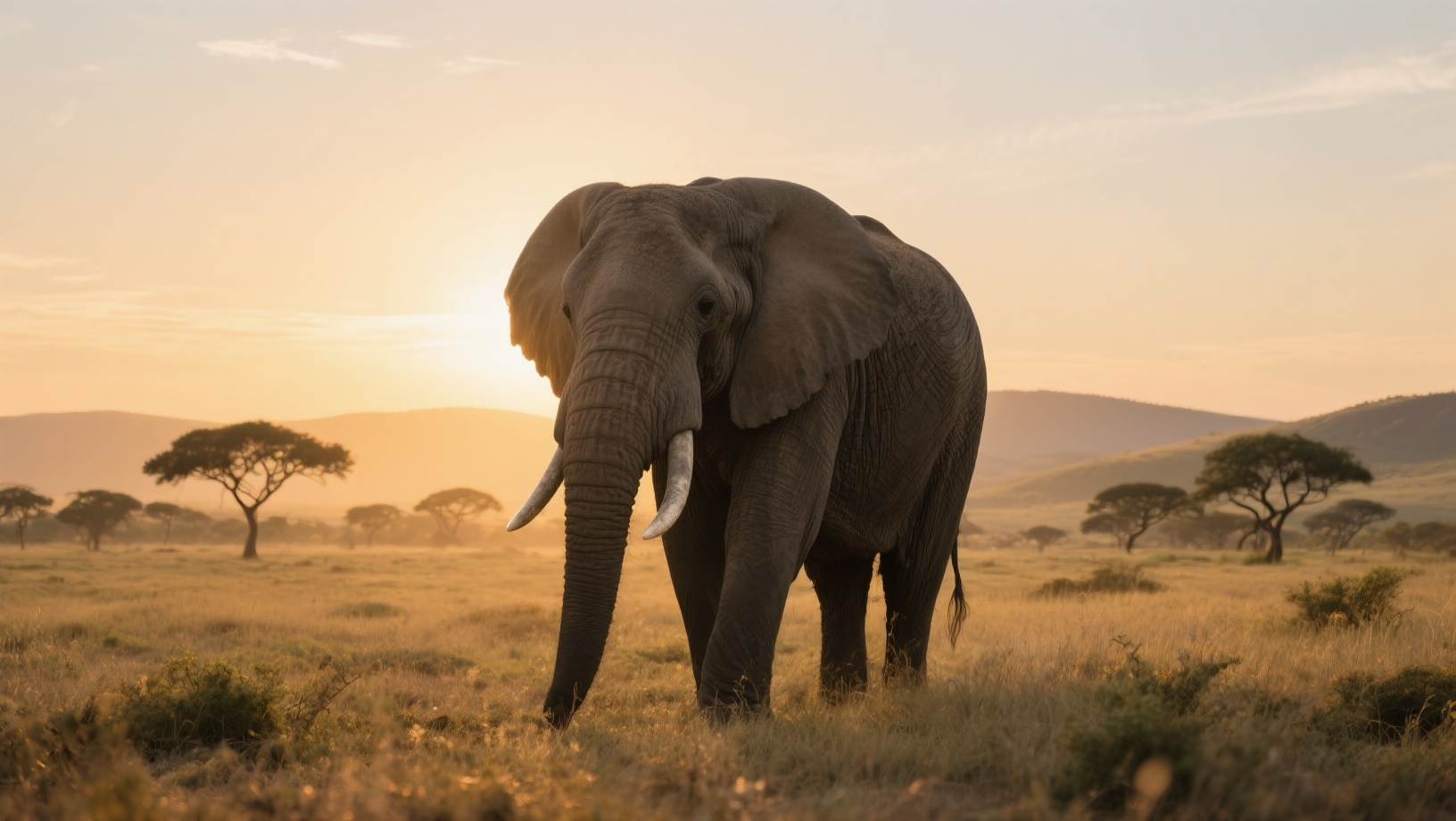
2026 will be a standout year for wildlife sightings. In the best wildlife destinations in 2026, climate patterns and conservation measures come together, giving you a greater chance of unique encounters with wild animals. From whales in Alaska to mountain gorillas in Uganda. Read on and discover where to go for the most memorable wildlife experiences.
Uganda for mountain gorillas and chimpanzees
Uganda is top of the list when it comes to primates. In Bwindi Impenetrable Forest you trek through dense rainforest in search of mountain gorillas. The chance of encountering a group of gorillas is high, especially during the dry season from January to March. In Kibale National Park you can spot chimpanzees in their natural habitat. If you combine your gorilla trek with a visit to Queen Elizabeth National Park, you will also see lions and hippos.
Book your permit early through the Uganda Wildlife Authority. A gorilla permit costs around 700 dollars, considerably more affordable than in Rwanda. From the park it is a few hours’ walk through the forest. Good walking shoes and a waterproof jacket are essential rather than a luxury.
‘ keeping your distance from bears is mandatory and safer. ’
Alaska offers better chances for whales and bears
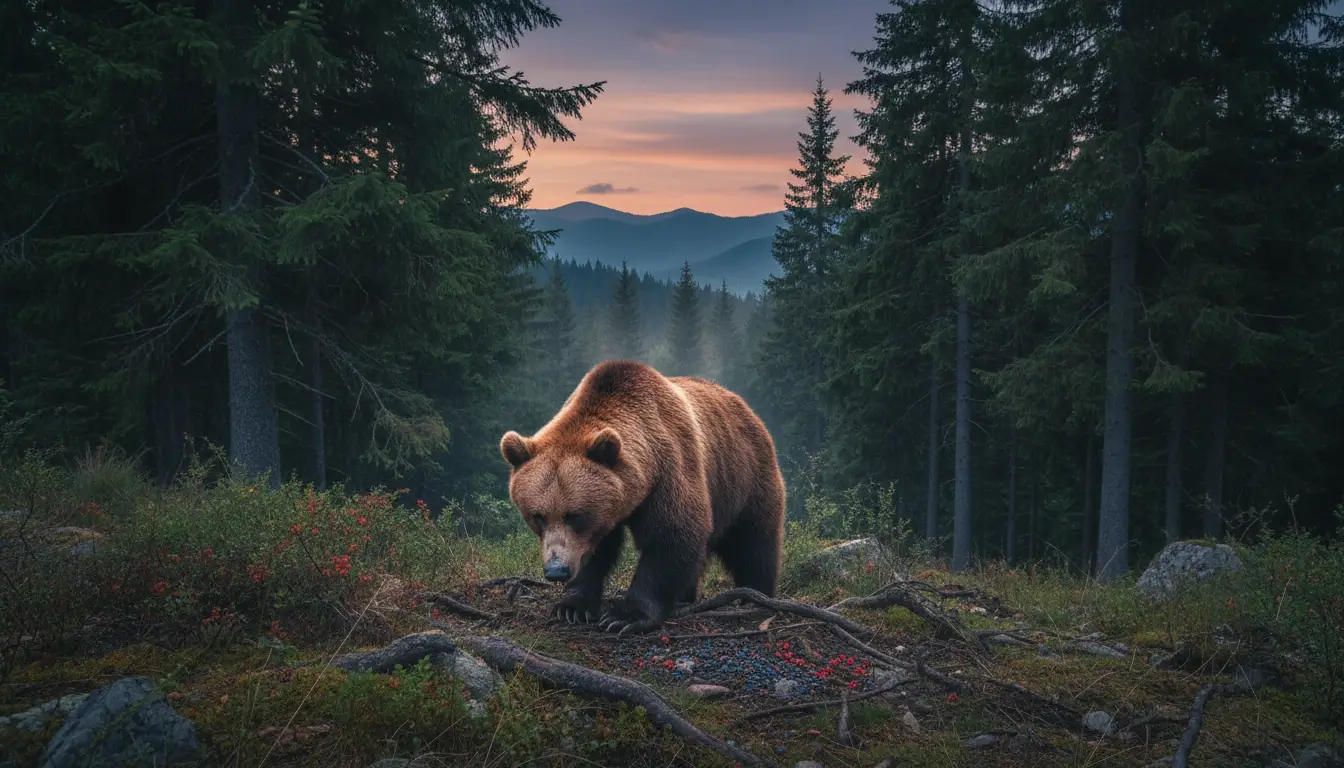
Alaska benefits from favourable climate patterns in 2026. The visibility of whales, bears and moose improves thanks to these natural conditions. Along the coast in particular you can see humpback whales and orcas. In Denali National Park you will encounter grizzly bears and caribou. The wildlife season runs from May to September, when the days are long and nature is at its best.
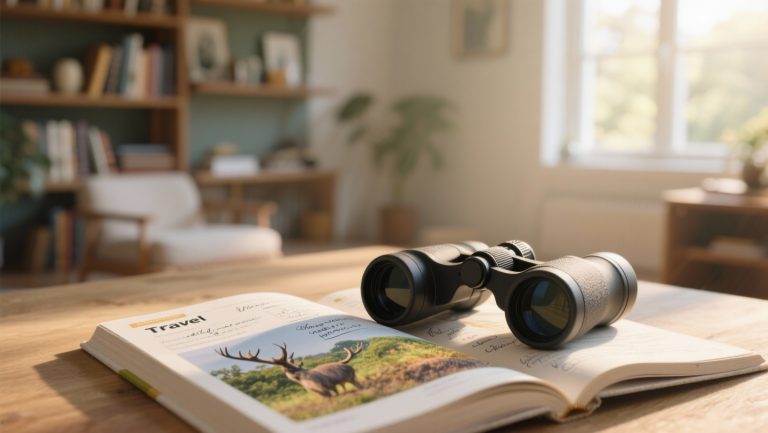
Travel by 4×4 or join organised tours from Anchorage. Don’t forget your binoculars, as keeping your distance from bears is mandatory and safer.
Sri Lanka is bouncing back with extensive wildlife protection
Sri Lanka is back as a top destination. The country is investing in wildlife protection and improving its tourist infrastructure. Yala National Park offers the highest leopard density in the world. You can also see elephants, sloth bears and crocodiles. Udawalawe National Park is known for its large elephant population.
The dry season from February to July is ideal for safaris. Book a licensed guide and opt for early morning or late afternoon drives for the best chances of sightings. The parks are easily accessible from Colombo by hire car or private driver.
Holbox in Mexico combines whale shark trips with marine protection
Holbox, a small island off the coast of Mexico, offers enhanced marine protection in 2026. From May to September whale sharks swim in the warm waters around the island. These giants of the sea are harmless and glide calmly through the water, making snorkelling trips accessible.
Choose a certified tour operator that follows sustainable guidelines. The island is largely car-free and accessible by ferry from Chiquilá. Combine your visit with birdwatching in the mangroves or unwind on the white beaches.
‘ “This natural spectacle offers photographic opportunities you won’t find anywhere else.” ’
Kenya remains unbeatable for the Great Migration
The Masai Mara in Kenya is world-famous for the Great Migration. From July to October, millions of wildebeest and zebras cross the savannah, followed by predators. This natural spectacle offers photographic opportunities you won’t find anywhere else. You can see the Big Five here in a variety of landscapes, from open plains to riverbeds.
Stay in lodges with a low impact on nature. From Nairobi it is a four to five hour drive to the Masai Mara. Book your safari well in advance, as lodges fill up quickly during the high season.
Borneo is the place to see orangutans in the wild
Borneo offers the chance to see orangutans in their natural environment. At the Sepilok Orangutan Rehabilitation Centre, young orangutans learn how to survive in the wild. In the Danum Valley Conservation Area you can spot wild orangutans, proboscis monkeys and pygmy elephants. The rainforest is ancient and dense, which makes it a special experience.
Travel with a guide who knows the forests. The best period is from March to October, outside the rainy season. From Kota Kinabalu or Sandakan you can arrange multi-day trekking or river tours. Make sure you have insect repellent and light, quick-drying clothing.
India combines tiger safaris with bird diversity
Ranthambore National Park in India places you in the landscape of The Jungle Book. Bengal tigers roam here among ancient forts and banyan trees. The chances of a tiger sighting are high, especially during morning and evening jeep safaris. Bandhavgarh National Park offers similar opportunities with slightly fewer tourists.
Stay in hotels near the park gates so you can start early. Book your safaris online in advance. India also has more than 250 bird species in these areas, so bring a bird guide.
‘ The organisation and accessibility are excellent. ’
Rwanda and Uganda compete for the title of best gorilla destination
Rwanda is known for its Volcanoes National Park, where mountain gorillas live among the volcanoes. The permits are more expensive than in Uganda, around 1,500 dollars. The organisation and accessibility are excellent. Akagera National Park combines gorillas with the Big Five and more than 500 bird species.
The parks are well maintained and have good trails. From Kigali it is a two to three hour drive to Volcanoes National Park. You can go gorilla trekking all year round, but the dry season makes the walking more comfortable.
Practical tips for your wildlife holiday in 2026
Before you leave, check the visa requirements and health regulations for each country. Many African countries require a yellow fever vaccination. Book vaccinations six weeks in advance with the municipal health service. For regions with malaria, take prophylaxis with you.
- Choose certified lodges with sustainability labels
- Avoid single-use plastic and take a reusable water bottle
- Use telephoto lenses of at least 300 mm for photography
- Do not use flash with animals, it disrupts their behaviour
- Always follow your guide’s instructions
Costs vary by destination. A tiger safari in India costs between 200 and 500 euros per person per day, including jeep and guide. Gorilla permits in Uganda can be booked from 700 dollars. Fly to hubs such as Nairobi, Kigali or Delhi and arrange internal flights or hire cars from there. A 4×4 with a guide is recommended for most national parks.
Why 2026 will be the year of wildlife
2026 offers ideal conditions for wildlife sightings. Improved conservation measures and stable climate patterns make the difference. Countries such as Angola are opening new parks with few tourists, which offers opportunities for unique experiences. Think of Iona and Kissama National Park, where elephants and the rare giant sable antelope live.
New developments such as Nibiischii Park in Quebec show that you don’t have to travel far for wildlife trips. This park is managed by the Cree and offers pristine lakes with suspension bridges through forests. From Montreal you can fly to this area in an hour and a half.
On the Traveler Tips website you will find much more information about wildlife travel. You can discover the best photography techniques, tips for travelling sustainably and itineraries for each destination. Find out more and plan your next trip with the right preparations.
Frequently asked questions
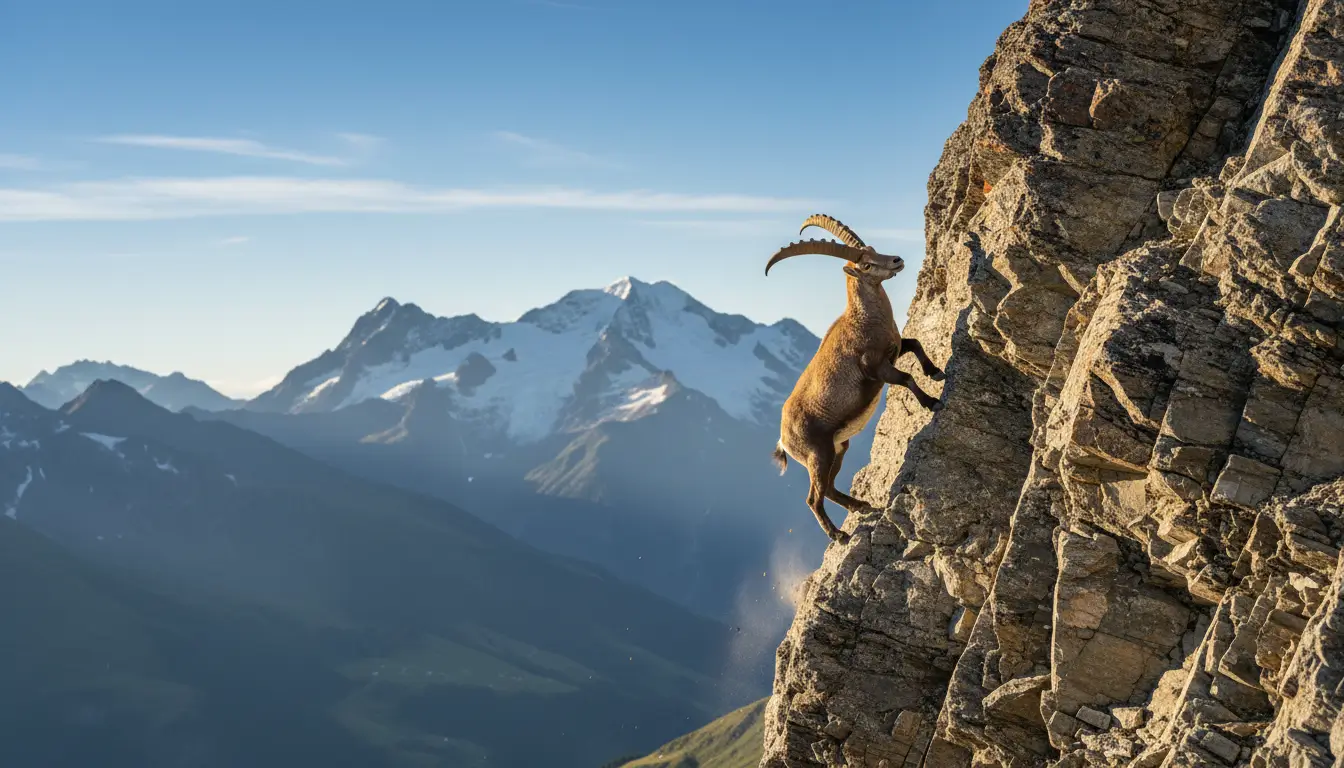
Easily accessible wildlife destinations by car or (night) train from Europe include the Carpathians (Romania, Slovakia) for bears and wolves, the Alps and Jura (France/Switzerland/Italy) for ibex, chamois and vultures, and wetlands such as the Camargue (France) and the Po Delta (Italy) for birds. Plan efficiently by first taking the train to a major city or regional hub (e.g. Munich, Zurich, Lyon, Milan, Vienna, Budapest) and only then hiring a car for the “last kilometres” to nature areas. Combine areas that are on one logical route (for example Alps + Jura, or Danube Delta + Carpathians) and choose one or two bases rather than changing accommodation every night. Use route planners with a train option (such as Rail Europe or the Deutsche Bahn planner) and filter accommodation by proximity to nature reserves so you have to drive less once you are there.
These destinations offer unique wildlife experiences such as gorilla trekking in Uganda and Rwanda, spotting tigers in Ranthambore, jaguars in the Pantanal and sloths and sea turtles in Costa Rica, often in relatively unspoilt nature or less-visited parks. You contribute to ethical tourism by never feeding or luring animals, keeping your distance and using telephoto lenses without flash. Choose certified eco-lodges, local guides and parks that are managed by Indigenous communities or national authorities, such as Nibiischii Park or the Uganda Wildlife Authority. Avoid single-use plastics, respect park rules and travel in the right season so you cause less disturbance while still seeing plenty of animals.
A great road trip in East Africa is a loop Nairobi – Masai Mara – Lake Nakuru – Amboseli, with overnight stays in small-scale lodges or tented camps close to the park gates and fuel stops in towns such as Narok and Naivasha. In southern Africa, a self-drive route Lusaka – Kafue National Park – Livingstone is ideal, staying in small bush camps in Kafue and planning a few nights in Livingstone for Victoria Falls and stocking up. A popular Central America route is San José – Tortuguero – Arenal – Monteverde – Manuel Antonio, with eco-lodges as bases and handy stops in Guápiles and La Fortuna for cash, snacks and tours. For more tranquillity in Namibia you can opt for Windhoek – NamibRand – Sossusvlei – Etosha, with guest farms and desert lodges along the way and fuel and shopping stops in Rehoboth, Mariental and Solitaire.
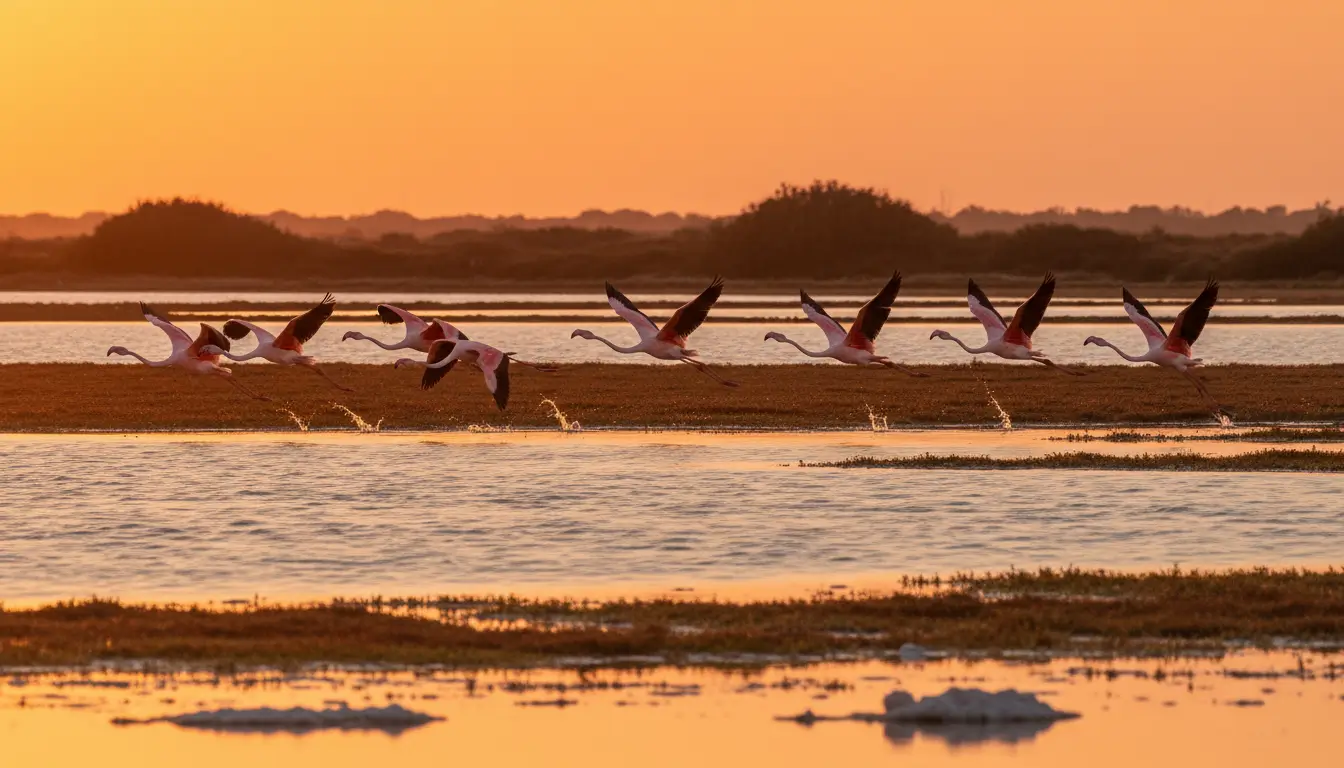
In 2026 you can witness the Great Migration in the Masai Mara (Kenya) with hundreds of thousands of wildebeest and zebras between July and October. In Uganda and Rwanda, gorilla trekking and chimpanzee tracking are possible all year round, with the drier season (Jan–Mar) being the most comfortable. In Brazil’s Pantanal, jaguars and large concentrations of caimans are best seen between July and October, during the dry season. Sea turtles in Costa Rica (including Tortuguero) are best seen around the nesting periods in the dry season from December to April.
It is essential to arrange visas, park and any gorilla permits in good time, and to check vaccinations and possible malaria prophylaxis. Make sure you have suitable equipment such as binoculars, a telephoto lens (≥300 mm), light breathable clothing in neutral colours, a first-aid kit and, if needed, a 4×4 (preferably with a guide) for the parks. Choose eco-certified lodges, avoid single-use plastics and respect nature by staying on trails and not feeding or luring animals. For safety: keep your distance from wildlife, do not use flash, inform yourself about the seasons (dry vs rainy) and always follow the instructions of rangers and guides.