
 NL
NL
How much does a driving holiday cost? A complete overview of all expenses
A clear understanding of the costs of a driving holiday is the basis for a successful trip. The freedom to decide your own route and pace is a major advantage. That flexibility does, however, require careful budget planning. The total cost depends on the choices you make both before you leave and along the way. Here you will find all cost items listed, from the most obvious to the hidden expenses. This way, you know exactly what to expect and you set off well prepared.
Before you leave, it is sensible to map out the main cost items. Think of expenses for fuel or electricity, tolls and vignettes, overnight stays, and of course food and drink. A clear overview of these basic elements forms the foundation of your travel budget. Good preparation helps you to estimate the costs accurately. This way, you avoid surprises on the road during your trip by car.
Fuel and electricity: your largest variable expense
Spending on fuel or charging your electric car is often the biggest cost during a driving holiday. The distance you cover, your car’s consumption and current prices determine the amount. Use an online route planner to calculate the total distance. Divide this by your car’s average consumption to estimate the number of litres or kilowatt hours you will need. Bear in mind that fuel prices and charging rates abroad can vary considerably. Apps can help you find the cheapest petrol stations or charging points nearby.
‘ In addition, more and more cities are introducing low-emission zones, for which you need a sticker or registration in order to be allowed to drive there. ’
Tolls, vignettes and low-emission zones: unavoidable costs on the road
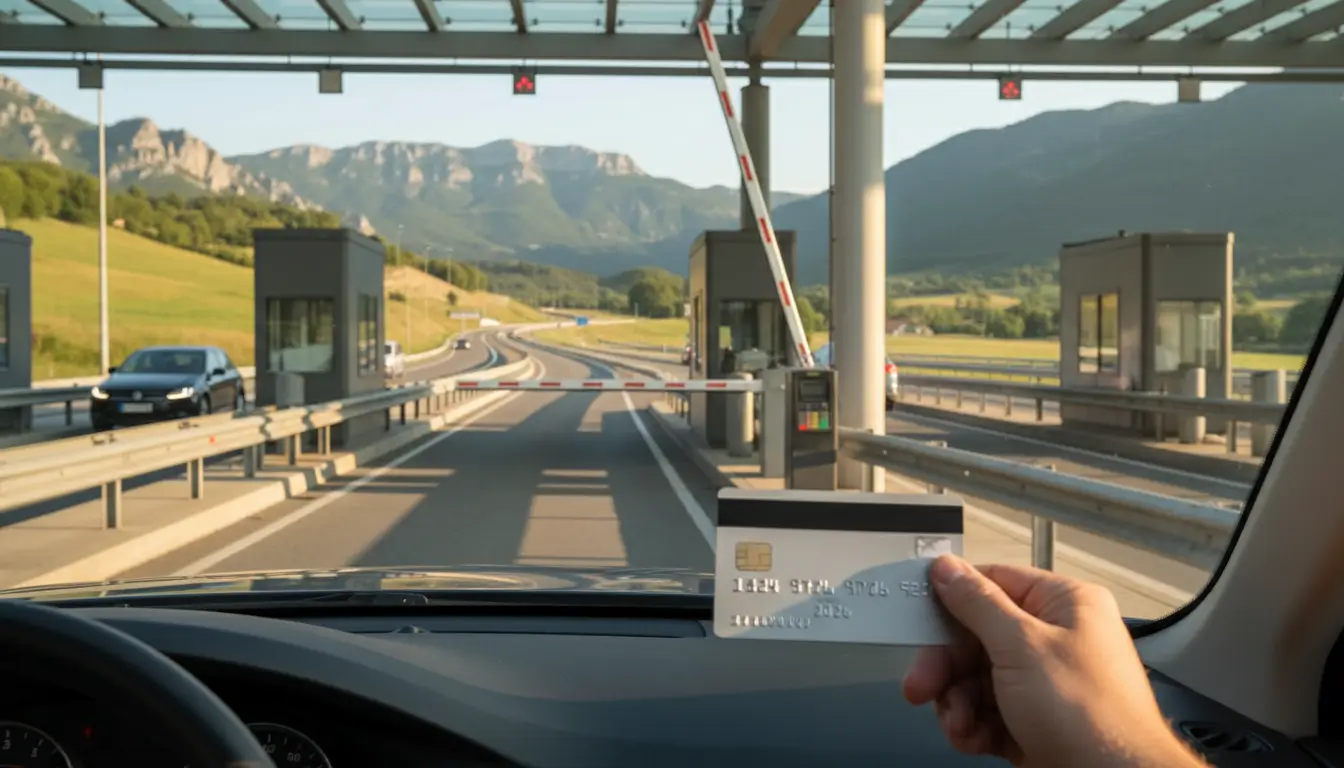
Many European countries charge tolls on motorways or require a vignette. In France, Spain and Italy you often pay per kilometre driven at toll booths. Countries such as Austria and Switzerland use a vignette that you buy for a set period. In addition, more and more cities are introducing low-emission zones, for which you need a sticker or registration in order to be allowed to drive there. Plan your route in advance and research which vignettes or environmental stickers you will need. Order these online in good time to avoid higher costs or fines.
Overnight stays: from campsite to luxury hotel
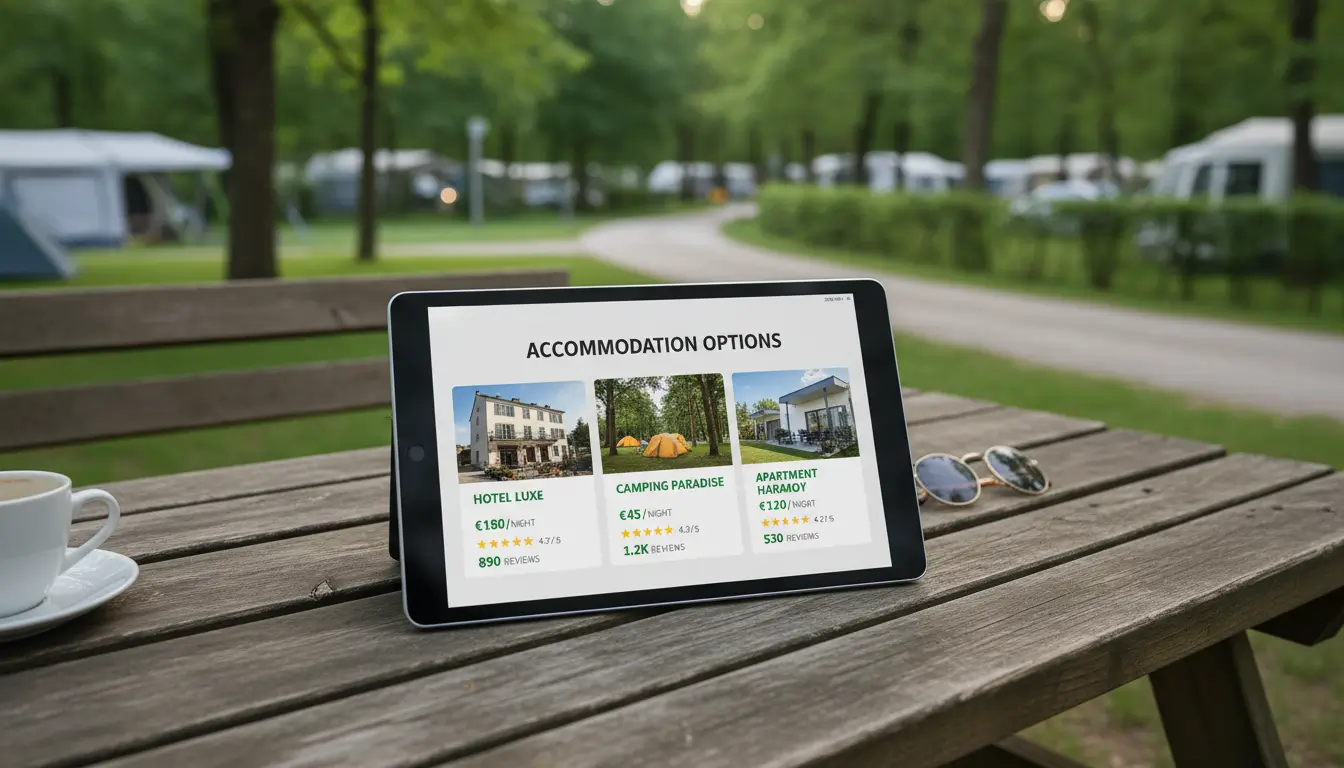
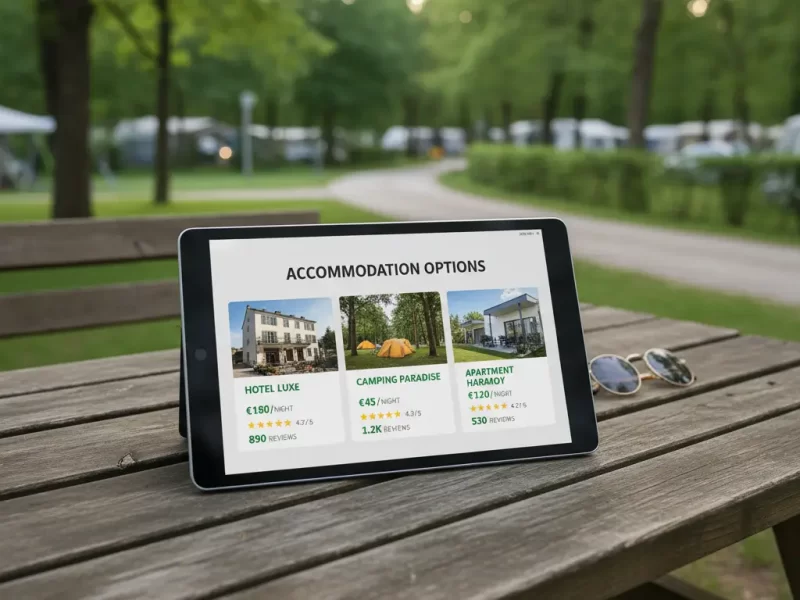
Your choice of accommodation has a major impact on your total budget. The options are wide-ranging: from a simple pitch on a campsite to a comfortable hotel or a fully equipped holiday home. Prices vary greatly by country, region and season. By travelling outside the peak season, you can save considerably. Compare prices on different booking sites and consider accommodation with self-catering facilities. That way, you also save on the cost of breakfast and dinner.
Parking charges: the hidden expense
When putting together a travel budget, travellers often overlook parking charges, but they can quickly add up. Prices are especially high in popular cities and at tourist attractions. Sometimes you even have to pay to park at your hotel. Find out in advance what the parking options and costs are at your destination. Consider using P+R (Park and Ride) sites on the outskirts of the city. There you can park your car at a lower rate and continue your journey by public transport.
‘ An ongoing travel insurance policy with cover for medical expenses abroad is essential. ’
Insurance and roadside assistance: safety and peace of mind on the road
Good preparation also includes checking your insurance policies. An ongoing travel insurance policy with cover for medical expenses abroad is essential. In addition, make sure your car insurance is valid in the countries you are visiting; you can check this on the green card. Roadside assistance with European cover offers extra security. If you break down on the road, you are assured of quick and appropriate help. This prevents high, unexpected costs for repairs or replacement transport.
Other costs: food, activities and unforeseen circumstances
In addition to the major cost items, there are the day-to-day expenses. Groceries, a cup of coffee on a terrace, entrance fees for museums or an ice cream for the children all add up. Draw up a realistic daily budget for these expenses. You can save money by cooking for yourself more often and taking a packed lunch for the road. It is also wise to include a buffer in your budget for unforeseen circumstances, such as a flat tyre or an unexpected repair. A reserve of 10 to 15 per cent of your total budget is a good guideline.
Budgeting by travel style
The total cost of your driving holiday depends heavily on your personal preferences. Your travel style determines what you spend your money on.
Budget travel
If you want to travel as cheaply as possible, you opt for campsites or hostels. You mainly cook your own meals and avoid expensive toll roads wherever possible. You focus on free activities, such as walking in nature or visiting public parks. This requires more planning, but results in considerable savings.
Travelling in comfort
Those who value comfort more will choose hotels, B&Bs or apartments more often. You alternate cooking for yourself with meals out in local restaurants and take the fastest route, including toll roads. Your budget for activities is more generous, which gives you more scope for paid excursions or attractions.
Travelling with the family
Travelling with a family comes with specific costs. Accommodation needs to be larger and spending on food, drink and activities is higher. You look for a balance between comfort and budget, for example by choosing a holiday park with its own kitchen and entertainment for the children.
‘ Travel outside the peak season for lower accommodation prices and fewer crowds. ’
Smart saving: practical tips for every traveller
With a few clever adjustments, you can keep costs down without compromising the travel experience.
- Travel outside the peak season for lower accommodation prices and fewer crowds.
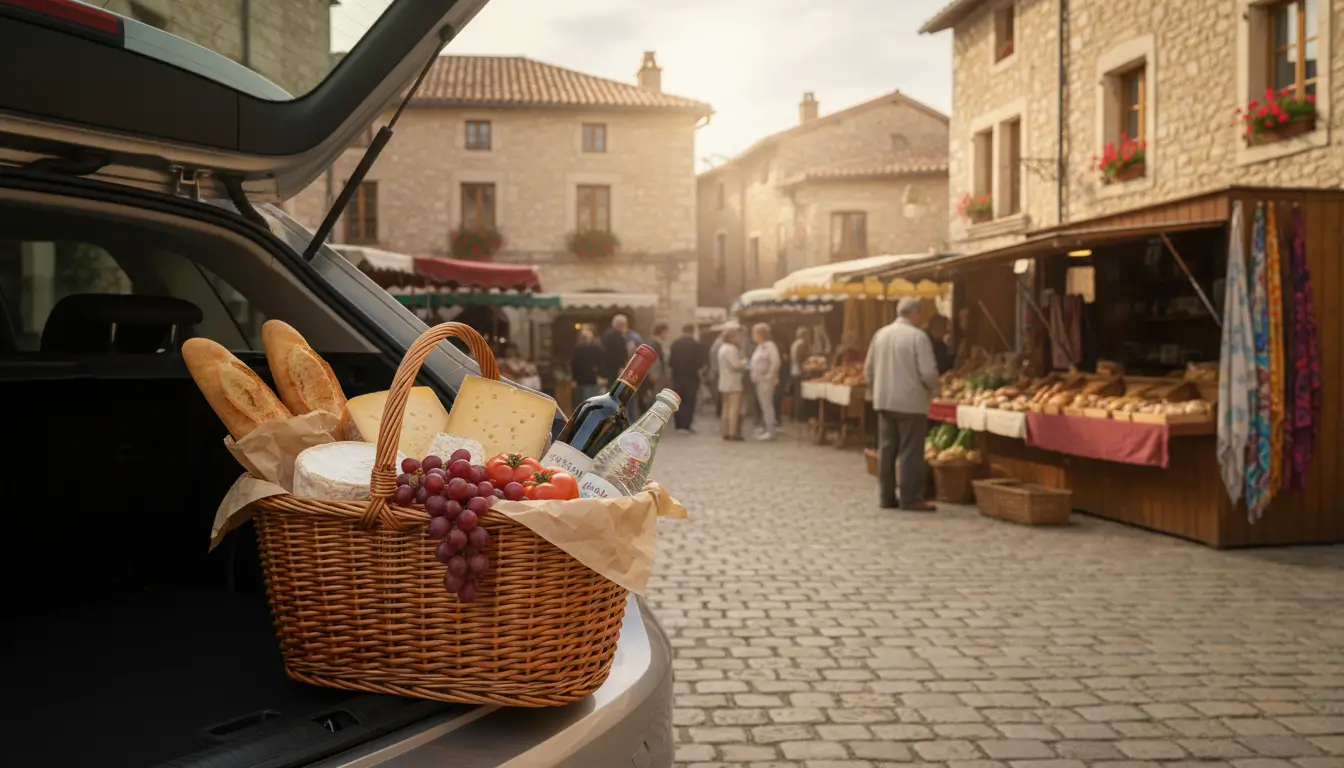
- Take groceries with you for the first day so you don’t immediately have to visit an expensive motorway supermarket.
- Use a refillable water bottle to limit the cost of drinks on the road.
- Book accommodation with free parking.
- Look for free sights, such as city walks, parks or beaches.
- Fuel is often cheaper at unmanned petrol stations or just off the motorway.
Exchange rates and payments abroad
If you are travelling to a country outside the eurozone, such as Switzerland or the United Kingdom, you will have to deal with exchange rates. The rate determines how much you get locally for your euros. Paying by debit or credit card is usually cheaper than withdrawing cash, because banks charge fees for cash withdrawals in a foreign currency. Check your bank’s terms and conditions before departure to avoid unexpected transaction fees.
Making a realistic estimate of total costs
You can draw up a good travel budget in a few logical steps. This gives you a complete and reliable picture of the expenses you can expect.
- Decide on your route and travel duration: Plan your rough route and the number of days you will be away.
- Calculate the fixed travel costs: Use a route planner to estimate the costs of fuel, tolls and vignettes.
- Estimate accommodation costs: Look up average prices for the type of accommodation you want and multiply this by the number of nights.
- Set a daily budget: Decide on an amount for daily expenses such as food, drink, parking and activities.
- Add a category for unforeseen expenses: Reserve around 10% of the total budget for unexpected situations.
‘ “It doesn’t impose limits, but instead gives you the freedom to fully enjoy everything you encounter along the way.” ’
Heading off on your driving holiday with confidence
Thorough financial preparation lays the foundation for a relaxed trip. It doesn’t impose limits, but instead gives you the freedom to fully enjoy everything you encounter along the way. With a clear overview of the costs, you can make conscious choices that match your wishes and budget. This way, your trip becomes not only a wonderful experience but also a financially sensible decision.