 NL
NL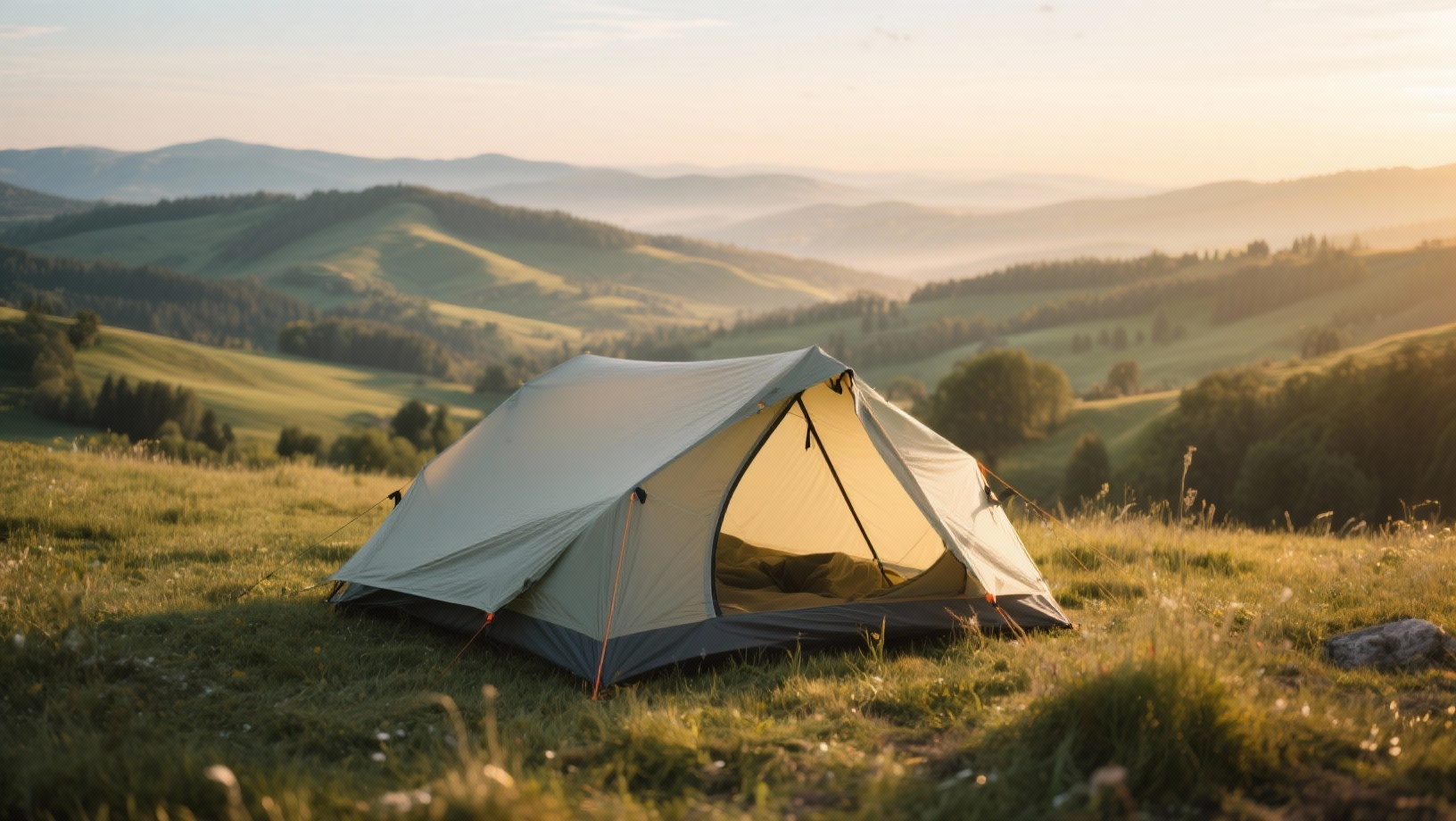
Wild camping in Europe remains prohibited in most countries, unless you have permission from the owner or make use of specific exceptions. Scotland permits camping on public land under the right to roam principle, while France tolerates short overnight bivouacs in mountainous areas. Germany, Italy, and Croatia generally enforce strict prohibitions with local exceptions. Do you want to avoid fines and still camp comfortably? Discover the rules that apply in each country below.
What exactly does wild camping mean?
Wild camping involves spending the night in a tent, bivvy bag, or sleeping bag in a location not designated as a campsite. In almost all European countries, this is not permitted without the landowner’s permission. A few countries make exceptions for emergency bivouacs, allowing you to stay for a maximum of one night in a remote spot, far from inhabited areas.
When wild camping, you must take local rules into account. These vary by region, province, or municipality. Apps such as Park4Night and iOverlander help you find suitable spots, but always check whether camping is genuinely permitted there.
‘ This law gives you the right to camp almost anywhere on undeveloped land, provided you act discreetly. ’
Scotland offers the most freedom
Scotland is an exception within Europe with its Scottish Outdoor Access Code. This law grants you the right to camp almost anywhere on undeveloped land, provided you act discreetly. You may pitch your tent for a maximum of two or three nights in the same spot. However, stay away from private gardens, cultivated farmland, and buildings.
The Highlands are a popular destination for wild campers. The area around Fort William and Loch Lomond attracts many visitors. Note that in some parts of Loch Lomond, specific camping zones apply between March and September. Outside these zones, you could face a fine of up to 500 euros.
What you need to know about wild camping in England and Wales
In England and Wales, the Scottish Outdoor Access Code does not apply. Wild camping is prohibited without the landowner’s permission. Some national parks, such as Dartmoor, previously allowed limited bivouacking, but this is subject to regular changes due to legal challenges. Always seek permission in advance if you wish to camp here.
France tolerates bivouacking in the mountains
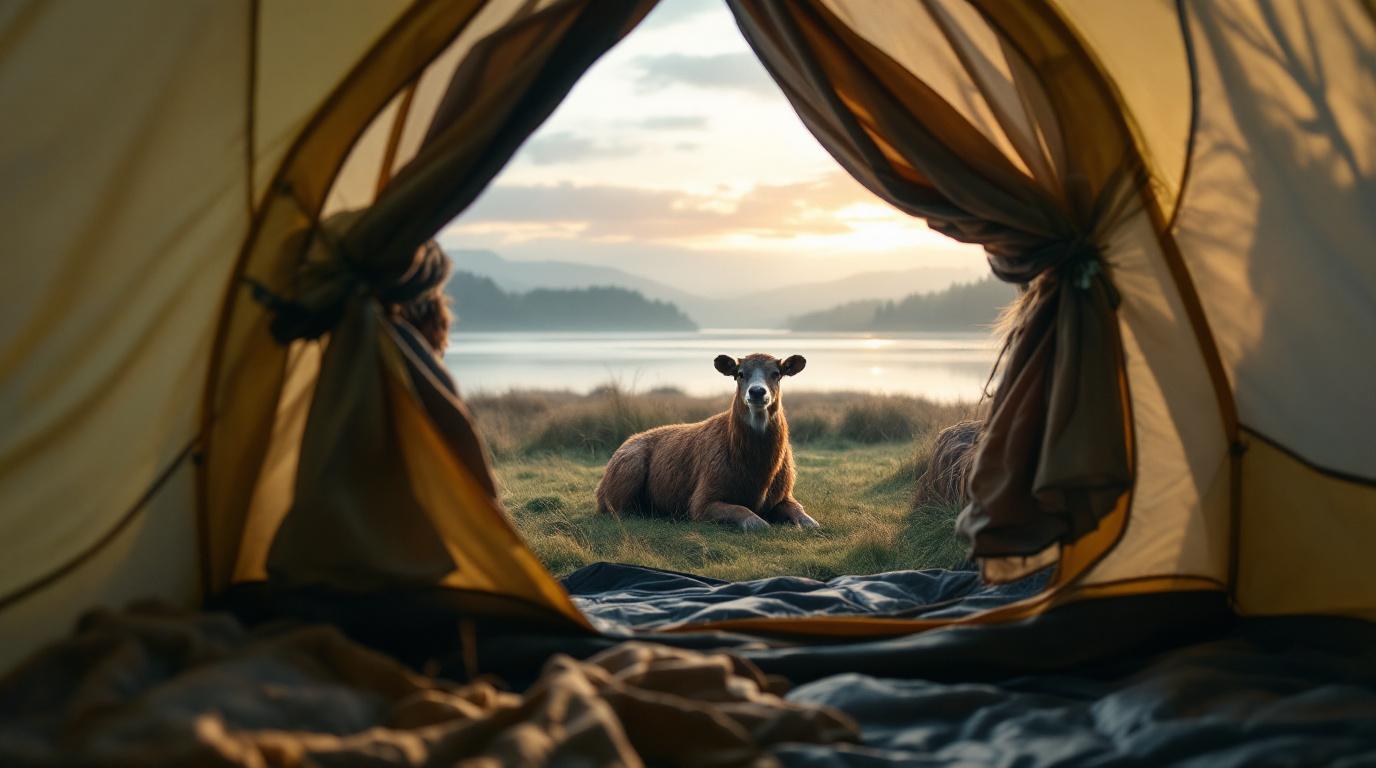
In France, wild camping is generally not allowed. However, there is a policy of tolerance for short bivouacs in mountainous areas above 2500 metres. This means you can pitch your tent after 7 p.m. and must depart before 9 a.m. Your camping spot must be at least one hour’s walk from a public road.
This policy of tolerance primarily applies in the Pyrenees, the Alps, and some national parks such as Parc National de la Vanoise. In protected natural areas, wild camping remains strictly prohibited. Fines range from 135 to 1500 euros, depending on the region and the severity of the offence.
- Bivouac between sunset and sunrise
- Stay at least one hour’s walk from roads and car parks
- Avoid national parks and coastal areas
- Adhere to the Leave No Trace principles
Germany has regional differences
Germany does not have nationwide legislation on wild camping. Each federal state determines its own rules. Generally, wild camping is prohibited, but emergency bivouacs are tolerated in some regions. This applies particularly in the Bavarian Alps and other remote mountainous areas.
National parks and nature reserves strictly prohibit wild camping. Rangers carry out regular checks, especially in popular areas. Fines range from 5 to 500 euros. If you wish to camp legally, ask local farmers for permission. Many landowners permit camping on their land, sometimes for free or for a small fee.
‘ Controls are strict, and fines range between 100 and 500 euros. ’
Italy allows limited bivouacking
In Italy, there is a general ban on wild camping. Some regions, such as Trentino, permit emergency bivouacs outside protected areas, provided you have permission. This means you can stay for one night in a remote spot without facilities.
In the Dolomites, wild camping is completely prohibited. Controls are strict, and fines range between 100 and 500 euros. If you prefer to travel through Tuscany or Umbria, inquire with local farmers whether you can camp on their land. Many landowners are willing to help travellers, especially if you show respect for their property.
Croatia enforces strict prohibition with exceptions
Croatia officially prohibits wild camping throughout the country. In practice, discreet bivouacking in remote locations is sometimes tolerated. Along the coast and in national parks such as Plitvice, the police actively patrol. Fines can be high, especially in tourist areas.
If you still wish to sleep outside a campsite, look for official bivouac zones or ask local residents for permission. Some islands and remote inland areas are more lenient, but there are no guarantees.
Scandinavia offers the Right of Public Access
Sweden and Norway have the Right of Public Access, also known as Allemansrätten. This right gives everyone the freedom to camp in nature, as long as you respect the environment. You may camp for one to two nights on undeveloped land, provided you stay at least 150 metres from houses and cause no damage to nature.
Lapland is a favourite among travellers for wild camping. The Norwegian fjords also attract many visitors. Note that private land in some parts of the Lofoten is exempt. Always respect the local nature, take your rubbish with you, and do not light fires during dry periods.
‘ Park4Night and Campercontact offer user experiences, but these do not replace official sources. ’
Tips for safe and legal camping
Always check local rules in advance via official websites or apps. Park4Night and Campercontact offer user experiences, but these do not replace official sources. Download the regulations for national parks or regional authorities in the language of the country you are visiting.
Opt for bivouac zones if they are available. Countries like Switzerland have more than 50 official bivouac spots without facilities where you can legally stay overnight. This prevents fines and provides certainty. Avoid camping in protected natural areas, near residential areas, and along busy roads.
Do you want to be sure of a spot? Then ask landowners for permission. Farmers and private individuals are often willing to help you if you are friendly and respectful. Offer to pay a small fee or help with small chores.
Alternatives to wild camping
If wild camping is not possible, ACSI campsites offer an affordable alternative. These small-scale campsites are spread throughout Europe and often cost less than 20 euros per night outside the high season. They are often located in beautiful spots with basic facilities.
Many countries also have official motorhome pitches and parking spots where overnight stays are permitted. In Spain, these are called áreas de autocaravanas. France has aires de camping car. These spots are often free or cost a few euros. They offer more certainty than wild camping.
On the Traveler Tips website, you’ll find extensive information about campsites, route planning, and local regulations. Discover useful tips for planning your road trip and read more about the most beautiful destinations in Europe.
Frequently asked questions
In Europe, wild camping is generally only truly legal in Sweden and Norway (Allemansrätten/Allemansretten) and in Scotland via the Scottish Outdoor Access Code, where you can typically stay for 1–2 nights, at a sufficient distance from houses and outside protected natural and private areas. In countries such as Germany, France, Italy, Spain, Portugal, Poland, and Austria, wild camping is generally prohibited, but a single emergency bivouac or a discreet overnight stay is sometimes tolerated, especially in mountainous areas and outside national parks. Additional rules often apply: maximum stay duration (usually 1 night), minimum 150m distance from buildings, no campfires, no groups, and no visible setup during the day. Always check regional regulations and ask for permission from the landowner or local authorities if in doubt.
Always check the official websites of governments and nature management organisations (e.g., national parks, forestry commissions, tourism boards) for the countries and regions you wish to visit. Additionally, use specialised apps and platforms such as Park4Night, iOverlander, Campercontact or Wildkamperen.be, but always verify the information with an official source. Search in the local language for terms like “wild camping regulations”, “bivouac”, “Allemansrätten/Allemansretten”, or the name of the national park with “overnight stay”. On-site, request additional confirmation from local tourist information offices, ranger stations, or landowners to ascertain recent changes and local exceptions.
Yes, even in countries where wild camping is (freely) permitted, restrictions often apply, such as minimum distance from houses or villages, a maximum number of nights (e.g., 1–2 nights), and prohibition in protected natural areas or national parks. Open fires are often subject to additional rules or temporarily banned altogether, especially during dry periods. There may also be local or regional exceptions, for example, stricter rules along the coast, in popular tourist areas, or specific provinces/regions. Therefore, always check current local regulations and any required permits before pitching your tent.
Fines for illegal wild camping in European countries generally range from approximately €5 to over €1500, depending on the country, region, and severity (for example, in protected natural areas or for repeat offences). In addition to monetary fines, expulsion by police or forest rangers, confiscation of equipment, or an official warning may occur, especially in countries with strict national bans such as Spain, France, and parts of Germany and Italy. In countries with a tolerance or access system (such as Sweden, Norway, and Scotland), sanctions usually remain limited to low fines or warnings, as long as local rules and nature are respected. In tourist hotspots, coastal zones, and national parks, controls are stricter and fines are often at their highest.
Legal alternatives to wild camping that offer a comparable nature experience include simple bivouac zones and designated pole-camping sites, where you can stay overnight in the heart of nature with minimal facilities. Small nature or farm campsites also often provide a quiet, natural environment with few pitches and limited amenities. In mountainous regions, official bivouac sites along hiking trails (e.g., near huts or in designated zones) are a good alternative. Furthermore, with permission from private landowners, you can sometimes camp on their land, which feels almost identical to wild camping.