NL
NL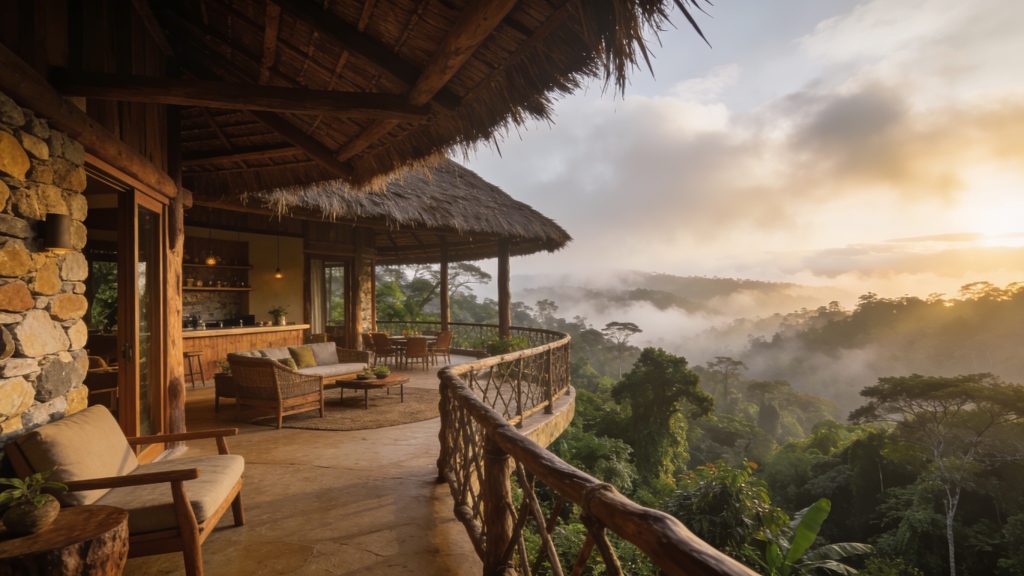
South American ecolodges combine immersion in nature with an active contribution to conservation. From puma watching in Patagonia to coffee plantations in the Colombian Andes, these accommodations offer both comfort and purpose. You stay right in the middle of protected ecosystems, contribute to local conservation projects and learn about biodiversity. Ideal for the conscious traveller who looks beyond just a place to sleep.
Why choose an ecolodge in South America
South American ecolodges stand out because of their direct impact on nature conservation. The money you pay for your stay funds conservation projects, creates jobs for local communities and supports research into threatened species. Many lodges are located in biodiversity hotspots that you would not easily reach as an individual traveller. By staying in an ecolodge you become part of something bigger: tourism that contributes instead of merely consuming.
The location makes the difference. Think of cloud forests in Colombia where more than 90 bird species live, or remote parts of Patagonia where you observe pumas in their natural habitat. These lodges apply strict sustainability principles such as solar power, water recycling and minimal construction impact. Many accommodations are small-scale with only four to ten units, which creates peace and privacy.
Rainforest accommodation in Colombia
Colombia offers accessible ecolodges in the Andean region, often one to two hours’ drive from cities such as Medellín and Salento. Cannúa Lodge in Antioquia is the country’s first luxury eco-boutique. You stay in cabañas with floor-to-ceiling windows and a jacuzzi, right in the middle of a cloud forest. Birds wake you instead of an alarm clock. The lodge contributes to protecting the surrounding forest and supports local bird research projects.
In the Coffee Triangle you will find KAWA Mountain Retreat near Salento. This lodge consists of tents with panoramic views of the wax palms of the Cocora Valley. Wax palms grow up to 60 metres tall and are protected. The lodge works together with llaneros, traditional cattle farmers who have managed the landscape for generations. Activities include:
- Birdwatching with guides who know every species by name
- Walks through coffee plantations with explanations about sustainable cultivation
- Visits to local communities that protect wax palms
Patagonian conservation in practice
Estancia Cerro Guido is located in Torres del Paine, Patagonia. This former sheep farm has transformed into a conservation project focused on pumas. Pumas are top predators that keep the ecosystem in balance, but for a long time they were seen as a threat to livestock. The lodge offers tracking excursions where you observe pumas without disturbing their natural behaviour.
The accommodation combines comfort with authenticity. You sleep in renovated farm buildings with open fireplaces and views of the mountain range. Guides are often former rangers or biologists who explain how conservation and tourism reinforce each other. You learn about territorial behaviour, prey choice and how cameras are used for population monitoring. The proceeds fund research and compensation programmes for local farmers.
Alternative ecolodge experiences
Not every lodge is in the rainforest. Costa Rica has treehouse accommodations such as Treehouse Lodge and Pacuare Lodge. The latter deliberately has no electricity and uses candlelight. You reach the lodge by canoe along a river. This minimises the ecological footprint and maximises the experience of nature. Guided walks reveal rainforest fauna that stays hidden during the day.
Peru offers a unique variant with Skylodge in the Sacred Valley. These are glass capsules that hang on a steep rock face at a height of 400 metres. You reach them via ziplines or by climbing. This extreme form of ecolodge leaves no trace on the ground and offers 360-degree views. It combines adrenaline with low-impact tourism, which is attractive for travellers who are looking for something different from traditional nature accommodation.
‘ This educational component makes the difference between staying passively and actively learning. ’
Activities that support sustainability
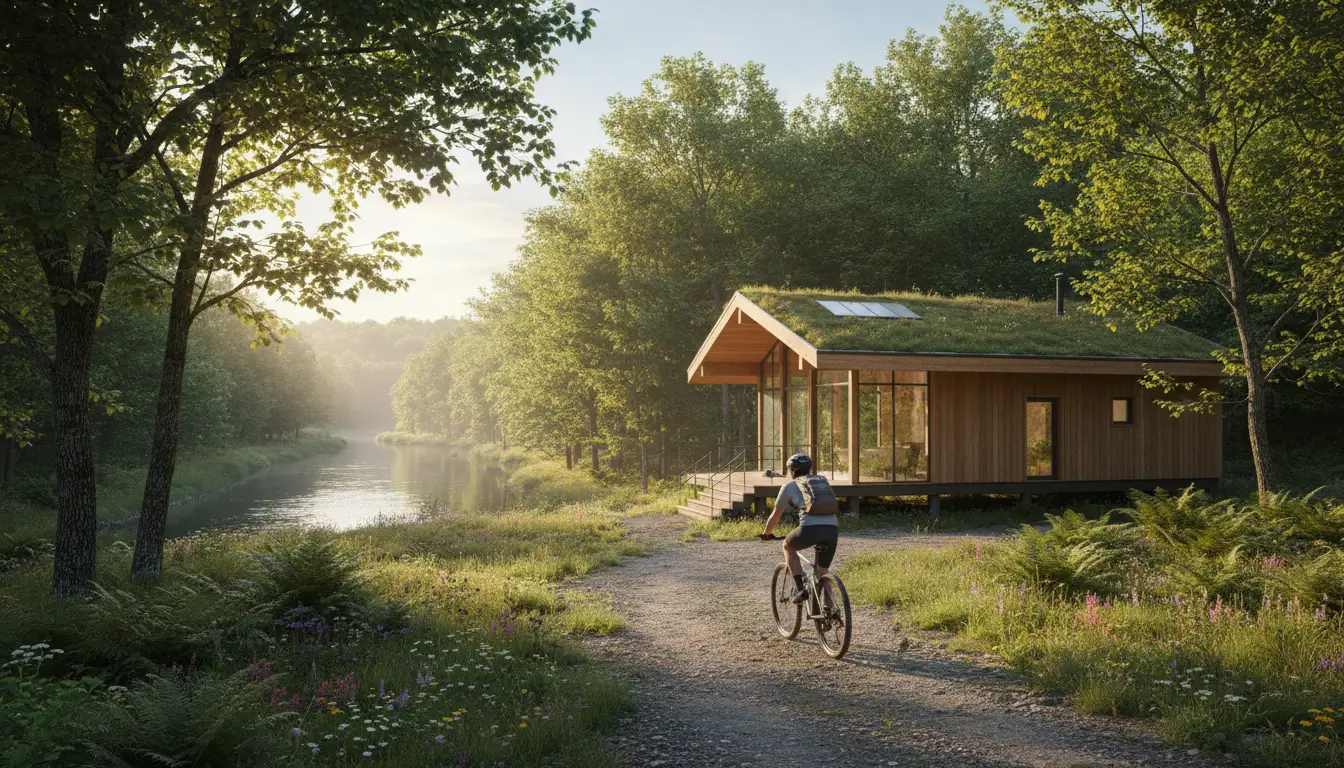
Modern ecolodges develop activities that go beyond hiking and watching. E-biking is popular in mountainous regions such as the Andes. You cover greater distances without emissions, reach remote villages and learn about local farming methods. Some lodges offer balloon flights at sunrise over cloud forests or grasslands. The silence gives you a unique experience. The bird’s-eye view lets you see the scale of the protected areas.
Desert ecolodges introduce you to extreme environments with guidance. Think of dry high plateaus in Argentina or Peru. You learn about water extraction in arid conditions. You discover native plant species that have adapted. You see how communities survive with minimal resources. This educational component makes the difference between staying passively and actively learning.
Practical preparation and booking tips
Book early, especially for the dry seasons from June to October. Many lodges have limited capacity and fill up months in advance. Check whether the accommodation holds certifications such as Certification for Sustainable Tourism. These guarantee that environmental claims are backed up by audits and measurable objectives.
Bring specific gear. Binoculars are essential for bird and wildlife watching. A rain poncho and insect repellent should always be in your backpack. Many lodges are in areas without air conditioning or heating, so check the climate and clothing advice beforehand. Some accommodations use an all-inclusive model in which meals and activities are included, others charge per item. Clarify this when booking to avoid surprises.
Accessibility varies greatly. Colombian lodges are often relatively easy to reach by car, whereas Patagonian locations require domestic flights or long drives. Factor in transfer costs and travel time. Some lodges organise shared transport from a central location, which saves money and reduces the ecological footprint.
Aligning budget and expectations
Prices range from around 100 euros per night for basic ecolodges to more than 300 euros for luxury options with guides and full programmes. Consider what is included. A higher price often means professional guides, meals with local ingredients and a direct contribution to conservation projects. Cheaper options sometimes offer accommodation only, in which case you arrange activities and cooking yourself.
Do not expect hotel-style luxury. Off-grid stays mean limited electricity, running water at set times and basic facilities. This is part of the low-impact philosophy. Read reviews from other travellers who have similar expectations. Look for feedback on the actual conservation aspect, not just the comfort. Some accommodations call themselves an ecolodge without a substantial sustainability policy, so check what concretely happens with the money you pay for your stay.
‘ In fragile areas such as coral reefs or deserts, every misstep can cause lasting damage. ’
Contributing to conservation during your stay
Your role goes beyond paying and enjoying yourself. Many lodges ask you to actively take part in small management tasks. Think of planting native trees, cleaning natural areas or helping with bird surveys. These activities are optional but give you direct insight into how conservation works. You see what is needed to maintain an ecosystem and learn about threats such as invasive species or climate change.
Follow the guidelines of the guides strictly. Keeping your distance from wildlife, not leaving the paths and not leaving any rubbish behind are basic rules. In fragile areas such as coral reefs or deserts, every misstep can cause lasting damage. Guides explain why these rules exist and what happens when tourists ignore them. You take this awareness with you on future trips.
Discover more on Traveler Tips
On the Traveler Tips website you will find extensive information about nature holidays, sustainable destinations and how to plan your trips more consciously. From regulations around protected areas to practical packing tips for remote locations, we help you prepare for journeys that are both enriching and responsible. Discover more routes, destinations and planning tips that match your travel style.
Frequently asked questions
Plan your trip by first choosing a region (e.g. Andes or Amazon) and selecting ecolodges that are 1–2 hours’ drive from a larger city (such as Medellín or Salento), so that you can arrange the final kilometres by shuttle, taxi or 4×4 provided by the lodge itself. Combine train or plane for the long distances between countries/cities with a hire car for your road trip along several lodges, and schedule rest days between travel days. Check for each lodge how accessible it is in the rainy season, the road conditions, required vehicles (4×4) and departure times of transfers, because many lodges are remote and only accessible during daylight. Logistical challenges include poor or unpaved roads, limited public transport connections, higher transfer costs and having to fix arrival and departure times in advance due to limited capacity and daylight.
You can expect comfort ranging from basic off-grid (candlelit bungalows or tents without air conditioning) to luxury eco-boutique with jacuzzi, glass capsules and floor-to-ceiling windows overlooking cloud forests or valleys. Unique nature experiences vary from waking up to dozens of bird species, sleeping in the middle of the rainforest or a cloud forest, to adventurous capsules against steep rock walls or glamping in the Amazon. Choose a lodge that suits your travel style by deciding how much comfort you need, how adventurous your transport and location may be, and whether you want many organised activities (guided walks, wildlife tours) or mainly peace and quiet. Also pay attention to sustainability labels, included meals/activities and reviews about the atmosphere (silence, family-friendly, romantic) to find the ecolodge that suits you best.
Assess authenticity and sustainability by looking at recognised eco certifications, transparent information about energy and water use, waste management, building materials and the extent to which the lodge supports local staff and projects. Check whether the lodge is genuinely located in or next to a protected natural area and works with local communities, rather than just advertising with “eco”. Questions to ask include: “Which official sustainability labels do you have?”, “How do you limit your environmental impact (energy, water, waste, plastic)?”, “How many of your staff come from the immediate area?” and “How do you concretely support conservation and local projects?”. Also ask: “What do you advise guests not to do because it is harmful to nature or culture?” – an honest and concrete answer is often a good sign.
A realistic budget for a South American ecolodge is roughly between €100 and €300 per night per person, often including meals and some activities; for transport (local transfers, shuttles) you should add around €20–€60 per day. In total you often end up between about €150 and €350 per person per day for lodge, activities and transport together. You will generally find the best value for money in countries such as Colombia, Peru and parts of Brazil, where luxury ecolodges are still relatively affordable compared with, for example, Costa Rica. When booking, look for packages in which excursions and meals are included and for recognised sustainability labels, so you do not pay extra for every separate activity.
Essential are a light packing list with breathable, quick-drying clothing in layers, a rain poncho, good walking shoes, head torch, power bank, binoculars and sufficient insect repellent with DEET. Take a compact first-aid kit, oral rehydration salts, plasters, painkillers, tick remover and any personal medication plus copies of prescriptions. Get advice beforehand about required vaccinations (including yellow fever, hepatitis A/B, DTP) and malaria prophylaxis, depending on the country and area. Protect yourself extra against mosquitoes on the spot (long sleeves at sunrise/sunset, mosquito net, DEET) and drink only safe (filtered or bottled) water.