
 NL
NL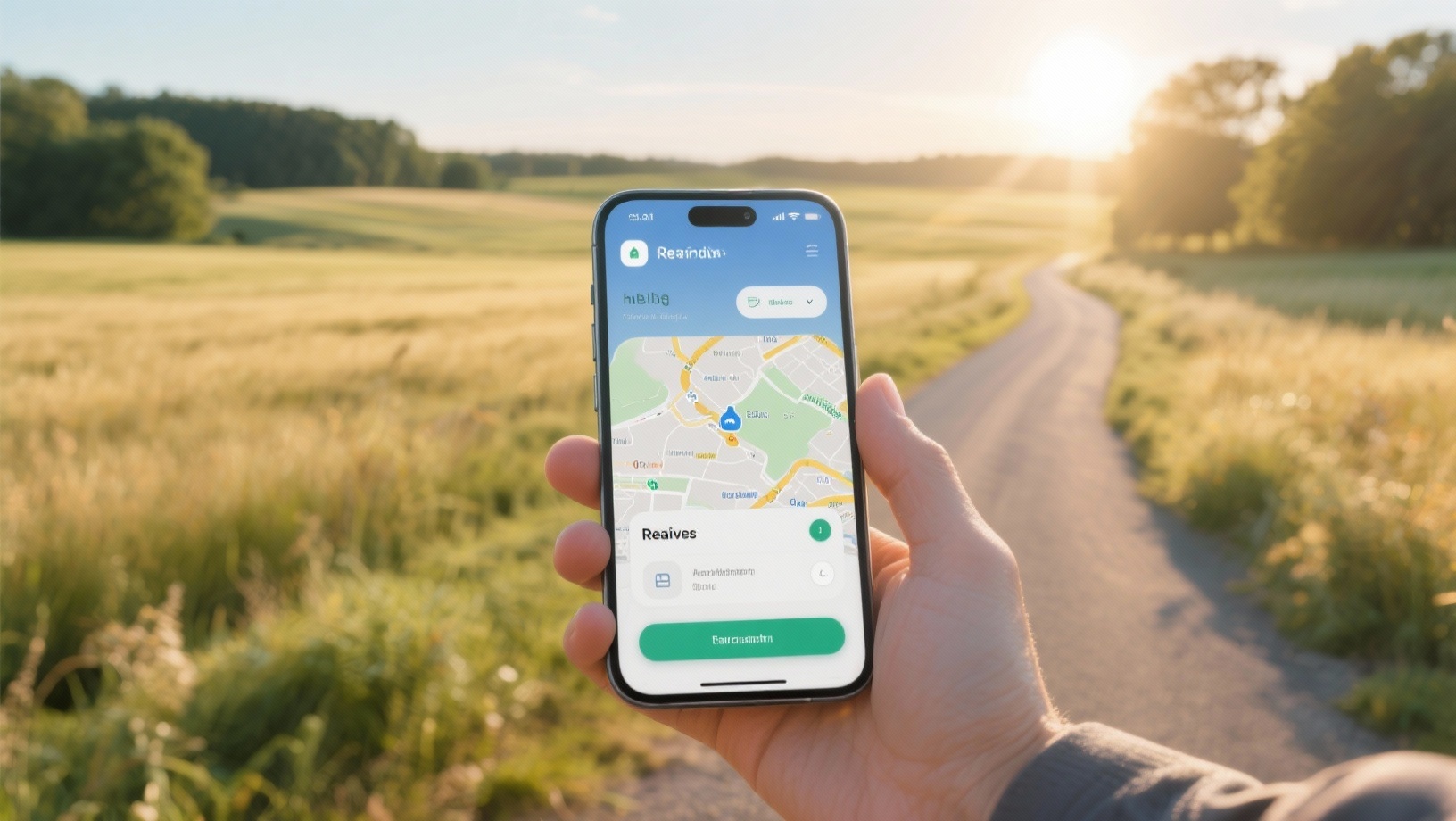
Good preparation with the best breakdown assistance apps and emergency numbers for travellers is the foundation of a carefree and well-organised road trip. The difference between an annoying interruption and a quickly resolved inconvenience often lies in the details of your preparation. Read on and discover how, with a few simple steps, you can always get the right help, anywhere, even if you’re offline.
The right apps: your digital rescue in case of a breakdown
In an era where the smartphone is an indispensable travel companion, apps offer a direct and efficient way to call for help. Most major breakdown assistance services have their own applications specifically designed for emergencies. The big advantage of these apps is the built-in GPS functionality. With a single tap, you can share your exact location with the emergency centre. This is particularly useful when you’re driving on a remote road or don’t speak the local language. The app transmits the coordinates, preventing guesswork and communication problems.
Apps from providers like ANWB Wegenwacht, Allianz or Eurocross Assistance often offer more than just location tracking. You can use them to monitor the status of your assistance request, see what time the mechanic is expected, and contact the assistance service directly. Make sure to install and log into your breakdown assistance service’s app before departure. This way, you can be sure everything works when you need it.
Navigation apps as an additional tool
In addition to specific breakdown assistance apps, your standard navigation apps are also an important tool. Apps such as Google Maps, Waze, and HERE WeGo have features that come in handy during a car breakdown. The most important is the ability to save maps offline. If you get stranded in an area without mobile reception, you can still determine your location with an offline map. Note down the nearest town, the road number, or even the GPS coordinates you can find in the app. This information is valuable for an assistance service.
‘ For efficient handling, it’s important to have the correct numbers readily available. ’
More than just 112: which emergency numbers should you save?
Everyone knows the European emergency number 112 for police, fire brigade, and ambulance. However, this number is not intended for breakdowns without injury. For efficient handling, it’s important to have the correct numbers readily available. Don’t just save these numbers in your phone, but also keep them in a physical location in the car.
Save the following numbers in your contact list, preferably with the country code +31 in front. This way, you can call directly from abroad without having to adjust the number.
- Breakdown assistance service: The direct number for the emergency centre of your breakdown assistance service. This is the most important number in case of a car breakdown.
- Travel insurance: Your travel insurance’s emergency centre is not only for medical emergencies but can also offer support in case of serious breakdowns or accidents.
- Bank or credit card company: A separate number to immediately block your payment cards in case of loss or theft.
- Home contact person: A family member or friend who is aware of your travel plans and can arrange matters from the Netherlands if necessary.
Offline preparation: what if technology fails you?
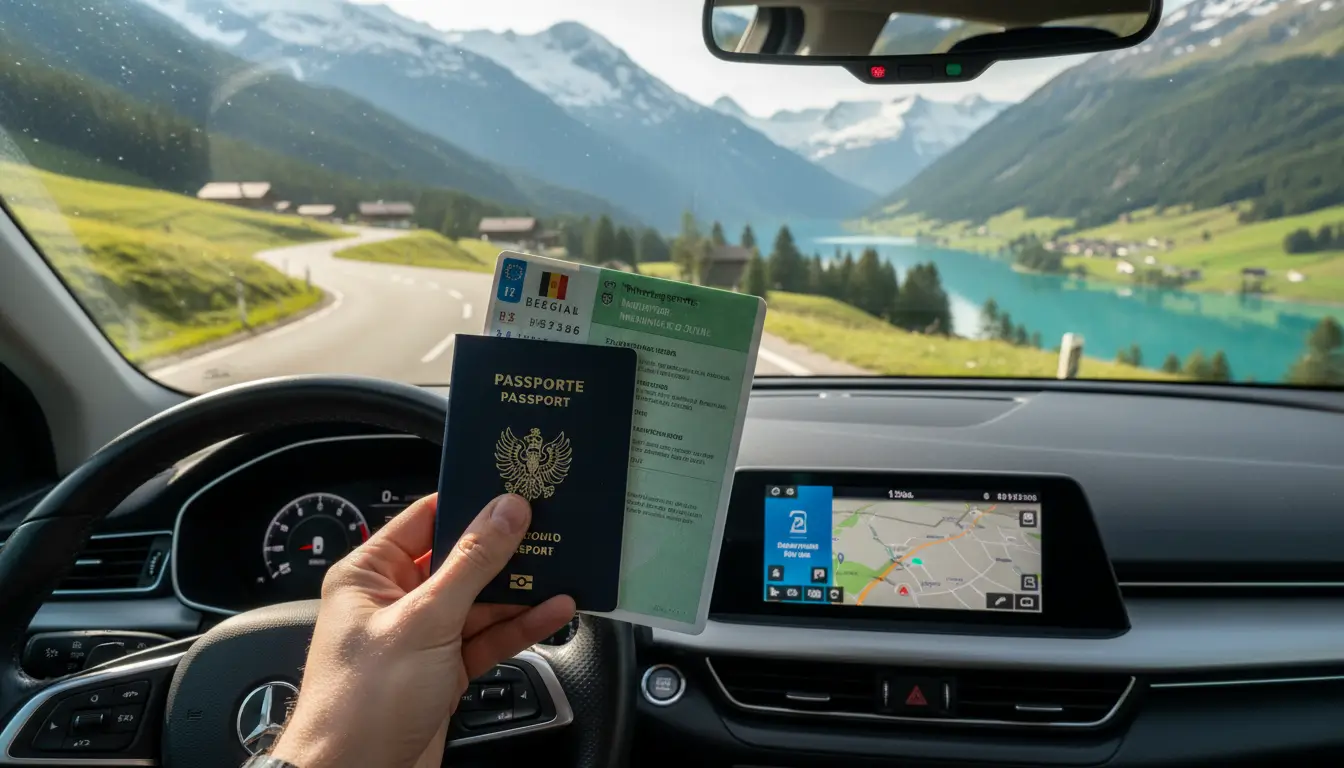
A flat phone battery or poor network coverage can render your digital preparations useless. Therefore, an analogue backup is a smart part of any travel plan. A simple sticker or a card in your glove compartment or behind the sun visor can help you in a stressful situation.
Make sure the following information can be found in this place:
- Policy numbers: Note down the policy number of your breakdown assistance and travel insurance. Emergency services always ask for this.
- License plate and chassis number: You know your license plate, but the chassis number (also called VIN) is often harder to find. Write it down to have it at hand.
- Phone numbers: The aforementioned list of important phone numbers, including country codes.
In addition to this information, also check the mandatory safety equipment in your car. Think of a warning triangle, safety vests for all occupants, and a first-aid kit. In some countries, additional items such as a fire extinguisher or spare bulbs are mandatory. Check the rules for each country you visit or pass through.
Share your location with precision
When you call an assistance service, the question “Where are you?” is the first and most important. Along a motorway, you can read a kilometre marker, but on B-roads or abroad, it’s more difficult. Know how to find your location’s GPS coordinates on your smartphone. In Google Maps or Apple Maps, you can drop a pin on your current location, after which the coordinates become visible. An app like What3Words divides the world into three-by-three-meter squares and gives each square a unique combination of three words. This is an accurate and easy-to-communicate way to share your location.
Good preparation for a breakdown on the road doesn’t have to be complicated. With the right apps, a comprehensive list of emergency numbers, and a clever offline backup, you’ll be prepared for most situations. This way, you can start your journey with peace of mind, knowing that help is always within reach.
On the Traveler Tips website, you’ll find more practical information for planning your ideal car or train journey. Discover our comprehensive guides on the most beautiful routes, mandatory equipment per country, and smart planning tips. Browse the rest of our website for complete travel advice and proven tips.
Frequently asked questions
The most reliable breakdown assistance in Europe is usually your own car insurance or breakdown service from a car brand (ANWB, ADAC, Touring, etc.) with their official apps. For emergencies throughout Europe, use the general emergency number 112, which works from mobile phones even without credit. In many countries, 112 is linked to eCall in modern cars, automatically calling emergency services in serious accidents. Before departure, check which breakdown organisation your policy covers and specifically install their app with offline-saved emergency numbers.
First, check if the service operates in the country or countries you’ll be driving in, and if it offers 24/7 assistance, replacement transport, and repatriation. Note whether your vehicle type (e.g., motorbike, campervan, electric car, or trailer/caravan) is explicitly covered and if there are maximum vehicle age or mileage restrictions. Compare subscription and pay-per-use options based on price, excess, coverage area (NL, Europe, world), and extras such as a replacement car, hotel, or onward travel guarantee. Finally, check reviews in your language and from travellers with similar destinations and vehicles to assess reliability and response time.
The tool could not find sufficient information to provide a detailed answer to the question about essential functions in a breakdown assistance app, especially in areas with limited connectivity. The available sources were limited in number and diversity. Therefore, an answer is not possible.
Yes, there are apps that cover general travel emergencies and sometimes medical assistance in addition to vehicle-related problems. These are often broader travel or assistance apps that integrate emergency numbers, medical helplines, and sometimes direct connections with emergency services. Coverage and conditions vary per provider and per country. Therefore, it is important to check for each app exactly what types of emergencies are included.