 NL
NL
A successful holiday with an electric vehicle (EV) in the mountains and hills depends on good preparation and smart use of technology. With the right planning, an electric car is a comfortable and efficient travel partner in mountainous terrain. The silence of the motor and the smooth pulling power intensify the driving experience. Discover how to optimally utilise the unique advantages of your electric car and smoothly overcome challenges.
Why your electric car truly excels in the mountains
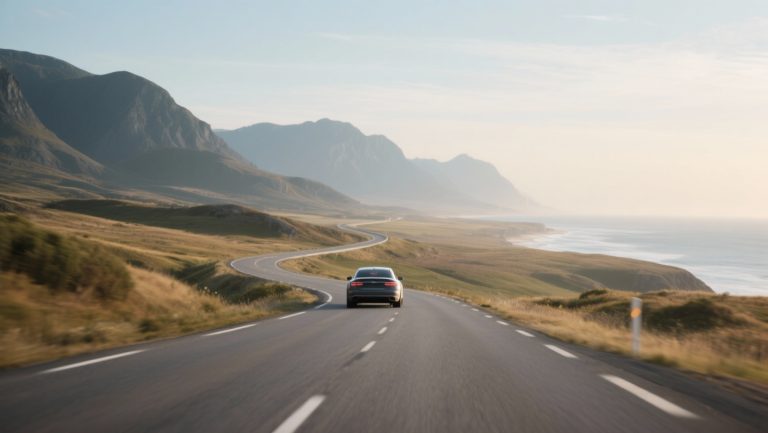
Many people think that mountains and electric cars are a tricky combination, but the opposite is true. An EV has characteristics that are perfectly suited to hilly and mountainous terrain. The main asset is its immediate and constant pulling power. Where a combustion engine needs to shift gears and rev, an electric motor delivers its full power from a standstill. Steep slopes and hairpin bends can therefore be tackled effortlessly, without the sound of a roaring engine. This ensures a quiet and relaxed ride, allowing you to enjoy the surroundings more.
The greatest advantage reveals itself during descents. Electric cars feature regenerative braking: a system where the car recovers energy as soon as you release the accelerator pedal or press the brake. The electric motor then functions as a dynamo and recharges the battery. In the mountains, you enhance this effect by putting the car in B-mode — a special braking mode that provides extra strong regeneration — or by using the ‘one-pedal-driving’ function, which allows you to control the car primarily with one pedal, with the motor automatically braking. The car then brakes strongly using the motor. The result is a double win: you save your physical brakes and you gain free energy. It is not uncommon to arrive at the valley bottom with a fuller battery after a long descent than you started with at the top.
‘ A well-thought-out charging strategy is the key to a relaxed journey. ’
Good planning is half the battle: range and charging
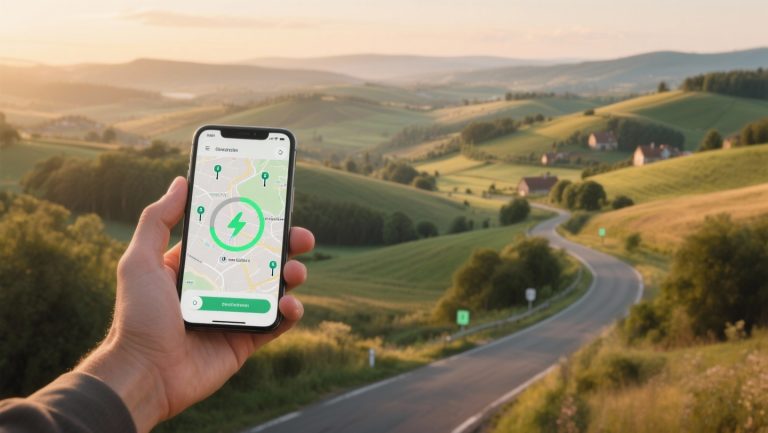
The biggest concern for EV drivers in the mountains is range. It is a fact that driving uphill consumes a lot of energy, causing the estimated range to decrease rapidly. This is a normal and predictable phenomenon. Good preparation prevents surprises and charging anxiety. Fortunately, excellent tools are available to help you plan a realistic route. Specialised route planners for electric cars, such as A Better Routeplanner (ABRP), take into account elevation changes and calculate the extra consumption. This gives you a reliable picture of where and when you need to charge.
The charging infrastructure in popular holiday countries like Austria, Switzerland, and Northern Italy has improved significantly in recent years. Fast chargers are generally well represented along the main roads in the valleys. On the mountain passes themselves, charging points are scarcer, so it is wise to adapt your route and charging stops accordingly.
Tips for planning your charging stops
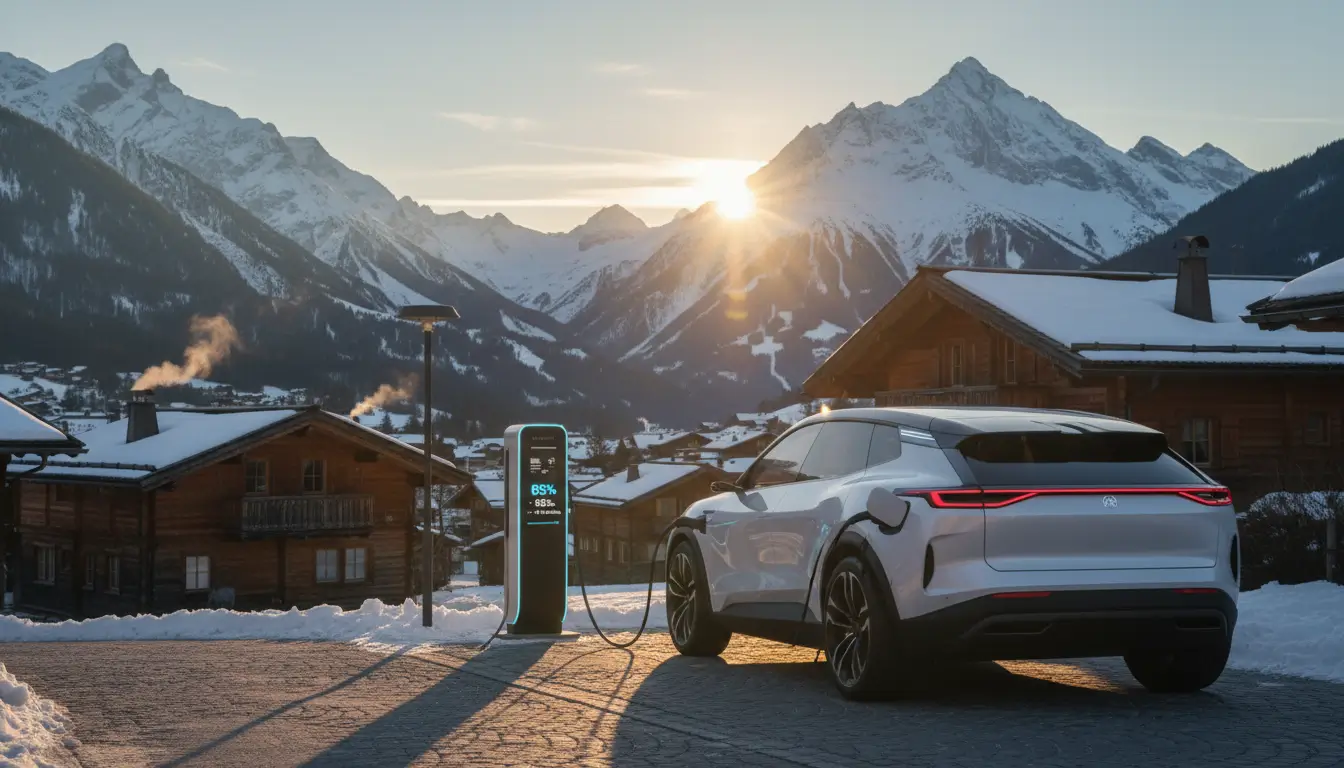
A well-thought-out charging strategy is the key to a relaxed journey. With the following points of attention, you will be well prepared at the start of every mountain stage.
- Start with a full battery: Always begin a long or steep climb with as full a battery as possible. Fully charge the car at the foot of a mountain pass, for example in the village in the valley.
- Plan alternatives: Don’t rely on a single charging point. Always ensure you have two or three alternative charging locations nearby in case a charging point is occupied or out of order. Apps like PlugShare provide current information on availability.
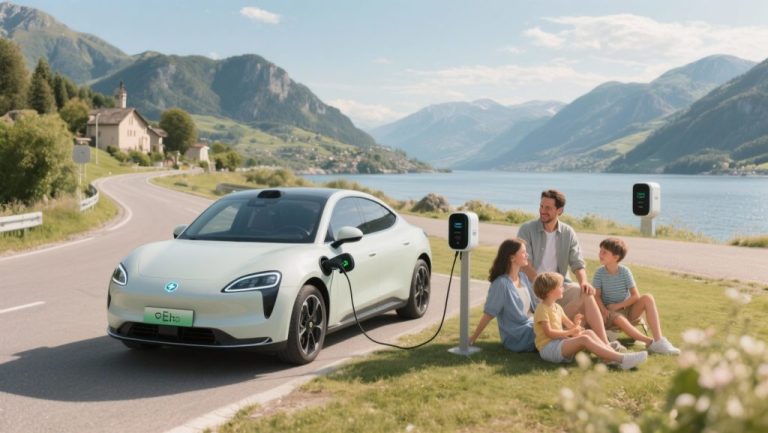
- Choose your charging spot wisely: Charging stations are often found near valley stations of ski lifts, supermarkets, and hotels. Plan your charging moment during a lunch break or a walk.
- Enquire at your accommodation: When booking your hotel or apartment, ask if a charging point is available for guests. Reserve it if possible, so you can start each morning with a full battery.
- Bring the right cables: Make sure you have a Type 2 charging cable for public charging points and a home charger for a standard socket. The latter will be your saviour if there are unexpectedly no other options, although charging with it takes a long time.
Smart driving in hills and mountains
Your driving style has a great influence on your car’s energy consumption. In the mountains, this is even more pronounced. By consciously managing your car’s power and regeneration capabilities, you significantly optimise your range. A smooth and anticipatory driving style is safer and more efficient.
Uphill: controlled and efficient
An electric car, with its rapid acceleration, invites spirited driving, but on a mountain pass, a controlled approach is wiser. There’s no need to demand full power. The car has more than enough strength to climb smoothly and briskly. Try to maintain a constant speed and avoid abrupt acceleration and braking. Drive with the flow of traffic and let the car do the work. This helps keep consumption under control and increases the predictability of your range.
Downhill: the art of regeneration
During descents, you largely recover the ‘lost’ energy from the climb. Make maximum use of your car’s regenerative braking power. Engage B-mode or set the regeneration level as high as possible. This causes the car to slow down automatically as soon as you release the accelerator pedal. You will barely need to use the physical brakes, which prevents wear and tear and overheating of the brakes. Anticipate bends and release the pedal in time, so the car can brake using the motor while simultaneously recharging the battery. This is the most efficient way to descend a mountain.
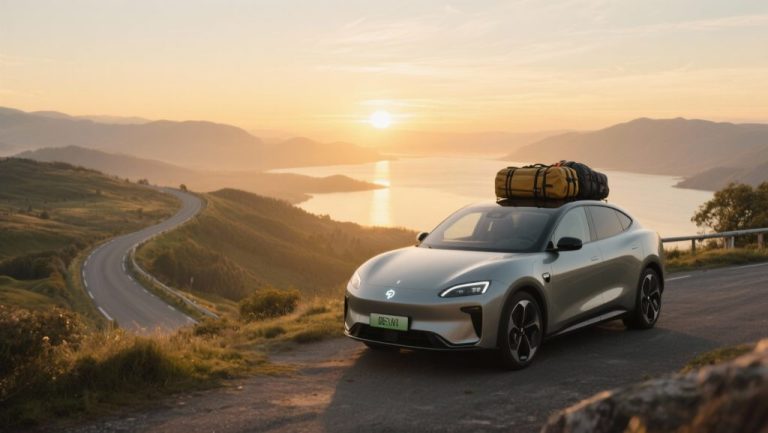
The future of travel lies in sustainable mobility, and mountains prove to be an ideal test case for electric cars. With the right knowledge and an open mind, you’ll discover that an EV gives you more freedom than you expected. Technology is developing rapidly, infrastructure is growing, and the experiences of more and more travellers confirm it: going into the mountains with an electric car is not only possible, it’s often even better. Pack your cables, plan your route, and be surprised by what your electric car can do.
Frequently Asked Questions
Plan your EV route carefully with apps like A Better Routeplanner and PlugShare, including backup charging points at the foot of mountains and in valley stations. Fully charge the battery before climbs and benefit from regenerative braking in ‘B’ mode during descents. Book accommodations with charging facilities and depart early on clear days to avoid traffic and enjoy the most beautiful views. With good preparation, a stress-free EV mountain holiday full of natural beauty is perfectly possible.
For a smooth EV trip in mountainous areas, A Better Routeplanner (ABRP), PlugShare, and Nextcharge are indispensable apps for finding reliable fast-charging points and planning your route. Charging cards for broader access are essential, and it is recommended to reserve charging spots at your destination. Plan extra charging stops at the foot of mountains and use ‘B’ mode for maximum energy regeneration during descents. Finally, check accommodations for available Wallboxes and bring a Type 2 cable for emergencies.
Driving on steep ascents significantly reduces your electric car’s range due to higher energy consumption. During descents, however, regenerative braking recovers energy, often leaving the battery fuller. Account for this by fully charging your battery before a climb and planning multiple charging points at the foot of mountains. Use apps like A Better Routeplanner for route planning and activate ‘B’ mode for maximum energy recovery during descents.
For a comfortable and safe EV holiday in the mountains, thorough preparation is essential. Plan routes carefully with multiple apps, including backup charging points, and fully charge the car before steep climbs. Reserve charging spots at your destination, bring a Type 2 cable for emergencies, and download various charging cards for wide access. Finally, check whether your accommodation has a Wallbox for easy charging.
Alpine countries such as Switzerland, Italy, and Austria are developing a growing charging network, with fast chargers along main roads and at accommodations. South Tyrol in Italy is specifically mentioned as a successful destination for EV holidays, often with the option to book a charging point at the hotel. Germany has a denser charging network than France. It is advisable to reserve charging spots in advance and check accommodations for available Wallboxes.