 NL
NL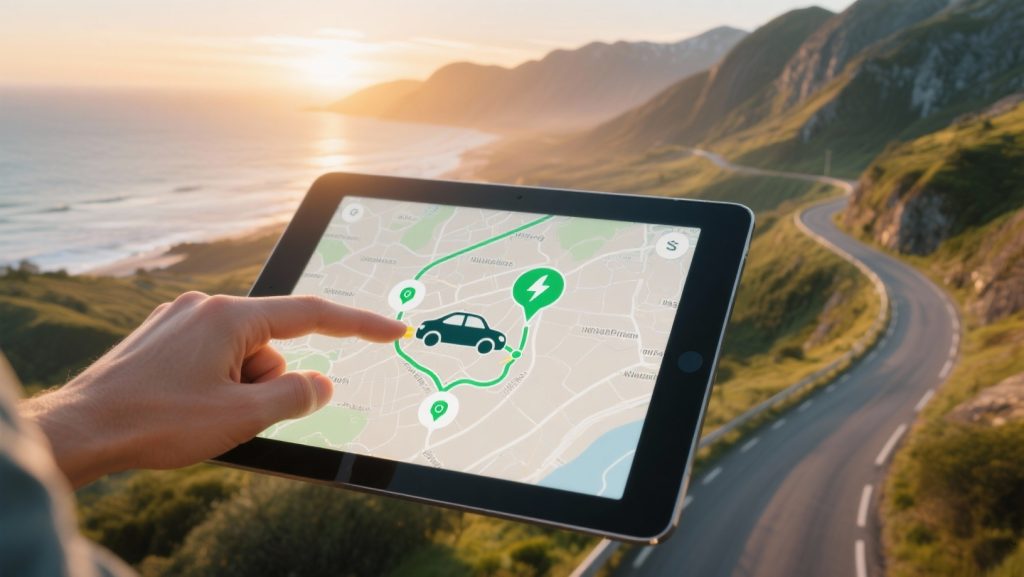
A successful car holiday with an electric vehicle relies on thorough preparation. Well-considered route planning for an EV holiday, fully integrating charging points and range, ensures a relaxed journey. The right approach and tools make it possible to meticulously plan the trip, without getting lost in apps and charging cards or experiencing range anxiety along the way.
Why Electric Route Planning Is Different
Going on holiday with an electric vehicle (EV) requires a different mindset than with a petrol or diesel car. It’s no longer just about the fastest or shortest route to your destination. An efficient route combines charging stops with breaks and takes into account the car’s range under various conditions (speed, temperature, load), the availability of rapid chargers, and the charging speed of both the car and the charging point.
‘ For preparation at home, an app like ABRP offers more control and detail. ’
Apps for EV Route Planning in Europe
There are specialised route planners that not only calculate the route but also the most logical charging stops. These are the most commonly used and reliable options:
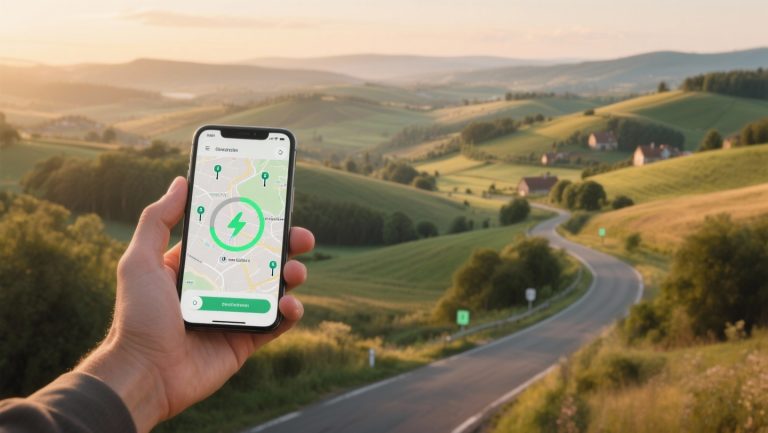
- A Better Routeplanner (ABRP): A detailed route planner where the car model, battery percentage at departure and arrival, weather conditions, and the weight of passengers and luggage can be entered. The planner provides an overview of the necessary charging stops, including the estimated charging time.
- ANWB EV Route Planner: A route planner integrated into the ‘Onderweg’ app that provides clear suggestions for charging stops. The tool is particularly useful for journeys starting in the Netherlands and offers the ability to compare different routes.
- Chargemap: Primarily a database of charging points with a route planning function. The app offers user reviews of charging points, outage notifications, and practical tips. The app is suitable as a verification tool or for finding an alternative nearby charging point when the planned one is unavailable.
- Built-in Navigation Systems: The navigation systems of car brands such as Tesla or systems running on Google (as in Polestar and Renault) integrate charge planning into the navigation and monitor live battery status. For preparation at home, an app like ABRP offers more control and detail.

Step-by-Step Guide for an EV Road Trip to Southern France
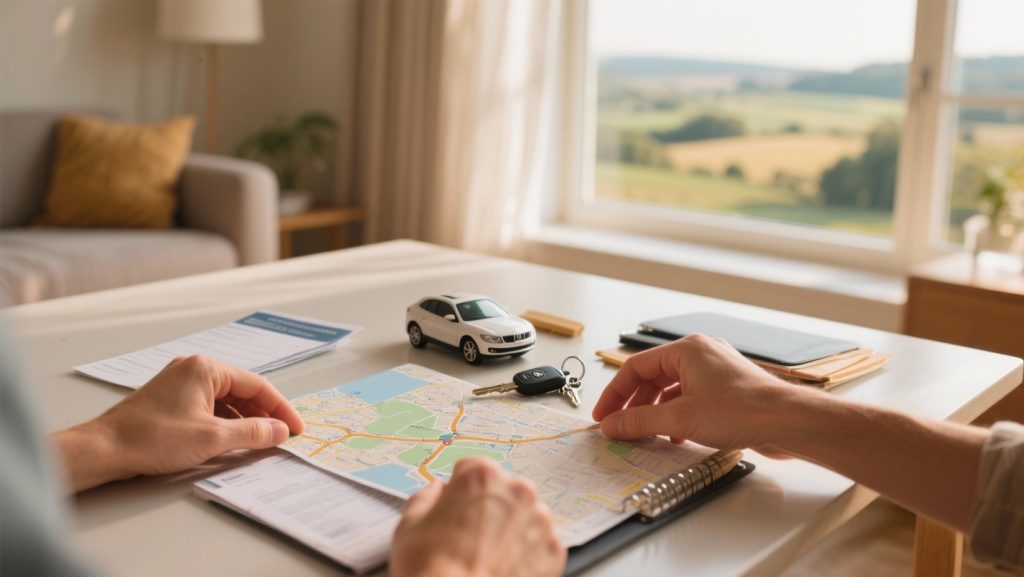
A trip to a popular destination like Southern France is quite feasible with an EV. The rapid charger network has significantly improved in recent years, especially along the Autoroute du Soleil. These steps will help with good preparation.
1. Preparation at Home
Start planning your route a few weeks before departure. Use an app like A Better Routeplanner. Enter your car, expected load, and departure and arrival State of Charge (SoC) percentages. Departing with 100% and arriving at a charging station with at least 20% provides a buffer for unexpected situations.
2. Analyse the Suggested Route
The app provides a route with charging stops. It is advisable to check the stops for logical timing, for instance, around lunchtime. Rapid chargers (at least 150 kW) from reliable networks like IONITY, Fastned, or TotalEnergies are preferred. Longer breaks can best be planned at charging stations with good facilities, such as a restaurant or a playground. A backup charging station near each planned stop is useful.
3. Check Charging Cards and Apps
The availability of the correct charging cards for the networks in the countries you plan to visit is important. A card with broad coverage in Europe (such as those from Shell Recharge or Plugsurfing) is handy. In addition, the apps of the major charging point providers can be downloaded. These apps often show current availability and tariffs.
4. Flexibility on the Road
Good planning is half the battle, but flexibility on the road remains essential. In heavy rain or strong headwinds, consumption may be higher than expected. In that case, a charging stop can be taken earlier. The navigation system provides real-time traffic information, and the plan can be adjusted accordingly.
Avoiding Common Mistakes
With good preparation, most common problems can be avoided. Pay attention to the following points:
- Relying solely on the onboard computer: The estimated range in the car is often optimistic. This serves as an indication, but the calculations from a specialised app are more reliable.
- Not considering the charging curve: An EV charges fastest between 20% and 80%. Above 80%, charging slows down considerably. More frequent, shorter charges are more efficient than one very long one.
- Overestimating charging density in Southern Europe: Although the network is growing, the number of rapid chargers in countries like Spain and Italy, especially off motorways, is still less dense than in Northern Europe. Extra careful planning is required here.
Thorough route planning for an EV holiday is the foundation for a relaxed start to your journey. It provides peace of mind and certainty, allowing you to fully enjoy the drive and the scenery. Good preparation, using the right tools, and flexibility on the road ensure that the trip goes as smoothly as the charging stops. With the right approach, a car holiday with an electric vehicle becomes a pleasant experience.
Frequently Asked Questions
Use specialised apps such as A Better Routeplanner (ABRP) or ANWB EV Route Planner to calculate routes with charging stops and times, taking into account your specific EV model and driving style. Plan ahead, especially in regions with lower charging density like Southern Europe, and always allow a 20-30% margin on your range. Choose quiet charging locations and rapid-charging networks, and consider accommodation with charging facilities to depart fully charged in the morning. Use multiple charging cards for broad acceptance across Europe and check real-time information on charging point availability via apps like ANWB Onderweg.
To optimally plan your route and prevent ‘range anxiety’ with an electric car, use specialised apps such as A Better Routeplanner (ABRP) or ANWB EV Route Planner, which take into account your car model, driving style, terrain, and weather conditions. Always allow a 20-30% margin on your range, especially in cold or mountainous areas. Strategically choose quieter charging locations and rapid-charging networks, and consider accommodation with charging facilities. Preparation is crucial: download apps beforehand, test your routes, and update your car’s firmware for a smooth journey.
To cleverly combine charging stops with sights or dining options, use specialised EV route planners such as A Better Routeplanner (ABRP), ANWB EV Route Planner, or Chargetrip, which consider range, charging times, and available charging stations. These apps can calculate the fastest route, including optimal charging stops and even show CO2 savings. Where possible, choose charging points at supermarkets or slightly off the motorway; these are often quieter and offer more opportunity for a break. Also, filter for EV-friendly accommodation with charging facilities, so you can depart with a full battery in the morning while simultaneously enjoying your stay. In Southern Europe, plan extra carefully due to the lower charging density and avoid peak times at popular charging points.
The expected costs for charging your EV during a holiday vary greatly by country and charging station, but with clever planning, you can minimise them. Use specialised apps such as A Better Routeplanner for optimal routes and charging stops, and choose accommodation with its own charging facilities to charge more affordably. Utilise various charging cards to be flexible in price and availability, and consider charging points at supermarkets instead of expensive rapid chargers along the motorway. Good preparation and testing routes in apps before departure can prevent unnecessary costs and stress.