NL
NL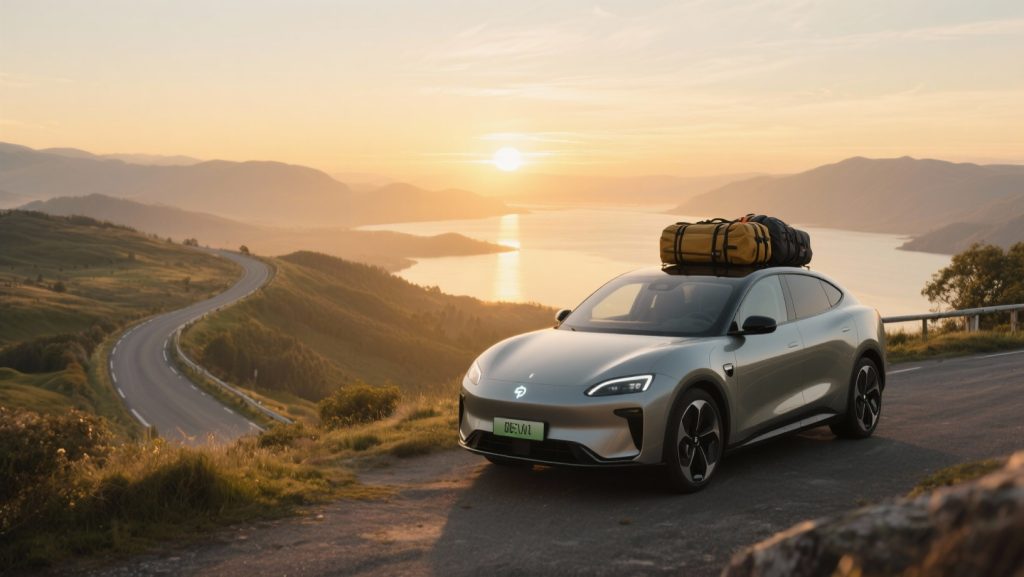
Thoughtful preparation is the best way to save money on your EV holiday, significantly reducing your charging budget. This leaves you with more money for the fun parts of your trip. The key lies in smart route planning, choosing the right charging times, and cost-effective subscriptions. Discover how clever choices before, during, and at your destination can significantly lower charging costs.
\n\nPreparation: the foundation for a cheaper journey
\n\n\n\nA successful and affordable trip with an electric car doesn’t start when you get in, but weeks in advance. Good planning helps you avoid unexpected, high charging costs and ensures a relaxed start to your holiday. By analysing your route, charging cards, and your car’s consumption beforehand, you lay a solid foundation, creating a financially smart road trip.
\n\n\n\nPlan your route and charging stops strategically
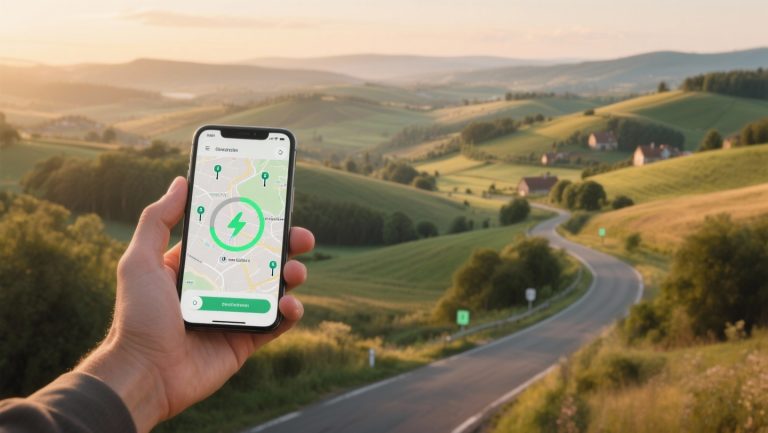
\n\n\n\nThe most efficient route is not always the shortest. Use an electric car route planner, such as A Better Routeplanner. These tools take into account the car type, weather conditions, altitude difference, and your driving style. More importantly, they show the locations and expected availability of charging stations. Ideally, plan your charging stops off the motorway. Chargers at supermarkets, furniture shops, or in village centres are often cheaper than fast chargers directly on busy main roads.
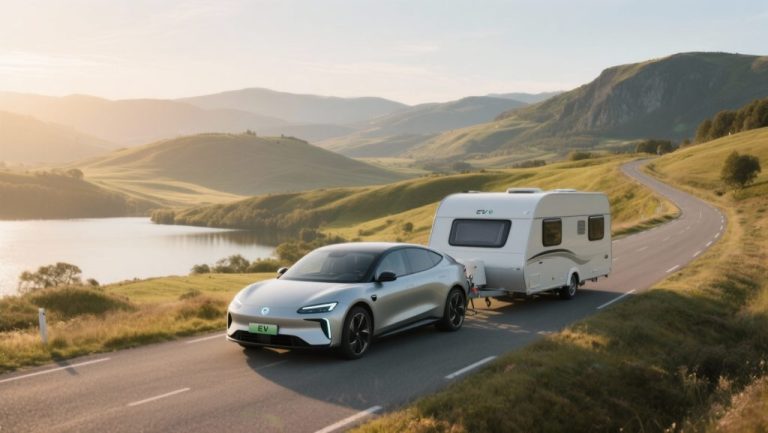
\n\n\n\nAlso, consider your car’s load. A roof box or caravan can increase consumption by 20 to 30 percent. Test your actual range by taking a shorter trip with full holiday luggage. This way, you’ll know exactly what to expect and avoid surprises on the road.
\n\n\n\nOptimise home charging and select your charging cards
\n\n\n\nThe cheapest electricity is the electricity you charge at home. So make sure you leave with a fully charged battery. If you have solar panels or a dynamic energy contract, charge during off-peak hours to get the lowest rate. This can easily save you tens of pounds on a full battery.
\n\n\n\nAbroad, charging card coverage varies. One card is often not enough. It’s wise to bring at least two or three different charging cards to avoid being stuck at a charging station that doesn’t accept your card. Consider cards from larger providers such as Shell Recharge or the ANWB. Supplement this with a card that offers good coverage in your holiday country. Always have a physical credit or debit card as an alternative.
\n\n\n\n\n‘ You usually earn back the subscription costs on the outward journey. ’
\n
On the road: smart driving and charging
\n\n\n\nOnce on the road, you have a direct influence on your consumption and charging costs. By adapting your driving behaviour and making smart use of charging networks, you can significantly reduce the cost per kilometre. It requires a different way of thinking than with a petrol car, but the savings are worth it.
\n\n\n\nAdjust your driving style and save on consumption
\n\n\n\nSpeed is the biggest factor affecting your energy consumption. By reducing your speed on the motorway from 130 km/h to 110 km/h, you can reduce consumption by as much as 30 to 40 percent. This means you’ll need to charge less often and will need fewer kilowatt-hours (kWh) per charging session. A calmer driving style leads to fewer charging stops and lower overall costs. On a trip to Southern France, this can easily save you a full charging stop and several tens of pounds.
\n\n\n\nAdditionally, make the best possible use of your car’s regenerative braking function. By taking your foot off the ‘accelerator’ in time and letting the car coast, you recover energy. This works particularly well in hilly or mountainous areas, where you can partially recharge the battery while descending.
\n\n\n\nChoose the right charging subscriptions for on the go
\n\n\n\nFor those who regularly travel long distances, a charging subscription with a fast-charging network can be very advantageous. Providers such as IONITY, Fastned, and Tesla (also for non-Teslas) offer monthly subscriptions. These give you a discount on the kWh tariff, which can be as much as 30 percent. The subscription costs, often around ten to fifteen euros per month, are usually recouped on the outward journey alone. Since these subscriptions can be cancelled monthly, you can activate them for your holiday period and then deactivate them.
\n\n\n\nThese subscriptions offer several benefits:
\n\n\n\n- \n
- IONITY Passport: Offers a fixed, lower tariff per kWh across a large part of Europe. Ideal for travelling through multiple countries. \n\n\n\n
- Fastned Gold Member: Gives a discount on the tariff at all Fastned stations. Especially interesting in the Netherlands, Germany, Belgium, and France. \n\n\n\n
- Tesla Supercharger subscription: For a fixed monthly fee, non-Tesla drivers get access to lower charging tariffs on the Supercharger network. \n

At your destination: local and affordable charging
\n\n\n\nEven at your holiday destination, you can continue to save on charging costs. The focus here shifts from fast charging on the go to slower and cheaper charging, doing so overnight or during an outing. This requires a slightly different approach, but it can further reduce costs.
\n\n\n\nUse your accommodation as a charging point
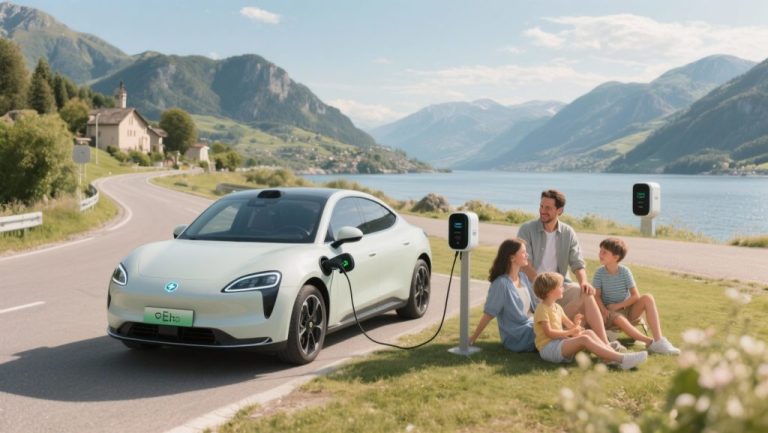
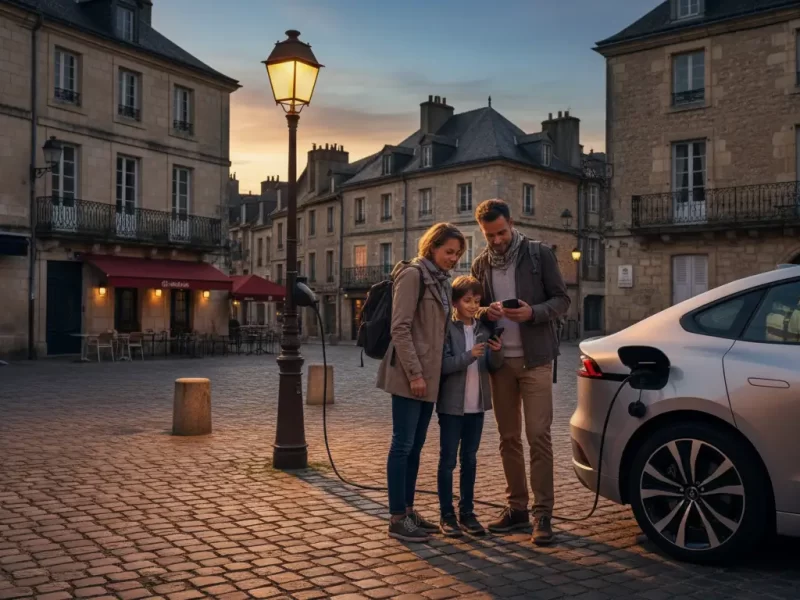
\n\n\n\nThe easiest way to charge at your destination is through your accommodation. Many hotels, campsites, and holiday homes offer charging facilities. Sometimes, usage is already included in the price. Ask about this when booking your stay. If there is no charging station, you can often use a standard socket with a so-called ‘granny charger’. This is a mobile charger that you connect to a standard wall socket. Charging is slow, but overnight you can charge enough for local trips. Adjust the charging power in your car or via the app to prevent overloading the local power grid.
\n\n\n\nCompare local charging tariffs and find free charging points
\n\n\n\nPublic charging tariffs can vary greatly by country and city. Use charging apps to compare prices of nearby charging stations. You can often find free charging points in cities or near tourist attractions, such as supermarket car parks. A few hours of charging while shopping or visiting a sight can easily give you another 50 to 100 kilometres of free range.
\n\n\n\nA well-planned car holiday starts with reliable information. On Traveler Tips, you’ll find many more articles on route planning, travel preparation, and the best destinations. Discover our guides and travel smarter.
\n\nFrequently Asked Questions
\n\n\nTo minimise charging costs during an EV road trip in Europe, it is essential to drive more slowly (under 110 km/h) to reduce consumption. Additionally, it helps to carry multiple charging cards and to sign up for smart subscriptions for fast chargers (such as Tesla Supercharger or Fastned Gold), which you can cancel after your trip. Plan your route along cheap charging points with apps like A Better Routeplanner and maximise home charging using solar panels or dynamic contracts. Also, consider staying at hotels or campsites with charging facilities for free overnight charging.
\n\nTo find affordable or free charging points along your route and at your destination, you can use apps like A Better Routeplanner or ANWB to check charging points, tariffs, and range. Consider signing up for fast charger subscriptions, such as Tesla Supercharger or Fastned Gold, which often offer more favourable rates. Look for hotels, campsites, or workplaces with free charging points, and utilise apps like Electra or &Charge for potential discounts or free charging sessions. Bring 2-3 charging cards, plus a debit or credit card as a backup, and charge as much as possible at home, preferably with solar panels or during cheap hours with a dynamic energy contract.
\n\nFor international EV travel, subscriptions like the Tesla Supercharger (€10/month, 20-30% cheaper), Fastned Gold, or IONITY Passport offer good value for money, especially if you cancel them after your holiday. Shell Recharge also offers fixed tariffs in the Netherlands, Germany, and the United Kingdom. It is advisable to bring 2-3 charging cards, such as ANWB and Fastned, as not all charging stations accept all cards. Driving more slowly and planning smartly via apps like A Better Routeplanner also contribute significantly to cost savings.
\n\nTo actively reduce your EV’s electricity consumption during your holiday, you can drive more slowly (under 110 km/h) to cut consumption by 36-40% and reduce charging stops. Regenerate energy through braking and avoid using air conditioning where possible. Plan your route carefully with apps to check charging points, range, and tariffs, taking into account extra load. Stay at hotels or campsites with charging facilities to charge for free or cheaply overnight.
\n\nTo avoid unexpected or high charging costs, plan your route with apps like A Better Routeplanner and ANWB to check charging points and tariffs. Bring 2-3 charging cards and consider subscriptions for fast chargers like Tesla Supercharger, Fastned Gold, or IONITY Passport, which you can cancel after your holiday. Maximise home charging during off-peak hours and book hotels or campsites with charging facilities. Drive economically, under 110 km/h, and charge early in valleys (mountains) to avoid stress and having to drive on.
\n\n