NL
NL
Ferries, Tunnels, and Crossings: How to Choose the Smartest Route
A well-considered choice of ferries, tunnels, and crossings is a decisive factor for the success of your self-drive holiday. The difference between a relaxed start or a rushed one is directly related to the planning of this single component. A cleverly chosen crossing not only saves travel time and costs but also enriches the travel experience. Discover how to choose the best route that suits your destination, budget, and travel style.
The Added Value of a Crossing for Your Self-Drive Holiday
Crossings are considerably more than just a necessary means to traverse water; they offer a moment of rest in your itinerary. For most travellers planning their self-drive holiday, a ferry provides the opportunity to stretch their legs, enjoy the sea air, and arrive refreshed. It significantly shortens long journeys, leaving you with more time at your destination. A night ferry to Scandinavia or the United Kingdom even replaces a hotel stay and saves you hundreds of miles of driving. A tunnel, such as the Channel Tunnel, on the other hand, offers a quick and efficient crossing, ideal for those who want to reach their destination as quickly as possible. The right crossing transforms the journey from a long drive into a comfortable and strategic stage of your holiday.
‘ The ferry offers a different experience, with more space, on-board facilities, and the opportunity to relax. ’
Choosing Your Journey: Ferry or Tunnel
The choice between a ferry and a tunnel depends on your priorities: speed, cost, comfort, and travel experience. A tunnel is generally the fastest option, impervious to weather conditions, and ideal for travellers who want to transit efficiently. The ferry offers a different experience, with more space, on-board facilities, and the opportunity to relax. Below, we list the pros and cons.
Advantages of the Ferry:
- Comfort and relaxation: On board, you can walk around freely, eat in a restaurant, or enjoy the sea view.
- Cost savings on long journeys: A night ferry saves a hotel overnight stay and fuel costs.
- Facilities for families: Most ferries have play areas for children, making the journey more pleasant for families.
Disadvantages of the Ferry:
- Longer travel time: The crossing itself takes longer and depends on sailing schedules.
- Sensitive to weather conditions: In bad weather, departures may be delayed or cancelled.
Advantages of the Tunnel:
- Speed: The crossing is significantly shorter, such as the 35-minute journey through the Channel Tunnel.
- High frequency: There are numerous departure times, offering greater flexibility.
- Weather-independent: The timetable is not affected by storms or fog.
Disadvantages of the Tunnel:
- Less comfort: You remain in or with your vehicle throughout the journey.
- Higher costs: The tunnel is generally more expensive than the ferry, especially for last-minute bookings.
Travelling by Ferry: Relaxing Across the Sea
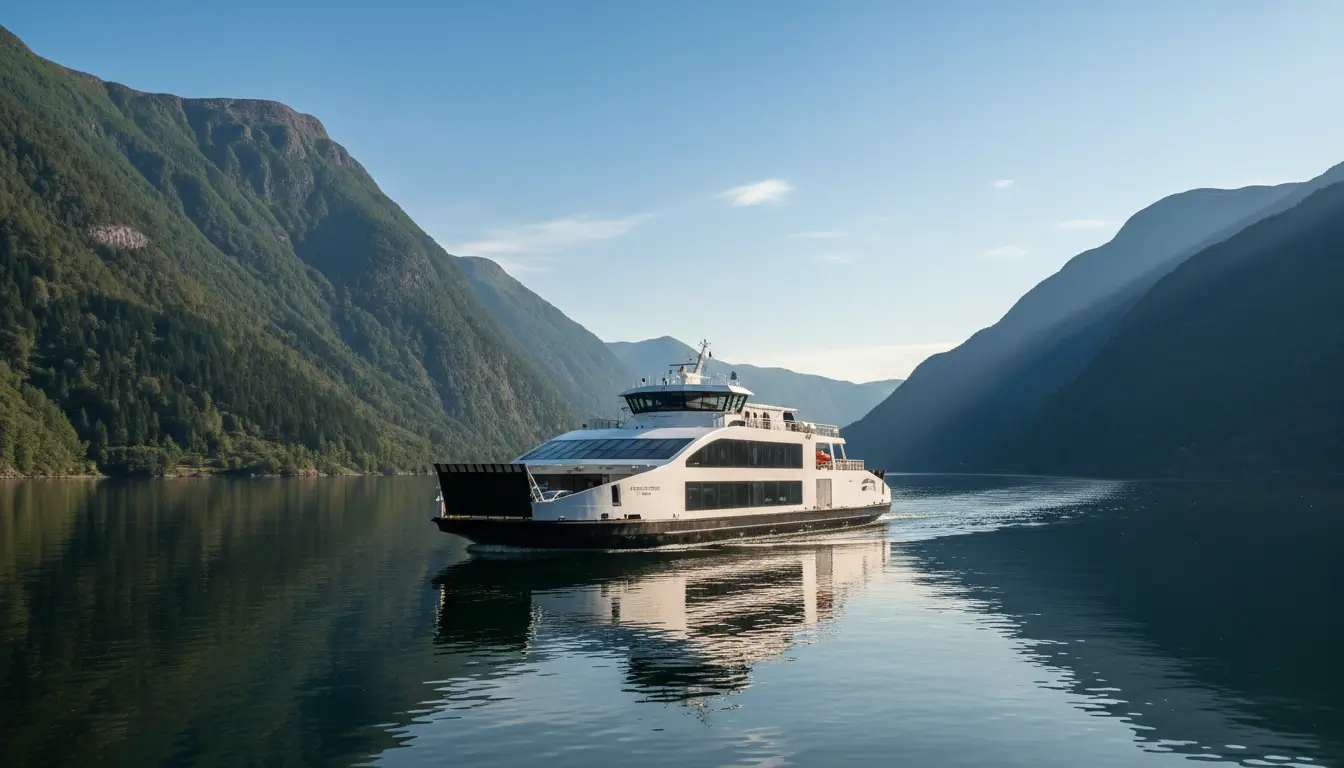
Travelling by ferry is an experience in itself. The moment you park your car on the car deck and head to the passenger deck marks the beginning of your holiday. Modern ferries are equipped with restaurants, shops, comfortable lounges, and sometimes even cinemas or play areas. Especially on longer routes, such as to Norway or Scotland, the ships offer cabins for a comfortable night’s rest. You wake up to sea views and arrive at your destination refreshed. This makes the ferry an attractive choice for travellers who appreciate comfort and a peaceful start to their holiday.
Popular Ferry Routes: From the North Sea to the Mediterranean
Europe boasts an extensive network of ferry routes that take you to the most beautiful destinations. Whether you want to explore the fjords of Norway, traverse the Scottish Highlands, or discover the islands in the Mediterranean Sea, there’s always a suitable crossing. Some popular routes include:
- To the United Kingdom: The classic route is Calais-Dover, the shortest and most frequent connection. For journeys to Northern England or Scotland, the IJmuiden-Newcastle or Rotterdam-Hull routes are better options, as they bring you closer to your final destination and save a long drive through England.
- To Scandinavia: Daily ferries depart from Germany (Kiel) or Denmark (Hirtshals) to Norway (Oslo, Bergen) and Sweden (Gothenburg). These crossings are often overnight journeys, complete with comfortable cabins.
- To the Mediterranean Sea: From ports in France (Marseille, Toulon) and Italy (Genoa, Livorno), you can cross to Corsica, Sardinia, Sicily, and even the Greek islands. These routes offer a perfect start for an island holiday with your car.
‘ “The journey takes just 35 minutes, and the entire process from check-in to driving off is designed for maximum efficiency.” ’
The Channel Tunnel: Fast and Efficient Travel to the United Kingdom
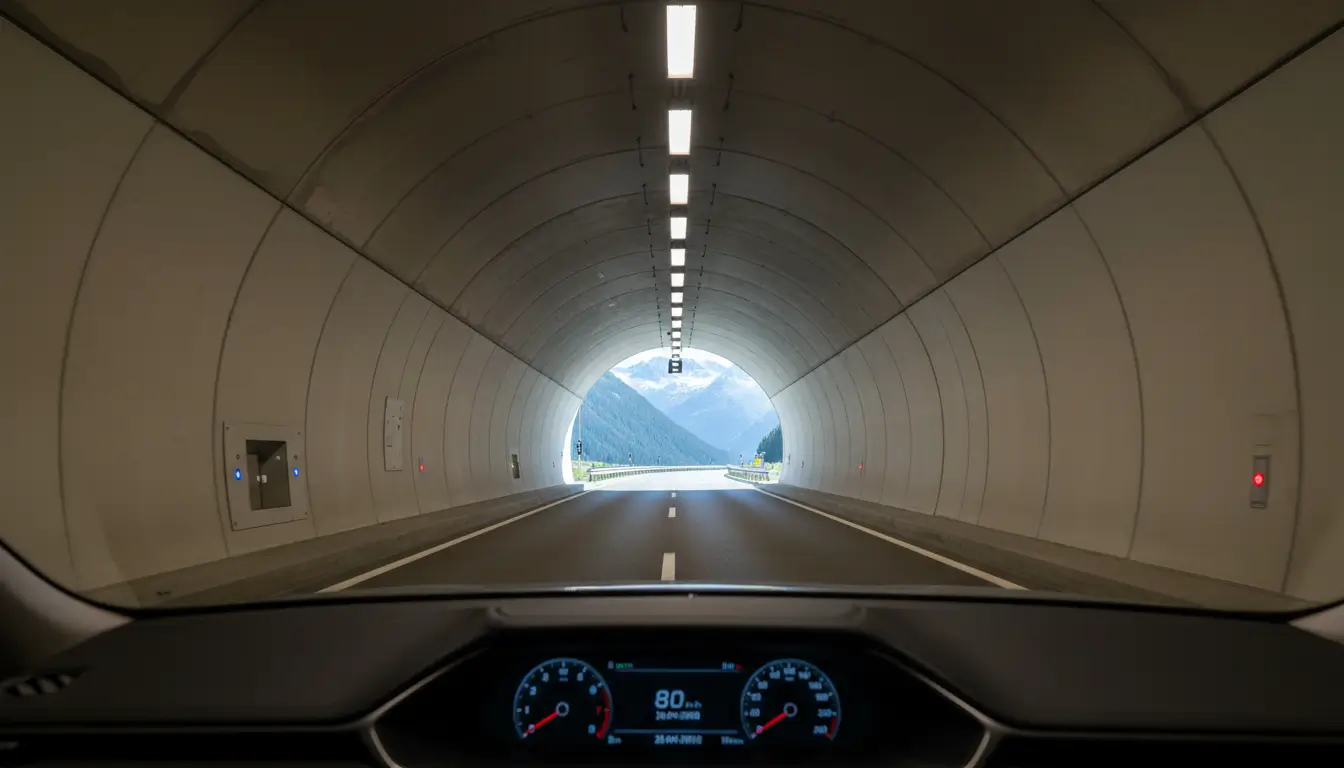
The Eurotunnel Le Shuttle, connecting Calais in France with Folkestone in the United Kingdom, is the fastest way to cross the Channel by car. The journey takes just 35 minutes, and the entire process from check-in to driving off is designed for maximum efficiency. You drive your car onto a train wagon, remain in your vehicle during the short journey, and drive directly onto the motorway at the other end. This option is ideal for travellers who want to save time and seek reliability, as trains run in almost all weather conditions and depart multiple times per hour.
Your Vehicle on the Crossing: Rules and Preparations
Whether you are travelling by car, campervan, or caravan, it is important to prepare thoroughly. When booking, you should provide the exact dimensions and type of vehicle, including any bike racks or roof boxes, as this affects the price and your allocated space on board. For campervans and vehicles running on LPG, specific rules sometimes apply, especially in tunnels. Always check the carrier’s terms and conditions. Ensure that your gas bottles are properly shut off and that loose items in the car or caravan are secured. Good preparation prevents surprises at check-in.
Smart Booking: The Right Time for the Best Price and Availability
Prices for ferries and tunnels are flexible and depend on supply and demand. Booking early almost always pays off, especially if you are travelling in peak season or during school holidays. Fares are generally lowest when booked several months in advance. Be flexible with your travel dates and times too; crossings on weekdays or at less popular times, such as overnight, are often cheaper. Comparison websites can help you find the best deals, but always check the ferry operator’s own website as well. They sometimes offer special packages or discounts.
‘ “Ensure you arrive well in advance; the recommended time is stated on your ticket and varies from 45 to 90 minutes before departure.” ’
Check-in and Boarding: Important Information Before Departure
The check-in procedure at a ferry terminal or tunnel is usually straightforward. Ensure you arrive well in advance; the recommended time is stated on your ticket and varies from 45 to 90 minutes before departure. Keep your booking confirmation and passports ready. At check-in, you will receive a hanger for your mirror indicating the lane you should follow. Once on board the ferry, park your car as directed by staff. Note which deck you are on to easily find your car later. Engage your handbrake and leave your car in gear. Then, exit your vehicle and proceed to the passenger areas.


Cost Breakdown: Factors Determining the Price of Your Crossing
Several factors determine the cost of a crossing. The main ones are the type of vehicle, the length of the route, the season, and the time of booking. A standard car is cheaper than a campervan or a car with a caravan. Supply and demand play a significant role; prices are higher in the summer months. The chosen level of comfort, such as a seat reservation or a private cabin on an overnight ferry, also influences the total price. By planning smartly and being flexible with your travel dates, you can save considerably.
Optimise Your Route: Cleverly Combining Crossings with Your Driving Plan
A crossing is more than just a passage; it’s a strategic tool in your route planning. A long overnight ferry can save you hundreds of miles of driving, allowing you to arrive refreshed and further along your route. For example, instead of driving through all of Denmark, you could take a ferry from Germany to Sweden. Plan the arrival time of your crossing to align with your onward driving plans. An early arrival gives you a full day to continue your journey, while a late arrival can be easily combined with an overnight stay near the port.
‘ A cleverly planned crossing is not just a means of transport, but a valuable part of the travel experience itself. ’
Your Self-Drive Holiday Begins with the Right Crossing Choice
A successful and comfortable self-drive holiday depends on good planning. The choice of a ferry or tunnel is a crucial step. By consciously weighing what is most important for your journey – speed, cost, or comfort – you lay the foundation for a relaxed and efficient trip. A cleverly planned crossing is not just a means of transport, but a valuable part of the travel experience itself. It marks the beginning of your holiday and ensures you arrive at your destination with more energy and enjoyment.