 NL
NL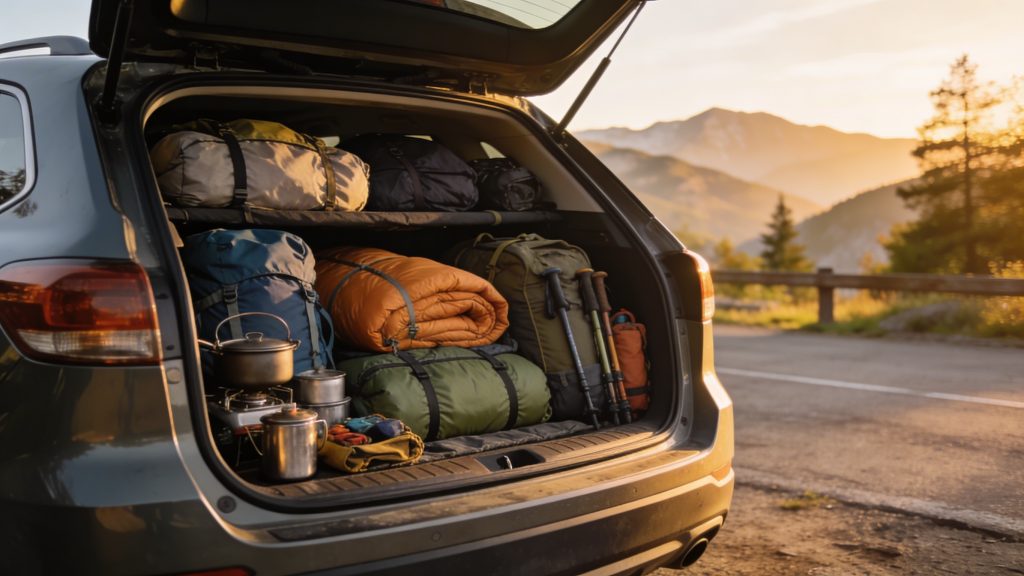
A well-organised boot makes the difference between stress and relaxation during your camping holiday. Pack your camping gear smartly. This way you avoid shifting luggage, overloading and wasting time when you arrive at the campsite. Discover how to arrange your car efficiently with the right layout and organisers.
Categorise your luggage before you pack
Start by sorting before you load anything into the car. Divide your belongings into clear categories: tent equipment, sleeping bags, cooking gear, clothing and any sports equipment such as bicycles. Assign each item a fixed place in your car. This approach prevents you from later having to search for important items among all your luggage.
Use a packing list so you only take the essentials. The fewer things you bring, the more space and overview you keep. Loose items that can move around while driving pose a risk to you and your passengers. Packing and luggage organisation in the car requires care: secure everything or store it in suitable organisers.
‘ In contrast, flexible bags adapt to the shape of your boot. ’
Use flexible bags for camping gear
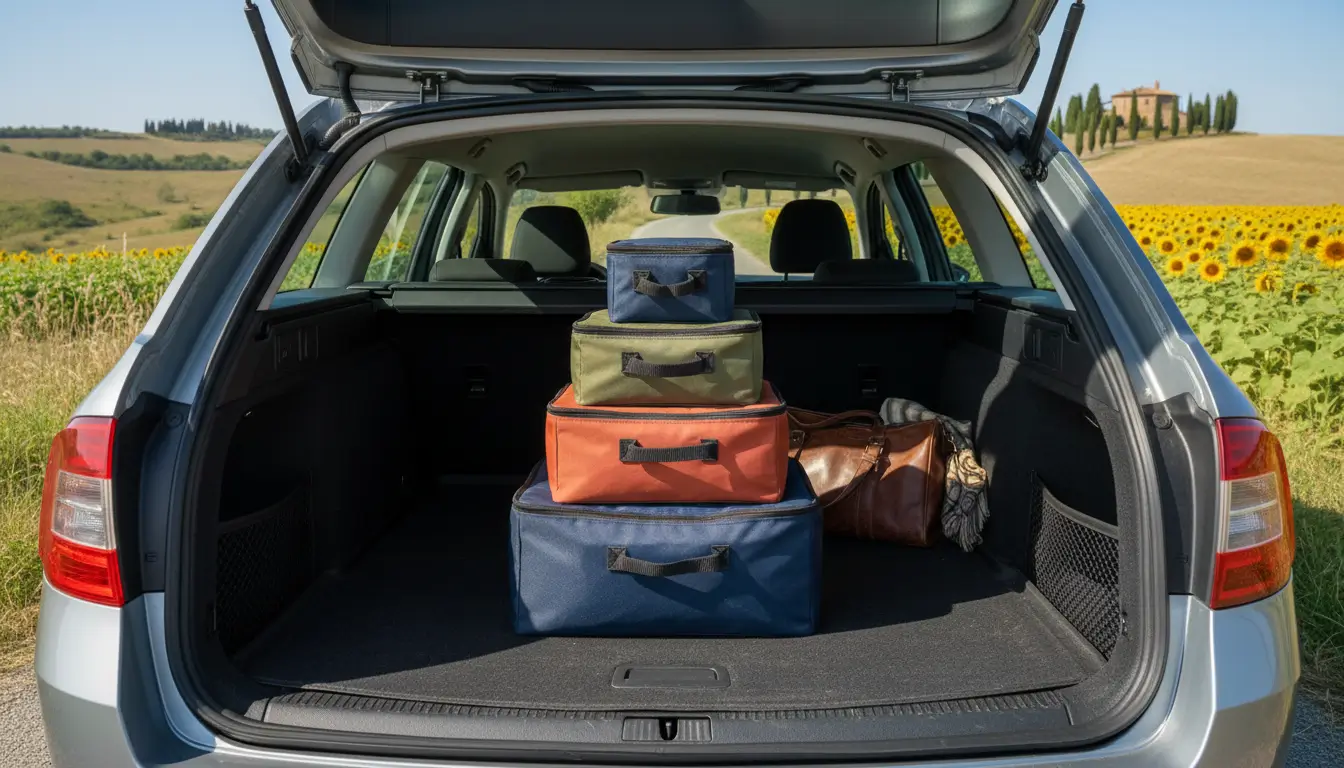
Hard suitcases take up a lot of space. In contrast, flexible bags adapt to the shape of your boot. This is especially true for tent fabric, sleeping bags and clothing. Choose sports bags or weekend bags that you can compress when they are not completely full.
Store your tent in a separate, easily accessible bag. That way you can quickly get it out when you arrive at the campsite without having to move other items first. The same goes for your sleeping bags: keep them separate so that you can set up your sleeping area as soon as the tent is up.
Place tent poles and airbeds low down
Long items such as tent poles and airbeds are best placed at the bottom of the boot, along the sides or under other luggage. This prevents them from sliding around while driving. Secure them with tensioning straps or place them against the back of the rear seat. This keeps the rest of your luggage stable.
Organise cooking gear separately for quick access
You need cooking gear as soon as you arrive at the campsite. Keep pans, plates, cutlery and your camping stove in one crate or bag. Place this bag in the car so that you can reach it immediately when you arrive. This saves you time and prevents you from having to unload the entire boot first.
A sturdy plastic crate works well for cooking gear. It stacks easily and protects fragile items. Fill any empty spaces in the crate with tea towels or napkins to prevent rattling. Always place heavy items such as gas bottles or water jerrycans at the bottom of the boot, close to the car’s axle.
Distribute weight evenly across the car
An even weight distribution ensures stable handling and reduces the strain on the tyres. Place heavy items such as cool boxes, water tanks and camping furniture centrally and low down in the boot. Lighter items such as clothing and towels can go on top or to the sides.
Pay attention to the maximum load capacity of your car. You can find this on the registration certificate or in the manual. Overloading affects safety and can lead to fines. Weigh your luggage beforehand if you are unsure about the total weight.
Limit luggage in the passenger compartment
Keep the space around passengers clear for comfort and safety. Extra luggage between the seats or on the back seat restricts visibility and can be dangerous in an emergency stop. Use roof bars or a towbar-mounted carrier when your boot is full. This keeps the interior clear and increases comfort during the journey.
Choose the right organisers for camping luggage
Organisers help you keep small items in order. You can attach elastic luggage nets to the sides of the boot. They hold loose items such as torches, extension leads or toiletries. Hanging organisers are useful for clothing and can be used both in the car and later in the tent.
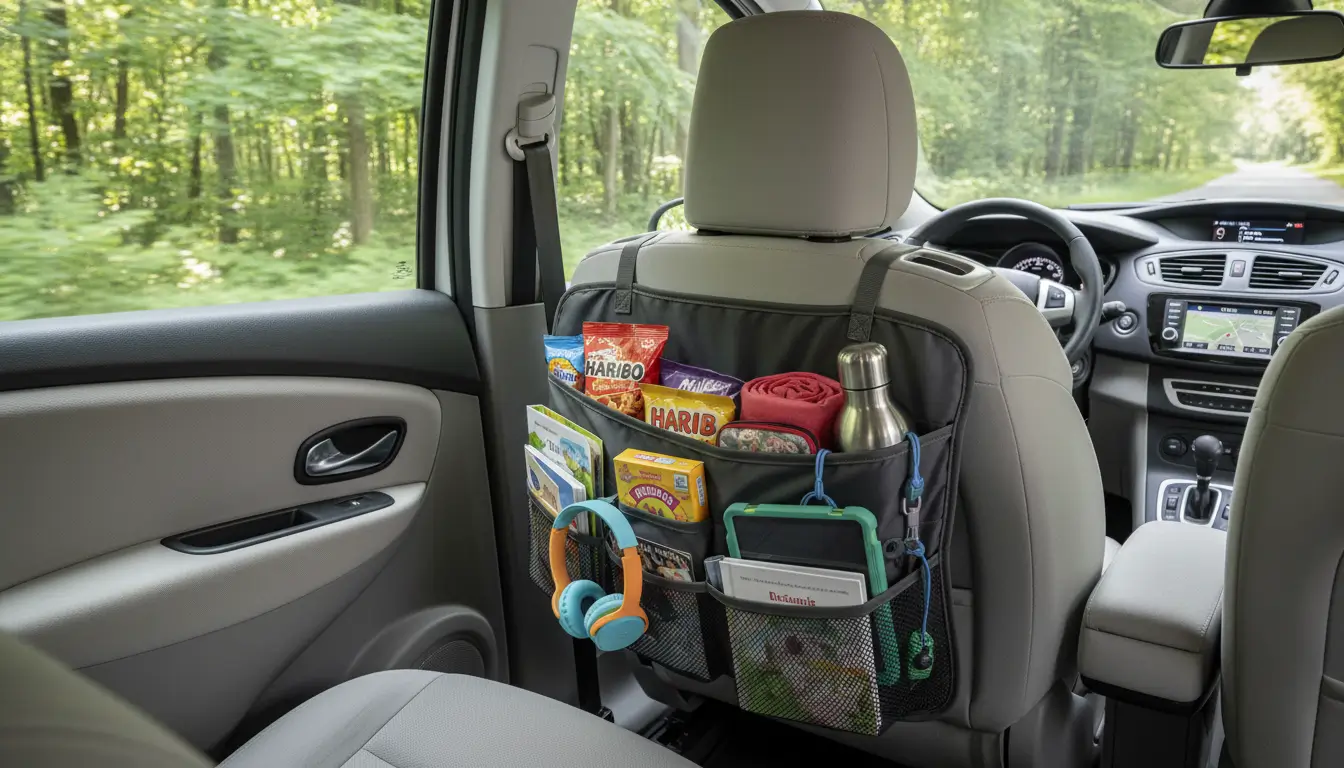
Seat and car organisers are ideal when you are travelling with children. These hang on the back of the front seats and provide pockets for water bottles, toys and snacks. This way everything remains within reach and you do not have to search while driving.
- Luggage nets: elastic and easy to attach, ideal for boot sides and loose items
- Hanging organisers: space-saving, suitable for clothing and small camping items
- Seat and car organisers: immediately accessible for passengers, useful when travelling with children
Consider extra storage options if you have a lot of luggage
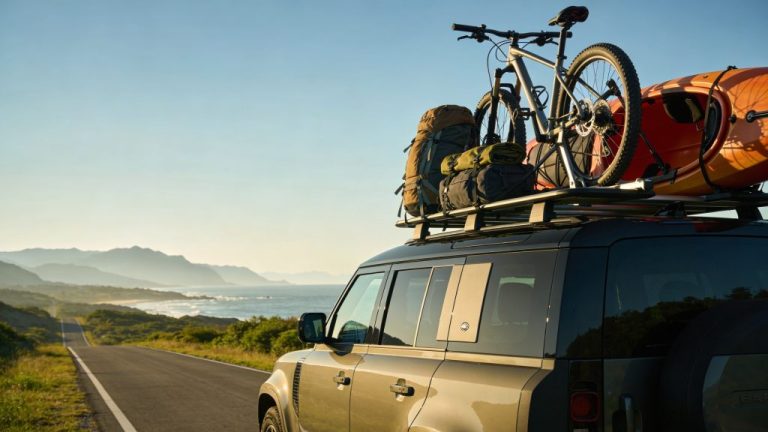
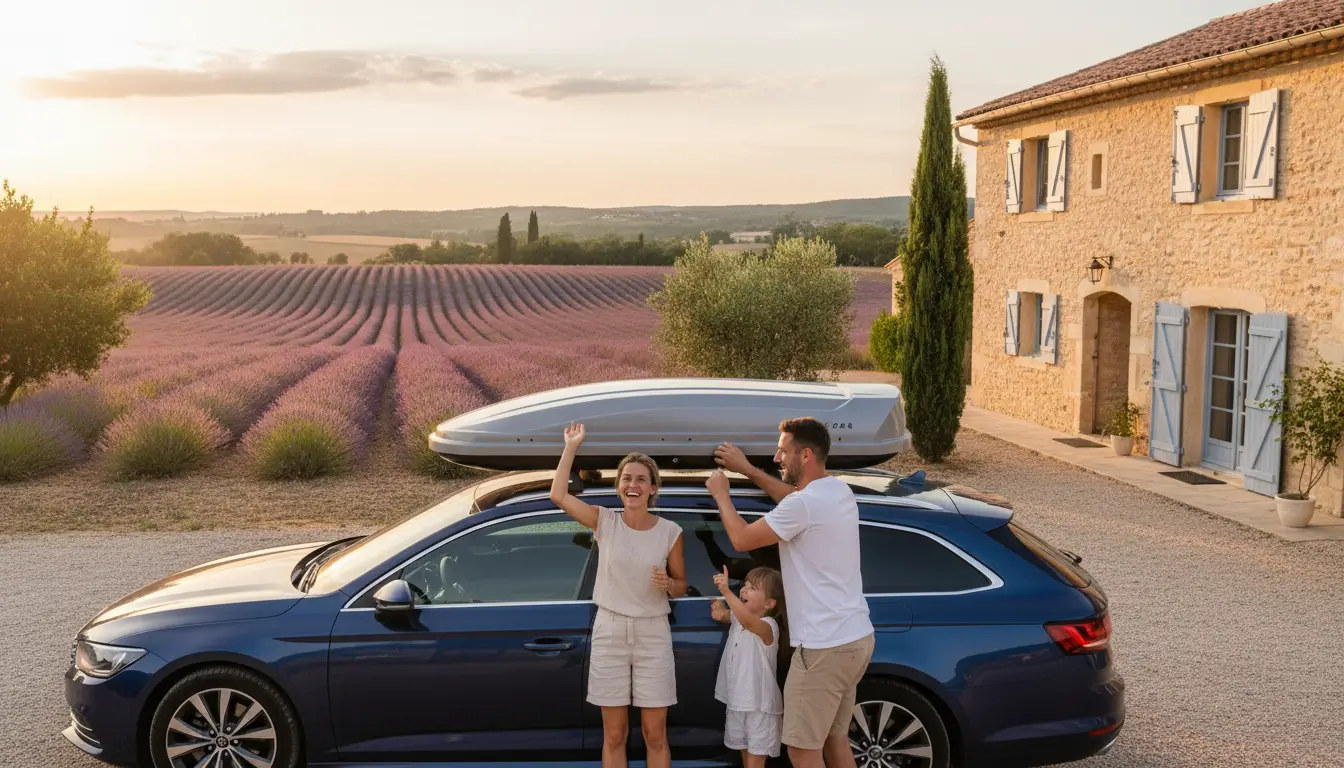
Is your boot too small for all your camping gear? Then a roof box or luggage trailer can be the solution. A roof box increases the load space without putting extra strain on the interior. Do bear in mind that it increases your fuel consumption and affects handling due to the higher centre of gravity.
A luggage trailer or small trailer offers more space for heavy items such as tents, bicycles and camping furniture. This takes the load off the car and improves comfort for passengers. Check in advance whether your car is suitable for towing a trailer and whether your driving licence allows it.
Test your packing strategy before departure
Fully pack your car the day before you leave. Take a short test drive to check that everything is firmly secured and does not move. This gives you the chance to make adjustments before you set off. Also check that you still have a clear view through all mirrors and that the rear window remains unobstructed.
Keep essentials such as the first-aid kit, drinking water, snacks and important documents at the front or in the glove compartment. You will need these items on the way during breaks or in case of a roadside check. A bag with rainwear or extra jumpers that is easy to reach saves you from having to rummage through the entire boot in bad weather.
‘ Adjust your packing strategy to suit these conditions. ’
Adapt your organisation to the season and length of trip
The amount of luggage depends on the time of year and how long your trip is. In summer you may take extra cool boxes for fresh food and drinks. In autumn or spring you need more space for warm clothing and blankets. Adjust your packing strategy to suit these conditions.
For longer camping trips it pays to take extra storage bags and nets. You can use these at the campsite itself to keep your tent organised. Multifunctional organisers that work both in the car and in the tent save weight and space.
Discover more about camping trips and car journeys
Smart luggage organisation makes your camping holiday much more enjoyable. With the right preparation you avoid stress and enjoy your trip more. On the Traveler Tips website you will find extensive information on route planning, camping equipment, packing tips and regulations for car journeys. Explore the site and discover which tips will make your next trip even better.
Frequently asked questions
Start by grouping everything per category (clothing, camping gear, food, toys) and use stackable boxes or bags in standard sizes so you can efficiently “build” in the boot. Put heavy and bulky items at the bottom and as close to the rear axle as possible; use lighter and soft items (such as sleeping bags) to fill gaps and wedge luggage in place. Use organisers and luggage nets to bundle small items and prevent shifting, and keep a separate “first night” bag at the front. Place bulky but light items in the roof box and use the bike rack only for sturdy bikes that are well secured with evenly distributed weight.
Use stackable boxes or collapsible crates per category (cooking, sleeping, clothing, toys), so you only need to grab the right box. Work with bags or packing cubes for each person and give everyone a fixed spot in the tent or trailer tent. Hang organisers and storage nets in the car and in the awning for small items you need often. Always put things you need on the road (rain jackets, snacks, toiletries) on top or directly behind a door or tailgate.
Minimise luggage by, for each activity (sleeping, cooking, clothing, hygiene), taking only what is strictly necessary, choosing items that are compact (lightweight/foldable) and organising everything in packing cubes or dry bags so you do not pack duplicates. Think in layers: one set of warm clothing, one set of light clothing, one spare layer, and choose synthetic materials that dry quickly instead of lots of extra clothes. Essential multifunctional items include a lightweight tarp (canopy, groundsheet, rain or sun protection), a good multi-tool, a dry bag that can also serve as a pillow or laundry bag, and a pan that can be used as a bowl/serving dish. Also take a microfibre towel (towel, scarf, pillowcase), a head torch with red light (for reading, night light, camp lighting) and a sturdy plastic box that can be used for transport, washing up and storage in the tent.
Use waterproof bags, sturdy plastic boxes with well-sealing lids and/or compression sacks to protect clothing, sleeping bags and electronics from rain, dust and mud. Double-pack fragile items (for example first in a dry bag or plastic bag, then in a bag or trunk) and keep them as high and as close to the middle of the car or trailer as possible. Make sure seams and zips face downwards or inwards to reduce the risk of water getting in. Finally, check all fastenings and, if necessary, cover the luggage in the car or trailer with an extra waterproof cover or tarpaulin.
Use a standard packing checklist per category (documents/money, health/medication, clothing, toiletries, electronics, camping or accommodation essentials) and go through it twice: one week and one day before departure. Lay everything out visibly per category and then deliberately remove “nice-to-have” items until you are left only with essentials. Limit your clothing to combinations that can be mixed and matched (capsule wardrobe) and leave at home anything you can easily buy at your destination. Finish with a short departure check (passports/ID, bank cards, medication, booking confirmations, keys, phone plus charger) so that the truly crucial items are always double-checked.