 NL
NL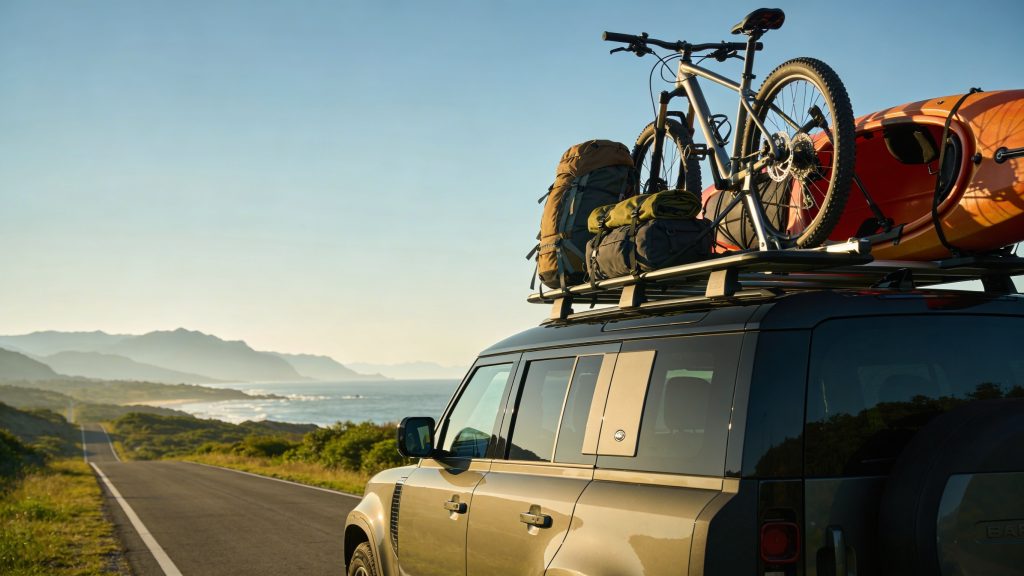
If you want to take bikes with you on a driving holiday, you need to think about more than just buying and fitting a rack. It’s all about nose weight, weight distribution, solid mounting and choosing the right rack for your car. If you get it wrong, you risk damaged bikes, unsafe situations on the road or even problems with your insurance. With the right preparation, though, you can tackle this smartly and keep bikes and sports equipment scratch-free and safe.
Choose a rack that suits your car and your load
Your choice of bike rack depends on your type of car, the number of bikes and the weight you are taking. Not every rack works in every situation.
A towbar-mounted bike rack is the most practical option for larger holidays. This type of rack offers space for two to four bikes, including heavy e-bikes. Many models can be tilted, so you can still access the boot without removing the rack. In addition, many towbar racks have built-in locks for extra protection against theft.
A rear-mounted tailgate rack is more suitable for lighter loads. Do make sure that the lights and number plate remain visible. If the rack blocks these, you will need an extra number plate and a light board.
Are you travelling with a caravan or motorhome? Then a drawbar rack is a good option. You mount it on the rear wall or drawbar. The advantage is that your luggage space in the car remains free and air resistance is low. Packing and organising luggage in the car is therefore easier.
Roof racks are less suitable for bikes. Lifting a bike up to roof height takes more effort, your bike is more at risk of scratches from stone chips and fuel consumption increases significantly. For sports equipment such as skis, a roof rack can be useful, but for bikes there are better alternatives.
For e-bikes you need a special rack. E-bikes weigh on average 25 kilos or more each. Check whether the rack can handle this weight. With standard nose weight, a towbar rack will usually only take a maximum of two e-bikes.
‘ Exceeding the limit leads to dangerous situations on the road and problems with your insurance if you have an accident. ’
Calculate the nose weight and distribute the load properly
The maximum nose weight of your car determines how much weight you are allowed to place on the towbar. Exceeding this limit leads to dangerous situations on the road and problems with your insurance if you have an accident. You can find the maximum nose weight in your car’s manual or on the towbar itself.
Work it out like this: add up the weight of the rack and the bikes. A rack weighs between twelve and twenty kilos. E-bikes often weigh 25 kilos or more. If your car has a nose weight of 70 kilos and the rack weighs 20 kilos, that leaves 50 kilos for bikes.
You can reduce the weight by removing the batteries from e-bikes and putting them in the boot. This makes lifting easier and reduces the risk of damage. Always place the batteries upright and protect them against shocks.
Distribute the weight evenly over the rack. Place the heaviest bike at the front, close to the towbar. This provides better balance and stability while driving. If the weight is unevenly distributed, the car can start to sway, especially in bends or when braking.
Secure bikes firmly according to the instructions
Fitting a rack involves more than just sliding it onto the towbar. Always follow the manufacturer’s instructions. Tighten the frame clamps firmly and check that the wheels sit properly in the channels. Use rubber protectors to prevent scratches on the frame.
Extra tensioning straps provide extra security. Even if the rack already has clamps, an additional strap can help to limit movement while driving. Long journeys and unpaved roads call for extra protection.
Protect your bikes against dirt, rain and scratches with protective covers. They keep mud and sand out of your car and reduce the amount of maintenance needed after the trip. For racing bikes or mountain bikes with carbon frames, a cover is almost essential. It prevents damage during transport.
Always lock your bikes. When you stop, take the bikes off and store them in the boot. Not possible? Then secure the bikes to the rack with a strong cable lock. Bike thefts at petrol stations or car parks are fairly common.
Adjust your driving style while travelling
Extra weight and a rack on the back change the way your car behaves. Do not drive faster than 120 kilometres per hour. At higher speeds, air resistance and fuel consumption increase. The car also becomes more sensitive to crosswinds.
Check regularly during the journey that everything is still properly secured. Do this at every fuel stop or after a few hours’ driving. Vibrations and movement can cause clamps to loosen.
Make sure the lights and number plate remain visible. With many racks you need to fit an additional number plate and light board. Check that these are working before you set off. During roadside checks you risk a fine if the lights are not in order.
Bikes must not stick out by more than twenty centimetres. Remove sharp parts such as bike pumps or bags that could come loose while driving.
‘ The rack itself is often covered, but bikes are not always. ’
Take account of rules in each country
Traffic rules for bike racks differ from one country to another. Check the regulations in your destination country in advance. Rules on overhanging loads, compulsory lighting and maximum speeds may differ from what you are used to.
In some countries, a red warning flag or reflective sticker is compulsory if the load sticks out beyond the car. This is sometimes checked during border controls within Europe.
Also check the conditions of your car insurance. The rack itself is often covered, but bikes are not always. Separate rules may apply for caravans or motorhomes. If in doubt, contact your insurer.
Test the mounting before departure
Try out the rack and the mounting before you set off. Fit the rack, secure the bikes and take a test drive. This helps you to spot problems at an early stage.
During the test drive, pay attention to noises, movement or changes in the car’s behaviour. Is the car swaying or is the rack creaking? Then check the mounting again.
For families with four bikes, a four-bike rack with good weight distribution is suitable. This prevents swaying and ensures a more stable ride.
With caravans, a drawbar rack keeps the luggage space in the car free. This is practical if you have a lot of luggage and want to make optimal use of the interior space.
Accessories that make the difference
Small extras improve comfort and safety. Think of:
- Protective covers to guard against dirt and scratches
- Extra locks for bikes and rack
- Sturdy plug holders for the lighting
- Tilt mechanisms for easy access to the boot
Check the condition of the rack regularly, especially before long journeys. Rust, damaged clamps or loose parts can then be replaced in good time. This prevents problems on the road.
On the Traveler Tips website you will find more useful information about routes, preparation and practical tips for car holidays. You will discover how to plan your trip even better and what to look out for when travelling by car.
Frequently asked questions
The best bike rack for your situation is usually a towbar-mounted rack, because it is stable, often tiltable and suitable for 2–4 bikes (including heavier ones such as e-bikes). For a caravan or motorhome, a drawbar rack is often better, because it creates less air resistance and keeps the luggage space free. Choose a rack that keeps the total weight of rack plus bikes within the maximum nose weight of your car, and for e-bikes make sure the rack can handle at least 25 kg per bike. If you are going far and driving fast (motorways, abroad), a solid lock, good lighting and a clearly visible number plate are especially important.
Use a suitable bike rack (preferably on the towbar or drawbar) that matches the weight and number of bikes, and check that you stay within the car’s maximum nose weight. Always secure bikes according to the manufacturer’s instructions using frame clamps and extra tensioning straps, and for e-bikes remove the batteries to reduce weight and the risk of damage. Protect delicate frames with covers or protectors and make sure the lights and number plate remain clearly visible. On long journeys, check regularly that the rack and the fixings are still firmly in place and moderate your speed.
Take account of national rules on maximum overhanging loads, visibility of lights and number plate, and any speed limits or compulsory use of an extra light board and/or a second number plate. In some countries, stricter rules apply if the bikes extend beyond the bumper by more than a certain number of centimetres. Check your car insurance in advance: the bike rack is often covered under your car policy, but (expensive) bikes sometimes need to be insured separately, for example under travel insurance or additional bike insurance. Different policy conditions may apply for caravans or motorhomes, for example regarding mounting on the drawbar or rear wall.
A bike rack increases air resistance and weight, which raises fuel consumption, especially at high speeds and when using roof racks. A towbar or drawbar rack is usually more efficient than a roof rack and has less impact on fuel consumption and driving behaviour. Pay attention to the maximum nose weight and distribute the load evenly to maintain good braking distance and road holding. Drive a little more gently (maximum roughly 120 km/h), check the mounting regularly and remove e-bike batteries to reduce weight and consumption.
If you travel by train, you can often take your bike with you with a special bike reservation, or choose a folding bike which counts as normal luggage. With a hire car, you can ask for a car with a towbar and hire a towbar rack locally instead of taking one yourself. For other sports equipment (such as skis, boards or compact sports bikes), roof boxes or spacious boot solutions are an alternative, provided everything is properly secured. You can also consider hiring a (sports) bike or equipment at your destination so that you do not need to take a rack or extra transport options with you.