 NL
NL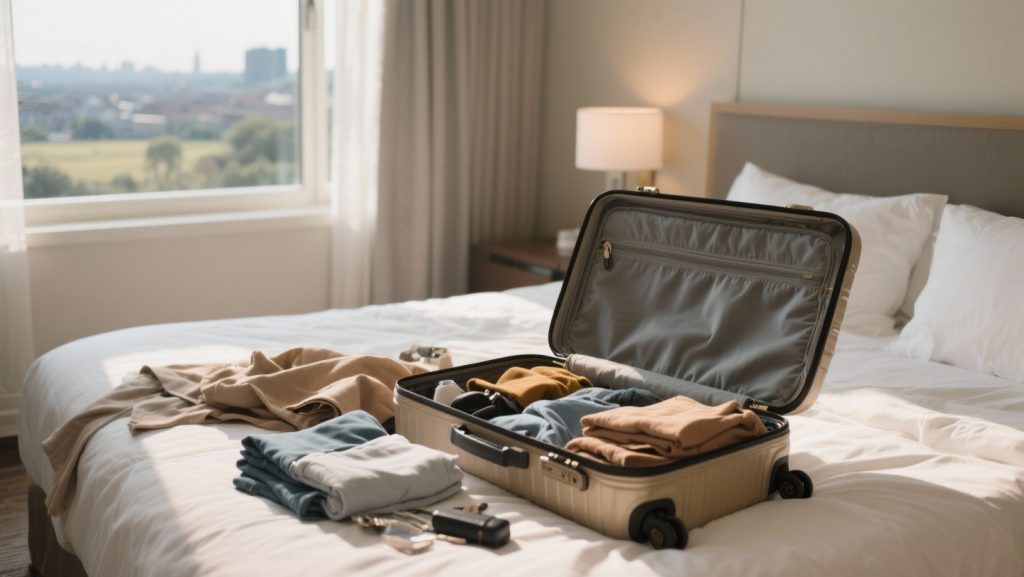
A cleverly packed car is the foundation for a safe and relaxed journey. Common packing mistakes and how to avoid them are therefore not a trivial matter, but an important part of your travel preparation. Discover how a thoughtful approach can save space while significantly increasing safety and comfort on the road.
The Balance Between Too Much and Too Little
The most common pitfall is the ‘just in case’ pile. Extra clothes, unnecessary gadgets, or too many provisions make the car unnecessarily heavy. An overloaded car has a longer braking distance, reacts slower in bends, and consumes more fuel. Therefore, it is important to be critical about what you take with you. Make a checklist a week before departure and lay everything out. Ask yourself for each item if you really need it. A good method is to choose clothes that can be worn in layers and are easy to combine with each other. This saves a significant amount of volume and weight.
‘ Loose items in the car turn into dangerous projectiles during a sudden braking action. ’
Heavy Luggage: A Stable Base
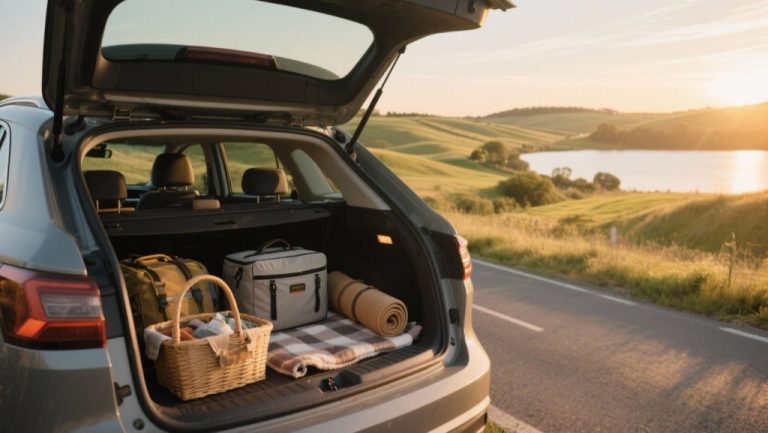
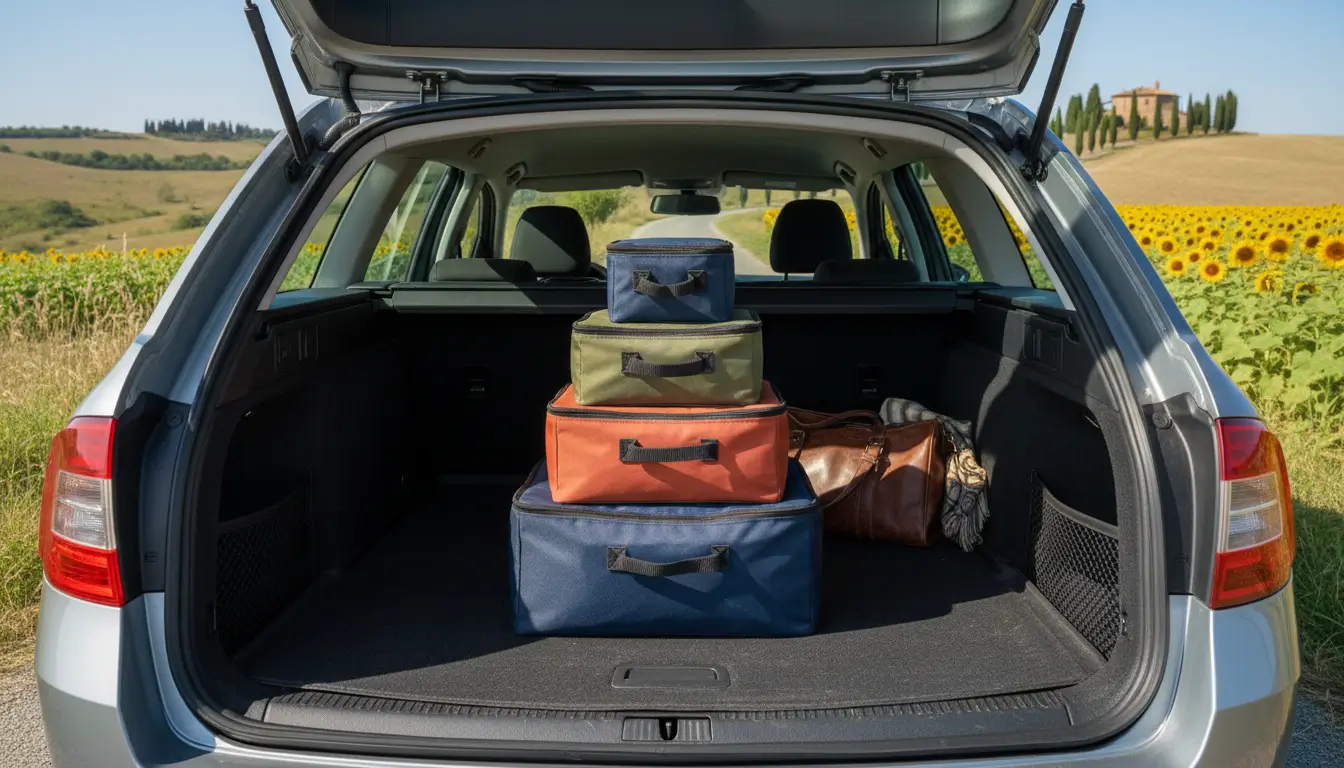
Incorrect weight distribution can negatively affect your car’s handling. For example, a rear that is too heavy makes steering lighter and less precise. The solution is simple but effective: place the heaviest luggage items, such as suitcases, the cool box, or crates of supplies, as low and as close as possible to the backrest of the rear seat. This keeps the car’s centre of gravity low and central, contributing to stable and predictable road holding. Lighter items such as sleeping bags or jackets can be placed on top and in the remaining spaces.
Safety in the Interior
Loose items in the car turn into dangerous projectiles during a sudden braking action. A water bottle, a tablet, or sunglasses on the parcel shelf can be launched through the car at high speed during an emergency stop. Make it a habit to always keep the parcel shelf clear. Ensure all items in the cabin have a fixed, safe place.
- Use the storage compartments in the doors and glove compartment for small items.
- Place bags or a small cool bag on the floor behind the front seats.
- Secure luggage with the seat belts if you use the back seat for items.
Keep the View Clear
Packing above the top of the rear seat may seem efficient, but it severely obstructs your rear view. Your interior mirror becomes unusable, making you entirely dependent on your wing mirrors. This creates a large blind spot and makes it harder to assess traffic behind you. The rule is simple: never stack luggage in the boot higher than the top edge of the rear seat backrest. This way, you maintain optimal visibility and increase safety for yourself and your fellow passengers.
Important Items Within Reach
Nothing is as annoying as having to unload the entire boot mid-journey for a snack, an inflation cable, or a plaster. Many travellers make the mistake of loading everything into the boot without structure. Think in advance about which items you will need during the journey and pack them separately. A bag or crate containing your ‘on-the-go kit’ is ideal. Place this in the car last, so you can easily access it. Consider items such as:
- Snacks and drinks
- Chargers and power bank
- A compact first-aid kit
- Travel documents and wallet
- Sunglasses and any medicines
- A waistcoat or jumper for when it gets chilly
Test your Packing Plan
A trial packing a few days before departure can prevent a lot of stress. You discover if everything actually fits and what the most logical layout is. This gives you the chance to revise your plan without the pressure of departure day. It’s also a good time to check if the tyre pressure is still correct for the extra load. The recommended pressure for a fully loaded car can often be found in the instruction manual or on the inside of the fuel cap or door pillar.
Smart packing starts with conscious choices and ends with a relaxed feeling behind the wheel. By avoiding these common mistakes, you ensure a smooth and safe start to your journey. On the Traveler Tips website, you’ll find much more practical information about planning your road trip, from the best routes to handy checklists for your equipment. Discover how to travel smarter and better prepared.
Frequently Asked Questions
Travellers often make packing mistakes such as forgetting essential items by not using a checklist, and taking too much \”just in case\” which leads to overflowing suitcases. Other common blunders include not packing liquids separately and not smartly rolling or distributing clothes, which causes creases and clutter. Additionally, many people don’t leave room for souvenirs and sometimes ignore hand luggage rules or make impractical clothing choices.
To pack efficiently and travel comfortably in a car or train, use a checklist, the 5-4-3-2-1 method, and roll clothes to save space and reduce creases. Fill shoes with small items like socks and store liquids in travel-sized bottles in a re-sealable bag. Wear the heaviest clothing during travel and consciously leave room for souvenirs.
The most common packing mistakes that lead to stress are forgetting essential items, taking too much, and not smartly packing clothes and liquids. This causes overweight luggage, clutter, and wrinkled clothes. You avoid this by using a checklist, applying the 5-4-3-2-1 method, packing liquids separately in travel size, and rolling clothes or using packing cubes. Also, always leave room for souvenirs and check hand luggage rules.
To bring the right clothing and necessities for varying conditions without carrying too much, use the 5-4-3-2-1 method (5 tops, 4 trousers/skirts, 3 dresses, 2 pairs of shoes/bags, 1 poncho/sunglasses). Choose mix-and-match layered outfits and wear heavy clothing during the journey. Make a checklist in advance and avoid ‘what if’ thinking. Take into account the local temperature and the possibility of washing clothes.