 NL
NL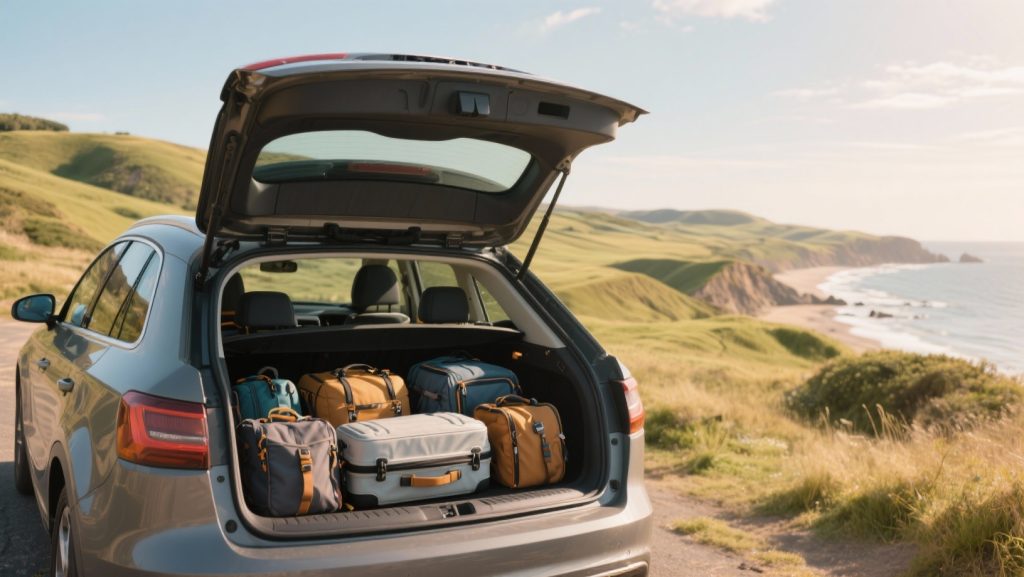
A well-thought-out approach to packing your car is the foundation for a relaxed journey. By applying smart packing strategies for maximum car boot space, you combine safety with efficiency. Curious how a few simple adjustments can create a surprising amount of extra space while improving your car’s road holding?
Preparation: a practice session is half the battle
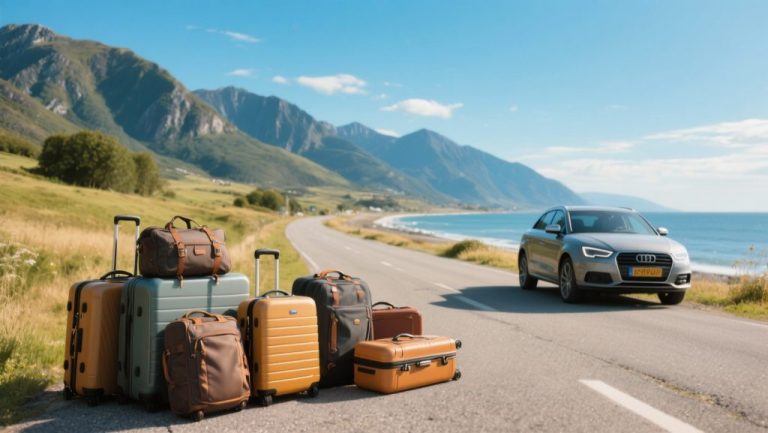
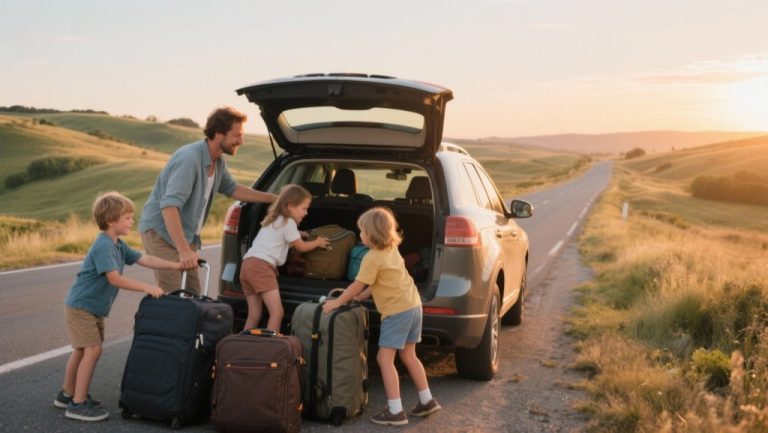
Good preparation prevents surprises on the day of departure. Before you start loading, it’s wise to hold a practice session. Lay out all bags, suitcases, and other luggage next to the car. This gives you a realistic idea of the amount of items and allows you to immediately assess what fits and what doesn’t. This is the time to critically review your packing list and eliminate unnecessary items. Careful planning ensures you only take what you truly need, saving not only space but also avoiding unnecessary weight.
‘ An additional safety measure is to fasten the seatbelts in the back seat, even if no one is sitting there. ’
The basic rule: heavy items at the bottom for safety and stability
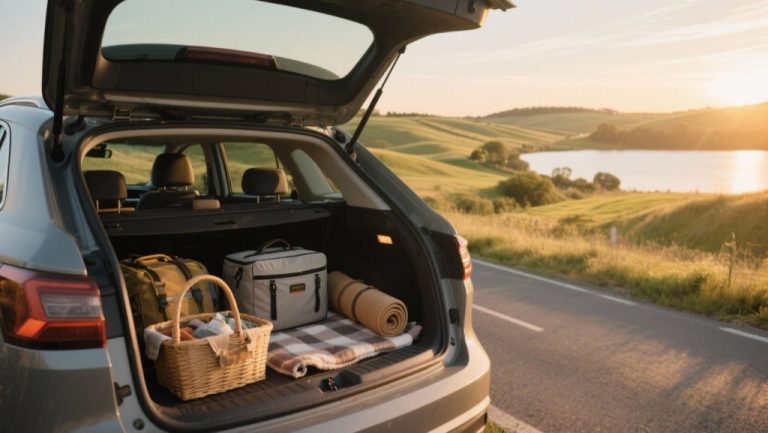
The most important rule when packing a car is correct weight distribution. Always place the heaviest items as low as possible and directly against the backrest of the rear seat. This includes suitcases, crates of drinks, or a heavy cool box. This positioning creates a low centre of gravity, which benefits the car’s stability and road holding.
In the event of sudden braking, this placement also prevents heavy items from being launched through the car. Lighter and soft items, such as sleeping bags, pillows, or jackets, should be placed on top. An additional safety measure is to fasten the seatbelts in the back seat, even if no one is sitting there. This provides extra firmness to the backrest.
Efficient Packing: from large to small and utilising every cavity
Once the foundation is laid with the heaviest items, it’s time to fill the remaining space as efficiently as possible. Work from large to small. Start with the largest luggage items and then fill the open spaces with smaller, flexible bags. Sports bags and weekend bags are ideal for this, as they are easy to shape and fit into the remaining gaps. This also wedges the larger suitcases in place, preventing them from shifting.
Rolling clothes: more space, fewer creases
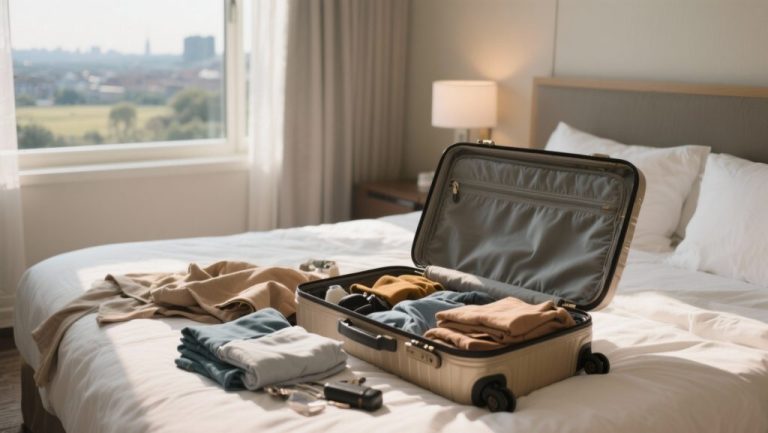
One of the most effective ways to save space is to roll your clothes instead of folding them. This technique can free up to 25% more space in your bag and has the added benefit of reducing creases in clothing.
For even more organisation, you can use packing cubes. These are small, rectangular bags where you can sort rolled clothes by category. This way, you maintain an overview and can easily find what you’re looking for without rummaging through your entire bag.
Other useful tools include compression or vacuum bags. These are particularly suitable for bulky items such as winter coats or blankets. By removing air from the bags, the volume is significantly reduced. Do pay attention to the weight; the volume decreases, but the weight remains the same.
Utilise all empty spaces
Think creatively and utilise every available centimetre. Cavities under the seats, the space around the spare wheel, or the compartments in the car doors are perfect for smaller items. Loose items like shoes can be tucked into small corners and gaps. Fill shoes with socks to maintain their shape and gain even more space. A bag for on the go, with items you want to keep handy, is best placed in the passenger compartment, for example, on the floor behind the front seats.
Organisation and safety on the road
A well-packed car is not only efficient but also safe. Always ensure your rear view remains clear. Never stack luggage in the boot higher than the top edge of the rear seat. Items on the parcel shelf can turn into dangerous projectiles during an emergency stop and also obstruct your view. If stacking higher is unavoidable, use a luggage net or a luggage rack that separates the load space from the passenger cabin.
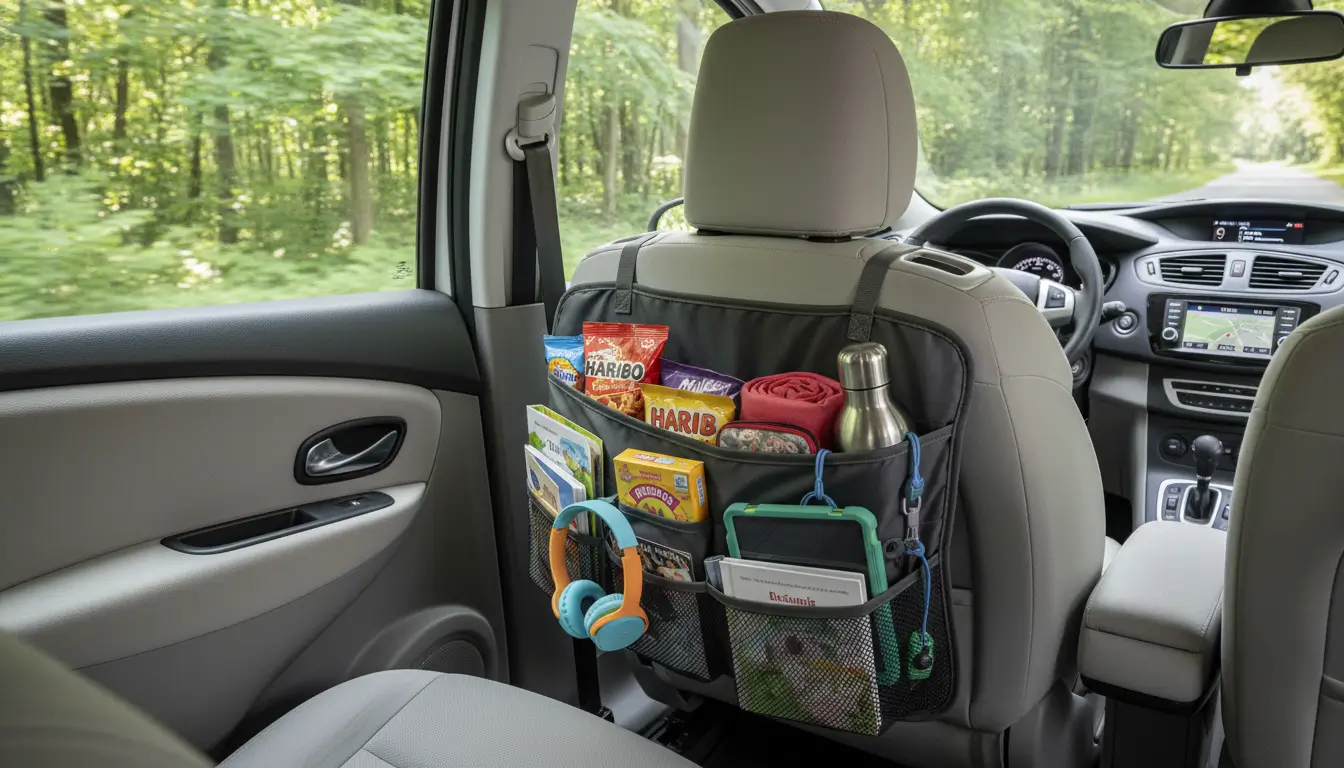
Also, consider the accessibility of certain items. Ensure the warning triangle and safety vests are always within easy reach. The same applies to a first-aid kit. A small boot organiser can help keep regularly needed items, such as water bottles, snacks, or a road map, tidy and accessible.
- Heavy items: Low and against the back seat for stable road holding.
- Flexible bags: Ideal for filling gaps and securing luggage.
- Clothing: Roll clothes and use packing cubes for maximum space and organisation.
- Safety: Keep the rear view clear and do not stack above the backrest.
- Essential items: Ensure the warning triangle and first-aid kit are always accessible.
‘ Always adhere to the maximum roof load prescribed by the car manufacturer. ’
When the boot isn’t enough: external storage options
Sometimes the available space in the car is simply not enough. In such cases, a roof box can offer an excellent solution. A roof box is ideally suited for light but bulky luggage, such as sleeping bags, tents, or beach gear. Distribute the weight evenly across the roof box to minimise its impact on the car’s driving characteristics. Always adhere to the maximum roof load prescribed by the car manufacturer. An alternative to a roof box is a towbar-mounted cargo box. This often has the advantage of being more aerodynamic and thus having less impact on fuel consumption.
Before you depart, it is advisable to take a short test drive. This way, you can check whether the luggage shifts and if the car still feels comfortable and safe. After loading, also check the tyre pressure and adjust it to the extra weight if necessary.
A good start is half the battle, and that certainly applies to preparing for your car holiday. On the Traveler Tips website, you’ll find many more practical articles and in-depth guides on planning the perfect road trip, the most beautiful routes in Europe, and handy checklists for your equipment. Discover how to travel smarter, more comfortably, and with more enjoyment.
Frequently Asked Questions
Smart packing strategies for maximum car boot space include practising beforehand and planning your packing list to avoid unnecessary items. Place the heaviest items low and close to the back seat for stable road holding and fill gaps with flexible bags. Roll clothes and use compression or vacuum bags for up to 25% more space, and consider a roof box for light, bulky items, always paying attention to the maximum roof load.
To make important items quickly and easily accessible during a journey, without having to rummage through the car, a smart packing strategy is crucial. Use boot organisers, luggage nets, and anti-slip mats for items you need on the go, such as snacks or maps. Place them within easy reach, but ensure your sightlines remain clear and no loose items are on the parcel shelf. Also, consider an emergency kit with hygiene wipes, hand gel, and medication, which you can easily grab.
To avoid unnecessary items and save space, start with a practice session to see how everything fits and create a detailed packing list. Place the heaviest items low and against the backrest of the rear seat for a low centre of gravity. Roll clothes instead of folding to save 25% more space and fill gaps with flexible bags. Use organisers, luggage nets, and anti-slip mats, and consider a roof box or towbar-mounted cargo box if space is insufficient, taking into account the maximum roof load and tyre pressure.
Yes, vacuum bags and packing cubes certainly contribute to an efficient packing strategy. Vacuum bags significantly save space by removing air from clothes, and rolling clothes instead of folding can yield up to 25% more space. Packing cubes help keep clothes organised and compact, which facilitates filling gaps in luggage. These tools, along with a smart packing order (heavy items at the bottom, flexible bags for gaps), ensure optimised and safer boot space.
Place the heaviest items low and close to the backrest of the rear seat to optimise the centre of gravity. Then, fill gaps with flexible bags and roll clothes for maximum space saving. Use boot organisers, luggage nets, and anti-slip mats for stability, and ensure your sightlines remain clear. Consider a roof box for light, bulky items, but pay attention to the maximum roof load.